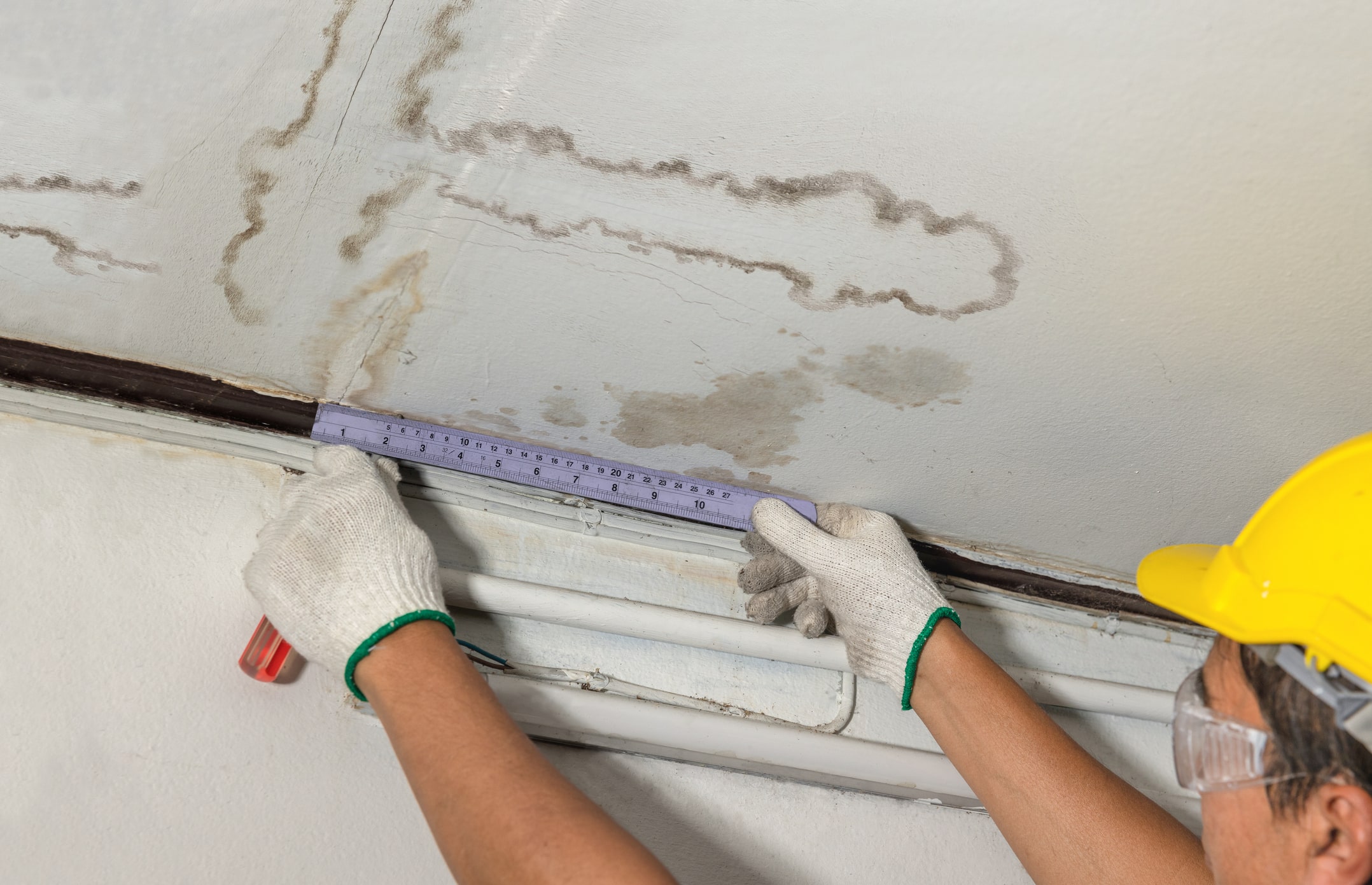
A practical commercial roofing plan for Garland, TX properties separates urgent leak control from repair, coating, maintenance, and replacement decisions supported by photos and condition findings. Garland has one of the largest concentrations of 1970s-80s industrial square footage in the DFW metro — much of it running original or first-replacement roofing that's at the end of its design life. We specialize in scoping and replacing these older systems.
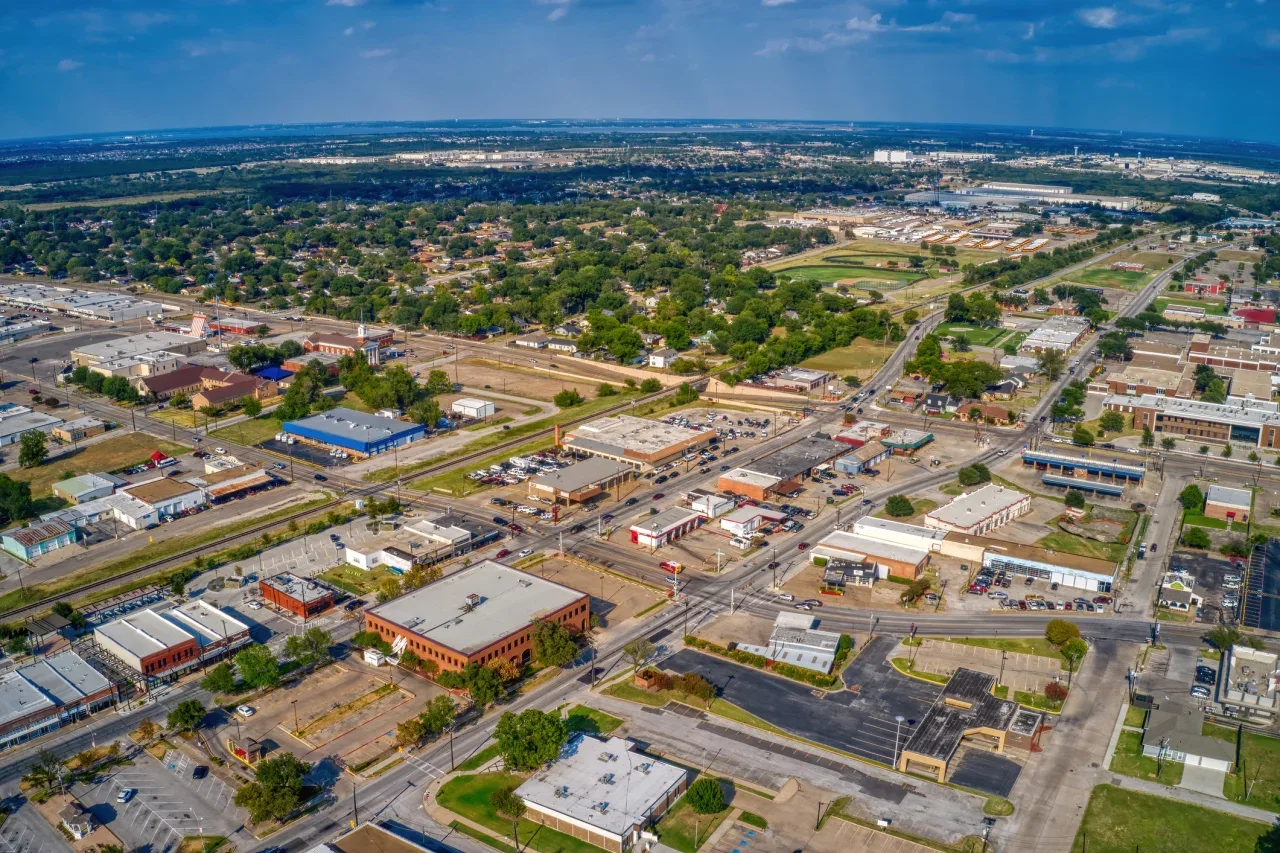
Garland doesn't always get mentioned in the same breath as Plano or Frisco when people talk about DFW commercial development, but it has something those cities don't: forty-plus years of industrial history compressed into a city that borders Dallas on the northeast. The LH Industrial District — named for the Lake Highland adjacent corridors along Shiloh Road, Belt Line Road, and the IH-635 frontage — contains millions of square feet of manufacturing, distribution, and light-industrial buildings constructed between 1968 and 1990. The roofing on these buildings was installed when coal-tar BUR and early modified bitumen were the. That roofing is now 35 to 55 years old.
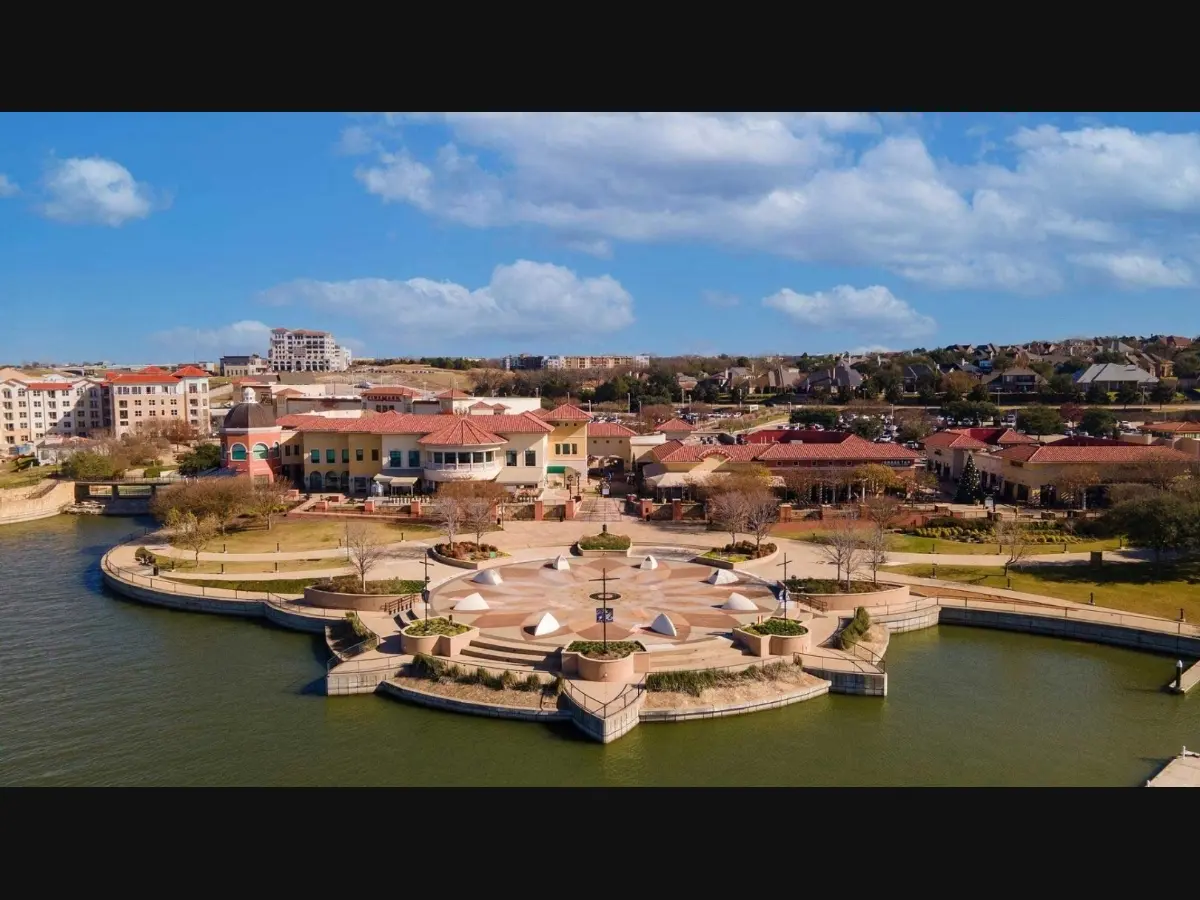
Firewheel Town Center opened in 2005 along SH-190 and gave Garland a contemporary retail anchor to complement the industrial base. The Firewheel area generated a cluster of retail, restaurant, and office buildings over the following decade that are now approaching the 15-20 year mark — in active maintenance and early-replacement cycles. It's a different conversation from the industrial district, but it runs in parallel.
Eastfield College, part of the Dallas County Community College District, sits in the eastern part of Garland and represents a significant institutional roofing asset. DCCCD facilities procurement runs on its own timeline and process — we've worked through DCCCD's procurement requirements on other campuses in the district and understand how those projects get scoped and bid.
LH Industrial District (Shiloh Rd / Belt Line Rd / IH-635 frontage): The densest concentration of older industrial roofing in Dallas County east of the city limits. Buildings here range from 20,000 to 300,000 sq ft, almost universally single-story, on metal or concrete deck. Roofing is coal-tar BUR on the oldest buildings, modified bitumen on the 1980s generation, and first-generation 45-mil TPO on the earliest single-ply converts. The entire district is in replacement territory — the question is not if but when and what replacement system.
Firewheel Town Center and surrounding retail (SH-190 / Firewheel Pkwy): 2005-2018 construction, mostly big-box retail, lifestyle retail, restaurants, and medical office. Running first-generation or second-generation single-ply (TPO or EPDM) — the oldest Firewheel buildings are on 20-year-old systems that need replacement scope now.
Northwest Garland industrial (N Shiloh Rd / Jupiter Rd / IH-635 north): The northern industrial zone that extends toward Richardson and Sachse. Similar vintage to the LH District but with slightly more diverse building types — some light manufacturing, some flex industrial, some data-center-adjacent buildings that have been retrofitted with significant mechanical equipment.
Garland sits squarely on the Blackland Prairie, east of Dallas proper — in some of the deepest and most reactive black clay in the metro. The seasonal soil movement here is among the most significant in Dallas County. Buildings in Garland's industrial districts that were constructed without engineered foundations for expansive soil have experienced decades of foundation movement, and that movement shows up at rooflines in very specific ways: parapet walls that have racked several degrees off plumb, drain bodies that no longer sit at the true low point of the deck, and expansion joints that have been compressed or stretched beyond their design range.
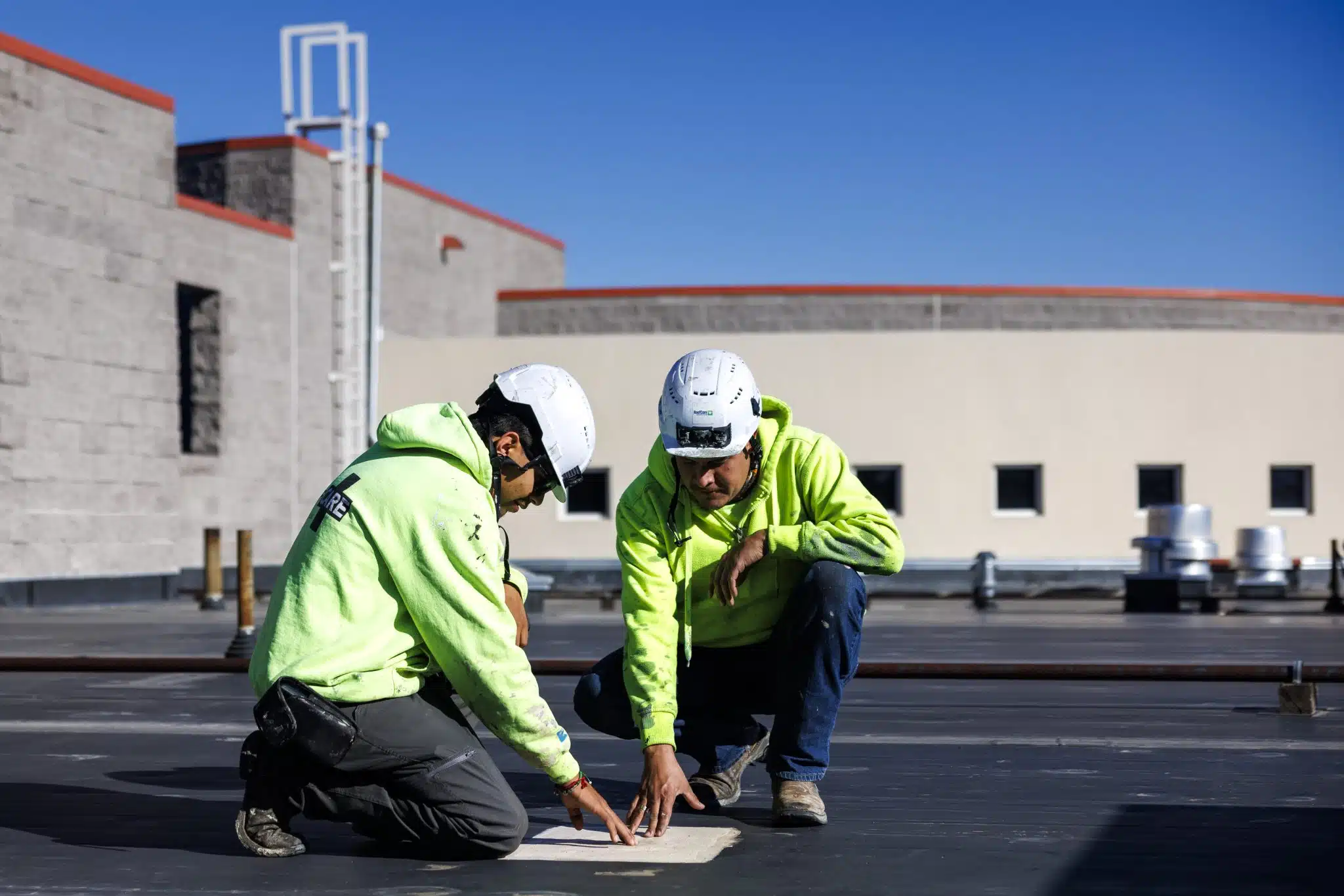
Older industrial buildings in the LH District frequently have drain systems that were originally designed with six to eight roof drains for a 100,000 sq ft building — a specification that was marginal when new and is now completely inadequate given the settled drain bodies and the ponding patterns that have developed. Part of our pre-replacement scope work in Garland's industrial district always includes a drainage evaluation: we walk the roof during or after a rain event, map the actual low points, and spec drain additions or relocations as part of the replacement scope.
Hail exposure in Garland is significant — the city falls in the primary hail track for North Texas spring storms, and the industrial buildings of the LH District have large unscreened roof fields that catch the full hail event. We pull post-hail inspections across Garland within 48 hours of a documented hail event to assess impact damage and initiate insurance coordination for clients under maintenance contracts.