Roofing CapEx across a Dallas commercial portfolio is predictable if you have the condition data to forecast from. We build the multi-year capital plan, sequence replacements against your budget, and produce the written documentation that gets the ask approved.
Capital requests for commercial roof replacement fail for two reasons: the data behind the ask is weak, or the timing is reactive — someone files the request after the roof fails, under emergency conditions, without the forecast horizon that lets finance plan around it. Both failures cost owners money. Emergency replacement at reactive-mode timelines runs 15-25% above planned-work cost. A capital ask without defensible condition data gets deferred, which turns a planned replacement into an emergency.
Our capital planning work starts with condition data and ends with a written capital document that a facilities director can put in front of an ownership group or a CFO. It includes a per-building replacement cost band (priced against current DFW roofing material and labor costs, not national averages), a five-year sequencing plan, and a lifecycle cost analysis that shows the cost of deferral versus the cost of planned replacement.
We run capital planning for portfolio owners, hospital systems, university and school districts, and large-building owners who have one significant asset. The approach is the same: condition data drives the forecast, and the forecast drives the ask.
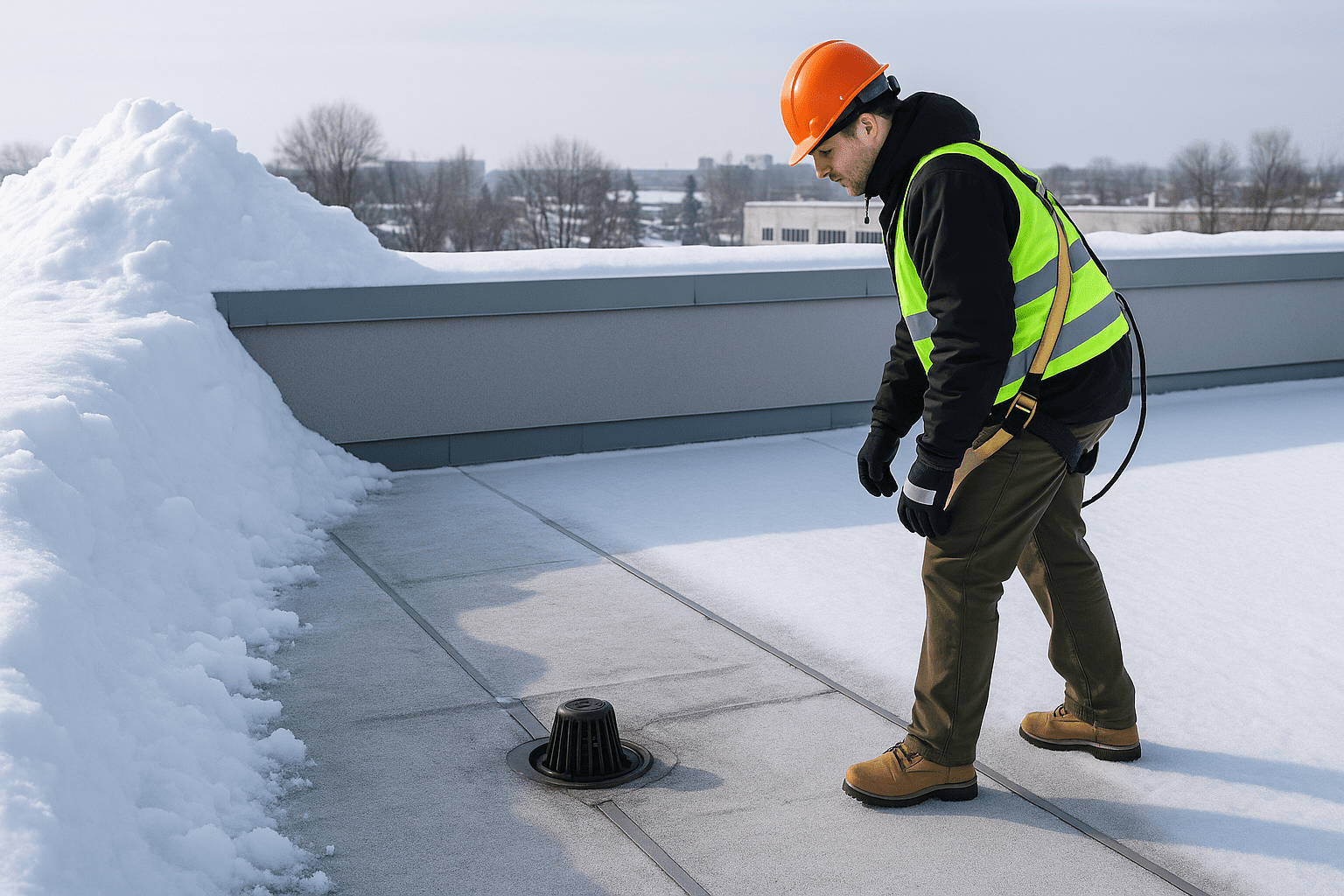
The forecast starts with the current condition record for every building. Buildings rated condition 1-2 are in the immediate replacement queue — these go into year one or year two of the plan. Buildings rated condition 3 are in the monitoring queue — these go into years three through five with a replacement trigger defined by which specific conditions would move them forward. Buildings rated condition 4-5 are in the maintenance queue — these stay out of the replacement plan for the current five-year window.
We produce cost bands — per-square ranges for each building based on current DFW roofing costs — and note that years three through five should be re-priced at each annual forecast update. The current DFW market for TPO replacement on a mid-size commercial building runs in a range we document specifically for each building based on its complexity, access conditions, and any equipment that will drive additional cost.
Sequencing: We recommend sequencing based on three criteria — condition urgency (how fast is the building deteriorating), cost efficiency (projects with economies of scale go together when possible), and business impact (buildings with tenant-critical operations or active manufacturer warranties that are about to lapse get prioritized). The sequencing recommendation is written and explainable, not just a ranked list.
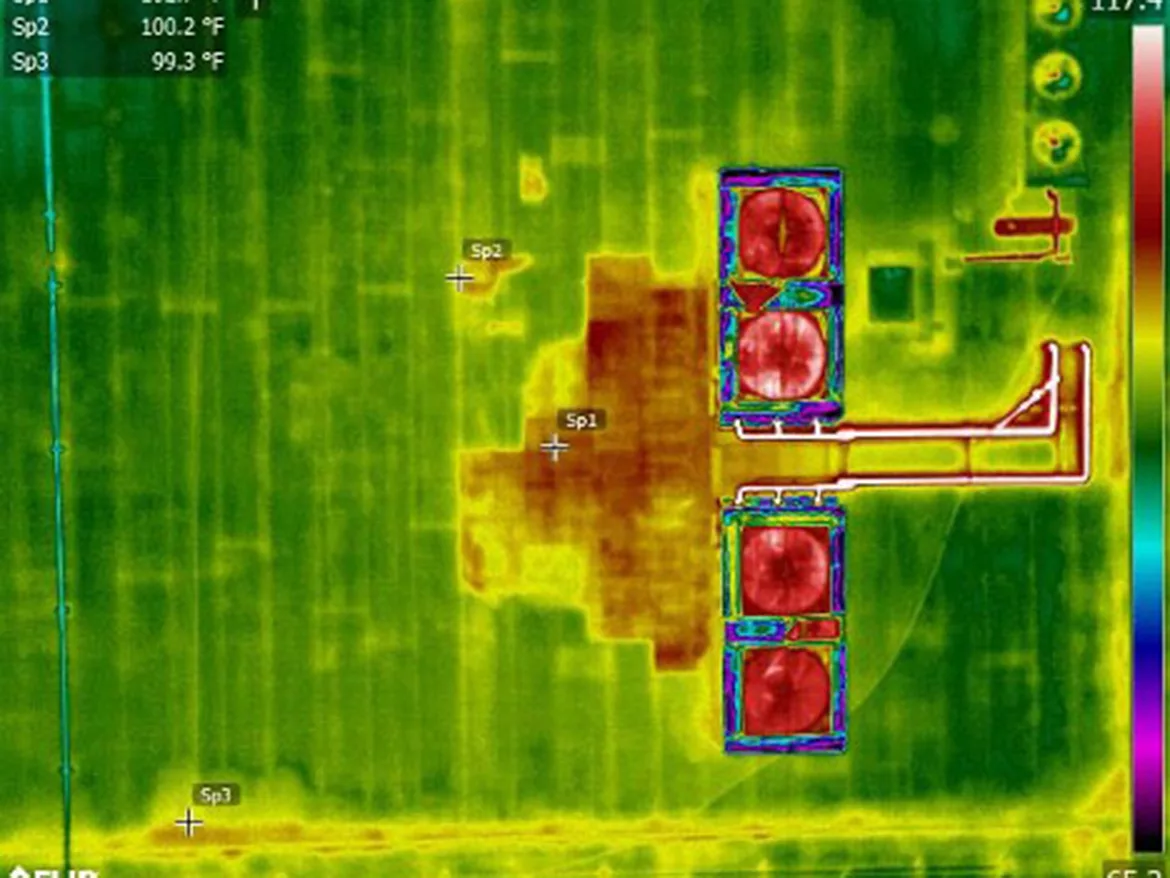
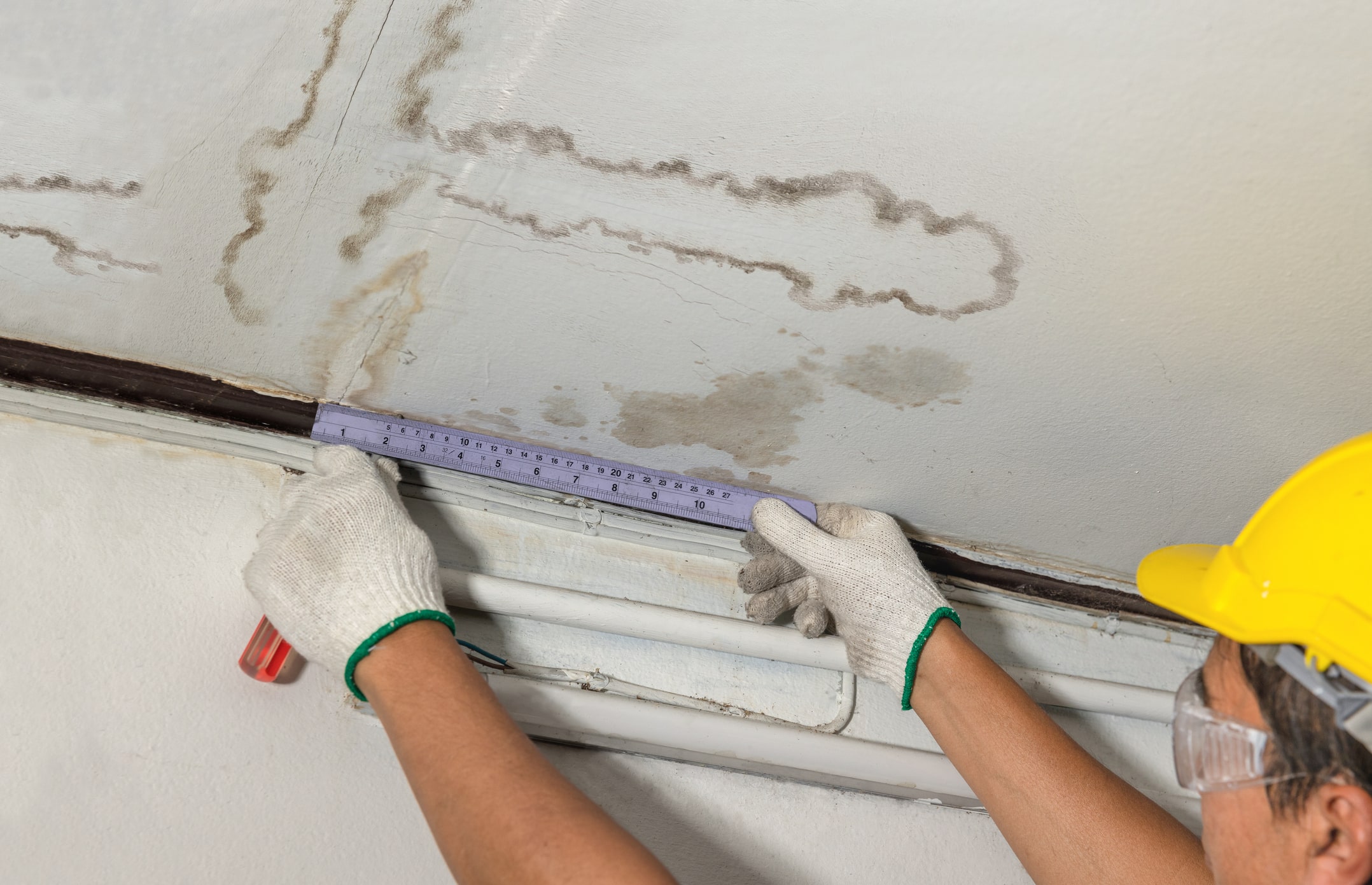
The written capital document we produce is formatted for a capital committee or CFO review, not a facilities meeting. It includes: the condition summary for each building in the ask (zone diagrams, condition ratings, photo documentation of the conditions that drove the rating), the cost band for the replacement scope, the lifecycle cost analysis showing replacement cost versus deferred-replacement cost (including the cost of ongoing emergency repairs and the premium for emergency-mode replacement), and the sequencing rationale.
For Dallas office buildings with active tenants, we also include a tenant-impact section that documents the disruption exposure if the roof fails under uncontrolled conditions versus the controlled disruption of a planned replacement. This matters to ownership groups that have tenant leases running — an uncontrolled roof failure during a tenant's peak business period is a relationship and liability problem, not just a building maintenance problem.
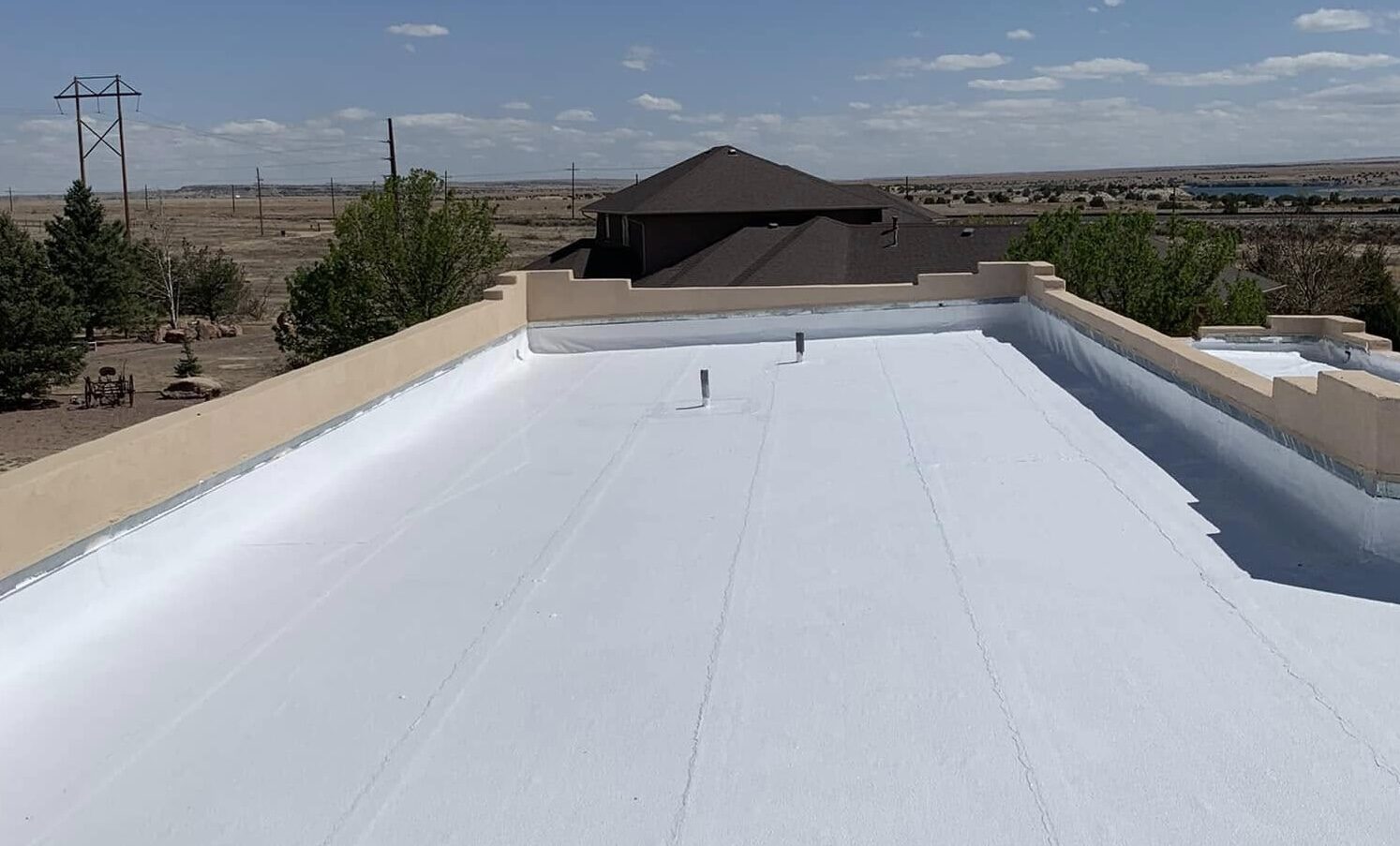
The lifecycle cost analysis compares three scenarios: replace now at planned cost, defer one to three years with ongoing repair cost and increased replacement premium, and recover (apply a restoration coating or recover membrane) to extend the asset five to ten years. Each scenario is costed against the building's actual condition data, not theoretical lifecycle tables.