214-441-608924/7 Emergency SupportDallas, Texas Commercial Roofing

Damage Response

Hail Damage Roof Repair for Dallas Commercial Buildings

When hail hits a Dallas commercial flat roof, the damage that costs you money is not always the damage you can see from the parking lot.

Inspect

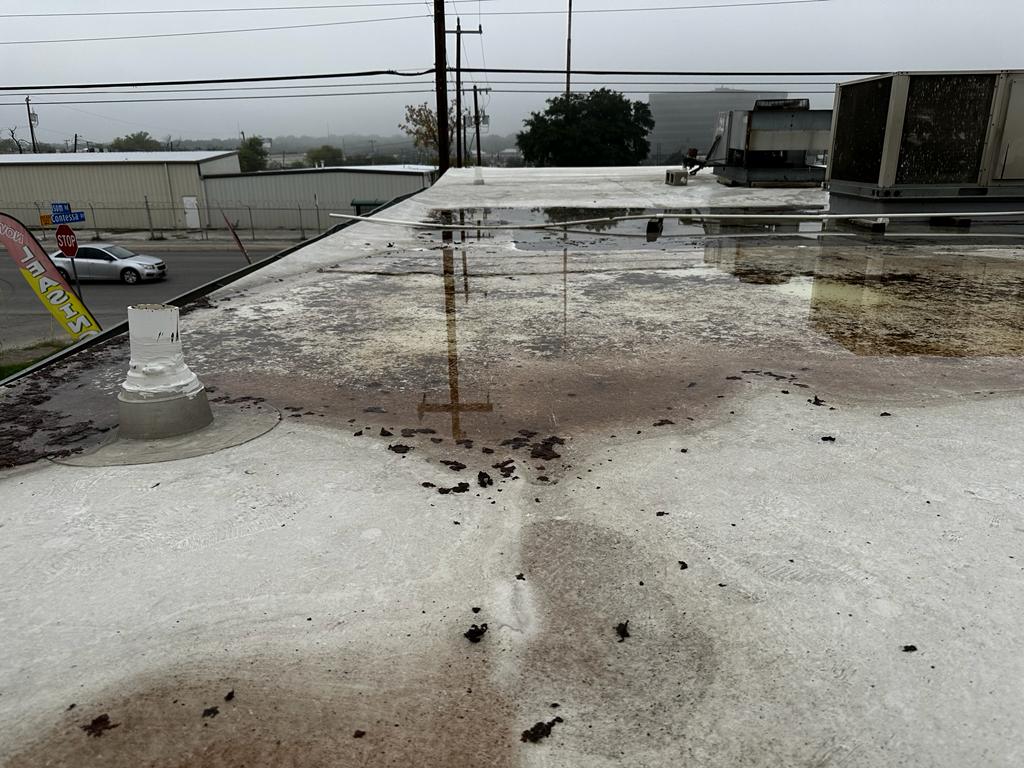
Document membrane age, drainage, access, penetrations, storm marks, and active leak points.

Scope

Choose repair, recover, coating, replacement, or maintenance from field evidence.

Maintain

Keep logs, post-storm notes, warranty closeout, and capital timing in one usable record.

When hail hits a Dallas commercial flat roof, the damage that costs you money is not always the damage you can see from the parking lot.

The May 2023 storm system that crossed Collin and Denton counties produced documented 2.75-inch hailstones across a wide band from Frisco through Allen. That event damaged more commercial TPO and EPDM in northern Dallas County than any single storm in the prior decade. We have inspected roofs from that event where building owners were told by a quick-look roofer that the roof was fine — and where core samples showed compromised insulation facers and cracked membrane at seam edges that would turn into active leaks within one wet season.

The 2024 NW Dallas hail event the following spring hit a different building stock — older modified bitumen and BUR systems on industrial buildings along the Stemmons and I-35 corridors. Hail damage on granulated modified bitumen is harder to read than TPO; the granule displacement pattern looks like normal weathering to an untrained eye. We know the difference, and we build documentation that shows the difference clearly.

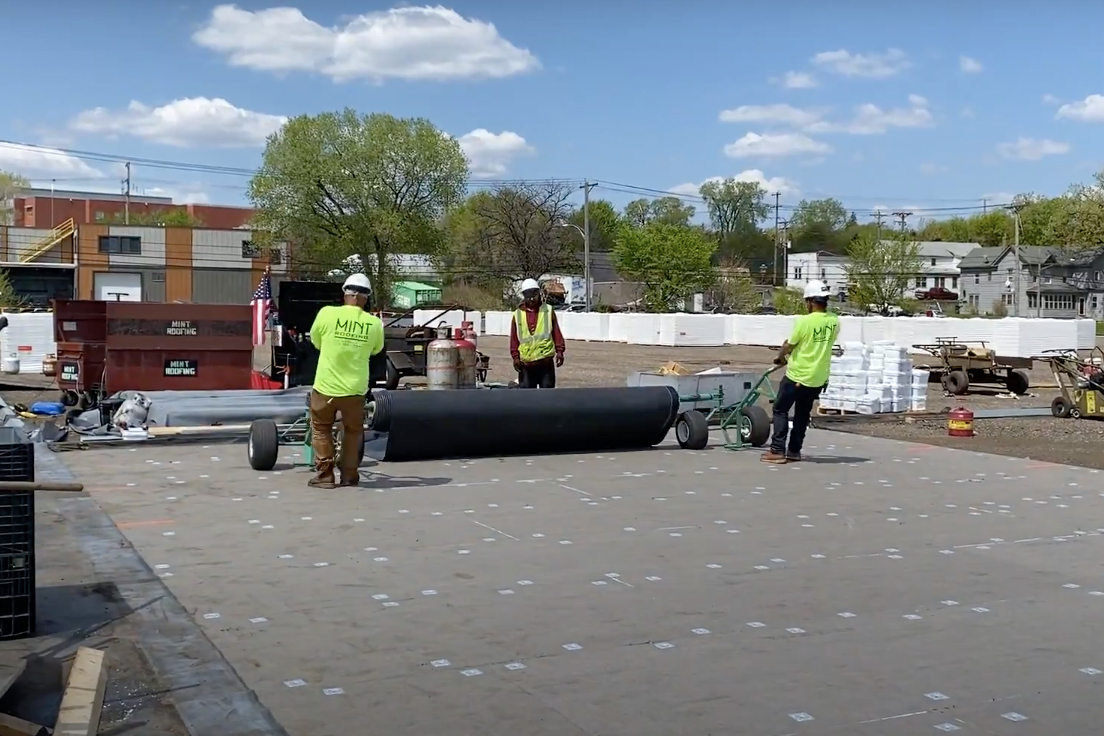
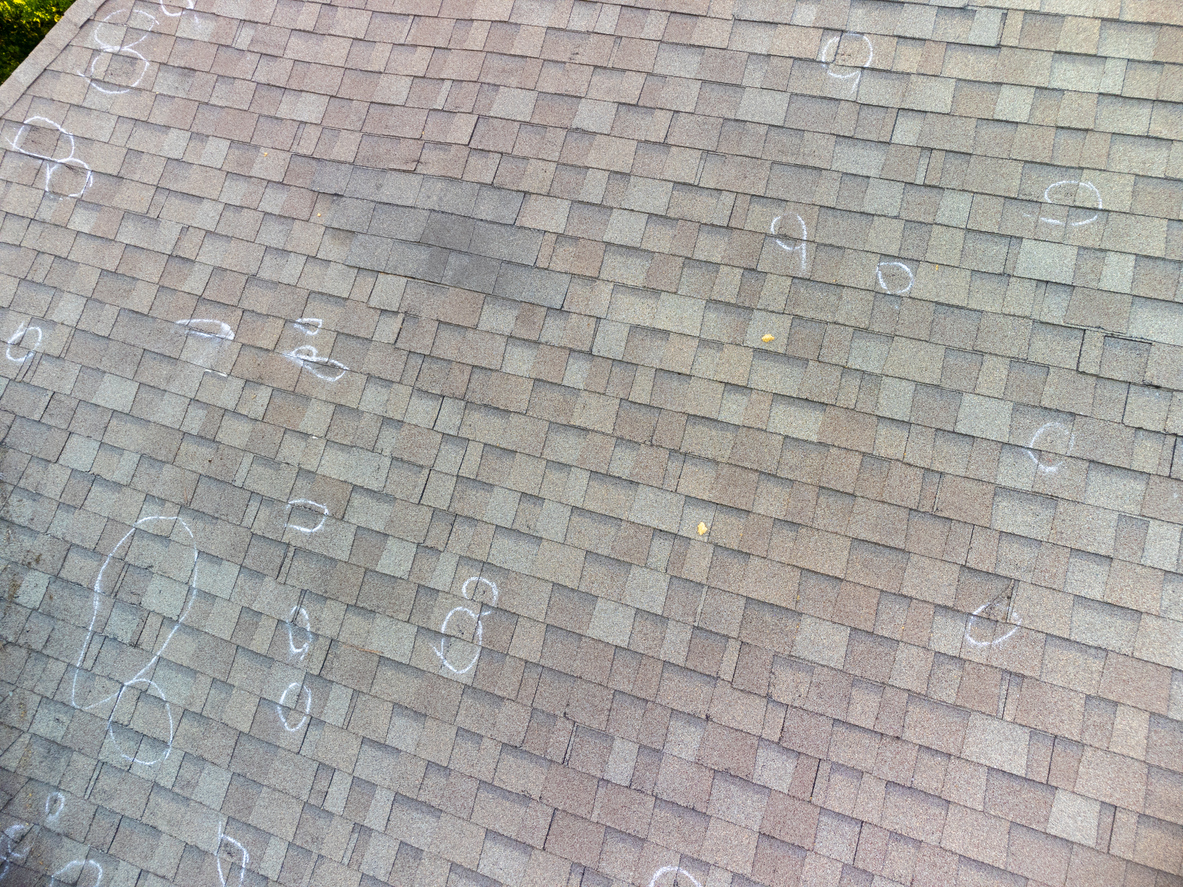
What we give you is a roof scope package that the people handling your claim can actually use: zone diagrams, GPS-tagged photos at every impact site, core sample results, and a written repair-vs-replace recommendation with the basis for that recommendation spelled out.

Not all hail damage is equal, and confusing the categories is how building owners end up with underpaid claims or unnecessary repairs. Cosmetic damage means the membrane surface shows marks but the waterproofing layer is intact — granule displacement on modified bitumen, surface scuffing on TPO. Functional damage means the waterproofing layer is compromised: fractured TPO at impact points, cracked EPDM where the stone hit a seam, split modified bitumen cap sheet at impact sites.

Impact bruising is the middle category and the most misread. On mechanically attached TPO over polyiso insulation, large hailstones can transfer energy through the membrane into the insulation facer without puncturing the membrane surface. The facer fractures, the insulation loses structural integrity, and the membrane is now unsupported at those points. In Dallas heat cycles, the membrane delaminates at those locations over 12-24 months and eventually fails. This damage is invisible from above without core samples, and it is the category that drives the largest repair vs. replace scope decisions on post-storm inspections.

We document all three categories separately, zone by zone, with a photo index that ties each damage type to a roof zone on the diagram.

Every impact site gets photographed at three distances: a GPS-tagged wide shot that shows the roof zone context, a mid-range shot that shows the impact pattern relative to seams and penetrations, and a close-up shot with a measuring coin for scale. We document hailstone size reference against standardized markers where the storm report's stone size is available, and we note every impact site that falls within 12 inches of a seam or flashing detail — those sites carry elevated risk of functional damage even when the membrane surface looks intact.

Core samples are pulled at locations where we suspect insulation damage beneath intact-looking membrane — typically at the center of high-impact zones and at any low point in the roof where water pools after a storm. Core results are photographed and logged against the zone diagram.

Storm date documentation is included: we pull the nearest NOAA NEXRAD radar data, the SPC storm report for the event, and any available Verisk/CoreLogic hail footprint map for the building's address. This documentation anchors the damage to the specific storm event your claim covers.
Damage Response

Questions we answer before work starts.

How soon after a hail event should we get an inspection?

As soon as you can. Dallas's spring storm season typically runs March through June, and multiple events can hit in close sequence. Getting a documented inspection scoped to a specific event before the next storm is important for claim attribution. We can usually mobilize for post-storm inspections within 2-3 business days of a major event, though our schedule compresses after large regional storms.

What does that mean for us?

That may be correct, or it may reflect an inspection that missed functional or bruising-class damage.

Can you do temporary repairs to stop leaks while the claim is being processed?

Yes. Emergency dry-in and temporary patching are separate from the insurance documentation scope. We can stabilize the roof to stop active leaks, document the temporary repair separately from the hail damage scope, and hand off the full damage documentation to your claim process without the temporary work complicating the scope.

Damage Repair

Related Damage Repair

Damage Response

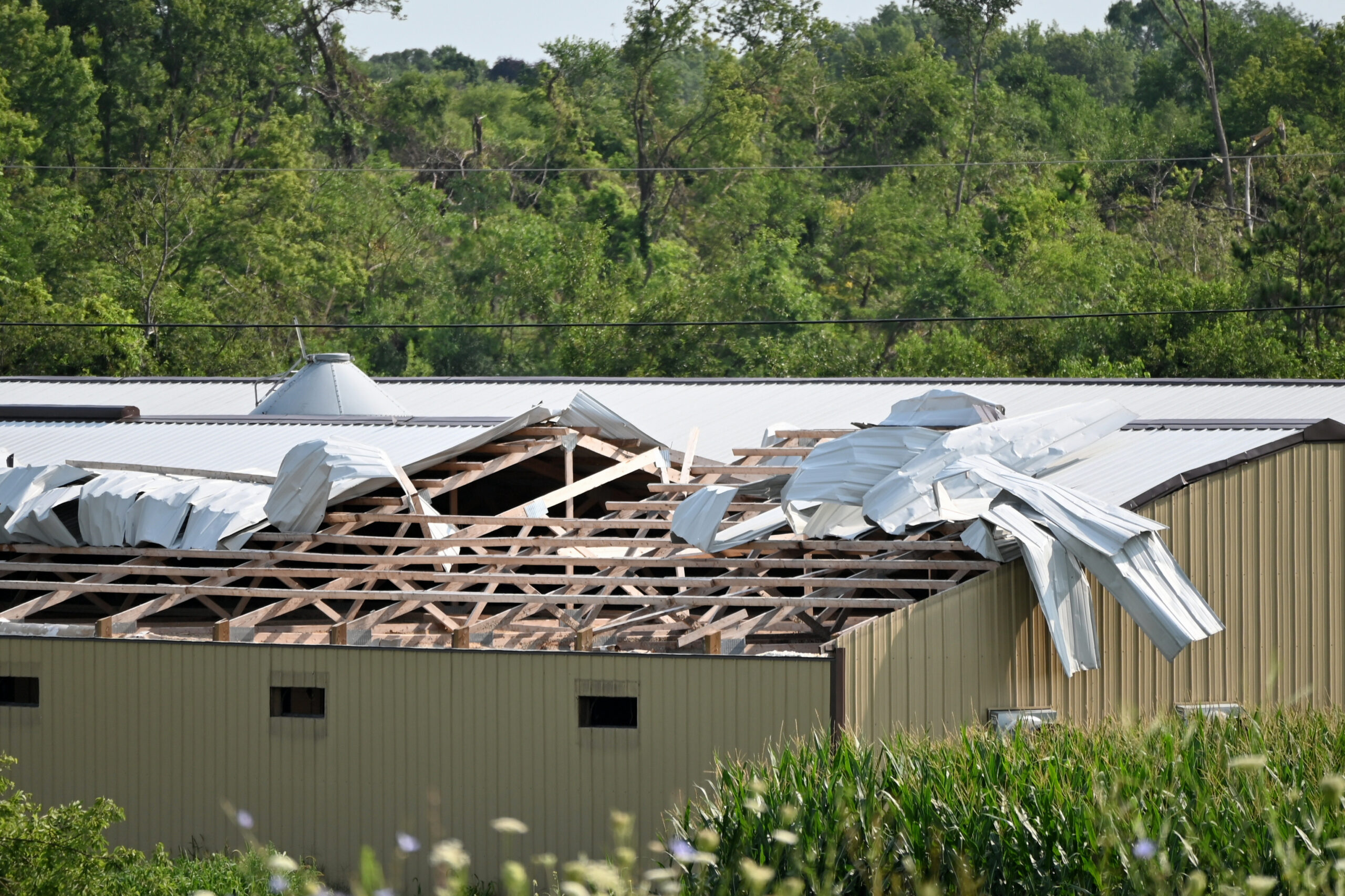
Tornado Damage Roof Repair for Dallas Commercial Buildings

Tornado damage assessment and repair scope for Dallas commercial flat roofs — structural deck evaluation, EF-scale damage documentation, full-system replacement scope, and FEMA documentation support.

Damage Response

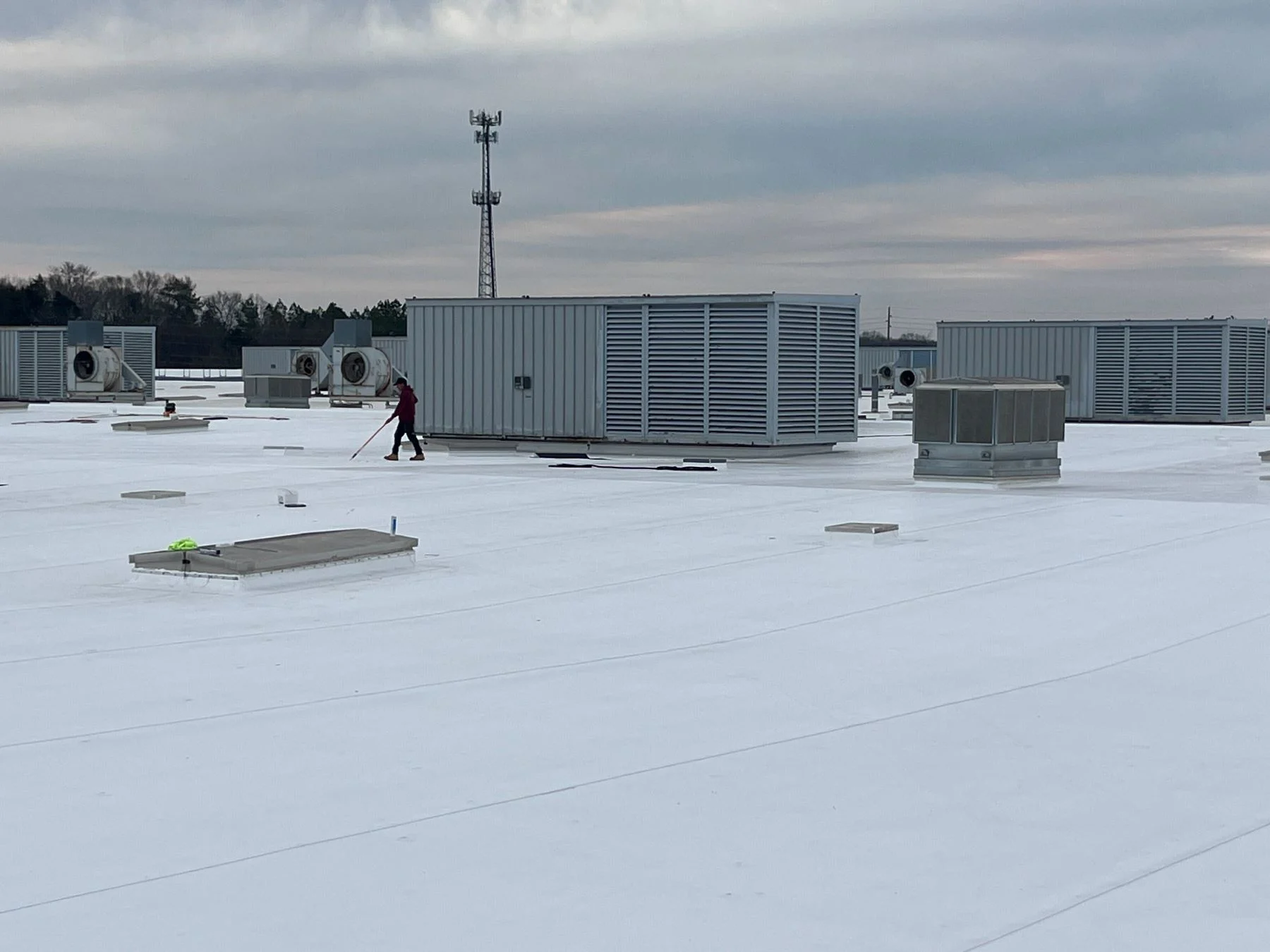
Commercial Roof Leak Repair in Dallas

Diagnostic leak tracing and permanent repair for Dallas commercial flat roofs — smoke testing, water testing, common leak source identification, and the difference between a real fix and a temporary patch.

Damage Response

Ponding Water & Water Damage Roof Repair in Dallas

Ponding water damage assessment and repair for Dallas commercial flat roofs — drain failure cascading damage, insulation moisture mapping, deck corrosion evaluation, and permanent drainage correction.

Damage Response

Fire Damage Roof Repair for Dallas Commercial Buildings

Post-fire roof scope assessment and repair for Dallas commercial buildings — rooftop equipment fires, lightning strikes, adjacent structure fires, deck replacement decisions, and insurance documentation support.

Damage Response

Freeze Damage Roof Repair for Dallas Commercial Buildings

Freeze damage assessment and repair for Dallas commercial flat roofs — Uri 2021 membrane seam failures, cracked drain bowls, parapet cap flashing thermal shock damage, and permanent repair scope.

Roof Service

Standing Seam Metal Roofing in Dallas, TX

Architectural standing seam metal roofing for Dallas commercial buildings — Galvalume and painted finishes, snap-lock and mechanical-seam systems, with 40-year substrate warranty paths.

Roof Service

Retail and Shopping Center Roofing in Dallas, TX

Commercial roofing for strip malls, shopping centers, anchor stores, and standalone retail buildings throughout Dallas, TX.

Roof Service

Storm & Freeze Recovery for Dallas Commercial Roofs in Dallas, TX

Post-storm and freeze-event roof recovery for Dallas commercial buildings — Winter Storm Uri ice damage cleanup, Class 4 hail post-storm inspection, drain clearing, and documented condition reports across the DFW Metroplex.