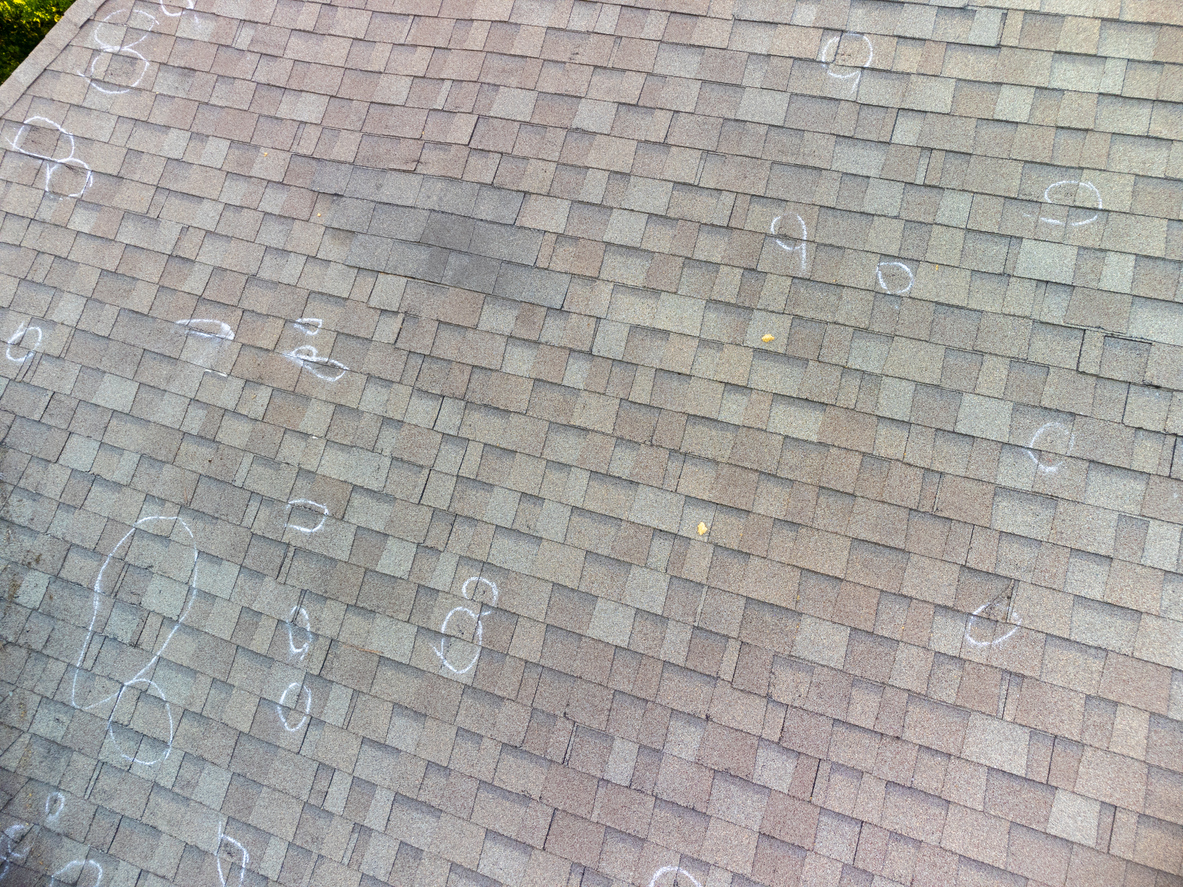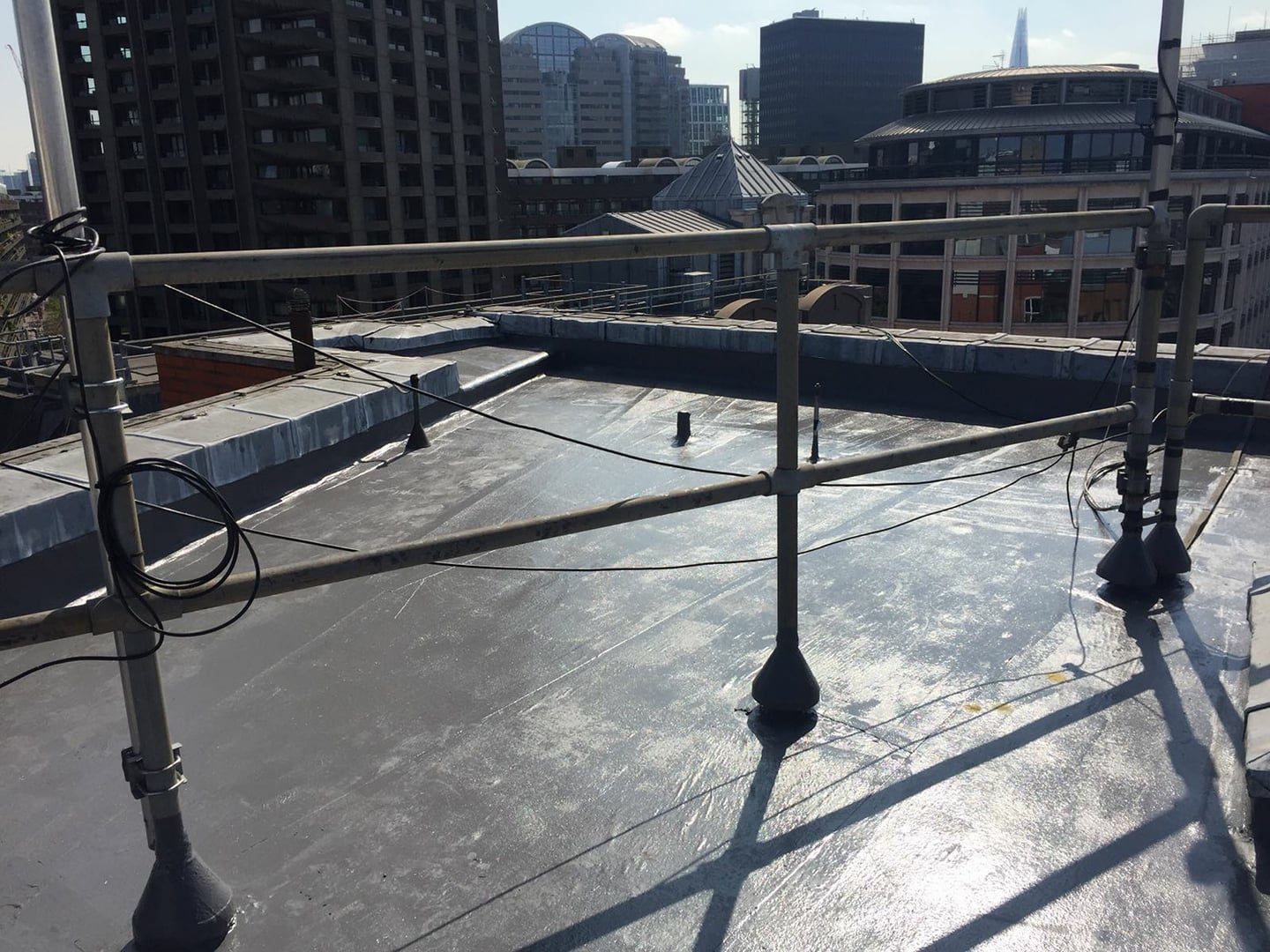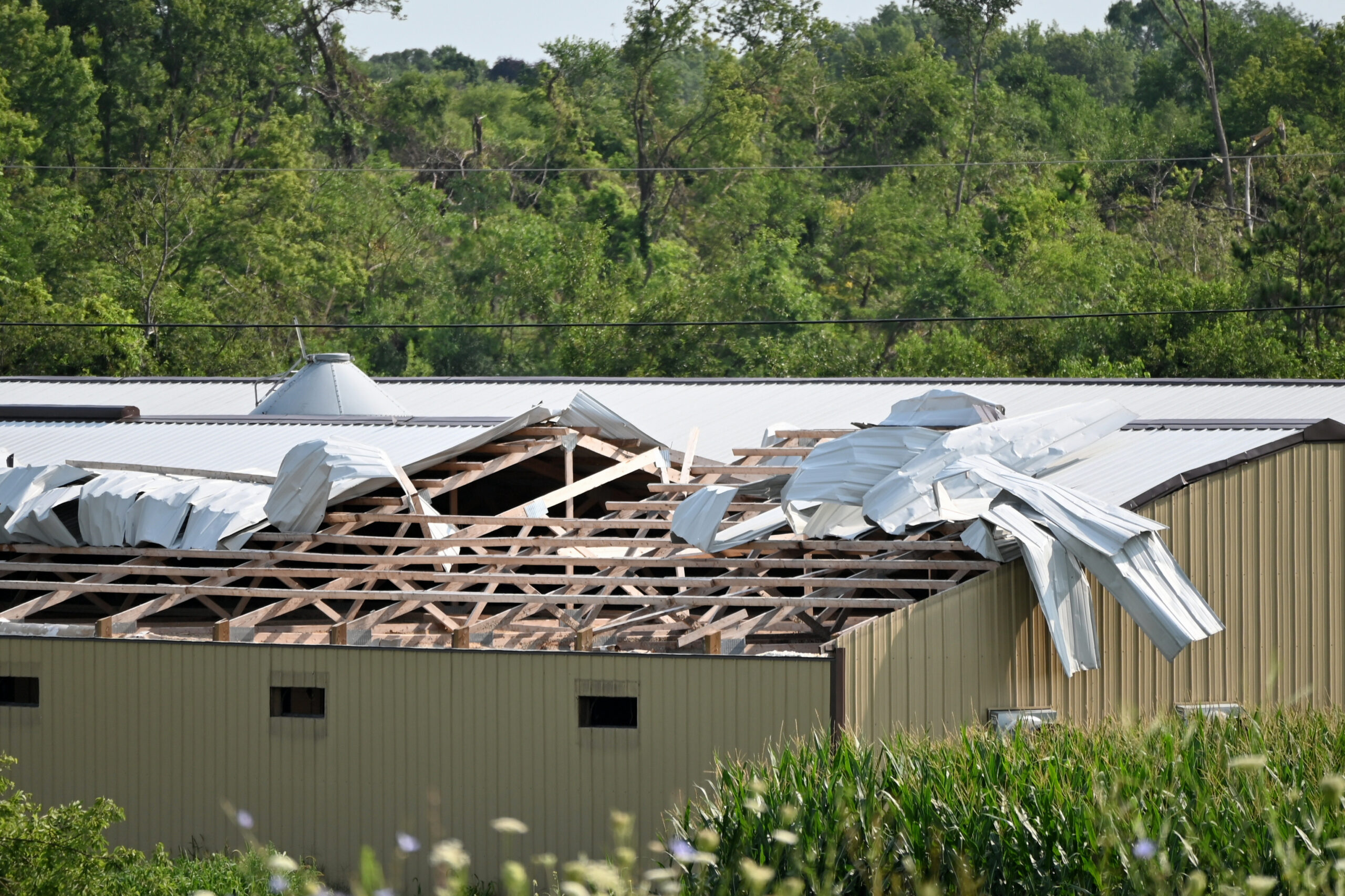
Tornado damage on a commercial flat roof goes deeper than membrane. The deck, the joists, and the structural connections may be compromised. We scope what is actually there before any repair work starts.
Dallas has seen confirmed tornado touchdowns within city limits more than once in living memory. The October 2019 outbreak that produced the NW Dallas tornado track — rated EF-1 to EF-2 across its path — damaged commercial buildings along Walnut Hill, Royal Lane, and the industrial corridors west of Love Field. On those roofs, the damage ranged from partial membrane pull-off at buildings on the edge of the track to structural deck distortion and joist displacement at buildings in the core track. Both types require different scopes and different documentation.
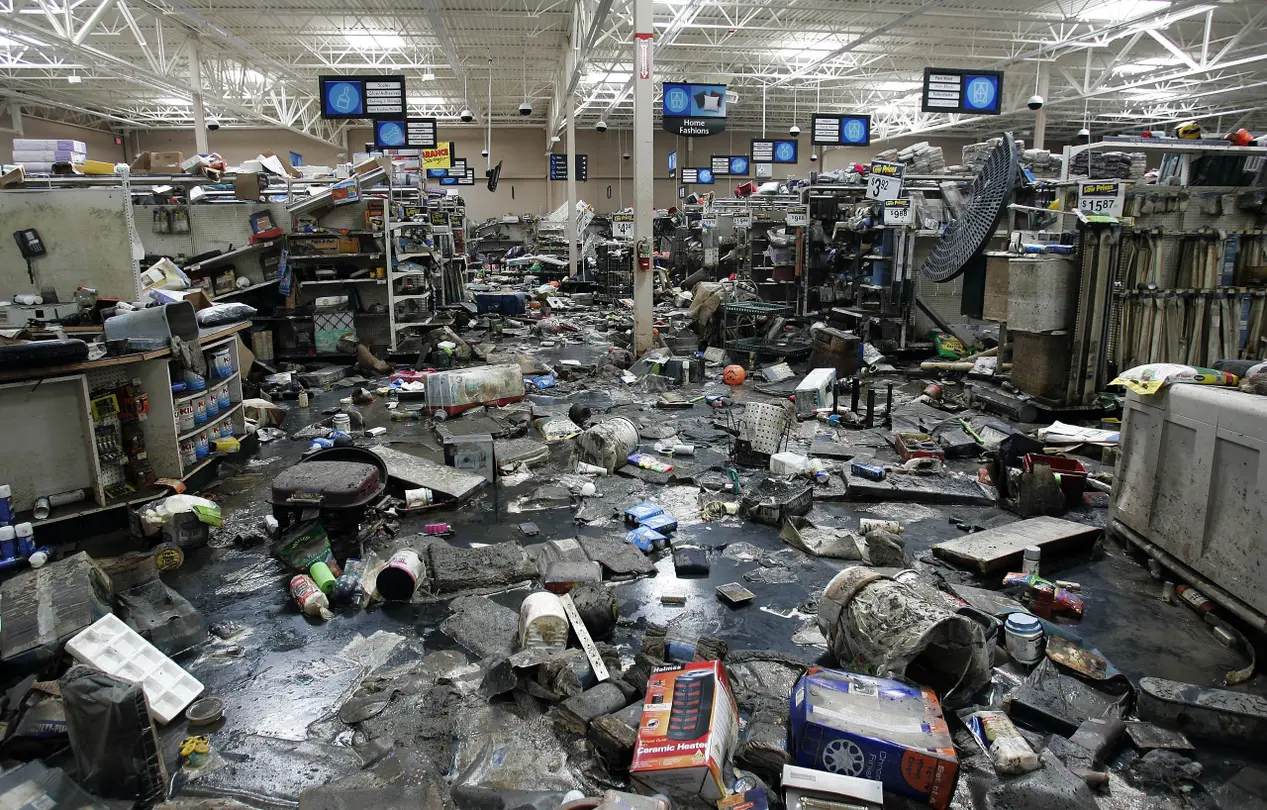
EF-3 tornado damage — the level that produces significant structural damage to engineered commercial buildings — requires a different process entirely. The visible roof damage is often the least of the structural concerns. Structural deck uplift, joist connection failure, and parapet wall collapse change the scope from a roofing project into a coordinated structural and roofing assessment.
What we do: walk the roof in post-tornado conditions, document roof-level damage in a format that supports both insurance documentation and structural engineering coordination, and scope the roofing portion of the repair or replacement with a written recommendation that the building owner and their structural engineer can both use.
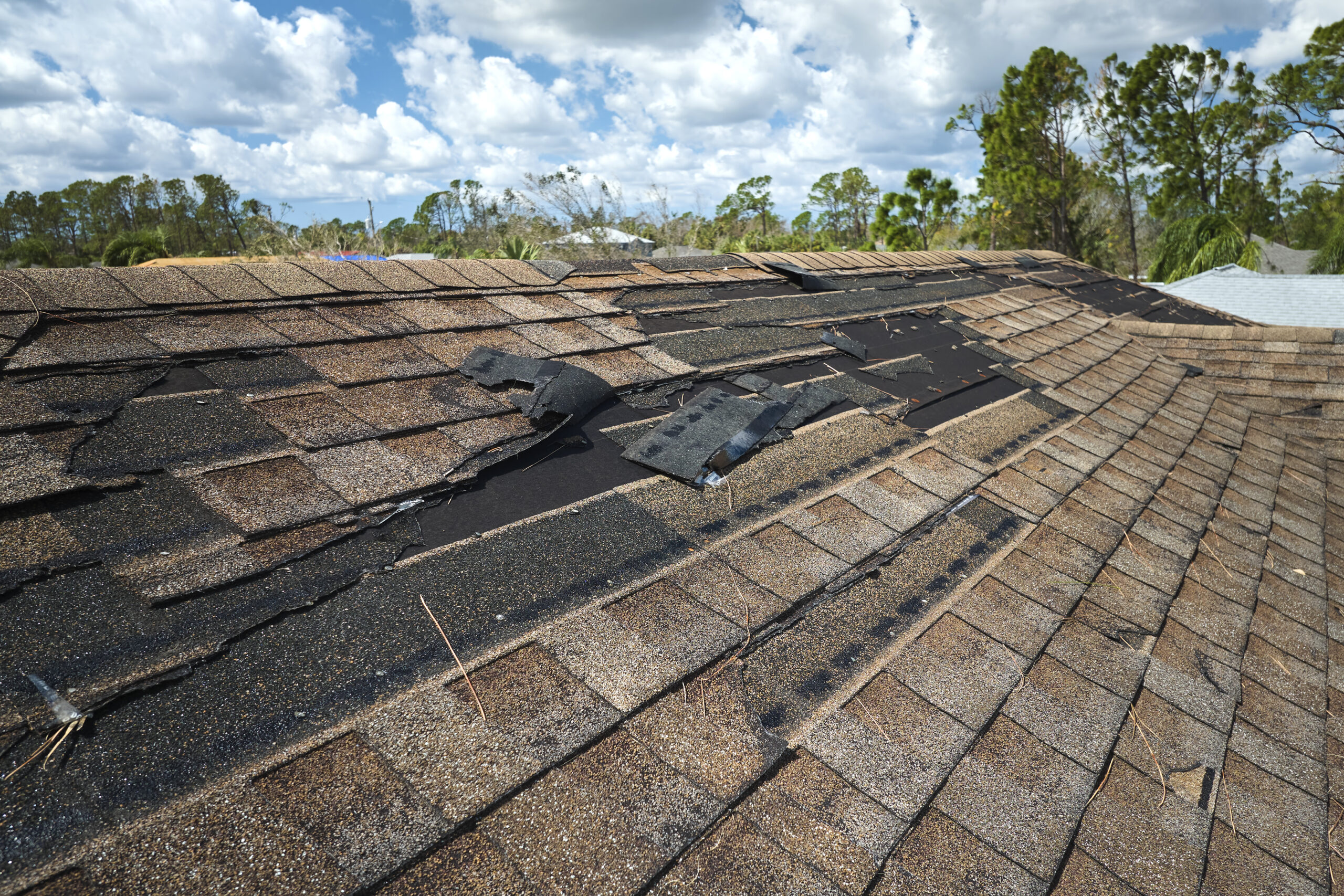
Tornado-path damage has a rotational signature that straight-line wind damage does not. Membrane pull-off on a tornado-path building follows the vortex: leading-edge pull-off on one side of the building, mid-roof billowing and tear-back on another, debris impact patterns that angle across the field in directions inconsistent with any single wind vector. Documenting that rotational signature is part of establishing that the damage is tornado-path damage rather than straight-line wind damage — a distinction that can matter for claim attribution and for FEMA documentation if the event produces a federal disaster declaration.
Structural deck damage from tornado-class wind loads presents as deck panel uplift at the connection points, elongated fastener holes at the perimeter joist connections, and in severe cases, deck panel separation at side laps. This damage is not visible until the membrane is lifted and the deck is exposed. We identify deck damage risk zones during the initial walk — areas where the membrane pattern suggests uplift-level load — and we scope deck inspection ports before finalizing the replacement scope.
Parapet wall damage deserves its own inspection sequence. Parapets that were racked or partially displaced by a tornado may look intact from the roof surface while being structurally disconnected from the building's structural frame at the base. A roof replacement on a compromised parapet produces a flashing system that cannot perform — and eventually, a liability problem. We note parapet condition separately in every post-tornado roof scope.
EF-0 and EF-1 tornado damage on commercial flat roofs is typically limited to membrane: perimeter pull-off, edge metal displacement, flashing cap loss, and roof-mounted equipment displacement. The deck is generally intact. Scope is repair or partial replacement of the
EF-2 tornado damage on commercial flat roofs often produces partial deck damage in the core track and full membrane damage across the affected zones. Scope is typically full replacement of the affected roof area with deck inspection and repair at compromised zones. Structural engineering review is recommended before finalizing the deck scope.
EF-3 and above on a commercial building requires structural engineering review before any roof scope work begins. The roofing scope is secondary to confirming structural integrity of the deck-to-joist connections, the joist-to-beam connections, and the building's lateral load path. We coordinate with structural engineers on these projects and scope the roofing work to follow structural clearance.