Fire damage to a commercial roof is almost never limited to what burned. Heat damage, water damage from suppression, and structural compromise from the event itself all need to be scoped before the repair sequence can be determined.
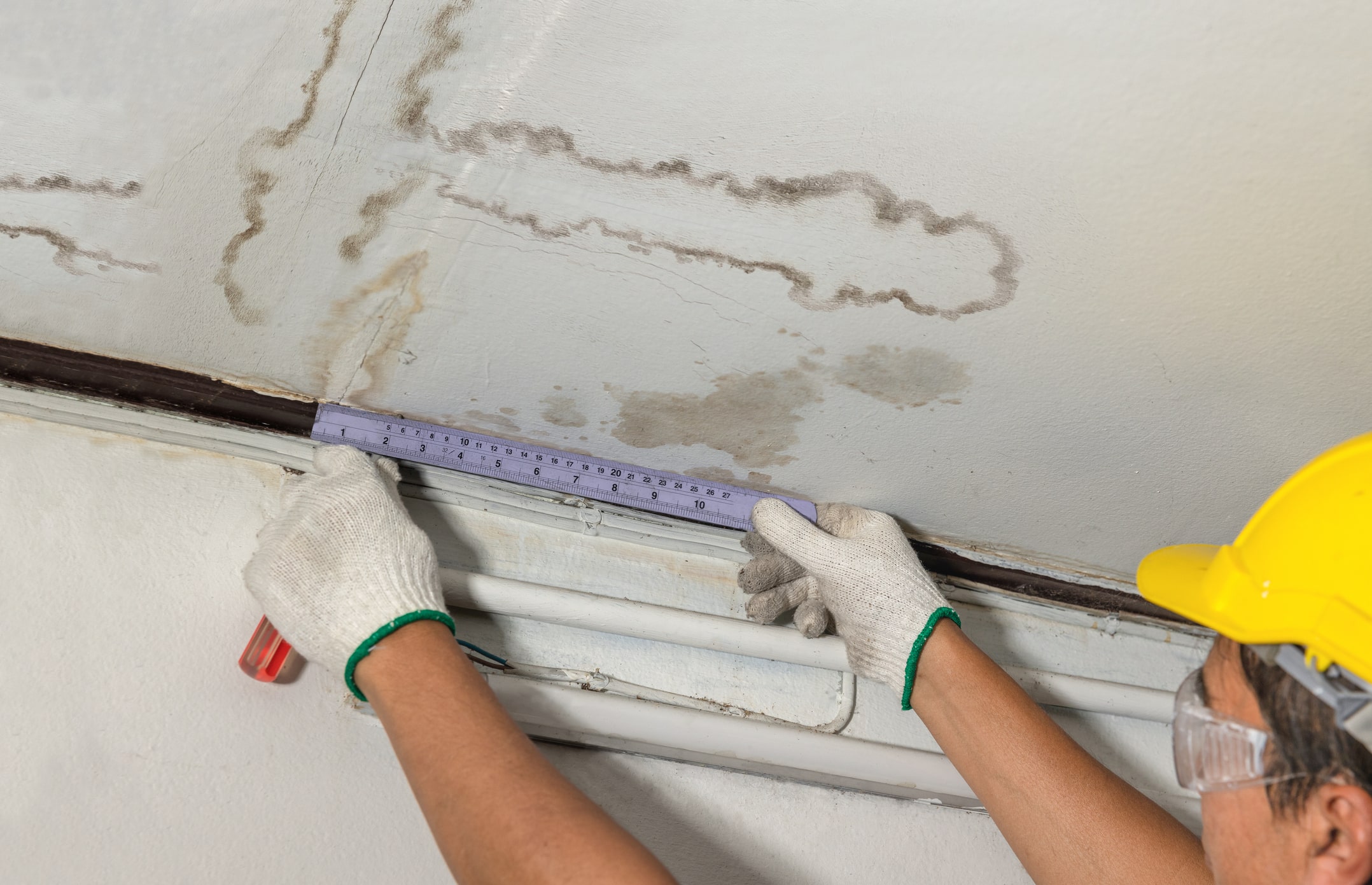
Post-fire roof scoping is different from post-storm scoping in one critical way: the damage sequence runs from the roof surface downward from the fire, and from the roof surface downward from the suppression water simultaneously. The fire damages the membrane, deck, and structural members above the fire. The suppression water infiltrates through every fire-compromised opening and through every existing seam and penetration that the water pressure finds. The scope has to address both.
The three common fire scenarios on Dallas commercial buildings are rooftop equipment fires — HVAC units, exhaust systems, and electrical conduit runs that ignite from mechanical or electrical failure — lightning strikes that ignite the membrane or penetrate the deck and ignite insulation below, and adjacent structure fires where radiant heat or direct flame contact damages the roof of a neighboring building. Each scenario produces a different damage pattern and a different documentation approach.
HVAC unit fires on Dallas commercial buildings are more common than most building owners expect. Compressor failures, refrigerant line breaches, and electrical panel fires in rooftop units can produce enough heat to ignite the TPO or EPDM membrane at the curb flashing within minutes. The fire typically burns outward from the unit in a radial pattern, damaging the membrane in a zone that correlates with wind direction during the fire event.
The scope after a rooftop equipment fire includes the burned membrane zone (replacement out to clean, undamaged membrane), the curb flashing (typically full replacement), the decking under the burn zone (inspection through the roof opening created by removing the damaged membrane, with replacement if the deck is heat-compromised), and any underlying insulation in the burn zone.
Insurance documentation for equipment fire damage includes the zone diagram of the burn pattern, photographs of the burn perimeter and the deck condition beneath, the rooftop unit's position relative to the damage zone, and the repair scope with quantities.
Lightning strikes on Dallas commercial roofs produce three types of damage: direct membrane penetration at the strike point, heat damage radiating outward from the strike in the top membrane layer, and — in strikes that penetrate the deck — combustion damage in the insulation and possibly the structural framing below. Dallas's location in a high-lightning-frequency zone makes lightning strikes on large flat-roof commercial buildings a real occurrence, not a theoretical risk.
The strike point is usually visible: a hole or split in the membrane with charring at the edges, radiating outward in a pattern that narrows toward the center. We probe the deck at the strike point and in the surrounding zone for thermal damage and structural compromise. Strikes that penetrated the deck require structural engineering review before the repair scope is finalized. Strikes limited to the membrane surface are typically a targeted membrane and insulation replacement at the strike zone.
The deck replacement decision after a fire is the most consequential decision in the post-fire scope. Metal deck that has been directly exposed to fire, or that shows significant heat discoloration (blue-black heat treatment marks on steel), has compromised structural properties that cannot be restored. Deck that was shielded from direct fire contact by insulation, or that was exposed only to suppression water, may be structurally sound even if visually affected.
We document deck condition at every location we can access through the fire-damaged membrane zones. We photograph heat treatment marks, measure any visible deflection, probe for section loss from fire-exposure corrosion, and note any evidence of fastener failure at deck-to-joist connections in the fire zone. Where the deck condition is ambiguous — heat damage that may or may not compromise structural capacity — we recommend a structural engineering review before proceeding with replacement.