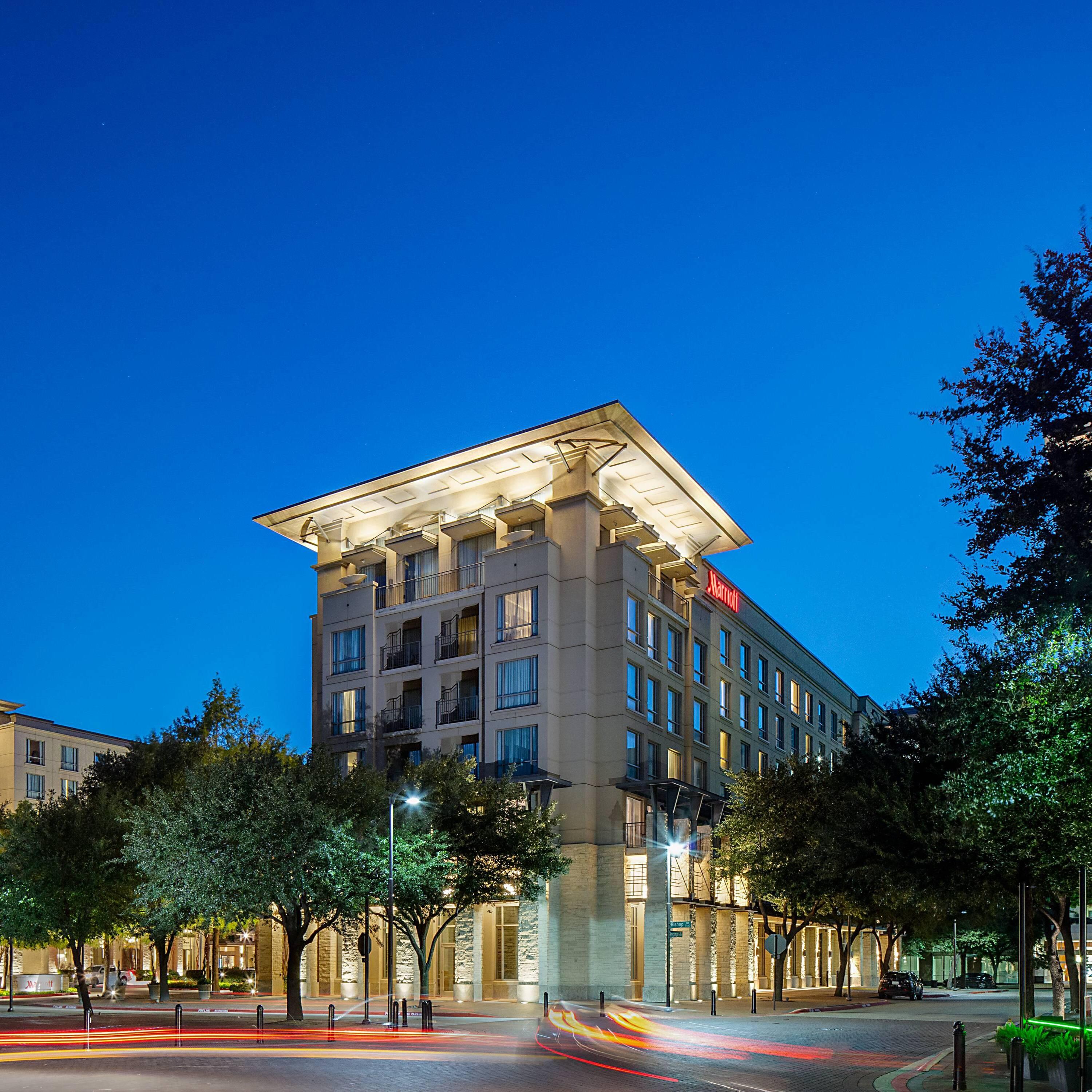
Commercial roofing in Las Colinas should begin with a documented assessment of membrane condition, seams, flashings, drainage, penetrations, and moisture before repair, coating, or replacement is selected. Las Colinas is the densest concentration of Class A commercial square footage in the mid-cities corridor — Williams Square, ExxonMobil, the canal-front mixed-use buildings, Toyota Music Factory, and multi-story corporate office towers built between 1980 and 2008. This is active reroof territory.
Las Colinas is technically within Irving's city limits, but it operates as a distinct commercial submarket — planned, managed, and branded as its own entity by the Las Colinas Association since the 1970s. The Mandalay Canal at the center of the Urban Center, the Mustang sculpture at Williams Square, the O'Connor Boulevard office spine — these are the recognizable landmarks of a corporate environment that attracted Celanese, Kimberly-Clark, and ExxonMobil when the development was in its early phases and has continued attracting major tenants through the current decade.
Toyota Music Factory, which opened in and SH-114, represents the most recent major addition to the Las Colinas footprint and signals the development's continued evolution toward mixed entertainment and hospitality use alongside its corporate office core. The venue complex and its surrounding hotel and retail buildings are relatively new — in first-maintenance and early-repair cycles rather than replacement territory.
The core Las Colinas office inventory from the 1990s and early 2000s is in a different position. Buildings like the original ExxonMobil campus structures, the Williams Square towers, and the canal-front office buildings are carrying 20 to 30 year old roofing systems — in some cases systems that have been recovered once and are now in second-generation territory. This is where the replacement volume is concentrated, and it's where we run the most Las Colinas-specific project work.
Williams Square (O'Connor Blvd / Williams Square Blvd): The iconic office complex with the Mustang at Mustang sculpture. Three towers built in the mid-1980s plus the associated retail and parking structures. The towers themselves are high-rise buildings with different roofing requirements than single-story commercial — parapet drainage, mechanical penthouse waterproofing, and elevator overrun structures add complexity. The lower parking and retail structures adjacent to the towers have flat or low-slope roofs in active replacement cycles.
ExxonMobil Irving campus (N MacArthur Blvd corridor): Multi-building corporate campus with a mix of office, lab, and support-function buildings. ExxonMobil's facility management team has rigorous contractor pre-qualification requirements. The campus buildings from the 1990s are in active reroof cycles; the buildings from the 2000s are in major-maintenance cycles.
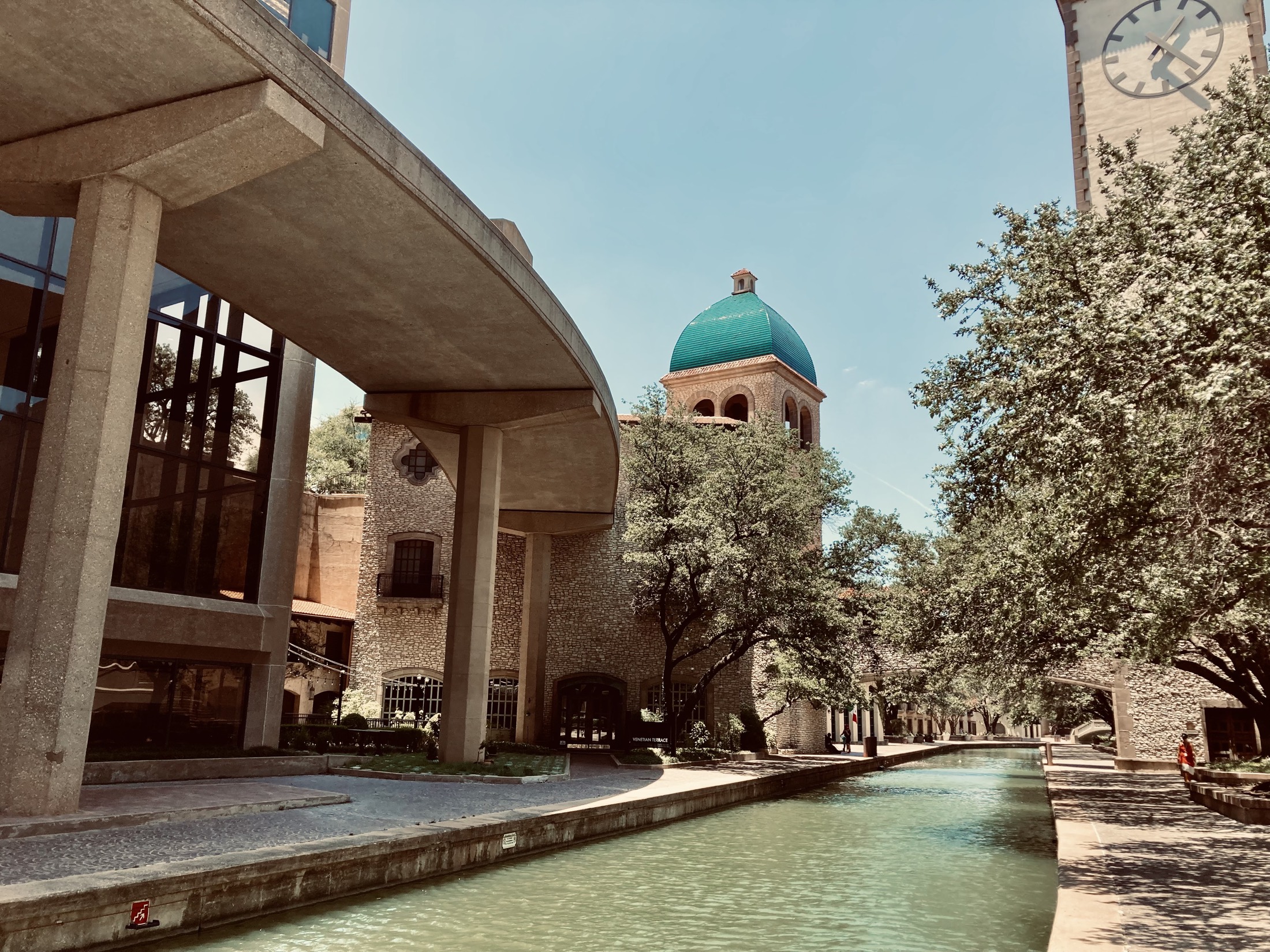
Mandalay Canal corridor (Mandalay Canal / Las Colinas Blvd): Canal-front mixed-use buildings including restaurants, retail, and hotel structures. These are architecturally distinctive buildings with non-standard roof configurations — sloped and curved roof elements in addition to flat sections. Roofing on these buildings requires coordination with the Las Colinas Association on any visible membrane or color changes.
Toyota Music Factory and surrounding entertainment district (SH-114 / Las Colinas Blvd): 2017-2022 construction, largely in first-maintenance cycles. PVC and TPO systems on the entertainment venue structures, modified bitumen on some of the parking-structure and retail roofs.
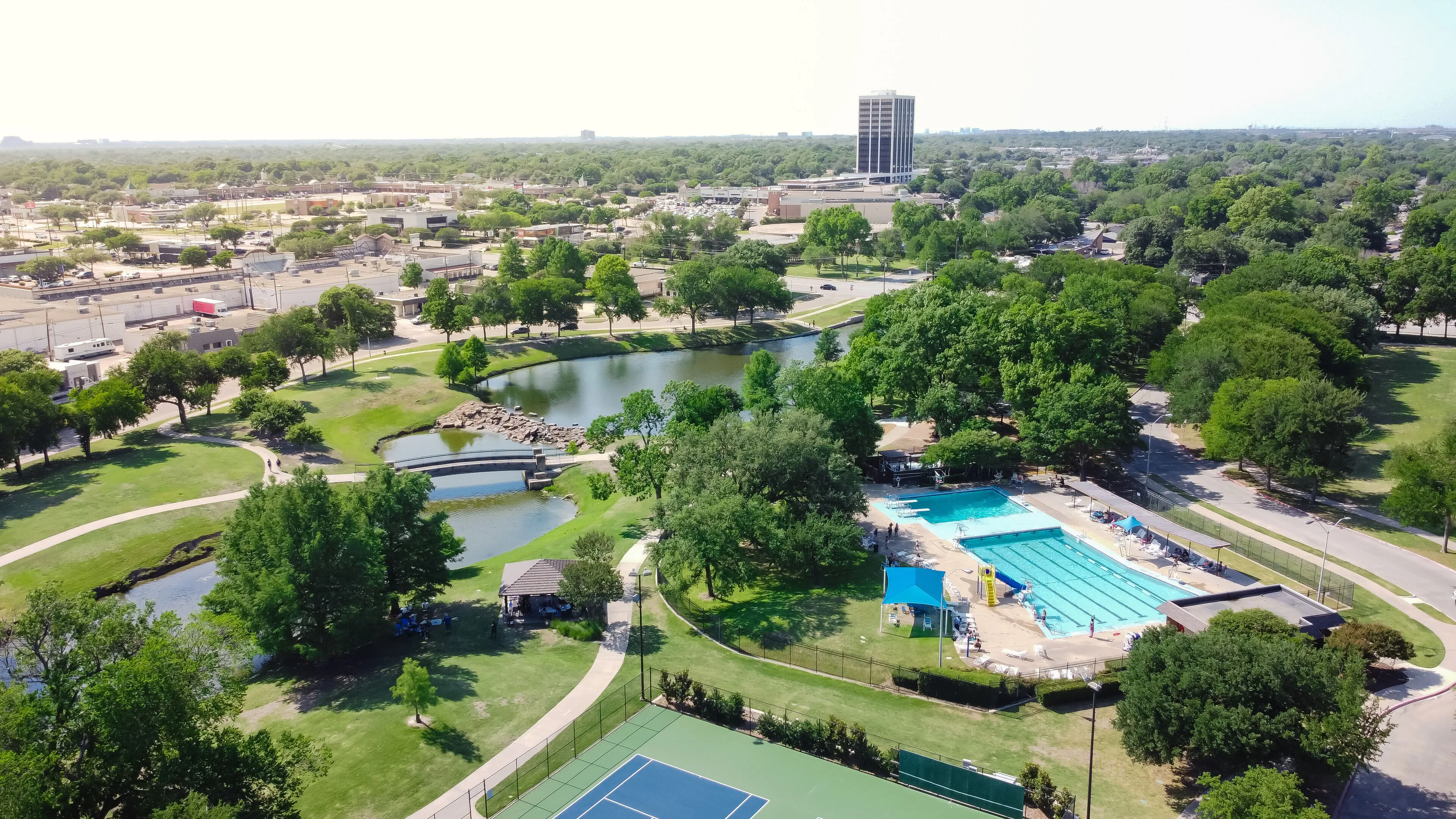
Las Colinas was developed on what was originally rolling ranch land with both Blackland Prairie clay and Cross Timbers sandy loam — the geological boundary runs approximately through the Las Colinas development from northwest to southeast. The development involved massive earthwork: grading, fill, and soil stabilization across the 12,000-acre footprint. Buildings in Las Colinas sit on engineered soil and foundation systems designed specifically for the expansive clay, which means they behave more predictably than buildings built on undisturbed Blackland clay — but foundation movement is not zero, and we still see flashing fatigue and drain settlement on 30-year-old Las Colinas buildings.
The Mandalay Canal itself creates a localized microclimate along the canal corridor: higher humidity and wind-channeling along the canal that affects roofing differently from the open-exposure buildings farther from the water. Canal-adjacent buildings see more biological growth on roofing surfaces (algae, mold) and higher moisture potential at seams and flashings than the surrounding open-exposure office buildings.