214-441-608924/7 Emergency SupportDallas, Texas Commercial Roofing

Roof System

EPDM Roof Systems Dallas — 60-mil Industrial & Legacy Building Replacement

EPDM 60-mil roof systems for Dallas industrial buildings — ballasted, mechanically attached, and fully adhered. We specialize in end-of-life 1980s-90s EPDM replacements across the Stemmons Corridor and Trinity Industrial District.

Inspect

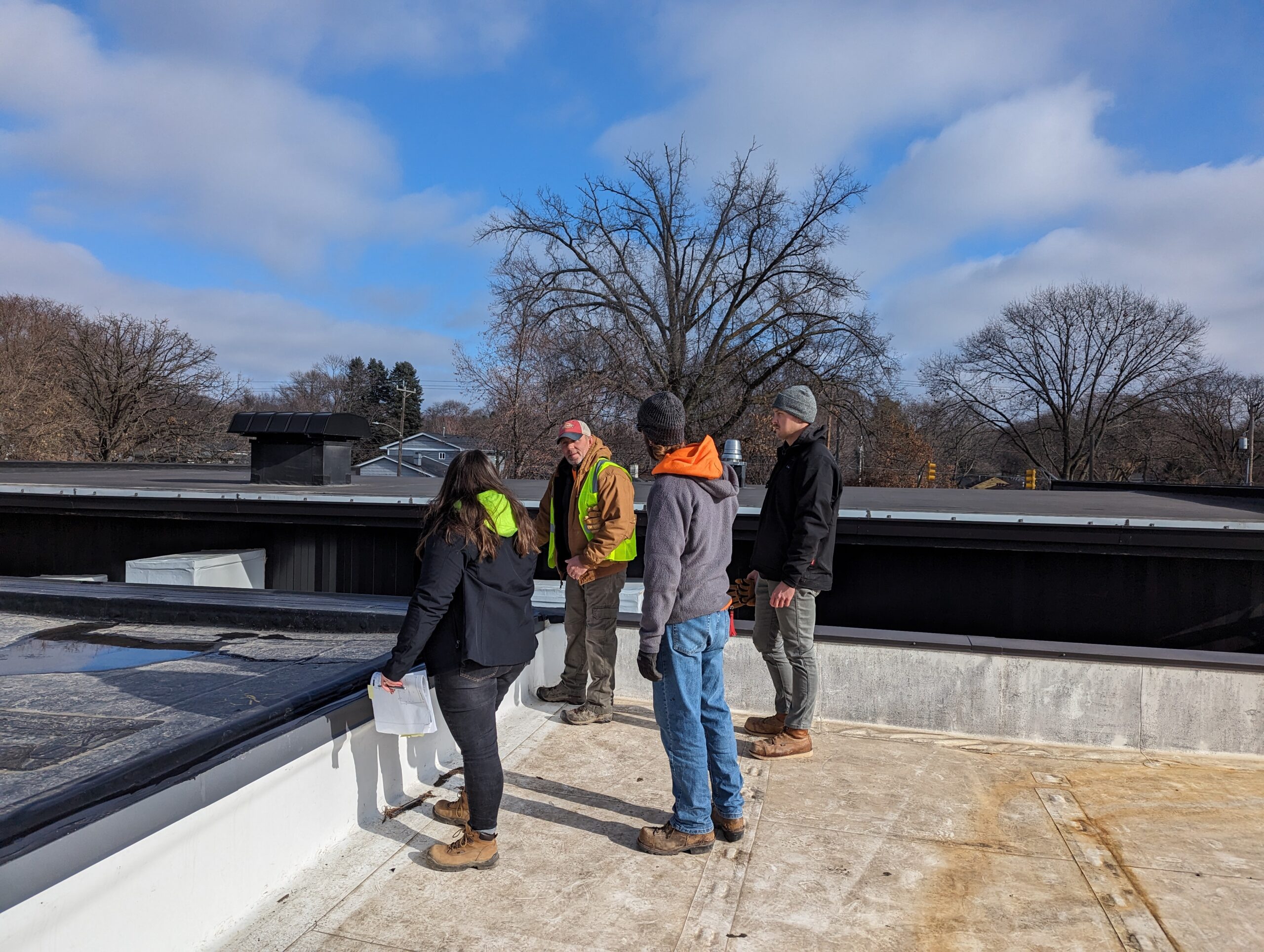
Document membrane age, drainage, access, penetrations, storm marks, and active leak points.

Scope

Choose repair, recover, coating, replacement, or maintenance from field evidence.

Maintain

Keep logs, post-storm notes, warranty closeout, and capital timing in one usable record.

EPDM has the longest proven track record of any commercial single-ply membrane. We install new 60-mil systems and replace the end-of-life 1980s-90s EPDM that covers a substantial portion of Dallas's industrial inventory — including the Stemmons and Trinity Corridor warehouses that are hitting replacement age right now.

EPDM (ethylene propylene diene monomer) has been installed on Dallas commercial roofs since the early 1980s. The distribution centers and industrial buildings along Stemmons Freeway, Harry Hines, and the Trinity Industrial District that were built in that era frequently carry original ballasted EPDM — and those systems are now 35 to 45 years old and at or past end of life.

That aging install base is where most of our EPDM work comes from. An original ballasted EPDM system from 1985 that has been maintained adequately may still be holding water — EPDM is exceptionally durable — but it has no warranty, no documentation, and no remaining serviceable life from a capital planning standpoint. Building owners who are refinancing, selling, or reporting to investors need a documented current roof, not a 40-year-old membrane with handwritten repair receipts.

We also install new EPDM on buildings where the membrane's properties are the best fit: industrial environments with heavy mechanical rooftop traffic, buildings adjacent to chemical processing that expose the membrane to oils and solvents (EPDM handles most petroleum-based exposures better than TPO), and buildings where ballasted attachment is actually appropriate for the structural capacity and building use.

The Trinity Industrial District, the Stemmons Corridor south of Market Center, and the older industrial zones along Harry Hines Boulevard were built out heavily between 1978 and 1998. Most of these buildings received ballasted EPDM roofs — loose-laid 45-mil or 60-mil membrane with 10-12 lbs per square foot of river-wash stone ballast. That stone is still sitting on top of a lot of those roofs.

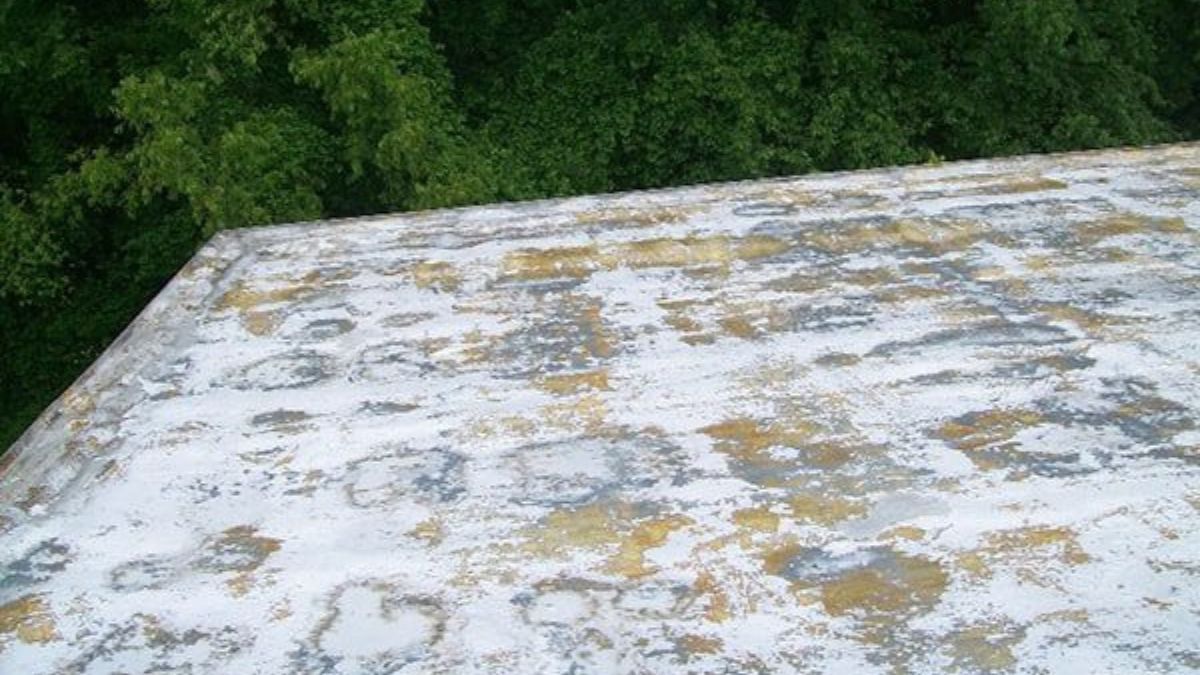
When we inspect these systems, the common findings are: EPDM membrane that has passed its oxidation date and is brittle at seams and flashings, ballast that has been redistributed by decades of wind and foot traffic (leaving some areas thin), drains that are partially buried under shifted stone, and parapet flashings that have lost their bond and are open at the termination bar. The honest assessment is usually full replacement — the membrane cannot be reliably patched, and a new recover system over wet or degraded ballasted EPDM produces a warranty that most manufacturers will not support.

Ballasted EPDM is what we are mostly removing on Dallas legacy buildings, not installing new. The system is simple: loose-laid membrane weighted down by stone. But the structural load (10-12 psf) rules out most modern buildings, and the stone makes future repairs, inspections, and eventual replacement more expensive. When we do spec ballasted on new work, it is for specific buildings — older construction with existing structural capacity, low foot-traffic industrial, and situations where the building's use prevents deck penetrations.

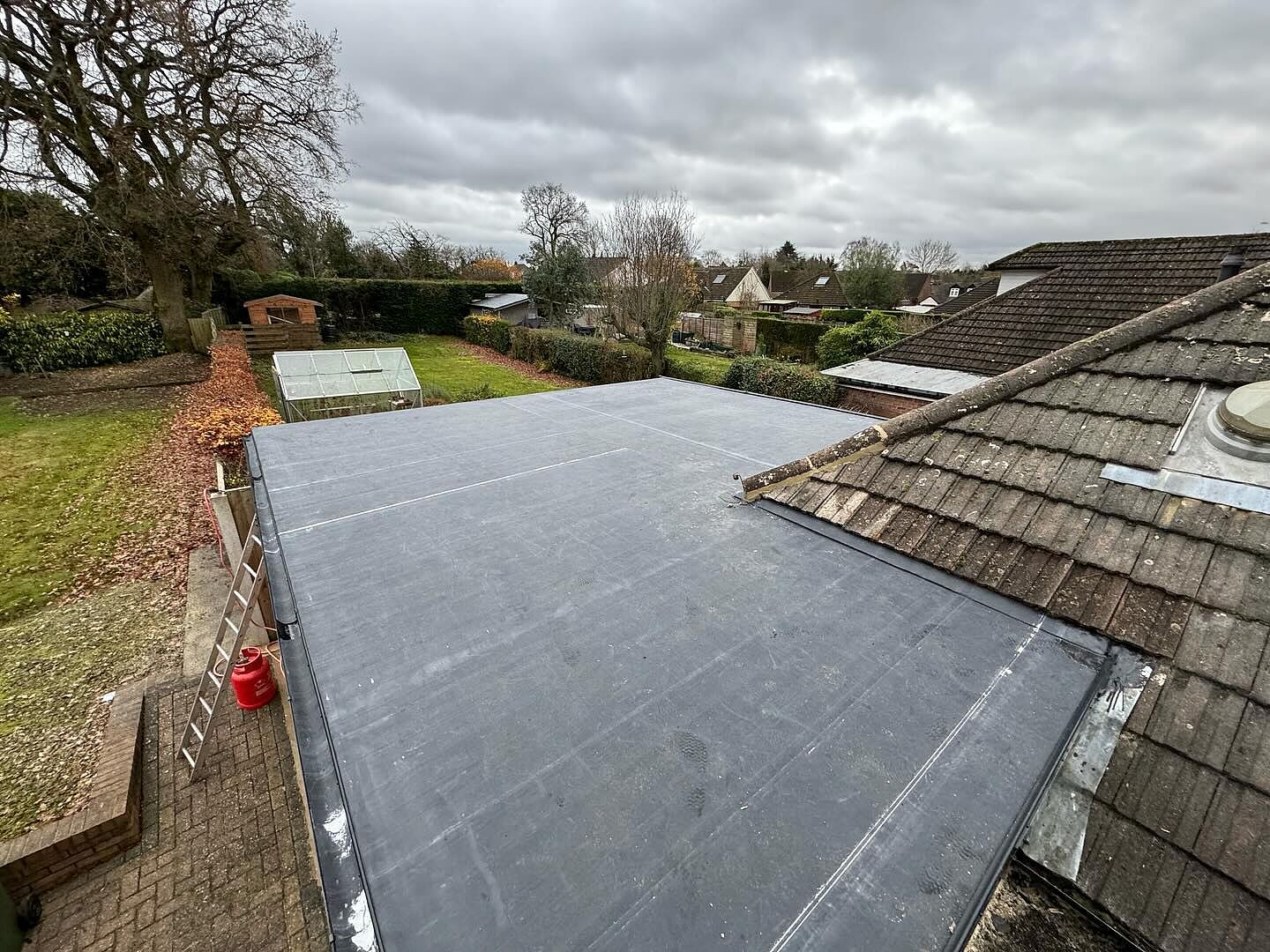
Mechanically attached EPDM uses a system of plates, fasteners, and battens that secure the membrane to the deck. We use this for most new EPDM installs in Dallas where wind-uplift requirements are modest and the project budget is cost-sensitive. The system installs quickly and produces a clean, consistent attachment pattern.

Fully adhered EPDM bonds the membrane to the substrate with contact adhesive or a water-based bonding adhesive. This is our preference on reroofs over existing cover board where we need the cleanest detail at penetrations and parapets — the adhered system eliminates the flutter that mechanically attached EPDM can develop over time in Dallas wind events.

We install both, and we recommend based on the building, not on stock position. EPDM's advantages in Dallas industrial applications: better elongation at low temperatures (relevant during December-January cold snaps), better resistance to petroleum-based chemical exposure, and a proven 30+ year performance record on the install base we inspect daily. Its disadvantages: black EPDM absorbs heat aggressively (white EPDM and fleece-back systems address this but at higher cost), and seaming technology has historically been less robust than TPO's heat-weld — modern EPDM tape and liquid-applied seam adhesive has improved this substantially.
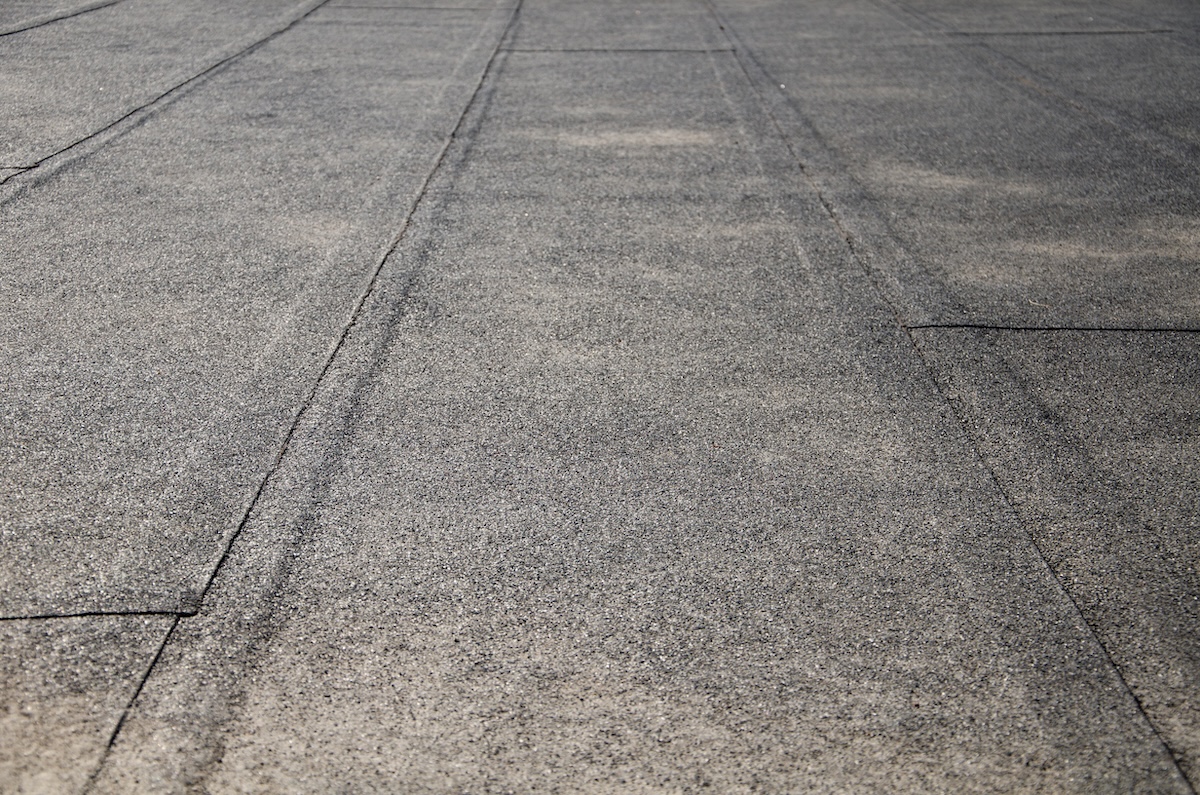
Roof System

Questions we answer before work starts.

My 1989 Dallas warehouse has original ballasted EPDM. Is replacement urgent?

Not necessarily urgent in an emergency sense — well-maintained ballasted EPDM from that era can still hold water. But a 35-year-old system with no warranty, no documentation, and no remaining serviceable life from an asset management perspective is a liability. We do a full inspection with core pulls, drain assessment, and parapet walk, then give you a written condition assessment with a recommended replacement timeline and budget range. Most owners in that situation find the data useful for capital planning and lender documentation.

Can EPDM be installed over an existing roof?

Yes, with the same conditions that apply to any recover: the existing insulation must be dry, the deck must be sound, and the existing system must be compatible with the new assembly. Ballasted EPDM recovers require ballast removal before the new system goes on — that is a cost and schedule item that needs to be in the project scope. We include ballast-removal sequencing in every ballasted-recover scope we write.

Does EPDM hold up to Dallas hail?

EPDM's rubber composition gives it better hail resistance than rigid membranes, but large stones still cause damage. The 2023 hail event that produced 2.75-inch stones in northern Dallas County dented EPDM on systems without cover boards. Our standard EPDM spec includes an HD polyiso cover board that provides meaningful impact resistance and supports FM or UL impact ratings for insurance documentation.

Roof Systems

Related Roof Systems

Roof System

Modified Bitumen Roof Systems Dallas — Torch-Down, Self-Adhered & Recovery

Modified bitumen roofing for Dallas downtown legacy buildings — torch-down and self-adhered systems, recover analysis, and honest guidance on when mod-bit makes sense versus single-ply conversion.

Roof System

Built-Up Roof (BUR) Systems Dallas — Legacy Building Assessment & Replacement

Built-up roofing assessment and replacement for Dallas's aging downtown and mid-rise buildings. We inspect legacy 1960s-80s coal-tar and asphalt BUR systems and give honest guidance on when full replacement is the only viable scope.

Roof System

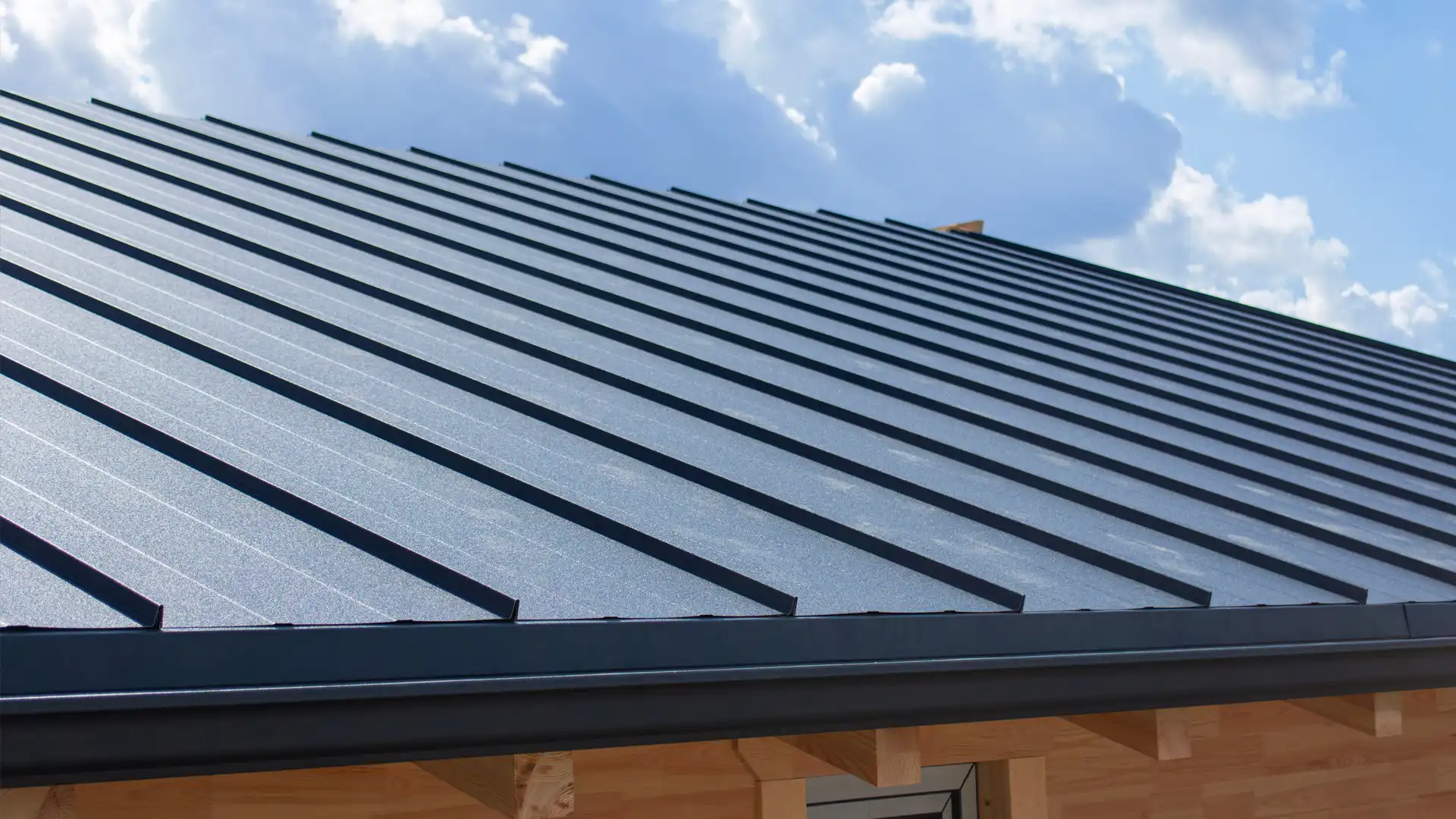
Standing Seam Metal Roof Systems Dallas — Architectural & Commercial Install

Standing seam metal roof installation for Dallas commercial buildings — religious facilities, schools, Bishop Arts redevelopment, and institutional buildings. Galvalume and Kynar-painted panel systems.

Roof System

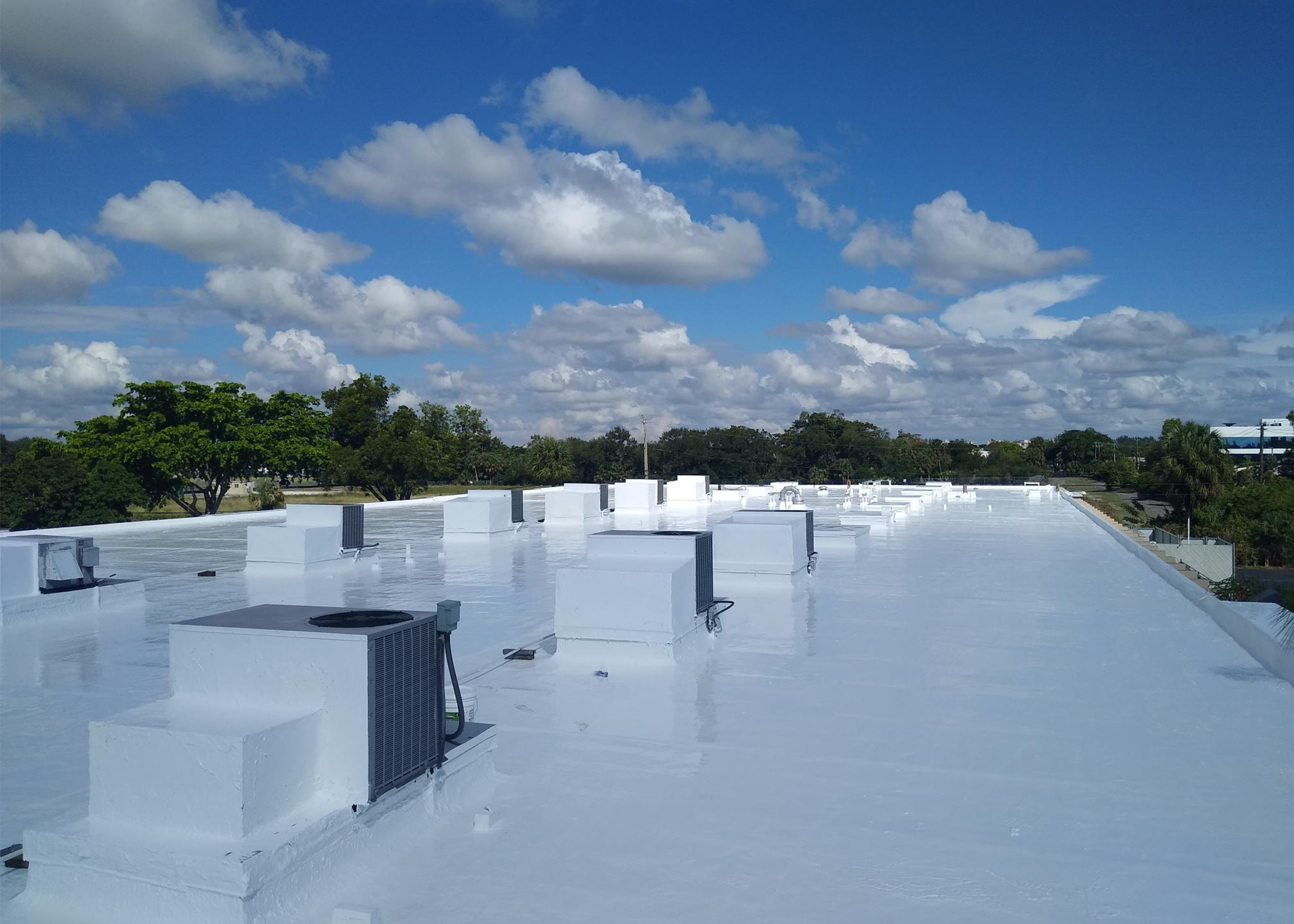
Silicone Roof Coating Systems Dallas — Fluid-Applied Recover & Warranty

Fluid-applied silicone coating systems for Dallas commercial roofs — 20 to 30 mil dry film thickness, 10/15/20-year manufacturer warranties, and substrate-prep protocols that determine whether the warranty holds.

Roof System

Spray Polyurethane Foam (SPF) Roof Systems Dallas — Industrial Recover

Spray polyurethane foam roofing for Dallas industrial buildings — closed-cell density, UV-protective elastomeric coating, and recover-only application over qualifying substrates.

Roof Service

Commercial Roof Preventive Maintenance Program in Dallas, TX

Commercial Roof Preventive Maintenance Program in Dallas, TX — commercial roofing assessment, documentation, and program management for TX property owners.

Roof Service

Single-Ply Roofing — Mechanical Attach, Fully Adhered, or Ballasted in Dallas, TX

Single-ply roofing for Dallas commercial buildings — mechanically attached vs. fully adhered TPO, PVC, and EPDM, with attachment method selected against your building's actual wind and use profile.

Roof Service

School and K-12 Educational Building Roofing in Dallas, TX

Commercial roofing for public and private schools, K-12 campuses, and educational facilities throughout Dallas, TX.