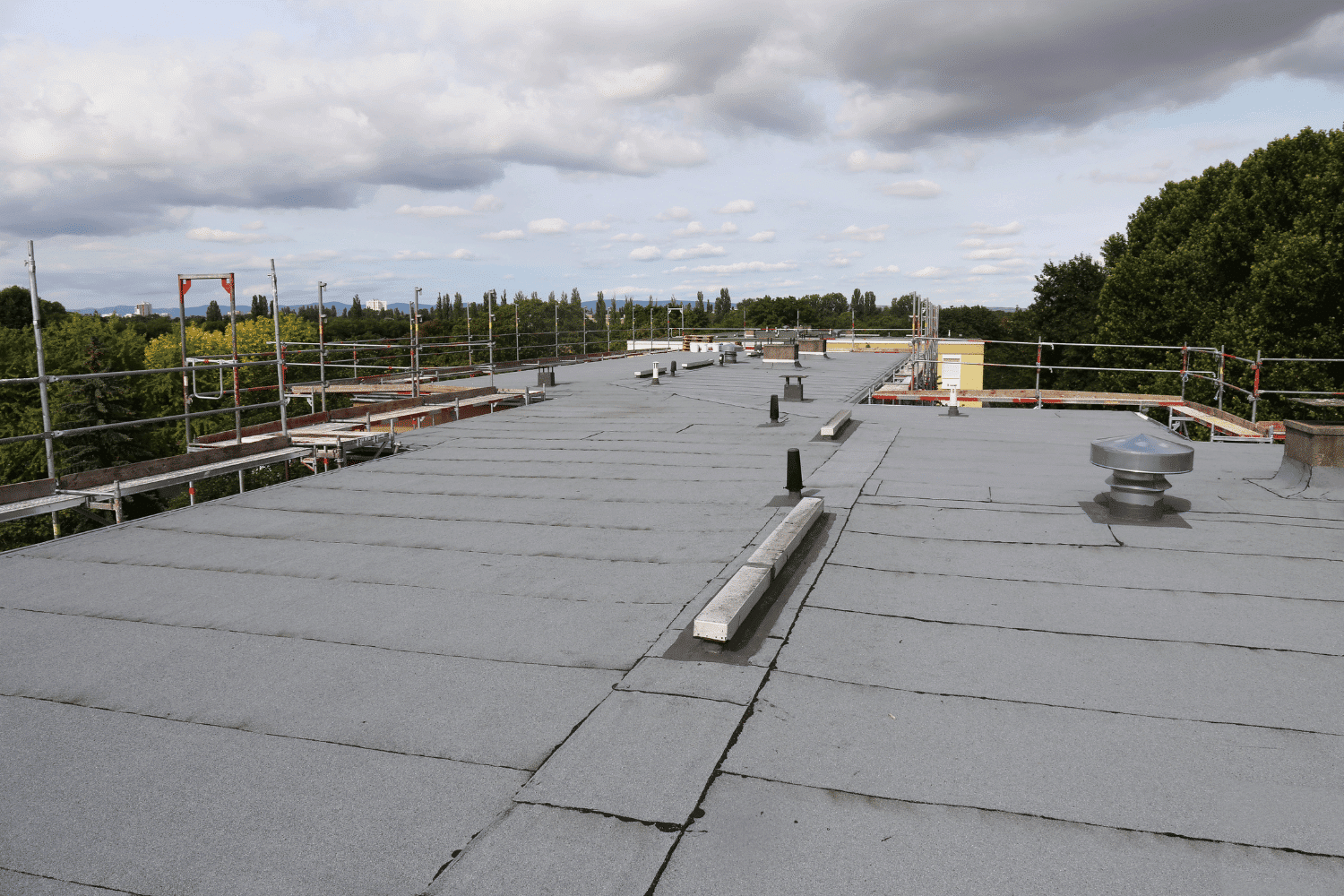
Modified bitumen covers a significant portion of Dallas's downtown and mid-rise commercial inventory. We install torch-down and self-adhered mod-bit systems, but we also tell you honestly when a single-ply conversion is the better long-term scope.
Modified bitumen — factory-modified asphalt reinforced with polyester or fiberglass mat — was the replacement for built-up roofing in Dallas commercial construction from roughly 1985 through 2005. The downtown Dallas office buildings constructed in that period, the mid-rise suburban offices along LBJ and Central Expressway, and the older Uptown commercial buildings on Oak Lawn and Cedar Springs all have significant mod-bit inventory.
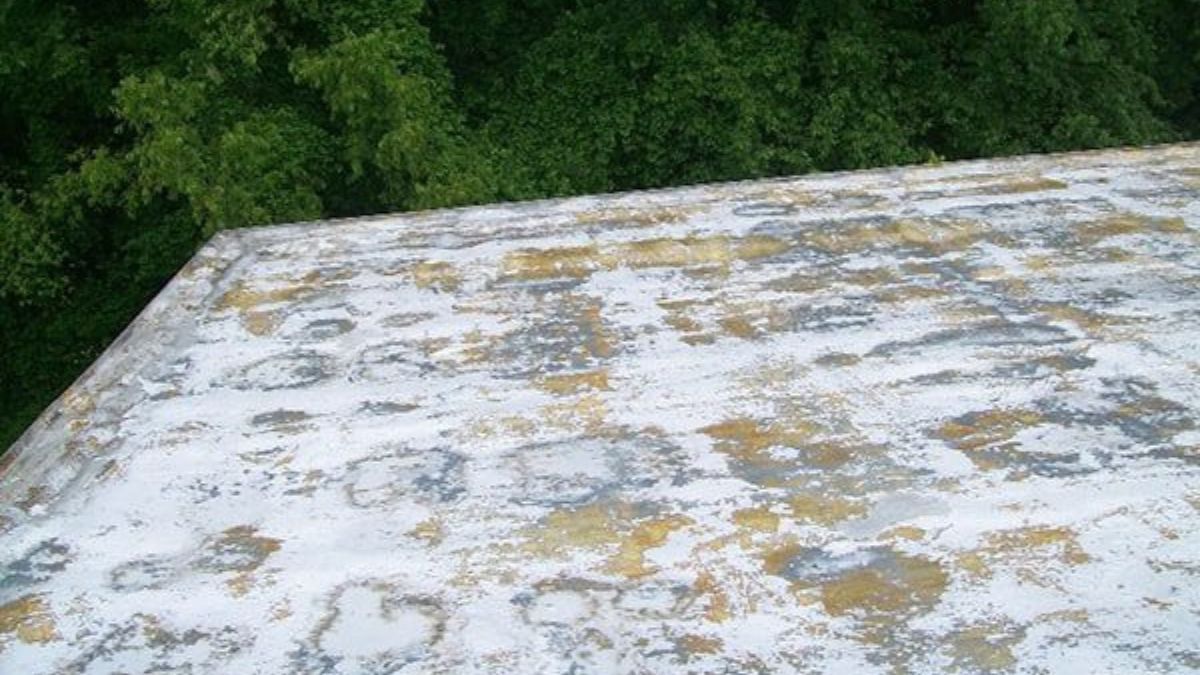
That inventory is now at various stages of its lifecycle. A mod-bit system installed in 1992 with minimal maintenance is at or past end of life — the granule surface has worn, the cap sheet has oxidized, and the laps have lost their bond. The same system installed in 2002 with documented annual maintenance may have another ten years. We do a physical inspection and pull the install documentation if it exists before we recommend a direction.
The decision we get asked most often is: recover with new mod-bit or convert to TPO or EPDM? That is a cost-benefit question that depends on the building's capital horizon, the existing insulation's condition, the parapet and flashing geometry, and whether the owner wants to achieve current energy code compliance in the next reroof cycle.
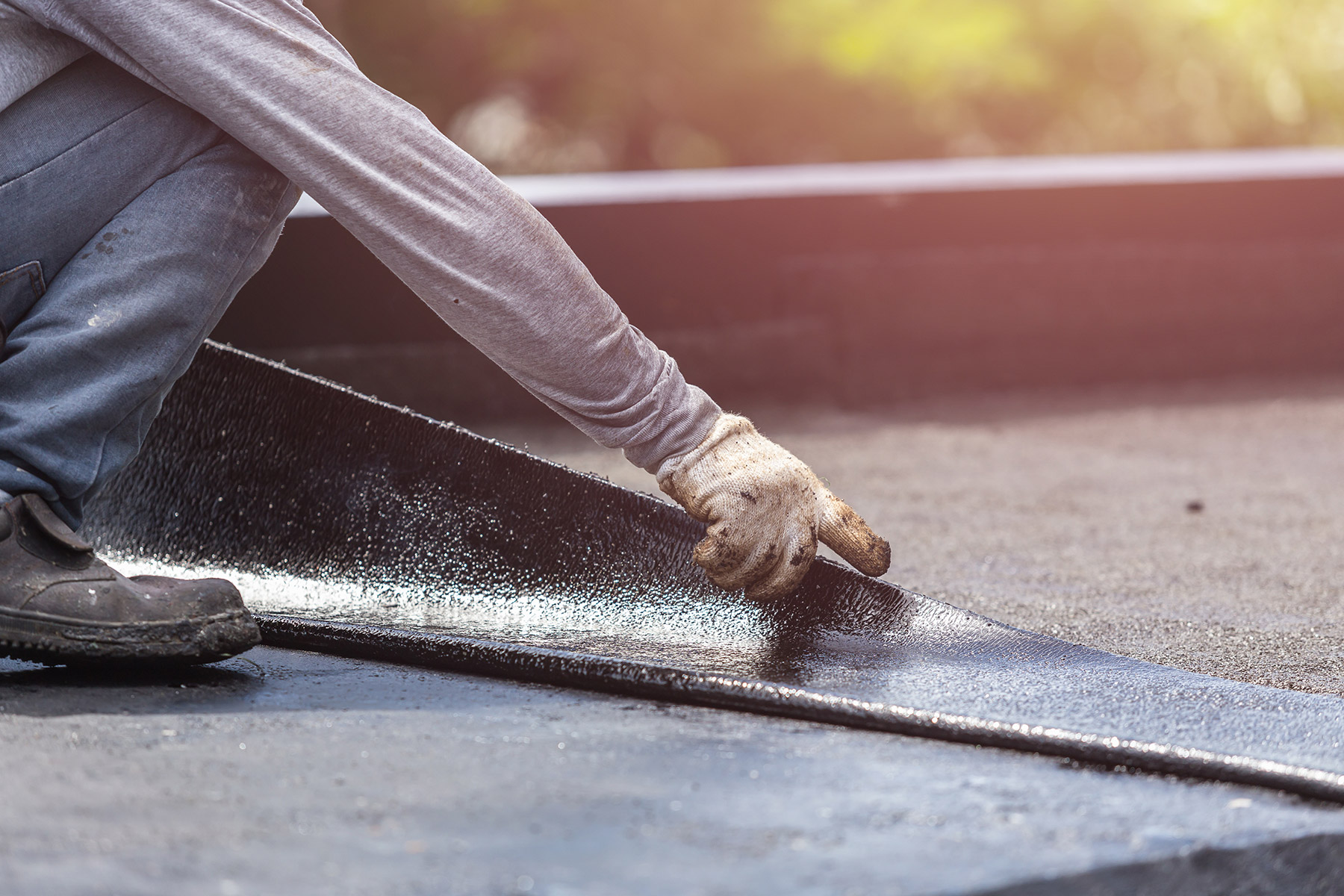
Torch-applied modified bitumen (torch-down) uses a propane torch to heat the underside of the cap sheet, activating the bitumen and bonding it to the base sheet or substrate below. It produces a robust, fully-adhered installation and has been the dominant mod-bit application method in Dallas commercial work for three decades. The limitation is open-flame risk — the City of Dallas and most major insurance carriers require a fire watch protocol during torch work, and some occupied buildings restrict torch application entirely.
Self-adhered modified bitumen uses factory-applied pressure-sensitive adhesive on the membrane underside. No open flame. The system is slower to install than torch-applied and requires careful surface preparation — any contamination or moisture on the substrate kills the adhesive bond. We use self-adhered systems on buildings where open flame is restricted (occupied hospitals, fully occupied multi-tenant buildings, buildings with flammable contents directly below the roof) and when the ambient temperature is in the reliable bonding range above 50°F.
Recover makes sense when: the existing mod-bit system's insulation is dry on core pulls, the existing deck is structurally sound, the parapet and flashing geometry does not require a full re-detail, the building owner has a 10-15 year capital horizon for the next reroof cycle, and the project does not need to achieve current energy code R-value compliance (some recover projects in Dallas get an exception from the tapered-insulation-to-slope requirement when the structural load cannot accept additional insulation).
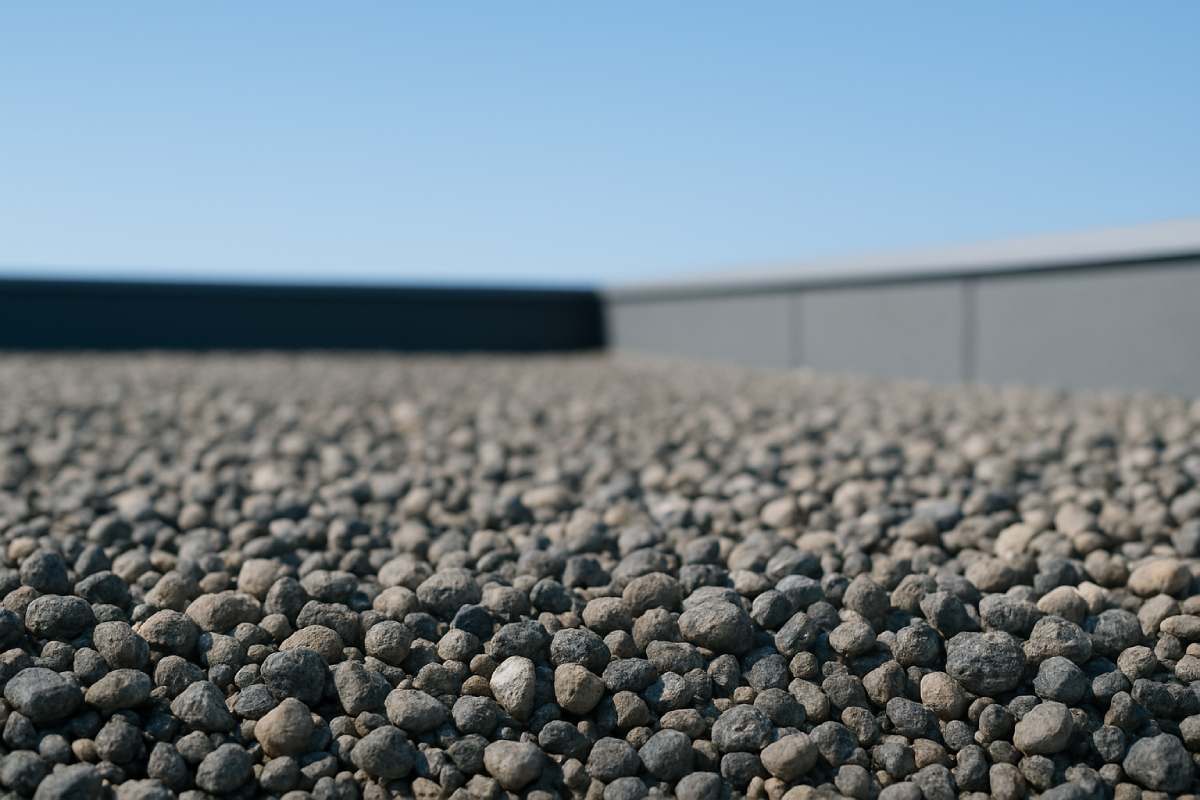
We see mod-bit recover work frequently on the older Class B office buildings in the Turtle Creek corridor and along Oak Lawn — buildings in the 8 to 20 story range where the existing aggregate-surface BUR base is sound and the owner needs another 12-15 years of watertight performance without a full capital spend. Modified bitumen cap sheet over the existing base, with new flashing details at the parapets and penetrations, is often the right scope for these buildings.
Single-ply conversion (replacement of mod-bit with TPO or EPDM) is the better scope when: the existing insulation has wet areas requiring partial or full replacement anyway, the building's energy code compliance requires a new insulation stack to current R-values, the owner wants a manufacturer NDL warranty that extends beyond what mod-bit manufacturers offer, or the building's planned refinancing or sale requires current-system documentation.
The installed cost of a TPO replacement versus a mod-bit recover on a typical Dallas Class B office building runs roughly 30-45% more for TPO replacement. That premium buys 20 years of NDL warranty, a new insulation stack to current code, and a documented system that holds up in due diligence. For buildings headed to market or refinancing within five years, the premium is usually worth it. For buildings with 15-year capital horizons in stable ownership, the recover math often wins.