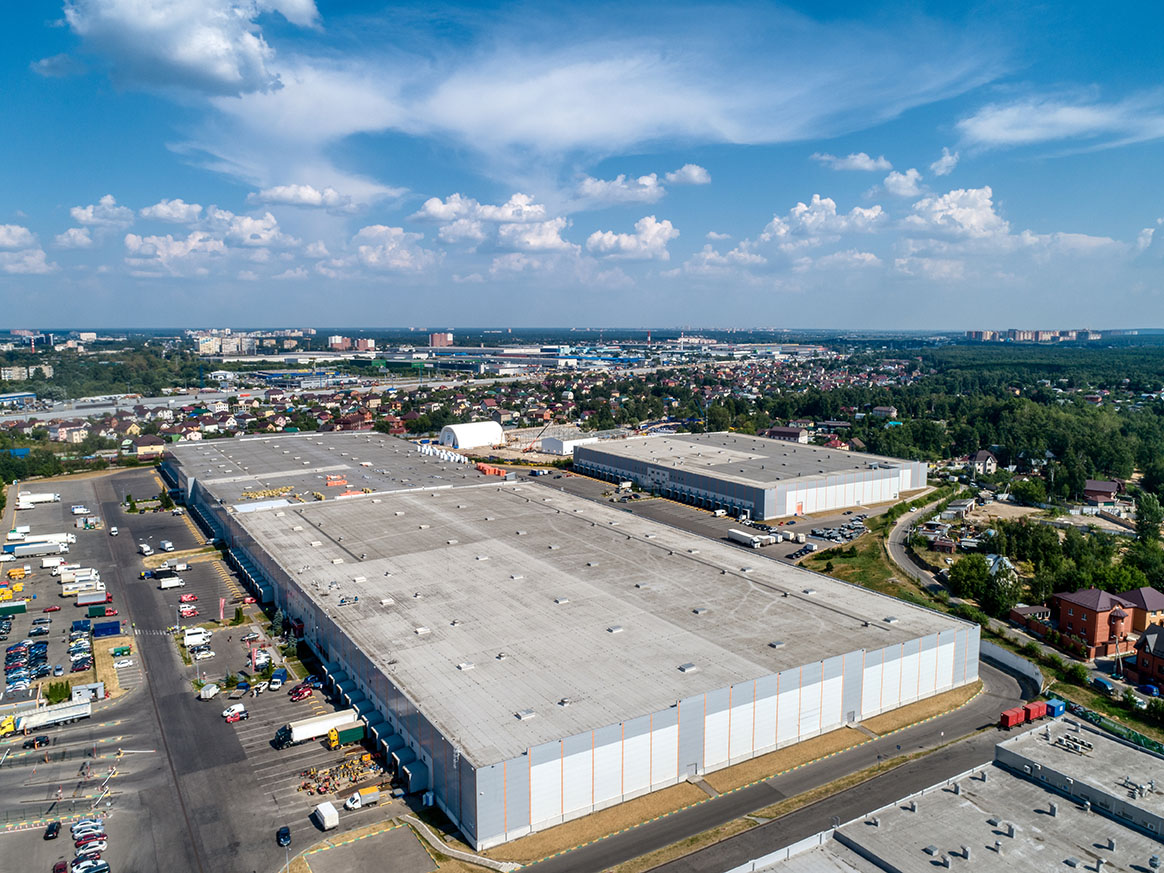
Commercial roofing for auto dealerships, car lots, service centers, and automotive facilities throughout Dallas, TX.
Park Place Dealerships operates luxury automotive franchises across the DFW metroplex, including prominent campuses in Dallas featuring showrooms for Mercedes-Benz, Lexus, and Porsche that set the standard for high-end dealership architecture in North Texas. The roofing requirements for luxury brand facilities go beyond standard commercial performance — OEM brand standards require that every visible building element project sophistication and quality, which means roofing systems, drainage details, and perimeter metal must be installed to a level of finish that matches the customer experience inside the showroom. In Dallas's hail-intensive climate, maintaining that level of quality after storm seasons requires both the right initial specification and a proactive maintenance relationship.
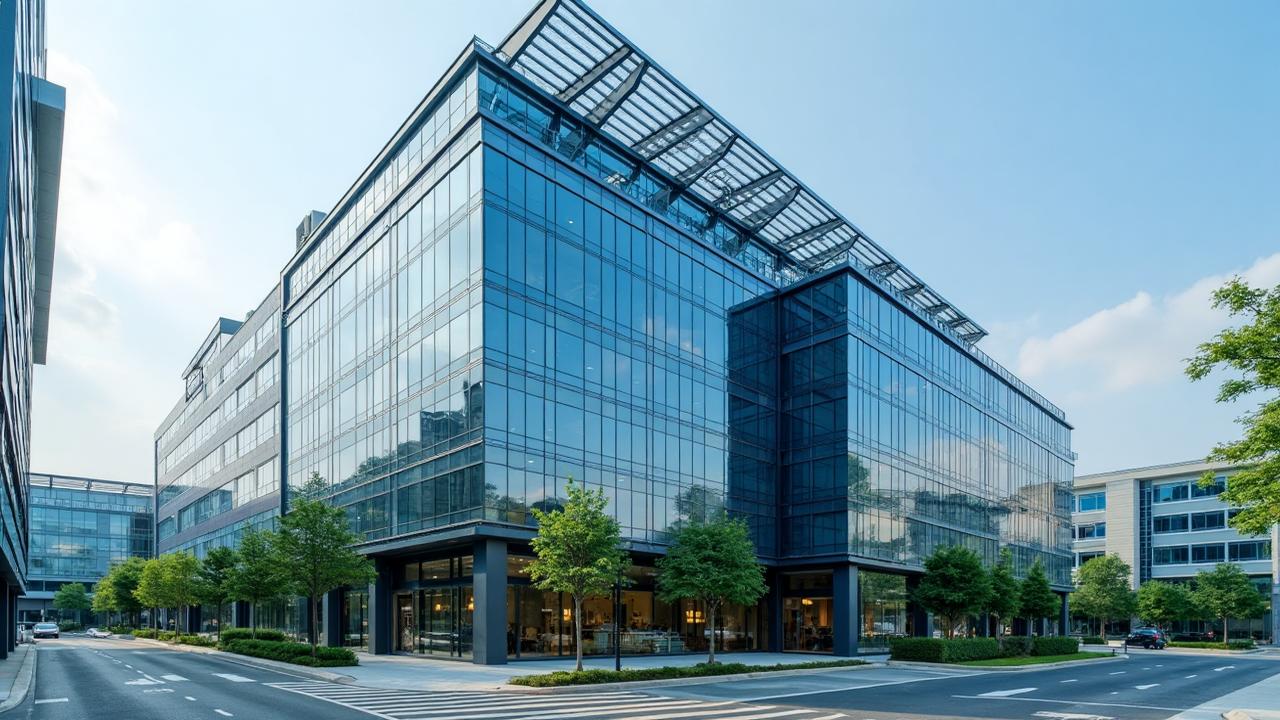
Showroom roofing at Dallas luxury dealerships carries specific waterproofing complexity due to the glass walls and clerestory windows that define high-end automotive retail architecture. The transitions between glass curtain wall systems and adjacent roof sections require custom flashing details executed with precision — a minor gap or improper sealant at these transitions can direct water behind the wall system and into finished interior spaces that represent millions of dollars of investment in display technology, fixtures, and flooring. The commercial roofing contractor working on luxury Dallas dealerships needs to understand not just membrane installation but the waterproofing interface between roofing systems and architectural glazing systems.
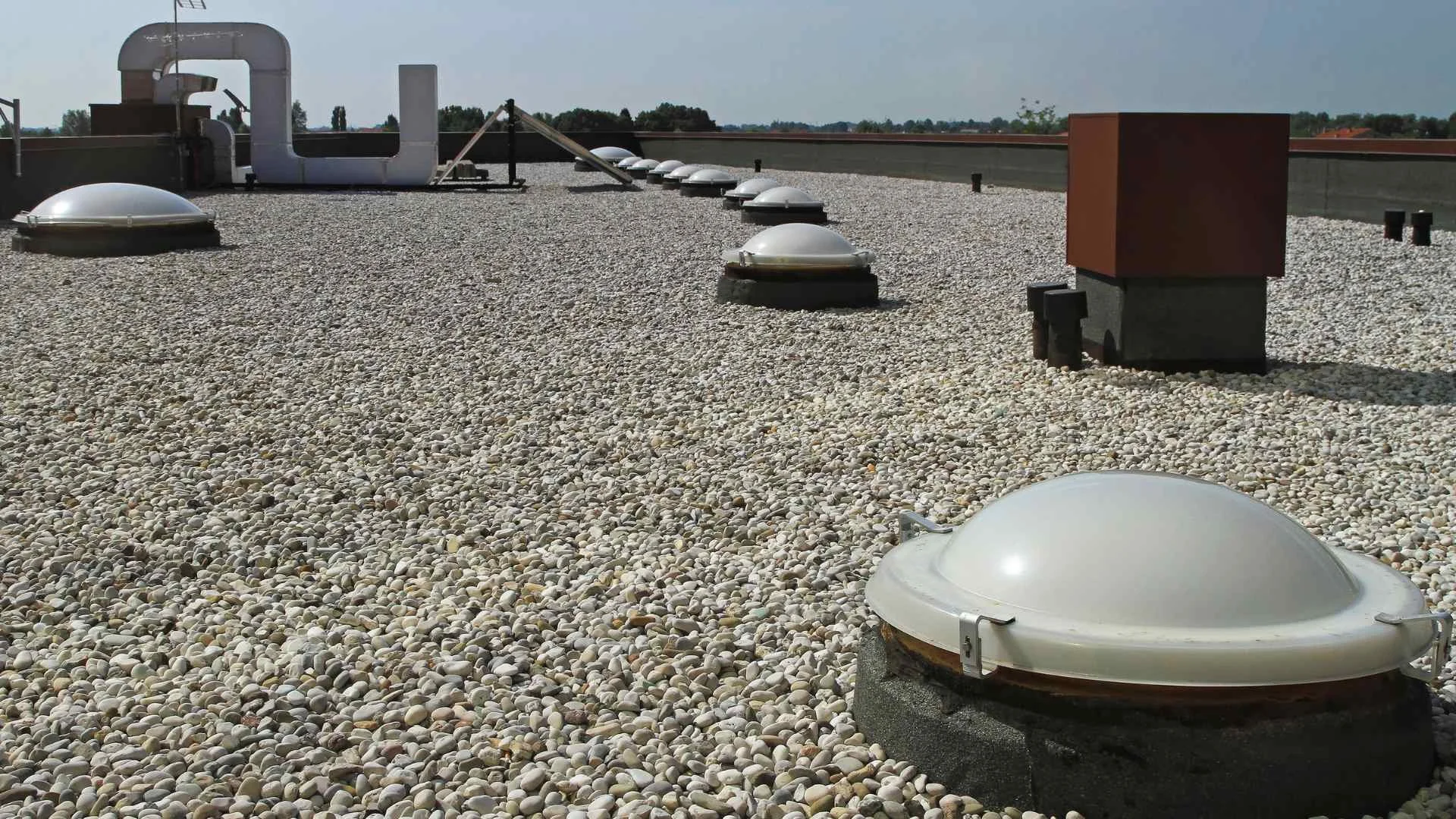
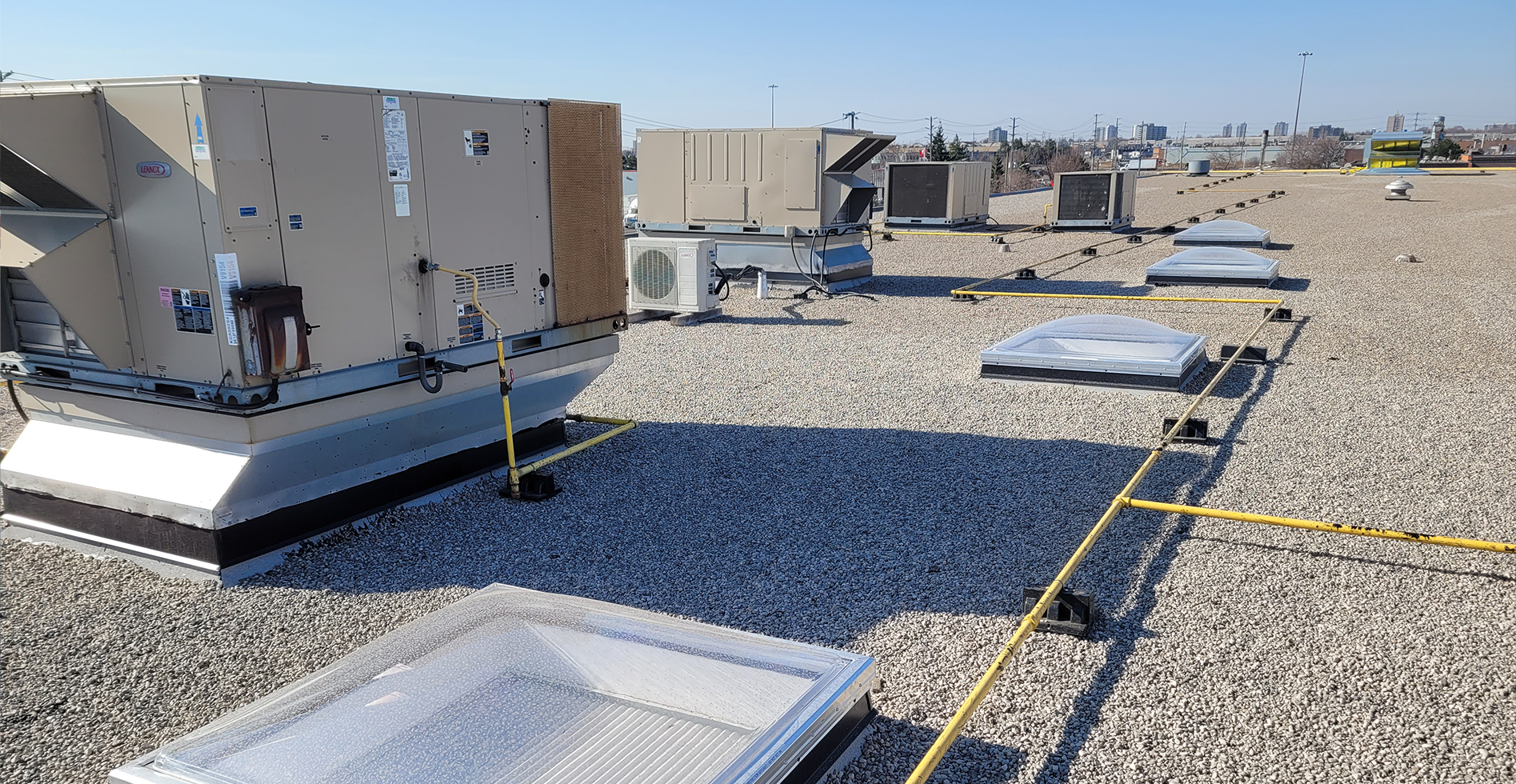
Service bay skylights in Dallas dealerships are subject to the same hail risk as the primary roof membrane, with the additional vulnerability of glass or polycarbonate panels that can crack or shatter under large hail impact. Hail-rated polycarbonate or laminated glass skylight assemblies are standard specifications in North Texas dealership construction, and replacing aged or damaged skylights during a re-roofing project prevents the combination failure mode — roof membrane failure and skylight failure simultaneously — that produces expensive service bay water damage. The skylight curb and surrounding membrane detail must be integrated into the overall roofing system specification to prevent the water infiltration that occurs at curb perimeters over time.
Service drive canopies are a signature feature of Dallas dealership operations, providing covered customer drop-off that meets both OEM brand standards and customer comfort expectations in Texas's hot climate. Canopy roofing in the dealership context often involves metal panel systems or TPO over metal substrate with drainage directed to internal downspouts. Dallas's intense hail events test these canopies severely, and the insurance implications of canopy damage extend beyond roof repair to the vehicle inventory that was under the canopy when the hail fell. Canopy structural and roofing specifications at new Dallas dealerships routinely incorporate enhanced wind and impact ratings that reflect the documented severity of the local hail environment.
The operational rhythm of Dallas dealership service departments creates specific constraints for roofing project scheduling. Service capacity in a high-volume North Texas dealership may be 80 to 100 vehicles per day, with customers arriving in the early morning and expecting completed vehicles by the end of the work day. Any roofing work that interferes with the service drive, creates debris risk over customer vehicles, or blocks access to service bay doors must be sequenced around the service schedule. Experienced dealership roofing contractors in Dallas build project schedules that respect the facility's revenue-generating activities, working weekends or after-hours where necessary to handle the most operationally disruptive phases of the project.
Energy performance for large Dallas dealership roofing systems has become increasingly important as electricity costs have grown. Showrooms with high-volume HVAC systems maintaining customer comfort through Dallas summers represent significant energy consumers, and roofing insulation and membrane reflectivity directly affect the cooling loads those HVAC systems must overcome. Energy code compliance for Dallas's climate zone requires minimum roof insulation and cool-roof performance, and quality specifications exceed those minimums to maximize the facility's energy efficiency and reduce operating costs across the system's service life.
Documentation management is a practical benefit of working with commercial roofing contractors who specialize in the Dallas dealership market. OEM facility audits, insurance renewals, and local code inspections all require documentation of roofing system specifications, installation dates, and maintenance history. A contractor who provides detailed project documentation including manufacturer certifications, installation inspection records, and maintenance logs gives dealership facility managers the paper trail they need to support every administrative interaction that references the roofing system.
The Dallas luxury dealership market's growth trajectory means that many operators are planning facility expansions or complete campus redesigns to meet OEM facility requirements for next-generation brand programs. These expansion projects create natural integration points for comprehensive roofing upgrades across both new and existing building sections, allowing a coordinated approach that delivers consistent roofing system performance across the entire campus rather than the patchwork of different systems and ages that characterizes many dealerships that have grown incrementally over decades.
Sometimes. If the leak is isolated to a failed flashing at a penetration or parapet, and the BUR field membrane is in otherwise sound condition (confirmed with core cuts), targeted repair is the right scope. If the leak is coming from failed plies in the field of the roof, repair at the leak point without addressing the underlying ply failure will produce another leak nearby within 12-18 months. We will tell you which situation you are in — not just patch the obvious wet spot.