Commercial roofing for churches, worship centers, and religious facilities throughout Dallas, TX.
Dallas has always been a city of large congregations, and few illustrate that better than Prestonwood Baptist Church in Plano, one of the largest Baptist congregations in North America, with a main auditorium seating thousands and a sprawling multi-building campus that demands the same level of facility management discipline you would find at a regional hospital or university. Across the broader DFW Metroplex metroplex, hundreds of churches face roofing decisions every year — from the historic First Presbyterian Church of Dallas in Uptown to the massive nondenominational campuses that have grown up in Frisco, Allen, and Southlake — and the stakes in every case are high.
North Texas weather imposes genuine and recurring punishment on commercial roofs. Dallas sits in one of the most active hail corridors in the United States; Tarrant and Dallas counties absorb multiple significant hail events each year, with stone sizes that routinely reach one inch in diameter and periodically reach softball size in the most severe supercell storms. A hail event that strikes a 25,000-square-foot sanctuary roof can deposit tens of thousands of individual impact points, each one compromising the granule surface of a modified bitumen system or leaving a bruise in a TPO membrane that allows water infiltration months after the storm passes. Congregations that do not conduct systematic post-storm inspections often discover hail damage during the following winter when temperature cycling drives moisture through compromised seams.
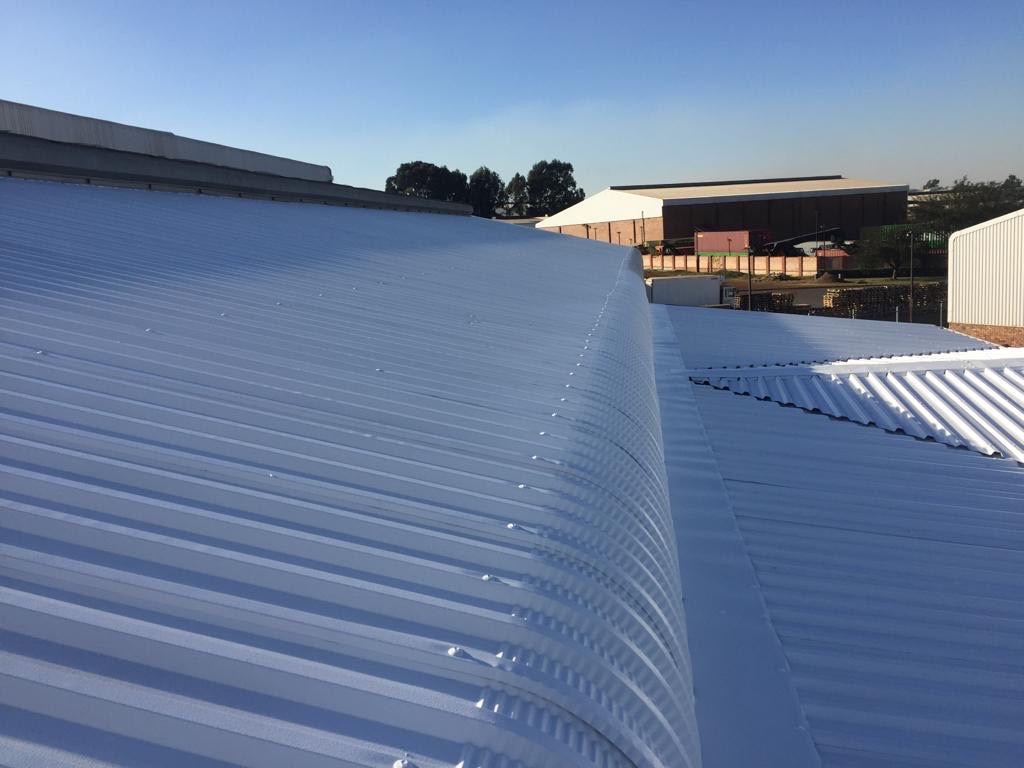
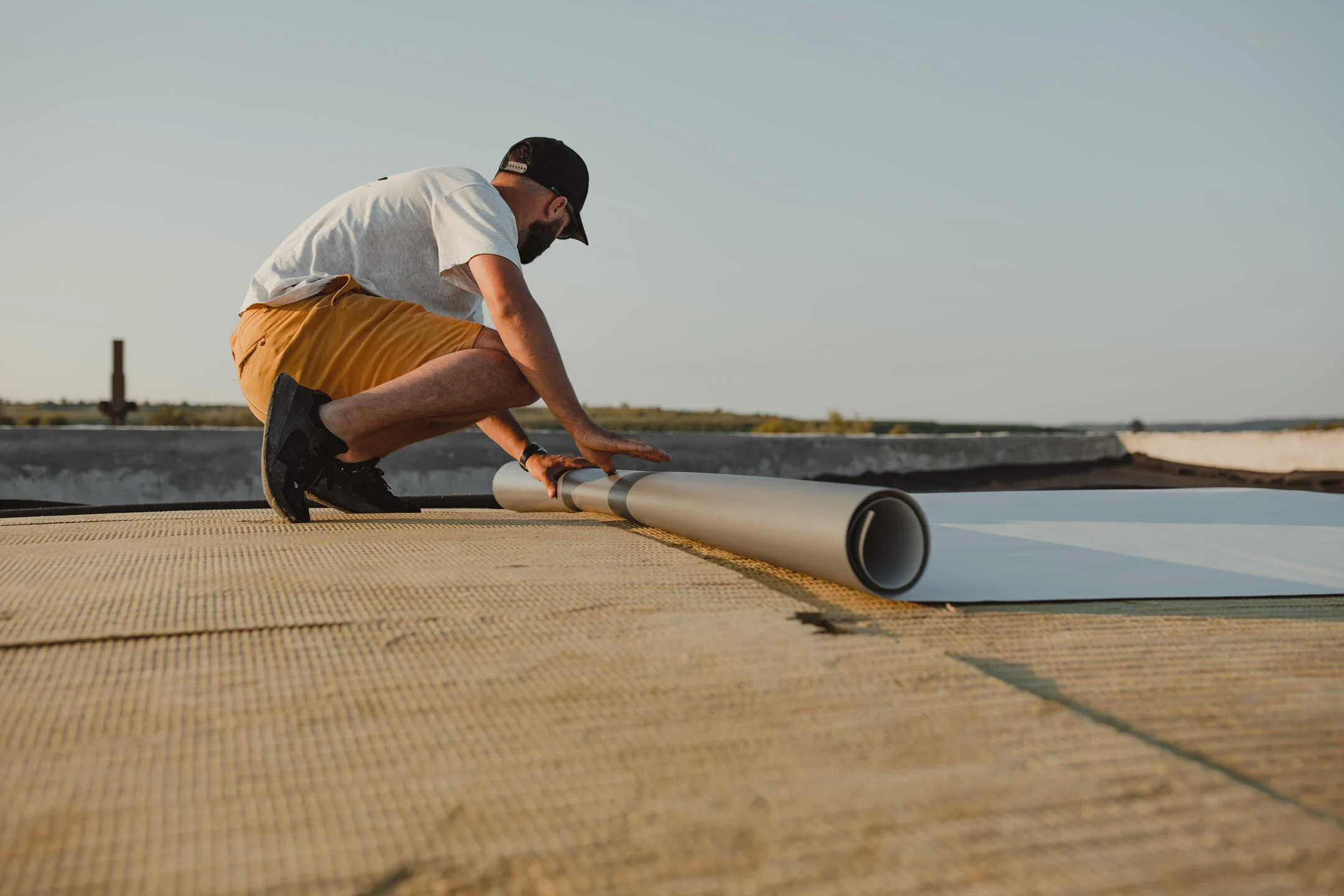
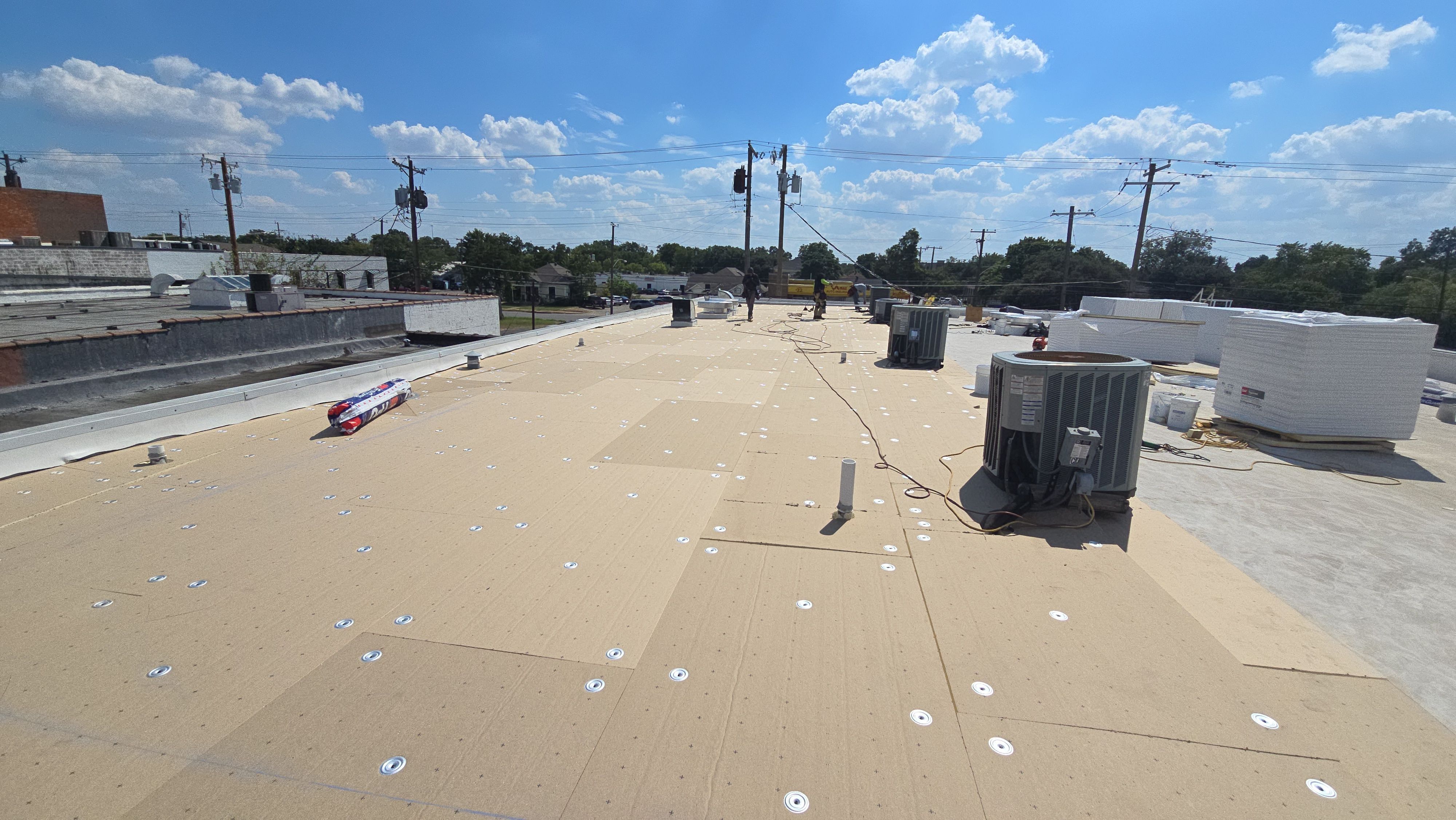
Beyond hail, North Texas summers deliver extreme thermal stress. Dallas rooftop temperatures regularly exceed 170 degrees Fahrenheit on dark membrane systems in July and August, and that heat drives thermal movement in the roof assembly that stresses every lap joint, penetration flashing, and edge detail. Reflective single-ply membranes address the thermal load directly, and their widespread adoption across the Dallas commercial market has validated their performance in this climate over the past two decades. Churches making the switch from aged built-up or modified bitumen systems frequently report immediate reductions in summer cooling costs — a persuasive data point for finance committees wrestling with operating budgets.
Clear-span sanctuary roofs in Dallas-area megachurches present structural roofing challenges of the first order. A main worship auditorium may span 200 feet or more without interior columns, relying on long-span steel trusses or engineered wood systems that flex perceptibly under thermal load and wind pressure. That movement must be accommodated in the roofing system's design — typically through the use of flexible membrane systems with proper movement joints rather than rigid built-up assemblies that crack at points of deflection. Roofing contractors who have not worked on large-span clear-span structures may underestimate the engineering rigor these projects require.
Summer scheduling is almost universally the preferred window for Dallas church roofing projects, but the definition of "summer" requires nuance in the megachurch context. Many large Dallas congregations run robust summer programming — vacation Bible school, youth camps, and family ministry events that draw hundreds of participants through the weekday facilities every morning. A roofing contractor must collaborate closely with the church's facilities manager to map the actual usage calendar and identify the weeks when specific buildings are genuinely available for noisy, dusty overhead work. That level of scheduling discipline distinguishes contractors experienced with institutional church clients from those accustomed to simpler commercial projects.
Capital campaigns and building committee processes are a familiar landscape at Dallas churches of every size. The largest congregations may have professional facilities directors and experienced building committees with detailed project specifications and RFP processes that rival those of corporate clients. Smaller congregation projects may involve a pastor, a deacon chair, and a treasurer making decisions collaboratively over several months. In both cases, the roofing contractor who provides clear written documentation — condition assessments with photographs, multiple scope options, detailed specifications, and warranty information — earns trust and reduces the friction that often stalls church facility projects.
Dallas's building code environment has been updated in recent cycles to strengthen requirements for hail-resistant roofing materials on commercial and institutional structures. Many insurance carriers that provide property coverage for Dallas-area churches now require or incentivize Class 4 impact-resistant ratings on roof systems, and some carriers offer meaningful premium reductions for churches that upgrade to compliant systems. Understanding the intersection of code requirements, insurance incentives, and long-term performance is a service that experienced commercial church roofing contractors provide as a matter of course.
Denominational relationships matter across the Dallas church landscape. The Catholic Diocese of Dallas, the Cooperative Baptist Fellowship, the United Methodist Church's North Texas Conference, and dozens of other denominational bodies maintain their own facility standards and may require documentation of code compliance, contractor licensing, and insurance coverage that goes beyond what local codes require. Proactive communication with denominational facility staff early in the project planning process prevents last-minute surprises that can delay construction starts.
Long-term maintenance planning is a conversation that pays dividends for Dallas congregations. A well-maintained 20-year TPO system, inspected and recoated at the manufacturer's recommended intervals, can realistically perform for 25 to 30 years in the North Texas climate. Establishing a documented maintenance schedule at the conclusion of a roofing project — and providing the church's facilities staff with a written inspection protocol — protects the congregation's investment and demonstrates the contractor's commitment to a relationship rather than a transaction.