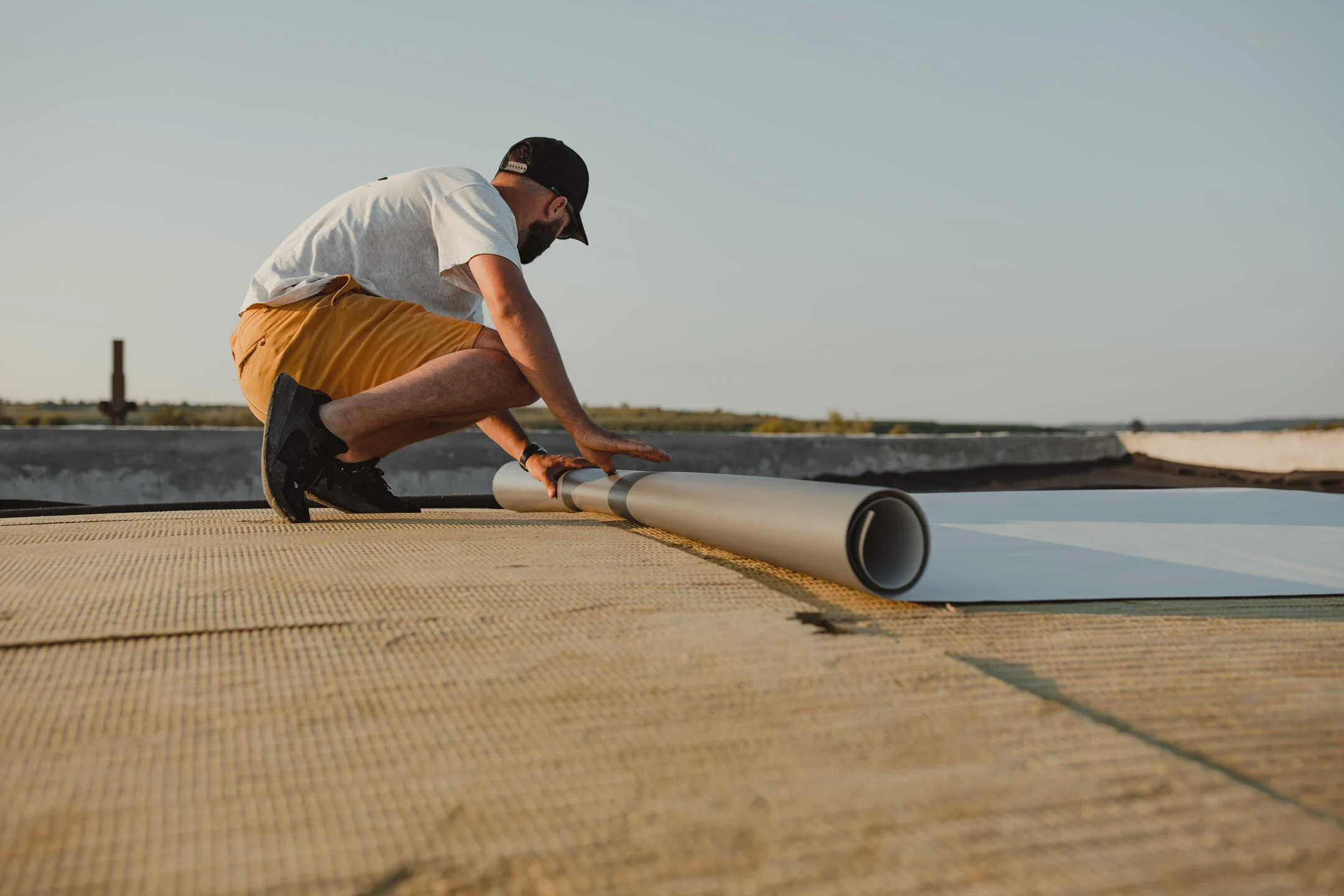
Commercial roofing for warehouses, distribution centers, and industrial facilities throughout Dallas, TX. TPO, EPDM, and metal roof systems.
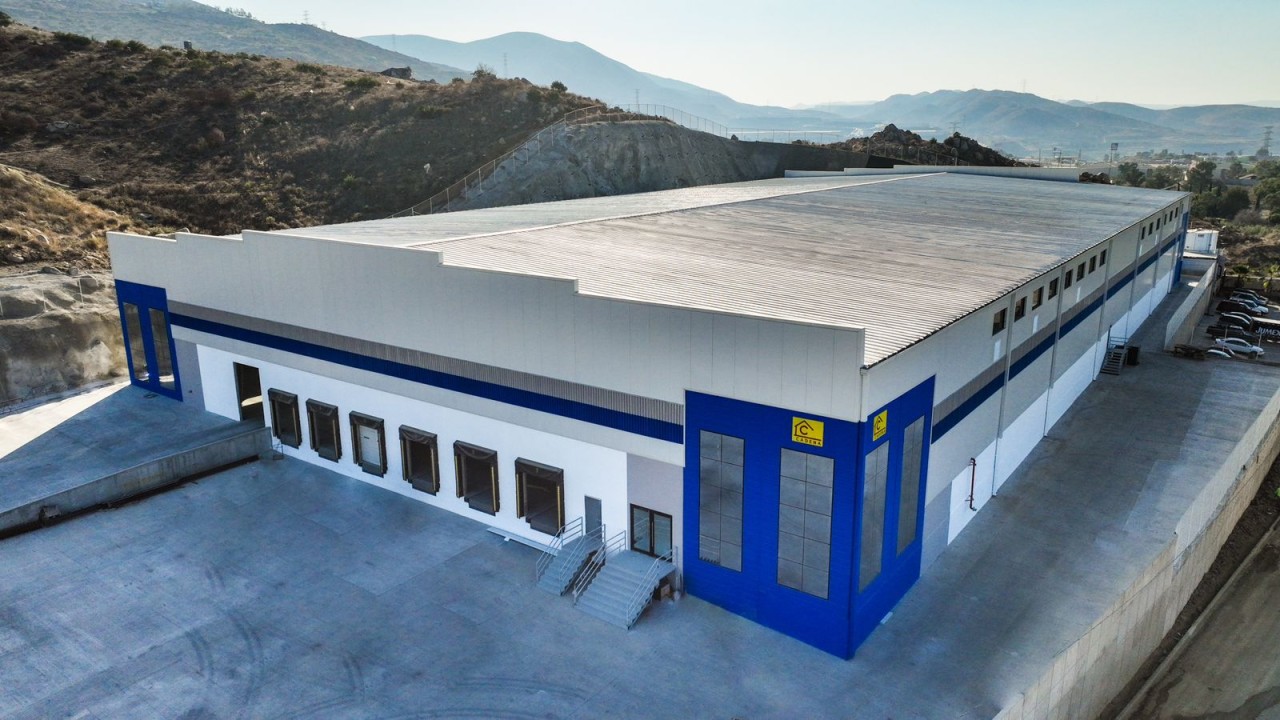
The UPS Ground facility in Coppell, serving the broader DFW Metroplex industrial corridor, exemplifies the roofing challenges that come with massive single-story distribution buildings in North Texas. Dallas-area warehouses contend with a climate that delivers summer temperatures above 100 degrees, periodic severe hail events, and occasional ice storms that can trap standing water on low-slope decks if drain systems are not properly designed. Getting roofing right on a Dallas distribution center is a significant capital decision with long-term operational consequences.
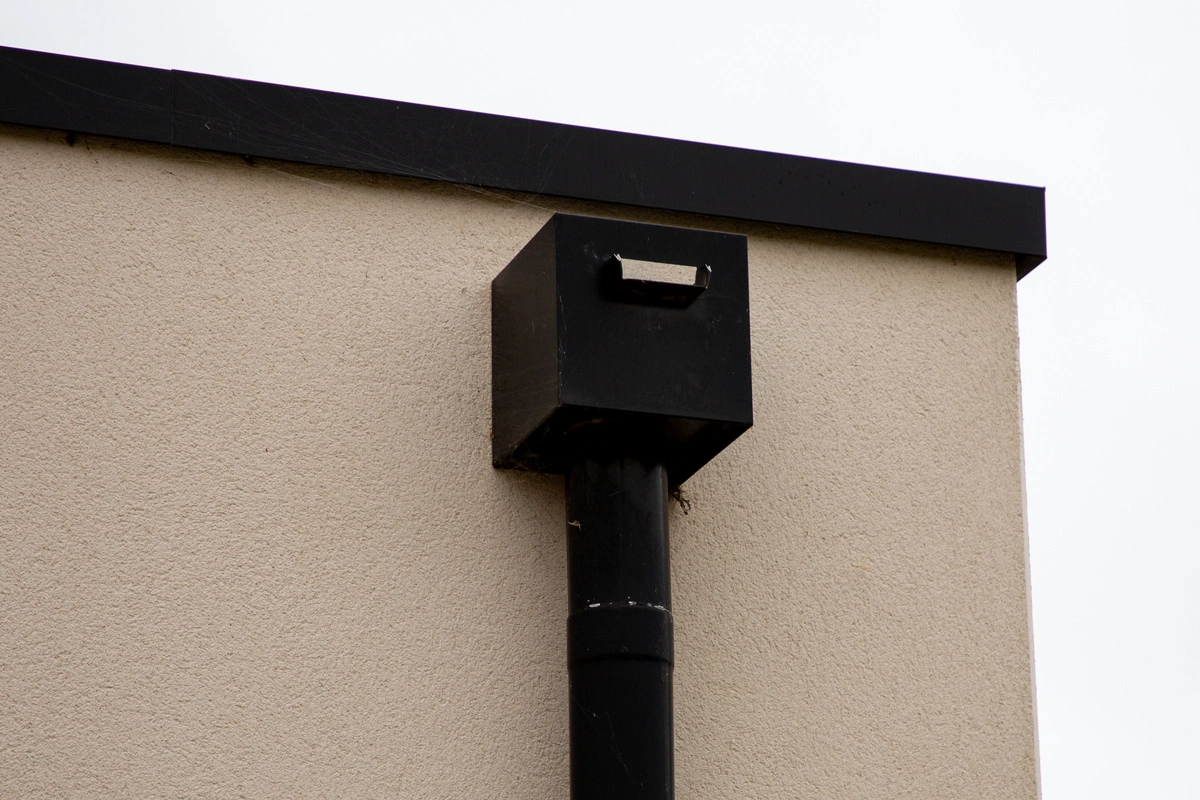
Drainage engineering for large Dallas warehouse footprints must account for the flat, near-zero-slope decks common in the Metroplex's industrial submarkets. North Texas is not a high-annual-rainfall region, but when rain does arrive it often comes in short, intense bursts associated with spring and summer convective storms. Those events can drop two to three inches in under an hour, and a 400,000-square-foot roof that drains slowly will accumulate thousands of gallons of temporary load. Primary interior drain capacity should be calculated using the Dallas-specific Intensity Duration Frequency tables published by the Texas Water Development Board, with overflow scuppers sized for the 100-year storm event as a minimum standard for large facilities.
TPO membrane dominates new warehouse specification in Dallas because of its heat reflectivity and weld-seam reliability in the region's extreme temperature swings. Contractors must pay particular attention to the thermal movement of TPO in a climate where roof surface temperatures can range from below freezing to over 160 degrees Fahrenheit across a calendar year. Seam welds must be tested, and field seam widths should meet manufacturer minimums on the wide side given these cycling demands. EPDM is used in re-cover applications where full tear-off is being avoided, but its black surface significantly increases cooling load in a city where air conditioning is the dominant energy cost for temperature-sensitive warehouses.
Dock door and truck court penetration flashing in the Dallas market has a specific hail-related challenge not present in most other regions. The Metroplex is among the most hail-active metros in the United States, and TPO termination bars, aluminum edging, and sealants at dock wall transitions take direct hail impact that can accelerate deterioration. Specifying heavier-gauge metal flashings and elastomeric sealants with impact resistance ratings is not gold-plating in Dallas — it is prudent engineering given the documented storm frequency in the region.
Rooftop mechanical equipment on Dallas distribution centers tends to be substantial, with HVAC units, evaporative coolers, and exhaust fans creating a dense penetration field on the larger buildings. Forklift battery charging rooms typically require dedicated exhaust points, and cold storage annexes within larger warehouses add refrigerant line penetrations that create unique flashing geometries. A pre-bid penetration inventory and a sketch set of the existing roof conditions are essential before any responsible contractor can price a replacement project on an active Dallas distribution facility.
Summer heat gain is the primary energy concern for uninsulated or under-insulated Dallas warehouses. A white TPO membrane on a well-insulated deck can reduce peak cooling demand by 20 percent or more during a Texas summer, which translates to meaningful operating cost reduction in facilities that run refrigeration or climate control. The Dallas energy code for new commercial construction requires minimum R-values that many older warehouse buildings never met, and a roof replacement that upgrades insulation simultaneously closes that gap with strong financial justification through reduced utility costs.
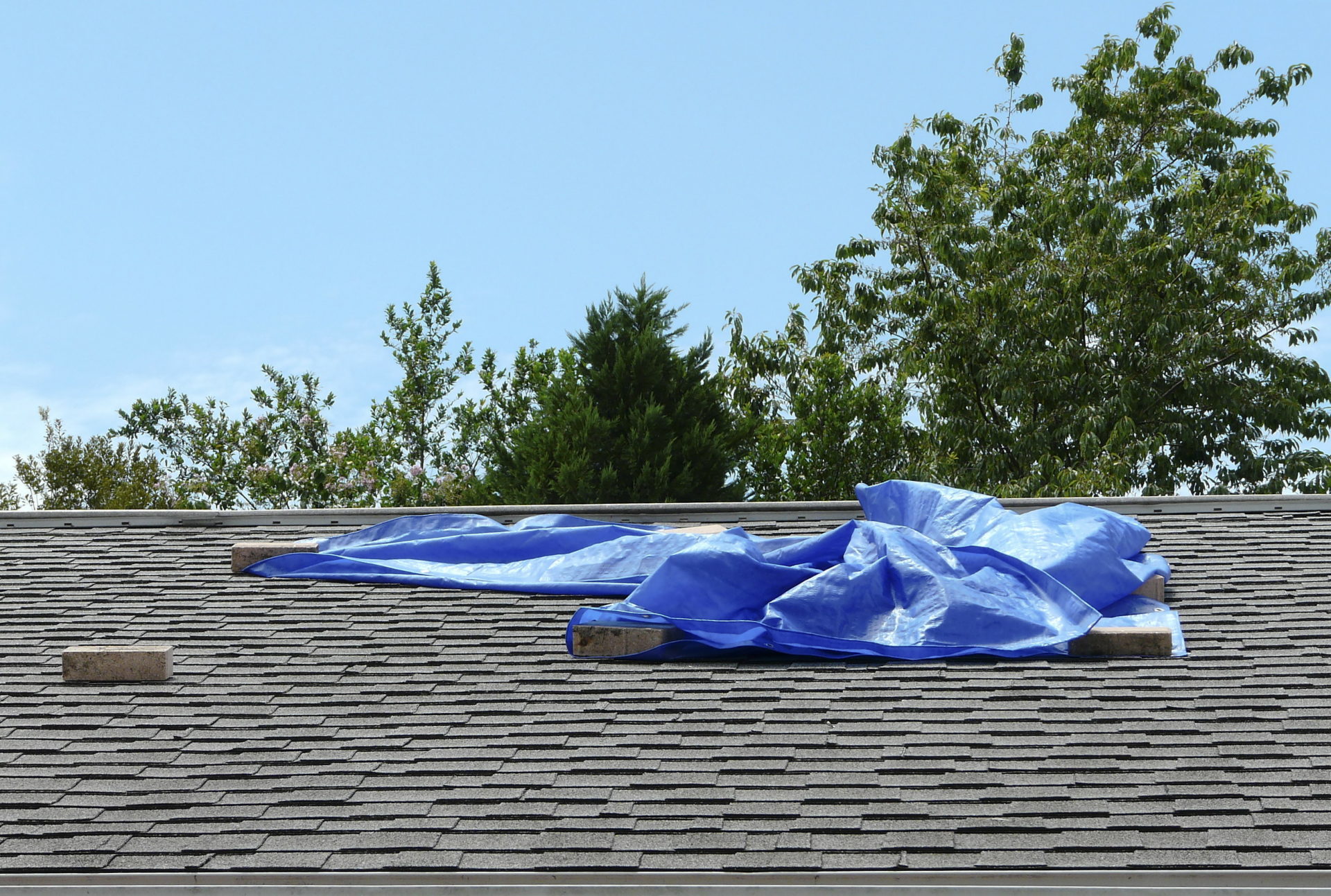
Hail damage protocols are a distinct consideration in the Dallas warehouse market. After a significant hail event, facility managers should engage a qualified roofing contractor for a drone-assisted or in-person inspection before filing with the commercial property insurer. Documentation of pre-event roof condition through maintenance records and prior inspection reports significantly strengthens the claim and prevents disputes over pre-existing wear.
Cost per square foot for warehouse roof replacement in Dallas typically falls between $7 and $12 for a complete single-ply system with insulation upgrade, with projects in the southern industrial submarkets sometimes running higher due to logistics costs. The Dallas market has a deep bench of qualified large-roof contractors, which creates competitive pricing on straightforward projects but also a risk of underqualified bidders cutting corners on wind uplift specifications or drain design. Owners should require NRCA membership, manufacturer certifications, and verifiable references on projects of comparable size from any bidder on a large Dallas warehouse roof.
The long-term roof asset management perspective is increasingly common among institutional warehouse owners in the Dallas market. A documented roof condition assessment every three to five years, combined with a capital reserve plan that accounts for the 20-to-25-year expected life of a quality single-ply system, allows ownership to plan for replacement without crisis spending. Dallas industrial REITs and large private owners have moved toward professional roof asset management programs that treat the roofing system as a tracked capital asset rather than a maintenance line item, and the results in avoided emergency costs are compelling.