Most commercial skylight leaks are not glazing failures — they are flashing failures at the curb. We identify which is which, repair or replace the right component, and close the assembly with a weathertight detail that holds through Dallas heat cycling and hail.
Commercial skylights on Dallas flat-roof buildings — common in retail, restaurant, and mixed-use construction from the 1990s forward, and increasingly present in the adaptive reuse projects transforming warehouses in the Design District and the West Dallas riverfront area — present a specific repair challenge: the skylight is a composite assembly of framing, glazing, and curb flashing, and leaks can originate from any of the three components or from their interfaces.
The most common source of commercial skylight leaks is the curb flashing — the roofing membrane that transitions from the horizontal roof field up the vertical face of the skylight curb and terminates under the skylight frame. This flashing fails through the same mechanisms as any parapet base flashing: separation at the termination, shrinkage of the membrane, and UV degradation of the sealant at the frame-to-flashing interface. It fails at a higher rate than field membrane because skylights concentrate heat, create thermal bridges, and are typically on south and west roof exposures that receive maximum solar loading.
Glazing failures — yellowing, crazing, and delamination of acrylic or polycarbonate panels — are a secondary source of leaks and a separate category of problem. Flat acrylic or polycarbonate panels on Dallas commercial buildings typically show significant UV degradation at 15 to 20 years of age. When glazing degrades, it loses transparency (a tenant complaint), loses structural integrity under hail impact, and in some cases develops surface micro-cracking that allows water infiltration directly through the panel. Replacing degraded glazing is a separate scope from flashing repair, though we often do both at the same time.
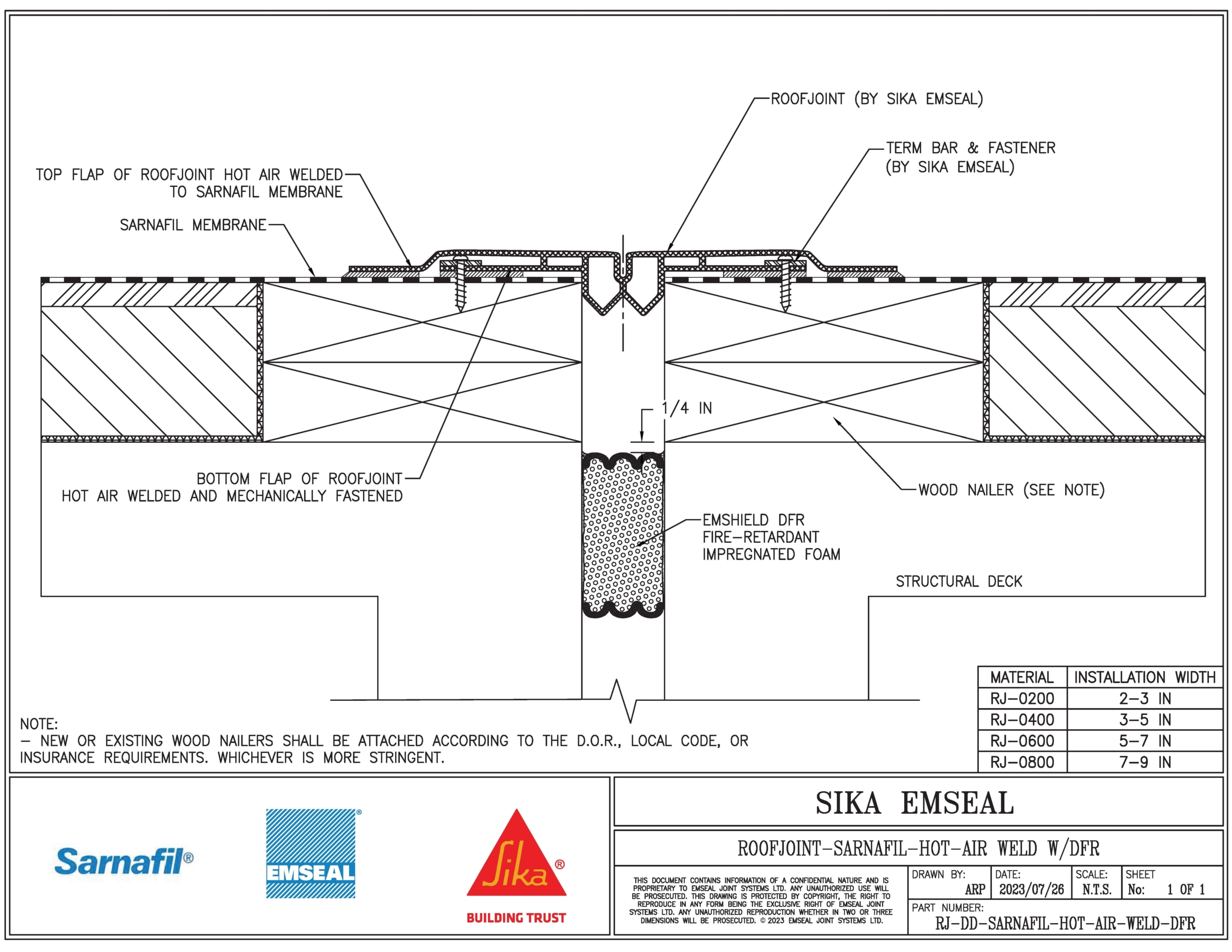
A curb flashing rebuild strips the existing base flashing from the curb face, cleans and primes the curb substrate, and installs new membrane flashing in accordance with the roofing system manufacturer's curb detail. The detail varies by membrane: TPO curb flashings are heat-welded to the field membrane at the curb base and mechanically terminated at the top of the curb face under the skylight frame. EPDM curb flashings are bonded with EPDM adhesive and terminated with a metal counterflashing tucked under the frame.
The frame interface is the most critical part of the curb flashing repair. The gap between the skylight frame's base and the curb flashing termination has to be sealed with a sealant that is both compatible with the membrane and flexible enough to accommodate the thermal movement of the skylight frame. Aluminum skylight frames on Dallas buildings move 3/8 inch or more over a full summer-to-winter temperature range — a rigid caulk fails at this joint within two or three seasons. We use manufacturer-specified flexible sealants at frame interfaces and document the product used in the repair record.
On multi-unit skylight installations — common in the shell retail buildings along Belt Line Road in the eastern suburbs and in the big-box retail format throughout the DFW metro — we assess all units during a single mobilization. Units that share flashing runs often show progressive failure from the upslope unit downstream, so repairing one unit while leaving adjacent units in marginal condition typically produces a callback within one season.
Flat skylight glazing replacement on commercial buildings typically involves acrylic (the original glazing on most pre-2005 installations), polycarbonate (specified more frequently after 2005 for its superior impact resistance and longer UV stabilization life), or tempered glass (specified on installations where occupancy or insurance requires a Category II impact rating).
Dallas's hail exposure makes glazing specification a genuine decision — flat acrylic panels are susceptible to fracture from stones above 1.5 inches. We have replaced acrylic panels on buildings in the Skillman-Abrams retail corridor after storms that left the field membrane intact but fractured multiple skylight panels. Polycarbonate panels rated to FM 4881 (the Factory Mutual hail impact standard) are the defensible specification for new glazing in the Dallas metro, and some property insurance policies apply premium credits for impact-rated glazing.
Glazing panel replacement on curbed commercial skylights requires removing the skylight frame's retaining bars, extracting the failed panel, inspecting and reseating the glazing gasket, installing the new panel, and reseating the retaining bars to the manufacturer's specified torque.