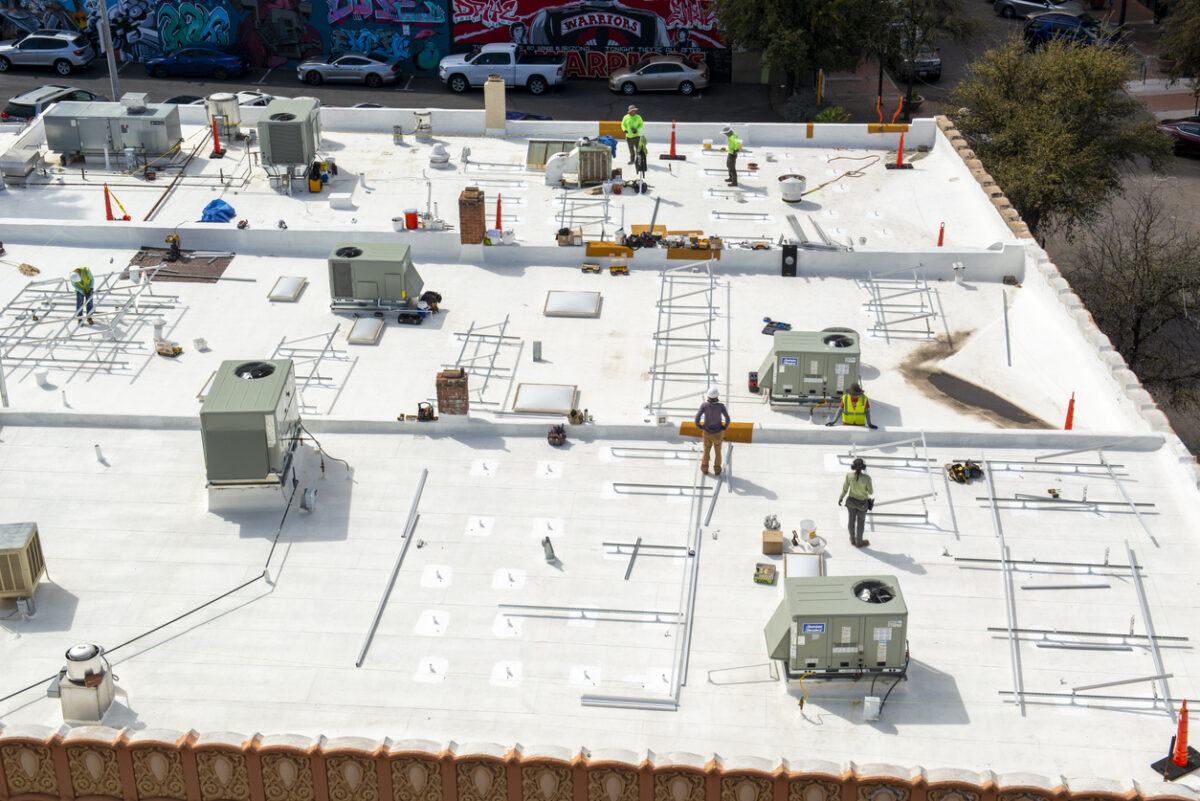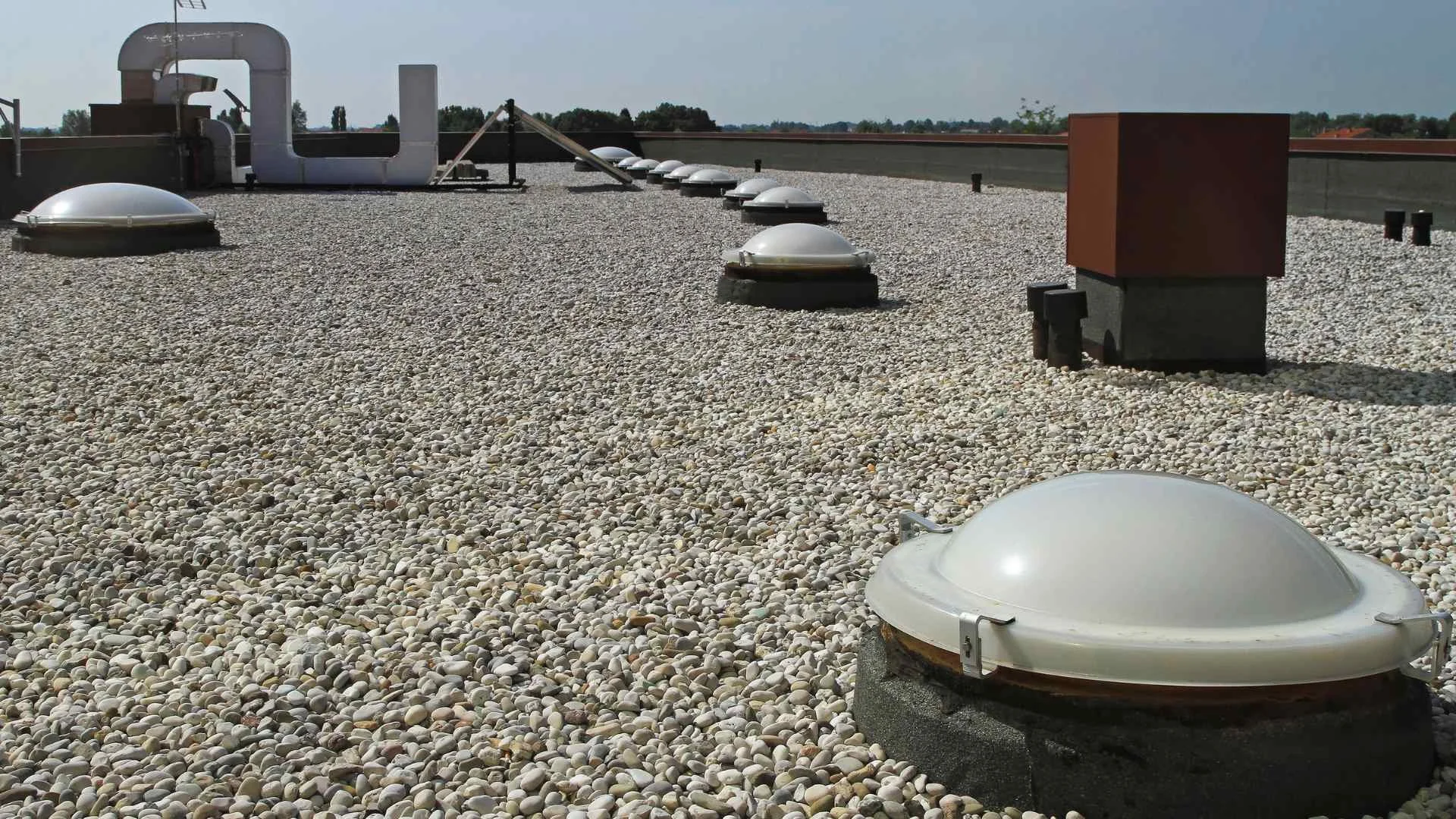
Dallas still has a significant inventory of aging built-up roofs — particularly on the downtown towers built during the 1970s oil-boom construction wave and on the city's older institutional buildings. We assess BUR systems honestly: sometimes they need replacement, sometimes a targeted recover extends the asset another 15 years.
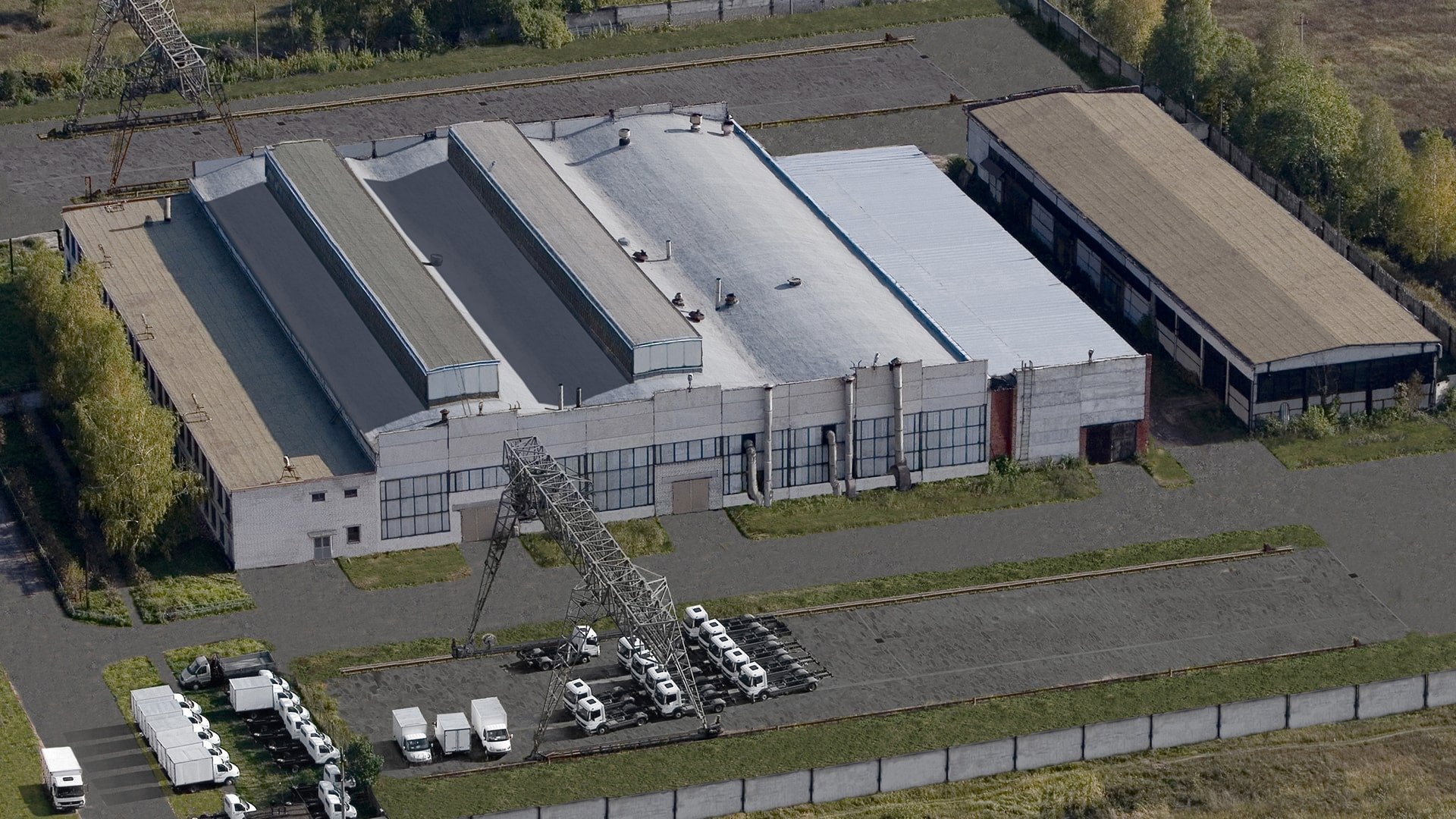
Built-up roofing — alternating layers of bitumen and reinforcing felt or ply sheet, topped with a mineral surface or gravel cap — was the dominant commercial flat roofing system installed in Dallas from the 1950s through the early 1990s. The buildings that carried those original BUR systems are in late-cycle or past-life condition now. They are concentrated in downtown Dallas (the One Main Place and Thanksgiving Tower-era building stock), along Ross Avenue and Maple Avenue, and across the older medical district buildings that predate the UT Southwestern expansion.
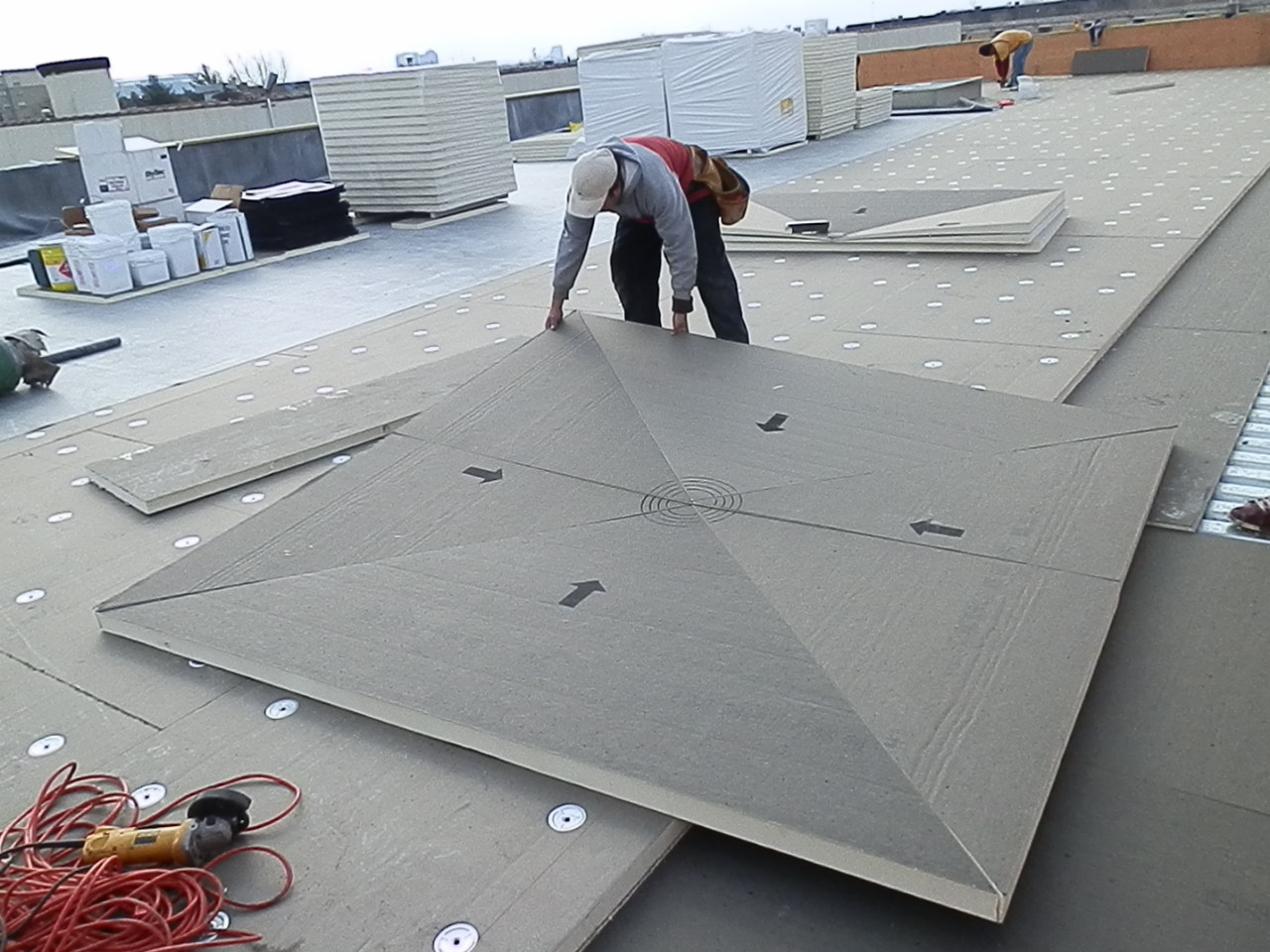
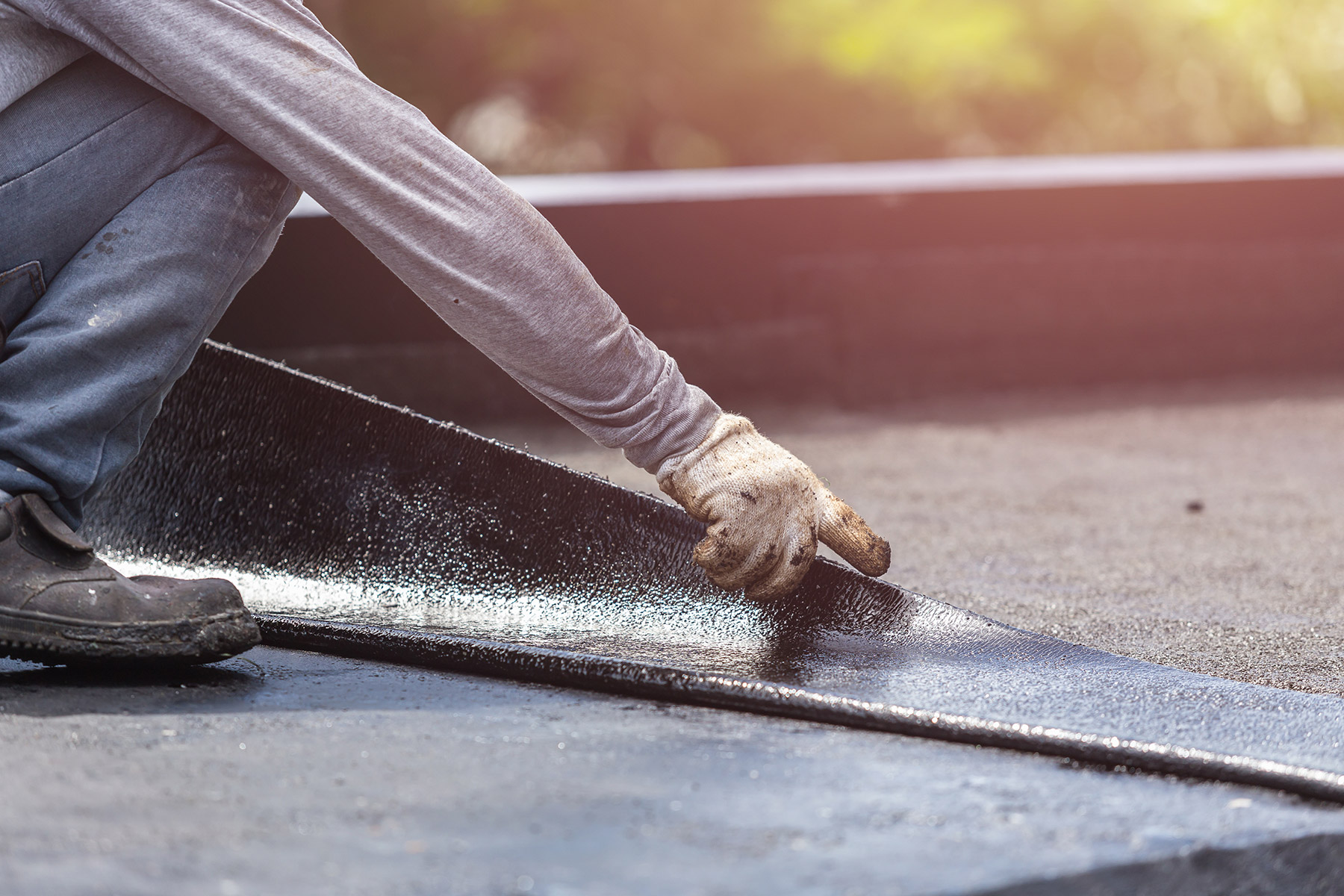
We work BUR in two modes. The first is honest assessment: we walk the roof, take core cuts, document blister patterns and alligatoring, and tell the owner whether the BUR is genuinely end-of-life or whether targeted repairs plus a coating system can extend it cost-effectively. The second is replacement: when the BUR has failed or is too far degraded to recover, we tear it off, document the deck condition, and replace it with the system that fits the building's capital horizon — usually TPO, modified bitumen, or occasionally a new BUR where the owner has a specific reason for continuity.
Our job is to give the building's owner the information they need to make the right decision — and to put that assessment in writing.
BUR roofs age in predictable patterns. Alligatoring (a cracked, scaly surface texture) develops as the surface bitumen oxidizes and loses elasticity — this is cosmetically alarming but structurally normal on an aging BUR surface and does not by itself indicate replacement urgency. Blistering (bubbles under the surface, typically 6-18 inches across) develops as moisture vapor or air pockets accumulate between plies — blisters that are closed and firm can be monitored; blisters that have broken or are growing indicate active moisture migration and require action.
Ponding water on a BUR system accelerates deterioration faster than on TPO because the standing water softens the surface bitumen over time and introduces biological growth that breaks down the felt plies. Dallas's intermittent heavy rain events — the city recorded 12.4 inches in a 72-hour period during May 2024 — stress BUR drainage systems that were originally designed for the lighter rainfall patterns of the 1960s and 1970s. We document ponding patterns during every BUR inspection and include drain condition and slope-to-drain adequacy in every written report.
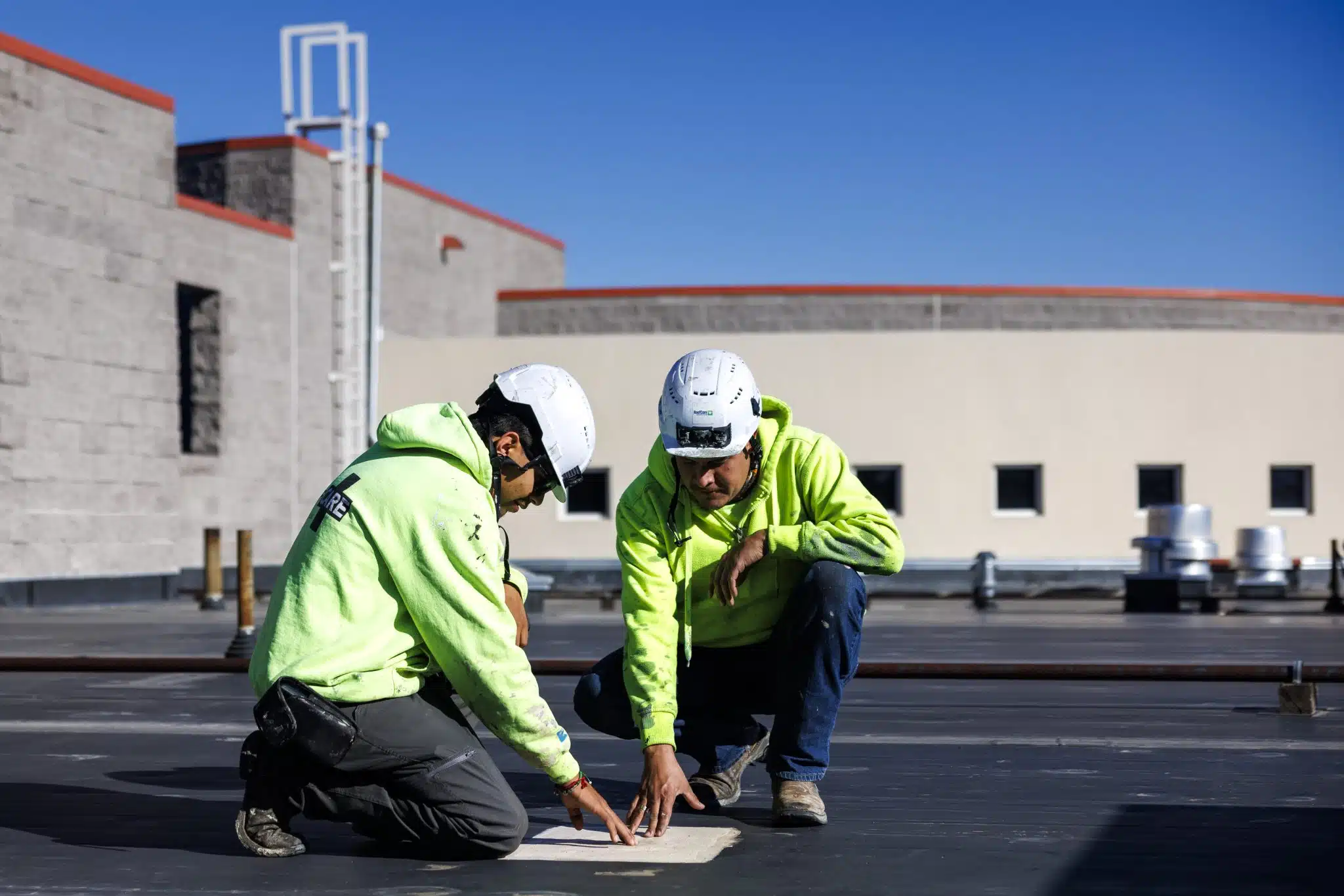
Core cuts are the definitive diagnostic. We pull 3-inch core plugs at representative locations — typically one per 5,000 sq ft — and visually inspect each ply for moisture, delamination, and felt degradation. A BUR roof with dry plies and intact gravel surfacing in good contact with the cap sheet has remaining life. A roof with wet plies or delaminated felts is a replacement scope, not a repair scope.
The clearest replacement indicators on Dallas BUR roofs: more than 25% of core cuts reading wet, multiple active leak points that have recurred after repair, gravel cap sheet with broken contact to the underlying bitumen across more than a third of the field, or deck deterioration found during core investigation (corroded metal deck or rotted wood deck). Any one of these conditions in isolation can sometimes be managed; a building with two or more is a replacement scope.
When we scope BUR replacement on a downtown Dallas building or an older medical office building, the first decision is what system replaces it. Modified bitumen (SBS or APP) is the most common choice for buildings that want a system with proven performance on low-slope Dallas roofs and better mechanical resistance than single-ply. TPO is the choice when the owner wants a reflective surface, a longer manufacturer warranty path (20-year NDL), and a lower installed cost. We present both options with their warranty terms, lifecycle costs, and compatibility with the existing drain layout.
Deck condition findings on the older BUR buildings — particularly the 1960s-1970s structures with 1.5-inch corrugated metal deck — sometimes reveal section corrosion that has to be addressed before any new system goes on. We build deck investigation into every BUR replacement scope on buildings over 30 years old. If we find deck problems after tear-off, we stop work and document before proceeding — owners need to know what the full scope is, not discover it mid-project.