A flat roof without a documented maintenance program is a warranty that does not exist in practice. Most manufacturer warranties require inspection on a specified interval and repair by certified contractors. When that documentation is missing, the warranty is void on technicality — and DFW's spring hail events, summer heat load, and occasional freeze events give carriers enough ammunition to find that technicality.
Healthcare roof maintenance runs on specific access protocols and documentation chains. We coordinate with your infection control and facility operations teams rather than treating hospital access constraints as variables to work around.
Portfolio maintenance contracts give you consolidated condition reporting, single-point billing, and a master asset record that tracks every building's condition grade and maintenance history — data you can use for CAPEX planning and warranty claim support.
Post-hail spring inspections and pre-freeze fall checks are the two highest-value maintenance visits for DFW retail roofs. We build both into the standard maintenance calendar and deliver documentation in a format your insurance carrier accepts without a second request.
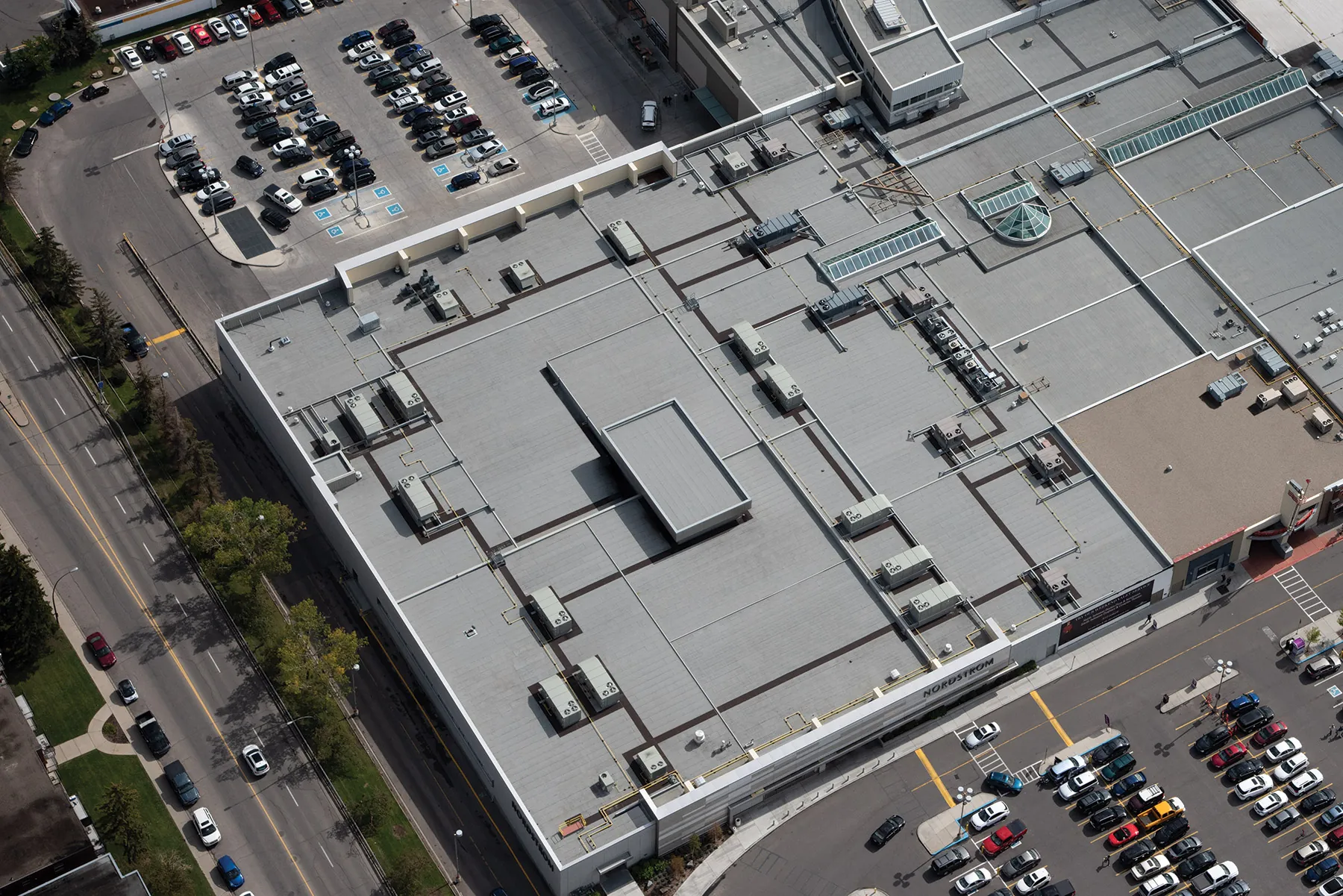
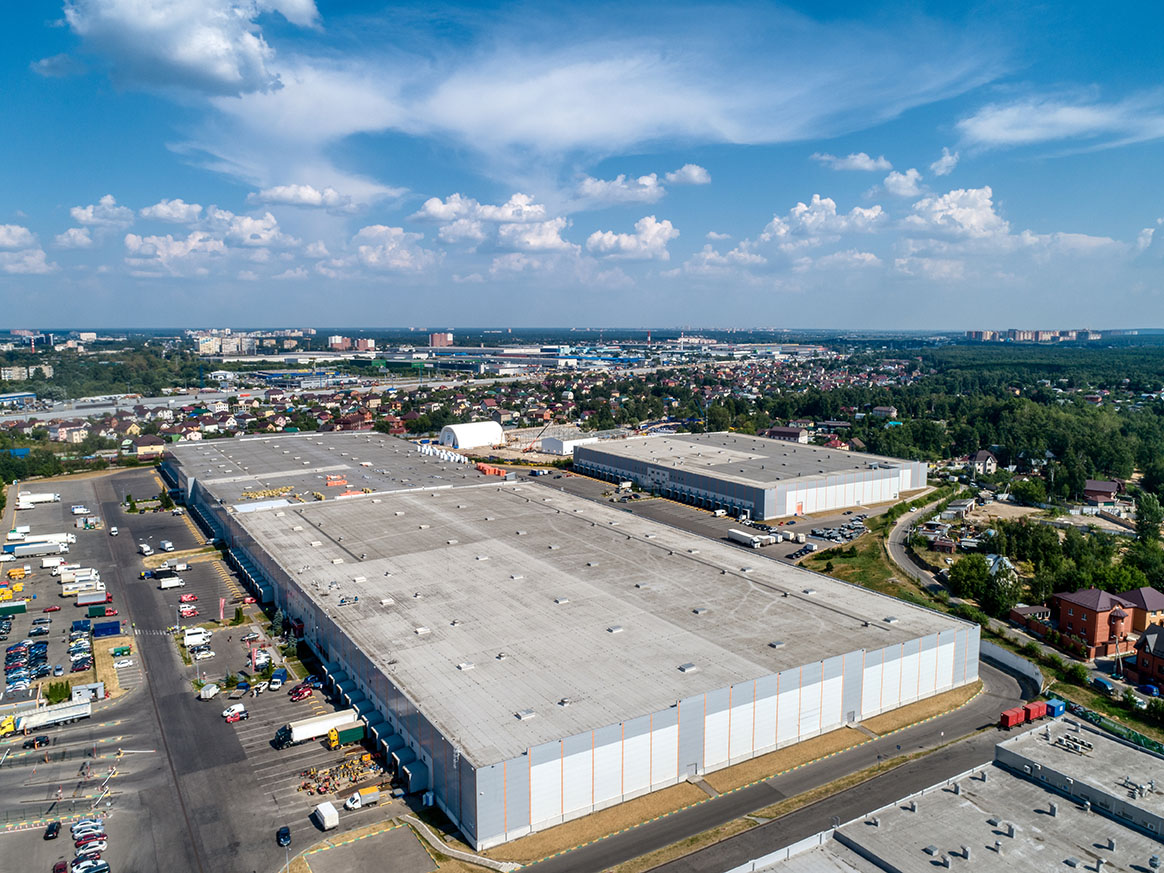
The Stemmons corridor tilt-wall industrial buildings, the Las Colinas corporate park stock, and the Frisco Sports City mixed-use development all share one roof maintenance challenge: the DFW climate applies stress from multiple directions in a single year. Golf-ball hail in May. Surface temperatures that can exceed 155°F in July. Winter Storm Uri-style freeze events that gave every Dallas-area facility manager a new respect for freeze risk in 2021. A maintenance program that only visits a roof twice a year at random calendar intervals misses most of those stress points.
We build the maintenance schedule around DFW's actual weather pattern: a spring post-storm walkthrough after the May hail season, a summer seam and penetration check during the heat-load peak, a fall pre-freeze drain and flashing inspection, and a winter damage assessment after any significant freeze or ice event. Buildings on that schedule have documented condition records that property managers can show to warranty carriers, insurance carriers, and buyers in a due diligence process.
Warranties often require documented inspections to stay valid.
After DFW's May hail season, we walk the roof and document any impact damage — membrane punctures, granule loss on modified bitumen, seam stress at hail impact sites. Documentation is in a format your warranty carrier and insurance carrier both accept. Class 4 impact events require inspection regardless of whether an active leak has appeared.
Blackland Prairie clay wind-deposited sediment, cottonwood seed, and debris from DFW wind events accumulate in drains and scuppers faster than in most other Texas markets. Clogged drains create ponding water that accelerates membrane degradation and triggers the Dallas Development Services drainage compliance threshold of no standing water 48 hours post-rain.
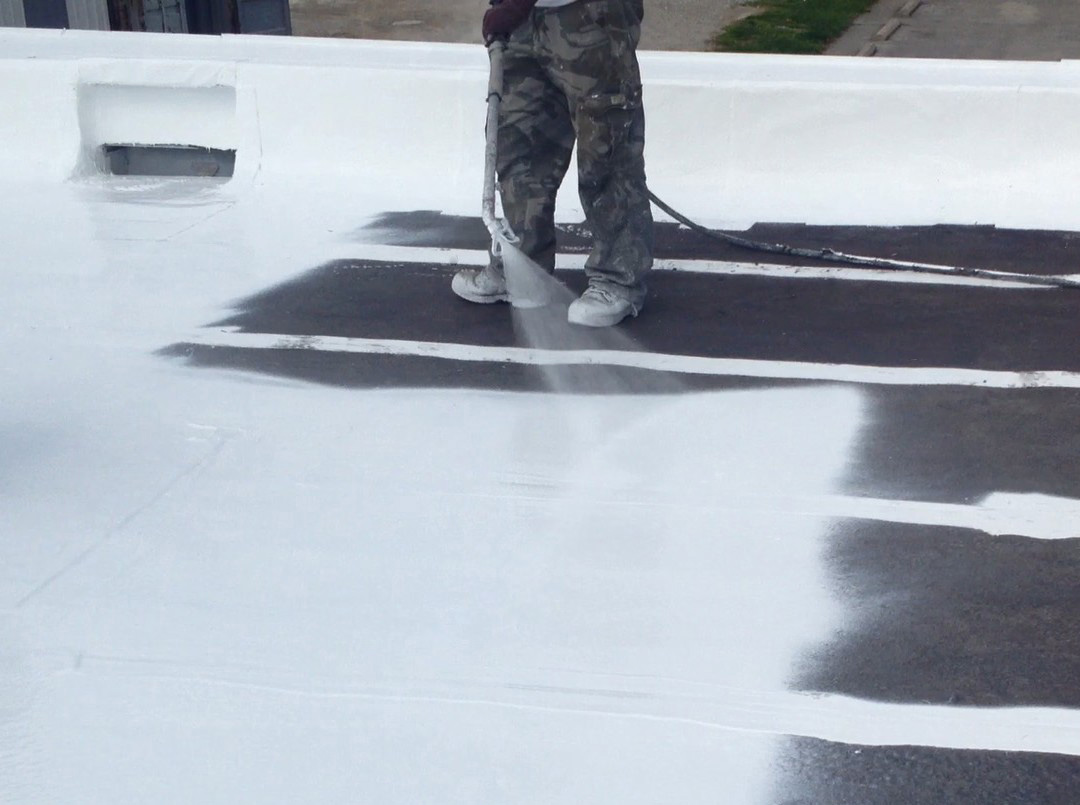
Thermal cycling in DFW — 100°F summer days to sub-20°F winter lows — stresses welded seams at TPO and PVC membrane laps and at penetration flashings. We probe seam integrity and inspect penetration details on every maintenance visit, and we repair any failing locations as part of the maintenance program rather than as a separate call.