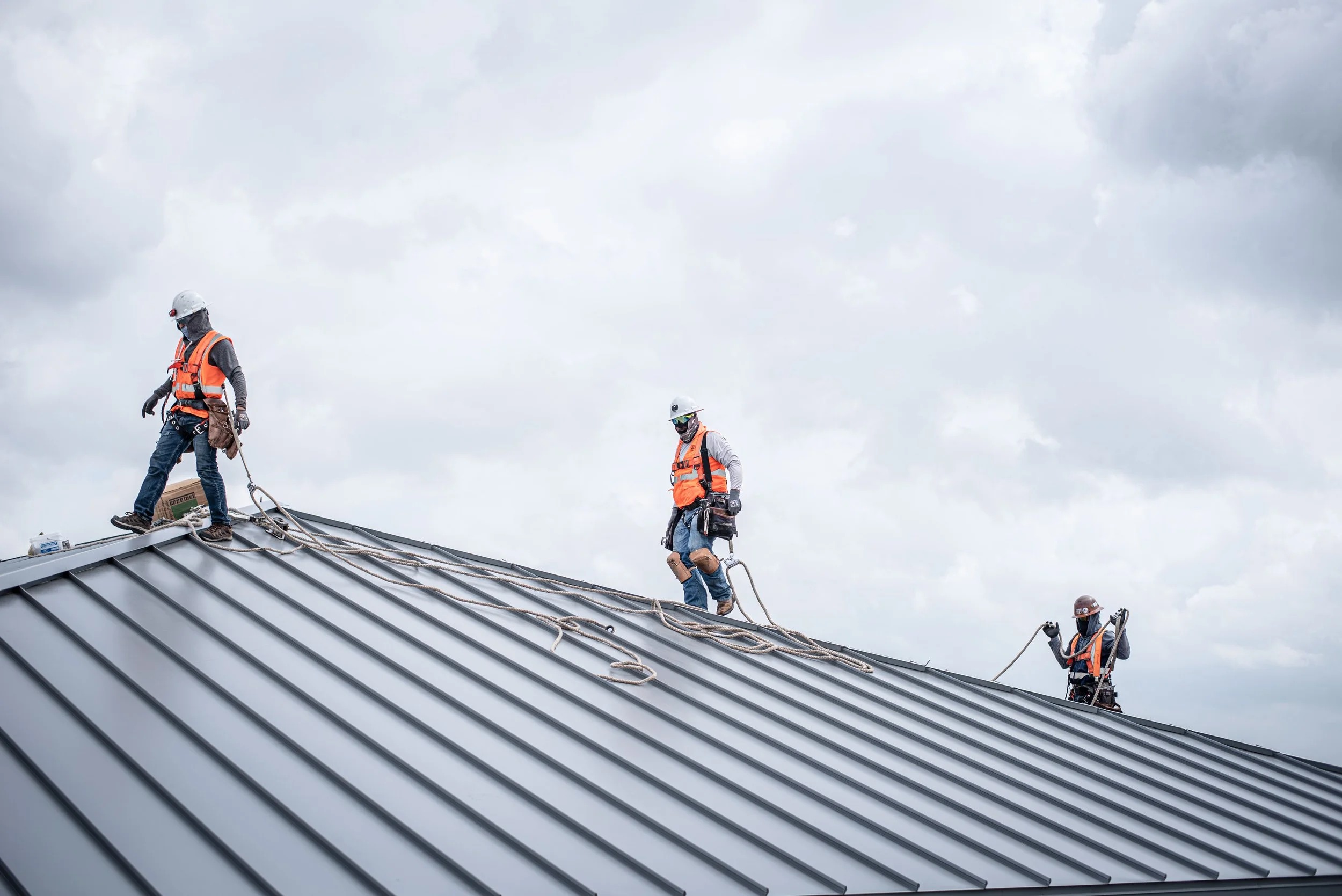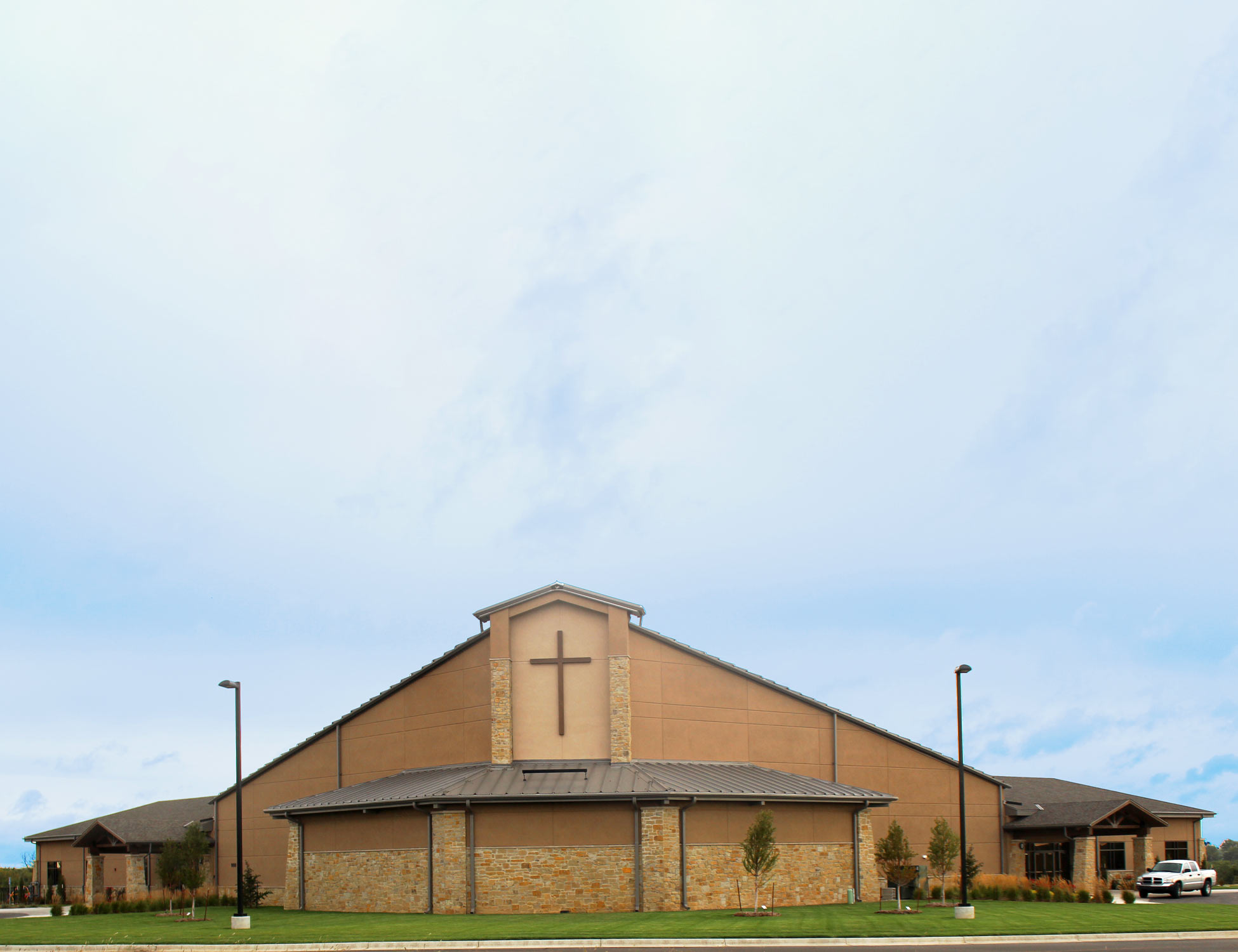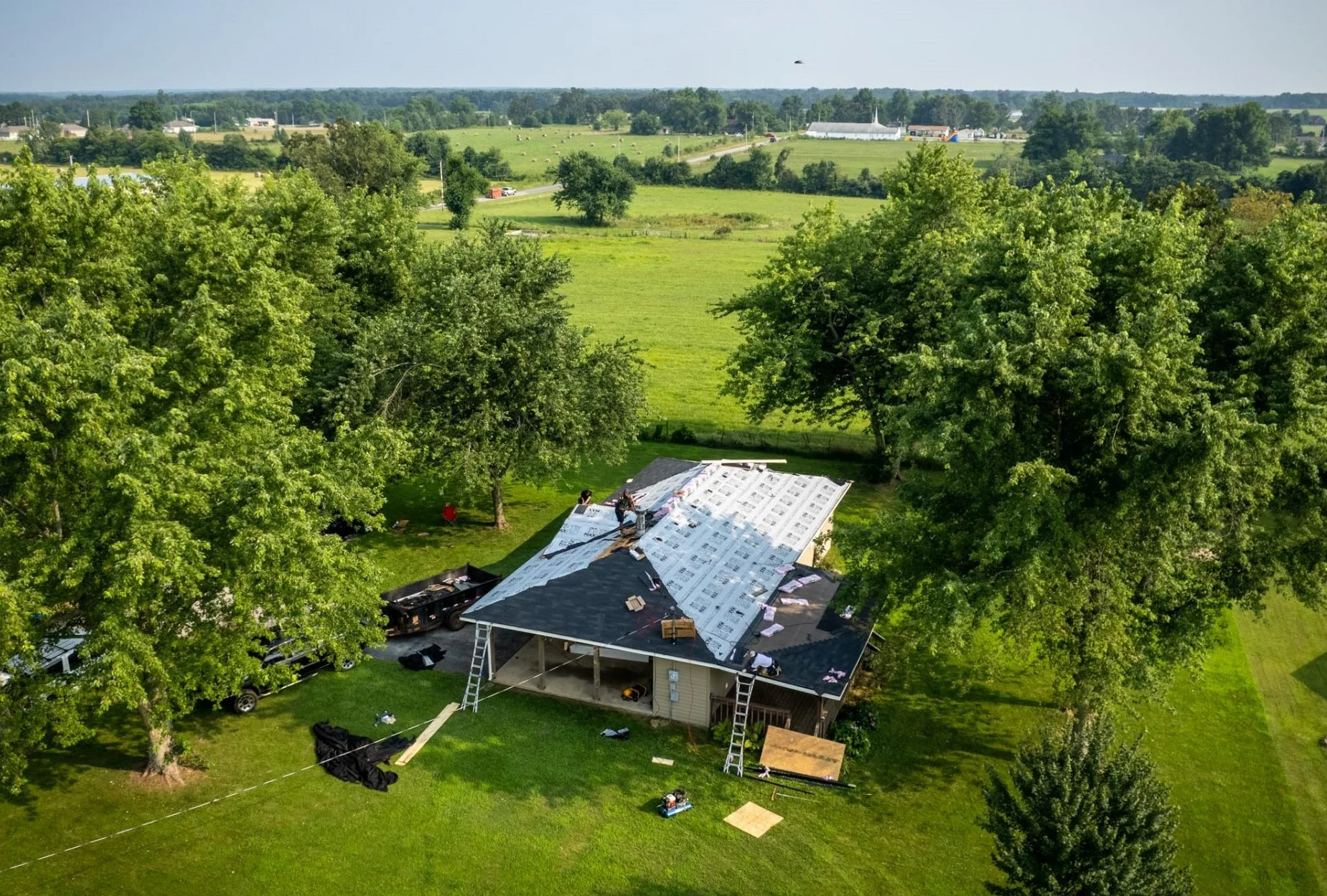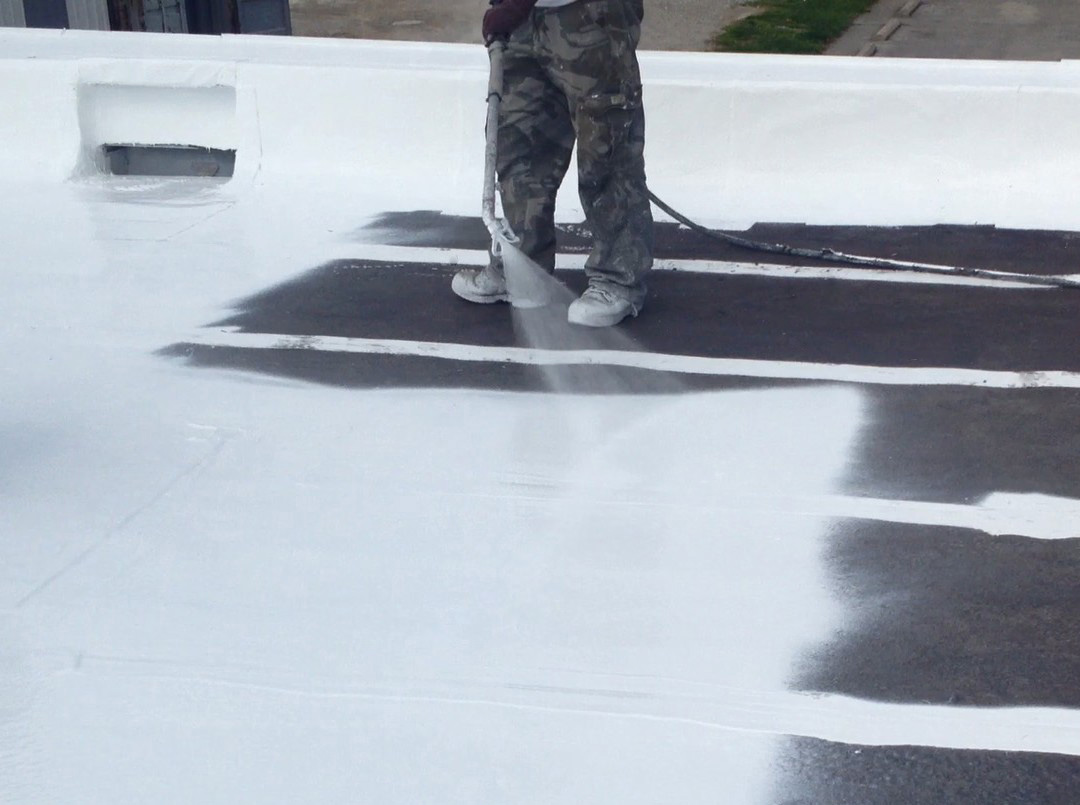
Silicone fluid-applied roofing is one of the most cost-effective capital decisions available to Dallas commercial building owners who have a qualifying existing membrane. We scope, prep, and apply silicone systems with 10, 15, and 20-year manufacturer warranty paths — and we tell you upfront when coating is not the honest answer.
Silicone fluid-applied roofing restores an existing qualifying membrane by encapsulating it under a seamless, UV-stable silicone layer that provides a new warranty path at roughly 50-60% of the installed cost of a full replacement. The category has grown significantly in Dallas commercial work over the last decade as TPO and modified bitumen roofs installed in the 2000s-2010s now qualify for restoration — the timing matches the maturation of the Dallas commercial roof inventory installed during the Frisco/Allen/McKinney suburban buildout.
We apply silicone coating systems from manufacturers including Tremco WJ, Versico, and Polyglass. We are not a coatings-only contractor pushing silicone as the answer to every aging roof. A coating project on a roof with wet insulation or a compromised membrane will fail its warranty inspection and void the manufacturer's coverage. Our first step on any coating inquiry is an honest substrate assessment — if the roof does not qualify, we say so and scope the correct path instead.
The three warranty paths — 10-year, 15-year, and 20-year — are driven by application mil thickness, the number of coating passes, the membrane substrate type, and the manufacturer's published system design. Thicker applications cost more but deliver longer warranty terms and significantly better pooled-water resistance, which matters on Dallas roofs where the spring rain pattern creates standing water events on low-drainage roofs after heavy storms.
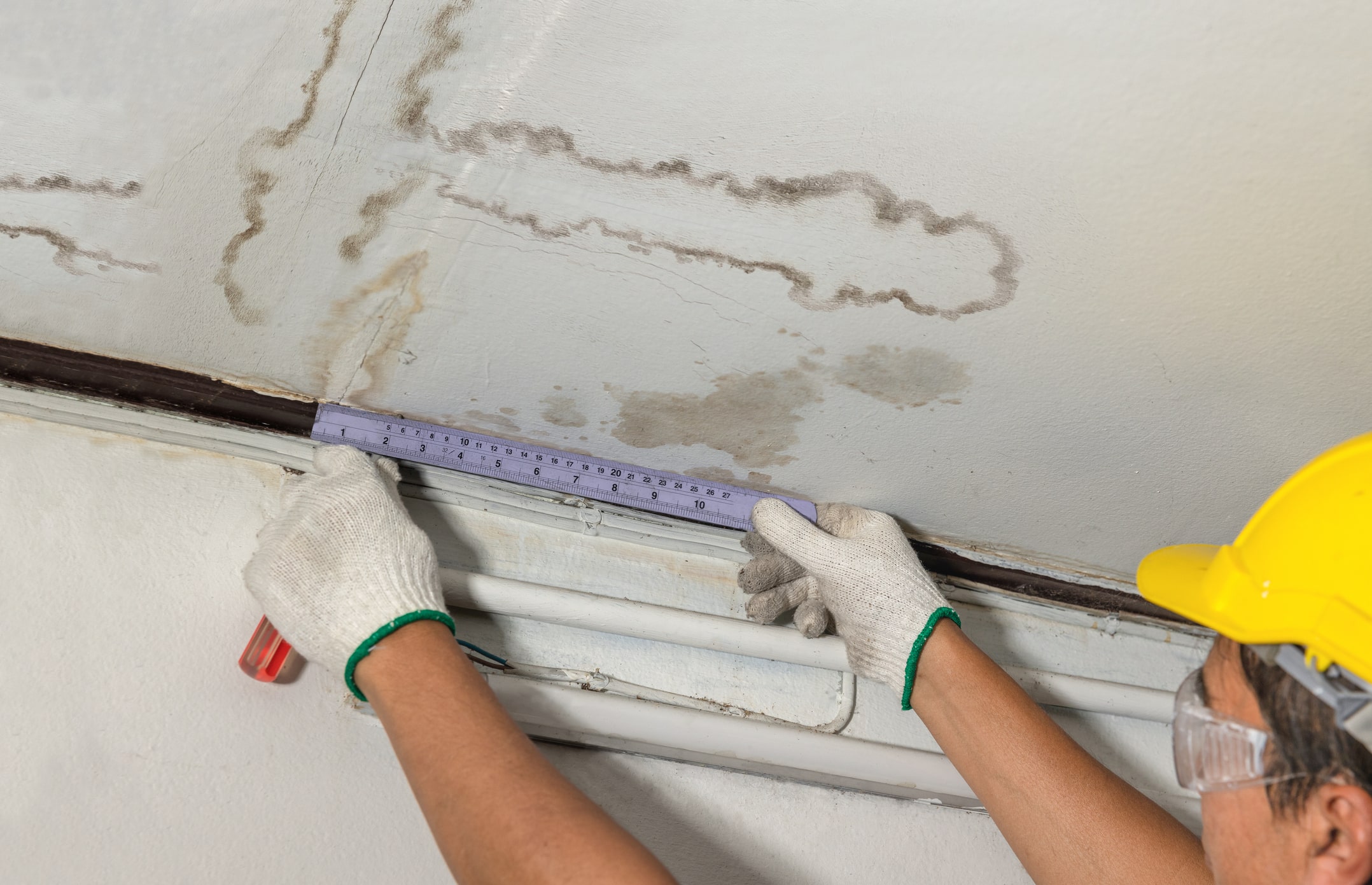
A roof qualifies for silicone restoration when it meets three conditions: the insulation is dry (confirmed by moisture core sampling), the existing membrane is structurally sound and adhered (no open seams, no delaminated sections, no saturated field), and the deck is not compromised. Buildings that
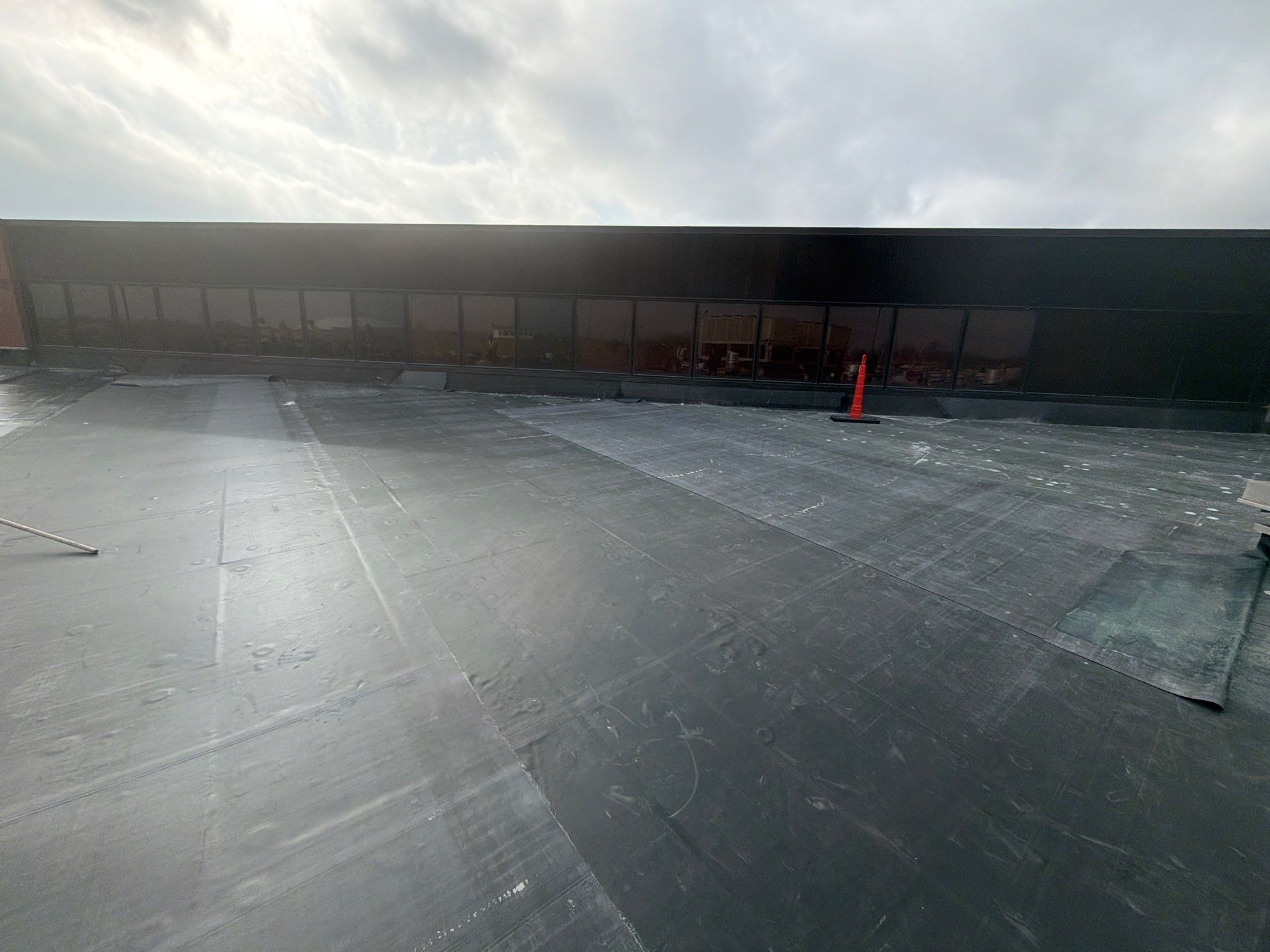
The most common qualifying substrates on Dallas commercial buildings are: existing TPO (mechanically attached or adhered) that is 10-20 years old and still in good membrane condition; modified bitumen cap sheet in good surface condition; and spray polyurethane foam (SPF) that needs re-coating at its scheduled interval. BUR surfaces can qualify with the right primer and base coat, but substrate variability is higher and we are more conservative in our assessment of BUR for coating.
Dallas-specific timing: many of the Allen Pkwy, Loop 12, and Harry Hines corridor office and industrial buildings installed first-generation TPO between 2000-2010. These roofs are now 15-25 years old — within the qualification window for silicone restoration on the buildings where the membrane held up. We can tell you where a specific roof lands in that window from a single inspection visit.
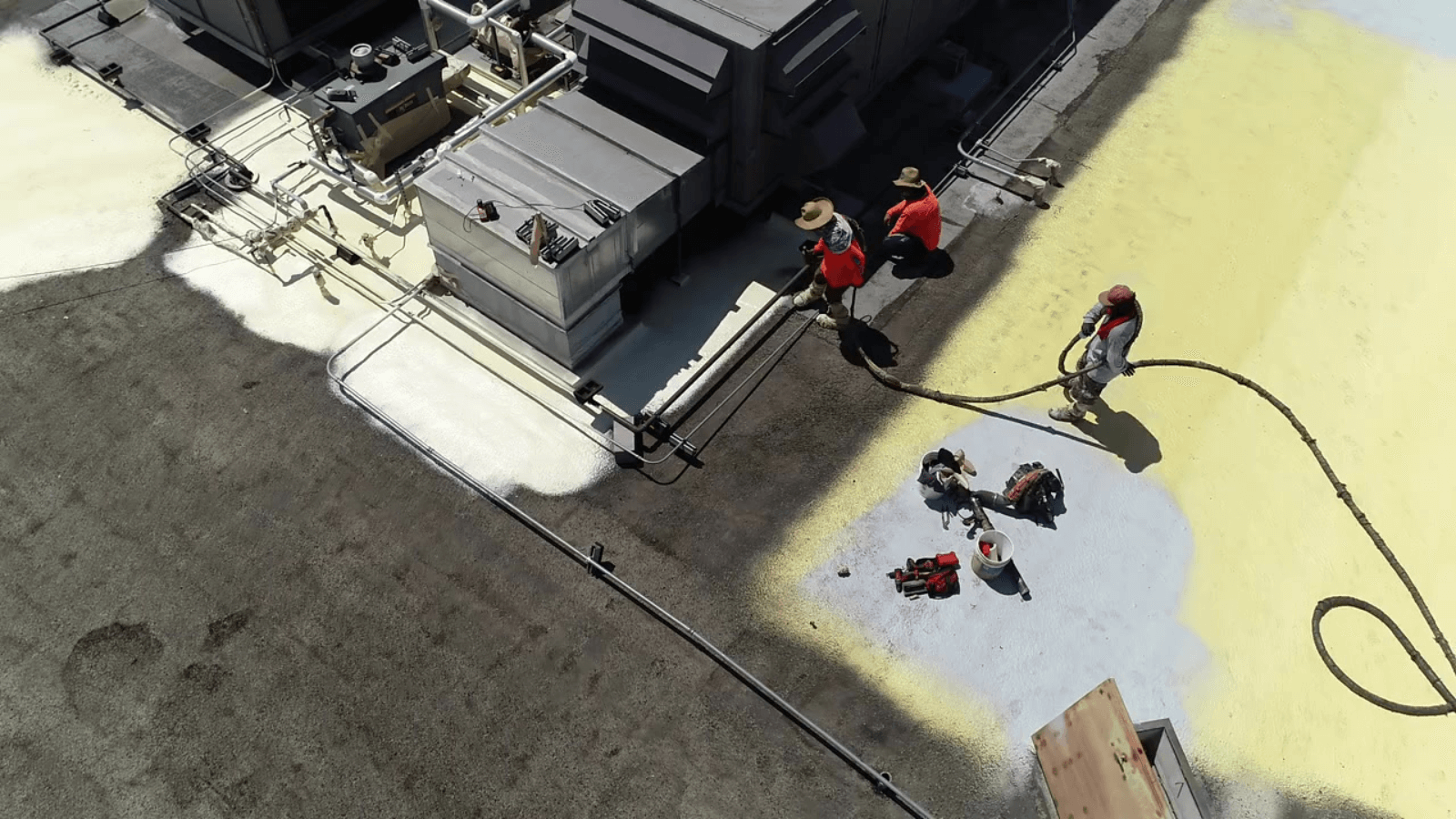
Silicone coating adhesion and long-term performance are entirely dependent on substrate preparation. Standard prep sequence: power washing to remove all contamination, chalk, biological growth, and loose aggregate (we run 3,500-4,000 PSI on field areas, lighter pressure on seams and flashings); full inspection and documentation of any open seams, failed flashings, or wet areas that need repair before coating; targeted repair of all deficiencies (seam repair, flashing re-termination, drain reset as needed); and manufacturer-specified primer application on substrates requiring it (most TPO and modified bitumen systems require primer; SPF does not).
Dallas heat and humidity create two substrate prep complications. First, the intense summer UV load means the surface must be coated within the manufacturer's specified window after washing — we schedule coating immediately after prep rather than leaving washed membrane exposed for days. Second, the Blackland Prairie humidity on overcast days (relative humidity regularly above 75% even in summer) can cause silicone application adhesion problems if ambient conditions are outside the manufacturer's application window. We check and log ambient conditions before every application session.
Base coat and top coat application goes in two or more passes to achieve the specified mil thickness. We use a wet-mil gauge after every 1,000 sq ft of application and at every flashings detail to verify thickness before the material cures — silicone cannot be added after cure without additional primer.