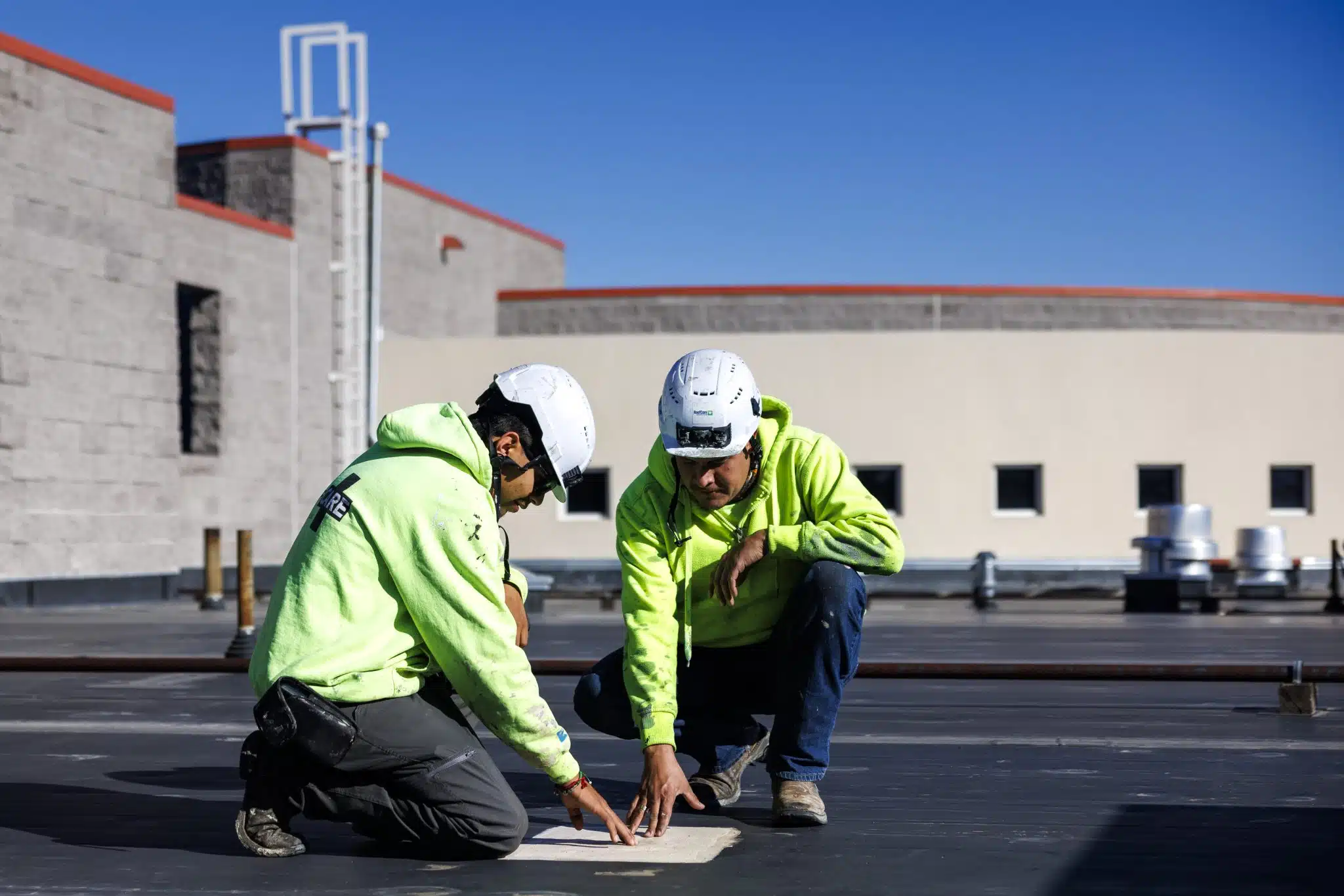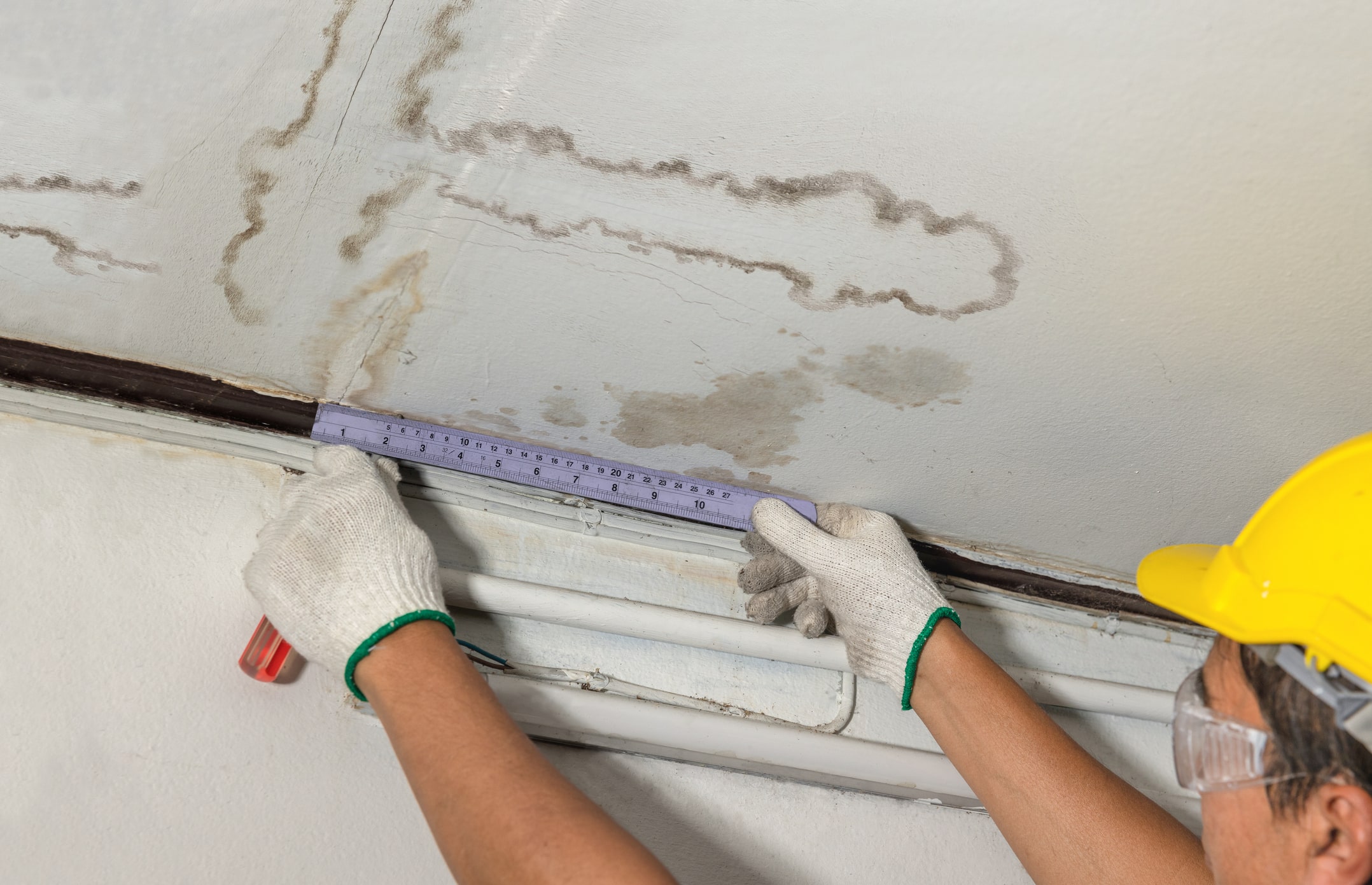
A commercial roof repair that does not find the actual water entry point is not a repair — it is a delay. We locate the entry point with infrared thermographic scanning at dusk when the thermal delta between wet insulation and dry insulation is most readable, document the membrane condition with photos the property manager can hand to the warranty carrier, and dry the deck before any patch goes down.
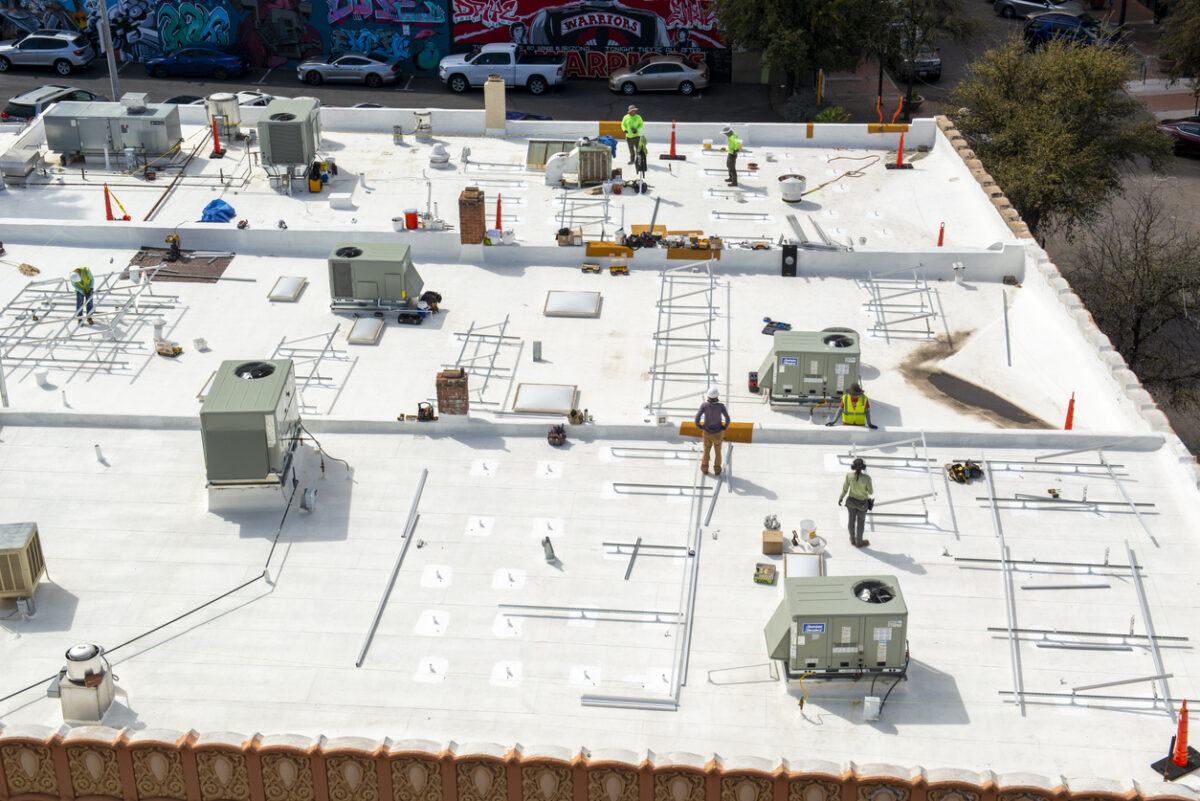
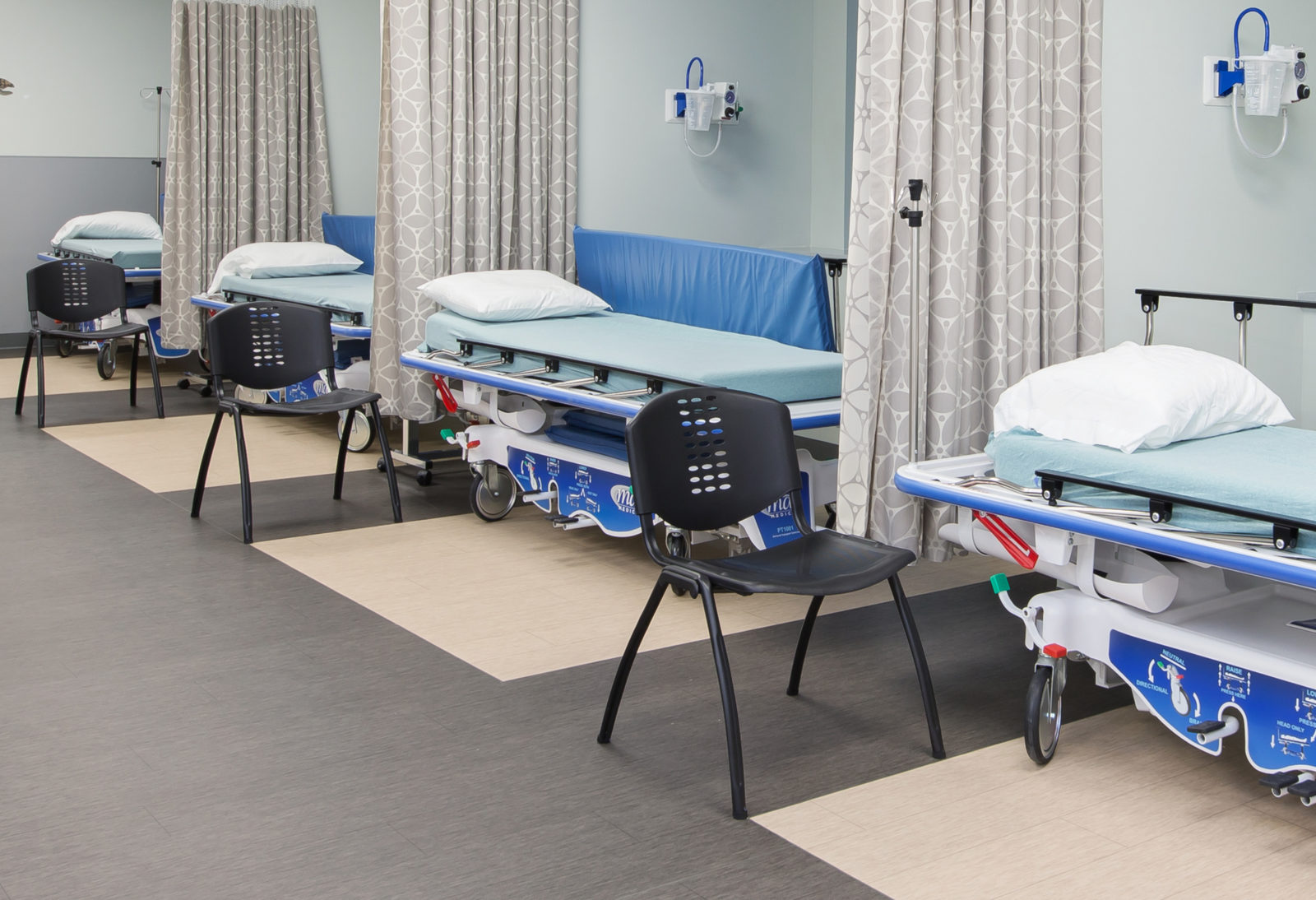
We document every repair with photos of the entry point, the repaired area, and the surrounding membrane condition so you have a complete record the warranty carrier accepts. Repair crews coordinate access around your tenant and operational schedules — occupied Uptown office buildings, active medical buildings in the Dallas Medical District at Methodist and Baylor University Medical Center, and retail centers along the Dallas North Tollway all run under the specific access protocols those properties require.
Repairs that correctly locate and fix the actual problem cost less over the lifecycle of a Dallas commercial roof than repeated patches that miss the entry point. We run infrared thermographic localization before any repair material goes on the roof. For DFW buildings with a history of recurring leaks on the same section, we include a drainage assessment and a membrane age evaluation as part of the repair scope — to determine whether the section is still a repair candidate or whether it has moved into replacement territory.
Multi-building DFW portfolios — industrial along the Stemmons corridor and I-20, office in Las Colinas and Plano, retail along the Sam Rayburn Tollway in Frisco — get consolidated service reporting, single-invoice reconciliation, and repair documentation that integrates with your asset management platform. We run multi-site repair programs under master service agreements so portfolio managers have a single point of contact and a consistent documentation standard across every property in the DFW footprint.
The DFW repair market has a specific seasonal pattern. Spring hail — May is the worst month for golf-ball-size impact events across Dallas County — produces a wave of puncture and seam repairs on TPO roofs. Summer heat expansion and contraction drives seam fatigue. Winter Storm Uri in February 2021 left freeze damage that showed up as leaks well into 2022 and 2023 on buildings that did not get a thorough post-Uri assessment.
Sudden leaks from heavy rain, hail, or wind events can shut down operations and damage interiors. We respond quickly to stop water intrusion and stabilize the site so your building can remain operational.
Moisture beneath the roof membrane is often hidden until it spreads. It reduces energy efficiency, drives up utility costs, and can compromise the structural deck. We use diagnostic tools and proven methods to restore integrity and performance.
Standing water accelerates membrane deterioration, adds unnecessary weight to the roof structure, and is a leading cause of leaks. Our crews clear blockages and re-establish positive drainage to extend the roof’s service life.
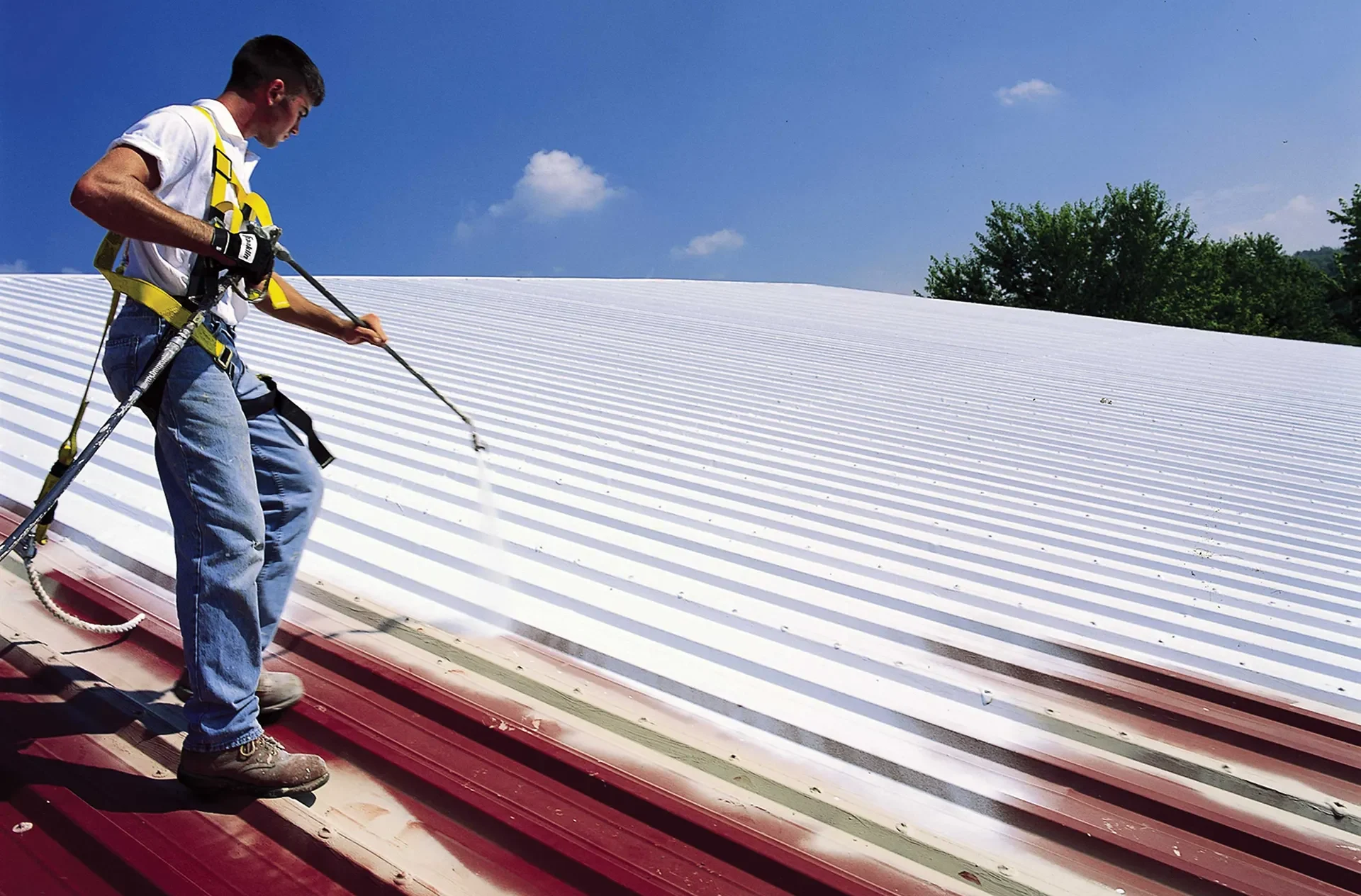
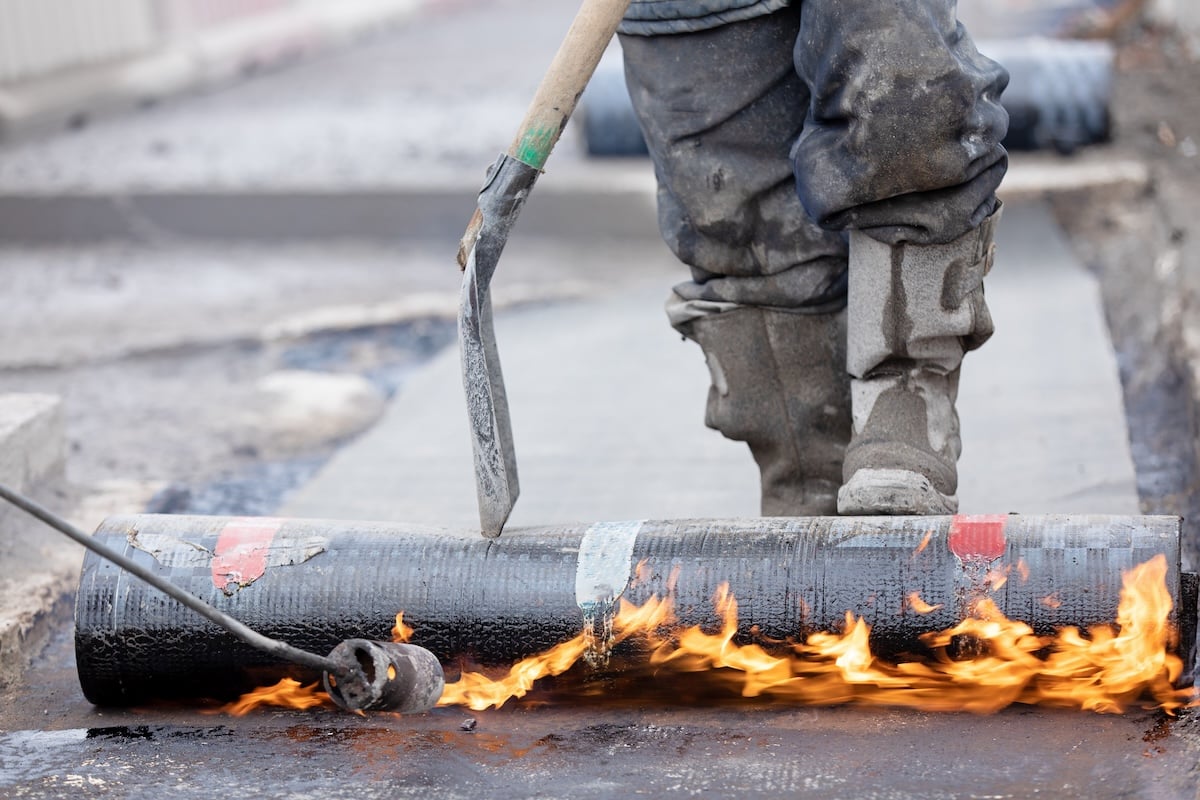
Membranes naturally degrade over time, and even small punctures from foot traffic or dropped tools can allow water in. Our technicians repair damage using manufacturer-approved materials to preserve warranty coverage.
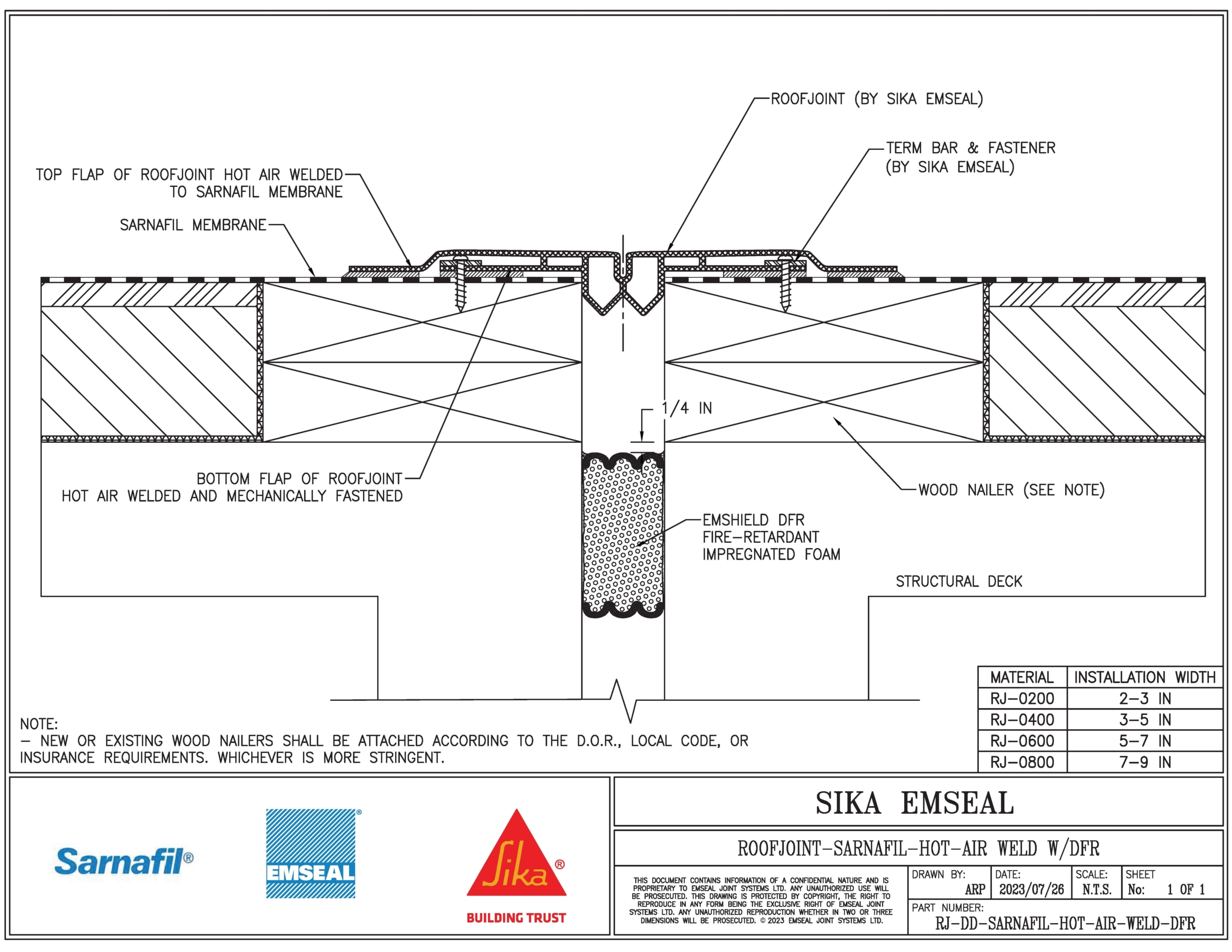
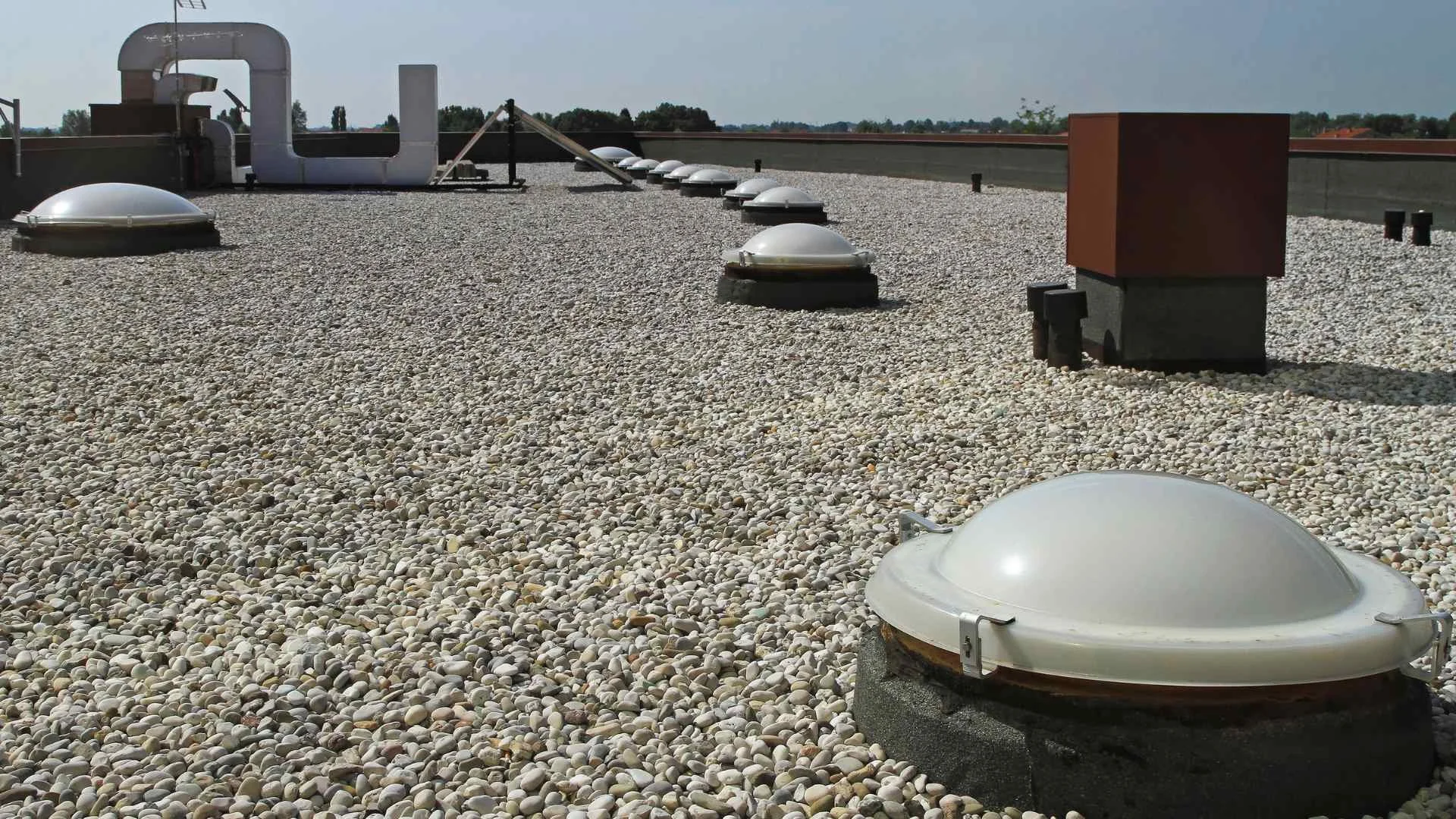
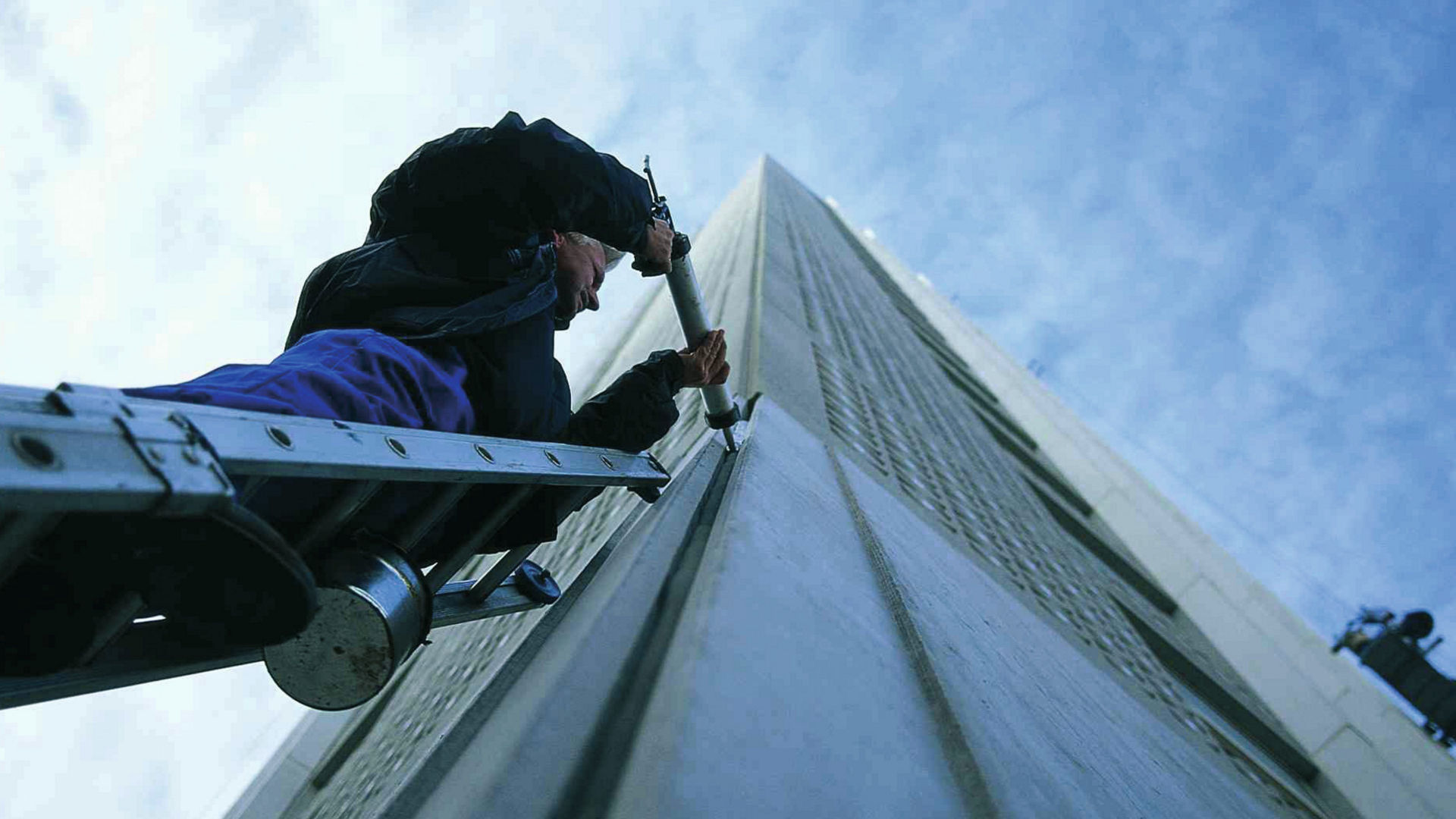
Roof penetrations are high-risk leak points. Improperly sealed or aging flashing around HVAC units, skylights, or curbs can allow water to infiltrate critical areas. We reseal or replace these details to restore protection.