Dallas does not have a snow removal problem — it has a hail recovery problem and a periodic freeze-event problem that the rest of the country does not think about when they look at a Texas address. The February 2021 Winter Storm Uri brought sub-zero temperatures to the DFW Metroplex for five consecutive days, froze drain bowls and drain bodies across hundreds of commercial roofs, burst pipe penetrations, and left membrane damage that did not manifest as active leaks for months afterward. We respond to those events and we know what the recovery work actually requires.
Our storm and freeze response program covers the three DFW weather events that generate commercial roof damage: Class 4 spring hail across Dallas County, periodic freeze events that stress drain systems and membrane penetrations, and straight-line wind events from supercell thunderstorms along the I-30 and I-20 corridors. Each has a different response sequence and different documentation requirements.
When a freeze event hits or a major hail storm passes through, our crews dispatch for drain clearing on frozen drain bowls, emergency dry-in on wind-breached sections, and temporary membrane sealing at penetrations where freeze-thaw cycling has cracked the flashing detail. Active water intrusion is the priority; ice and debris clearing follows once the interior is stabilized.
After a Class 4 hail event or a freeze event clears, we perform a full roof inspection with GPS-pinned damage mapping, membrane condition photos at each affected section, and a written condition report your insurance and warranty carriers both accept. The documentation record from the first 72 hours after a storm event is what separates a clean claim from a disputed one.
Before each DFW winter season, we verify drain bowls and bodies are clear of debris and sediment, membrane terminations at parapet and flashing transitions are sealed, and any standing water that could ice over a drain is addressed. Winter Storm Uri showed what happens when drain freeze-over is not anticipated — pre-freeze clearing is now a standard fall service for every building on our maintenance calendar.
Proficient in major facility management portals, including ServiceChannel, Corrigo, Building Engines, Emcor, fmPilot and Ariba
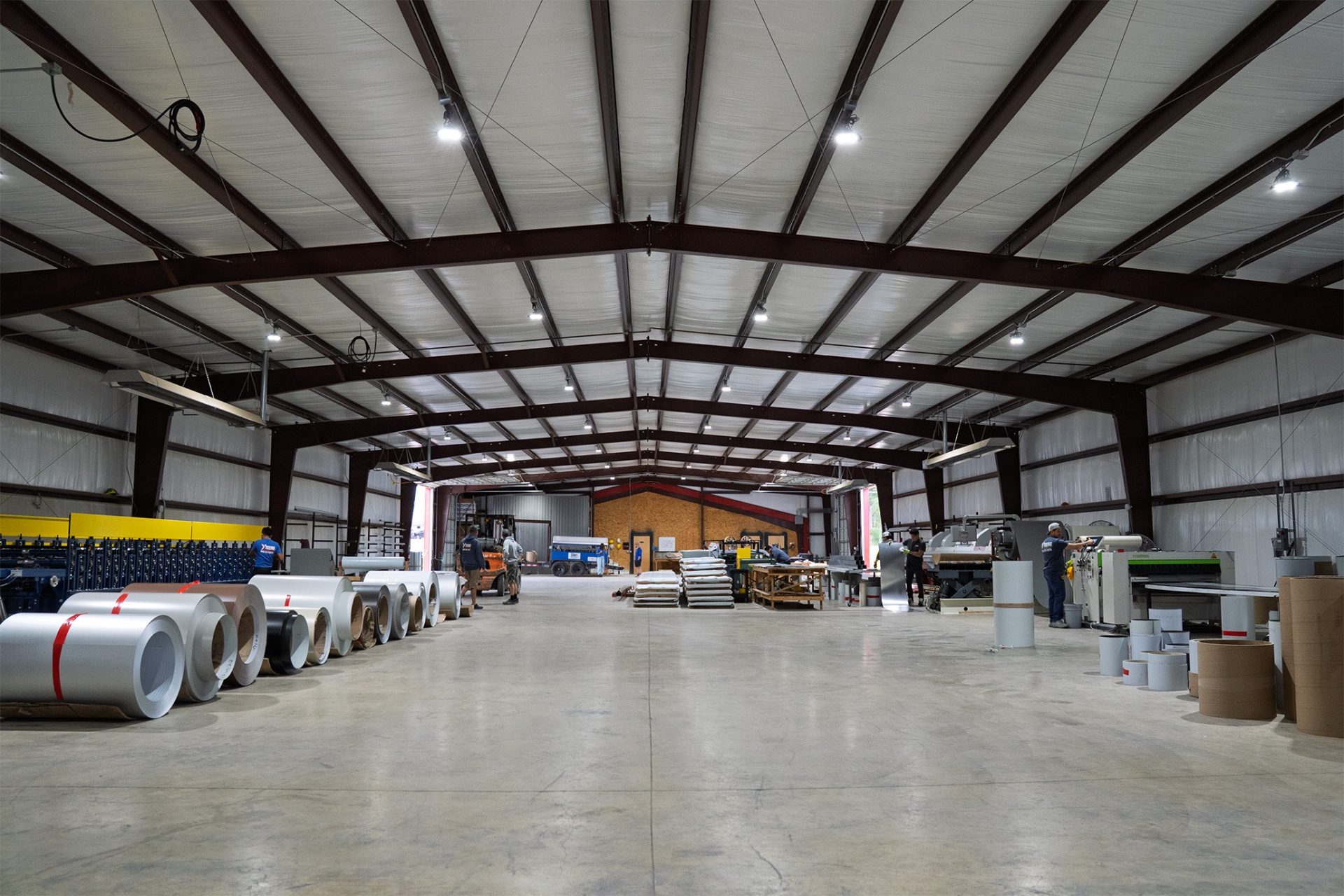
We apply coatings across Healthcare, Retail, Industrial, Education, Office, and Warehousing environments — delivering solutions that minimize disruption while protecting long-term asset value.
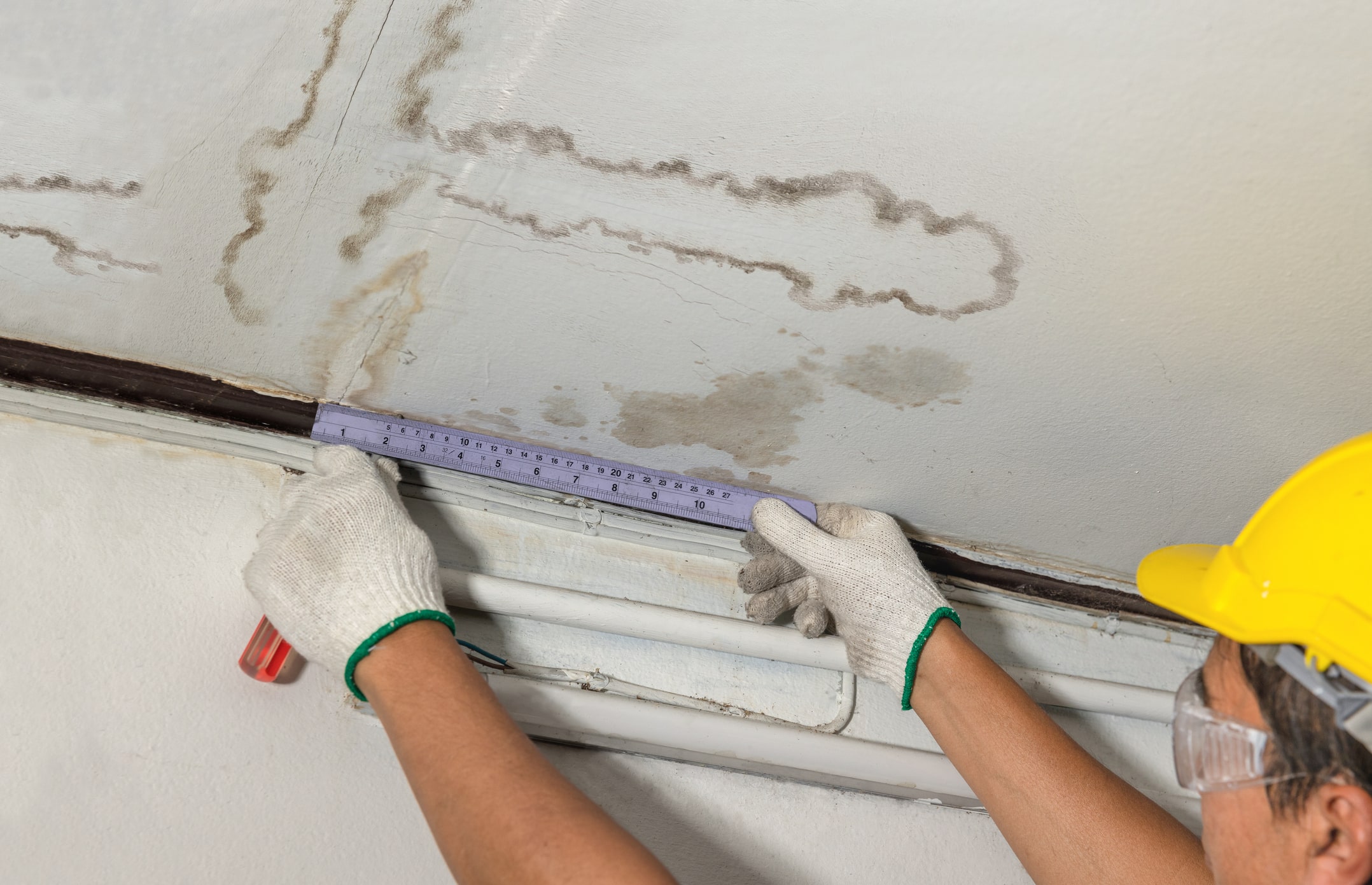
Winter Storm Uri hit DFW in February 2021 with sustained sub-zero temperatures that the region had not experienced in decades. The consequences for commercial roofs were specific: drain bowls froze solid, creating ponding water risk at the first thaw. Pipe penetrations that had marginal flashing details froze and cracked. The membrane on roofs with standing water at freeze onset expanded and cracked at seams and penetration points. And the wet insulation from burst internal pipes or from freeze-thaw cycling did not always show as active leaks for six to eighteen months. If your building went through Uri and has not had a full post-event moisture survey, the insulation condition may be worse than the current leak history shows.
Within 72 hours of a significant hail event — ideally before the next rain cycle. Class 4 hail events in May across Dallas County are common, and the damage they leave on TPO and modified bitumen roofs is not always visible as an active leak immediately after impact. The inspection documents membrane punctures, seam stress at impact points, and granule loss on modified bitumen in the format your warranty and insurance carriers require. Documentation from the first 72 hours establishes causation; documentation after multiple subsequent rain events is weaker.
A post-hail inspection is a damage-documentation event, not a routine walkthrough. We GPS-pin each impact location, photograph the membrane surface at each point, notate whether the impact exceeded the membrane's rated impact resistance, and deliver a structured damage report your carrier can act on. A standard maintenance inspection confirms overall condition and generates warranty compliance documentation. Different purpose, different output format, different billing structure.