A commercial roof failure at 2 a.m. after a DFW spring thunderstorm is not a call center situation — it is a crew dispatch situation. We run our own emergency response and our project managers pick up the phone. A leak over an active data center floor in Las Colinas, hail damage stabilization after a Class 4 event in Plano, or wind-driven water intrusion at a Baylor University Medical Center adjacent building all require the same thing: a crew with the right material inventory on-site as fast as possible, stopping water intrusion before the secondary damage runs past the primary repair cost.
Emergency calls reach our project managers directly. We dispatch the right crew with the right material for active intrusion, storm damage dry-in, or post-hail inspection — and we coordinate access with your facility team in parallel rather than sequentially.
Emergency documentation is the front end of any insurance or warranty process. Every crew dispatched for emergency work produces a pre-repair photo record and a causation description your carrier accepts without a second request.
Active roof failure over retail tenants during business hours creates liability and revenue loss simultaneously. We prioritize active interior intrusion calls and can deploy temporary dry-in within the tenant operating window when permanent repair scope requires a longer lead time.
Our project managers pick up emergency calls directly. We triage the situation — active interior water intrusion, surface membrane failure with no interior penetration yet, or inspection-only post-storm — and dispatch the right crew with the right material for the specific condition. Separate crews for active leaks versus post-storm inspection.
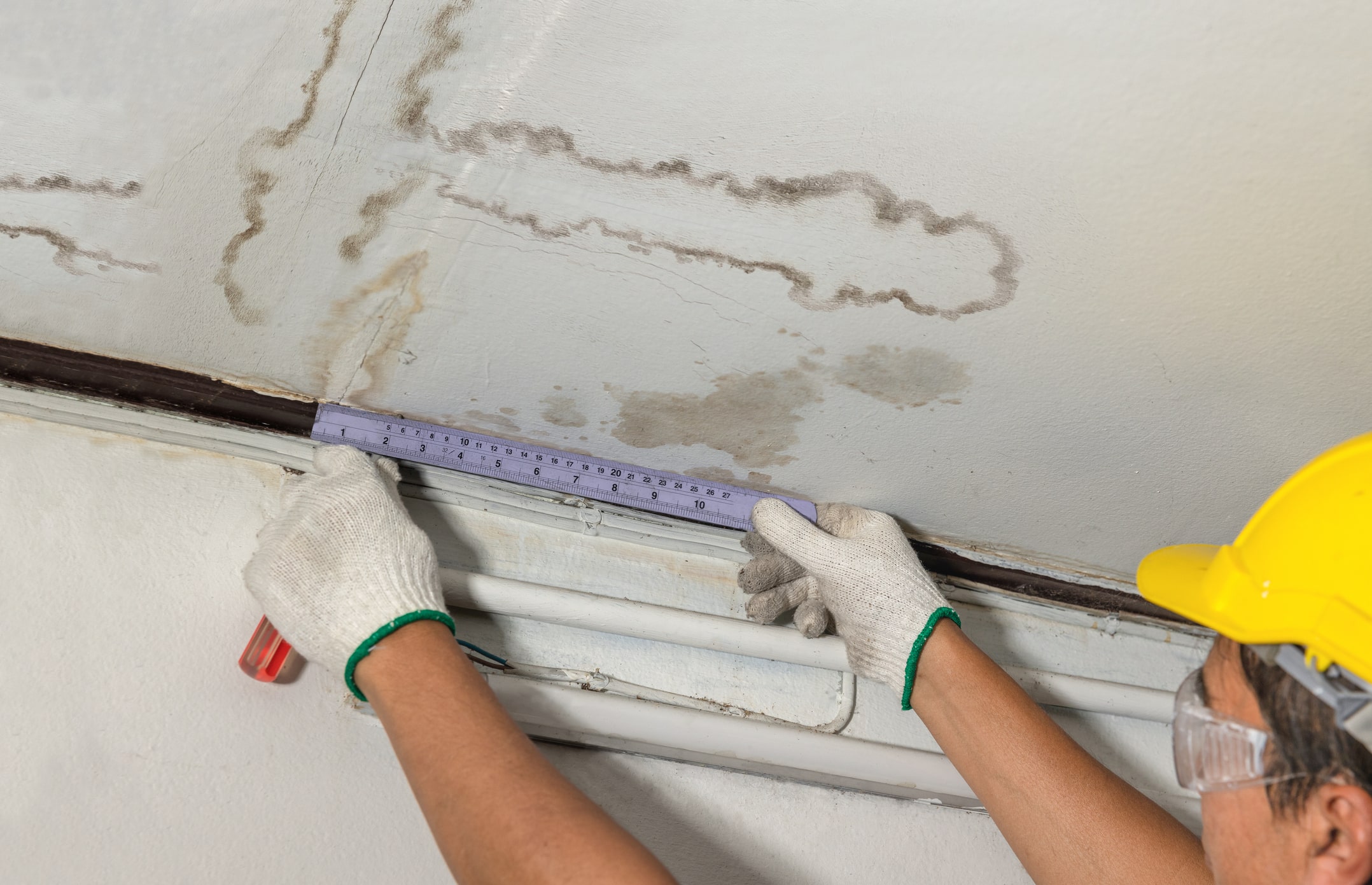
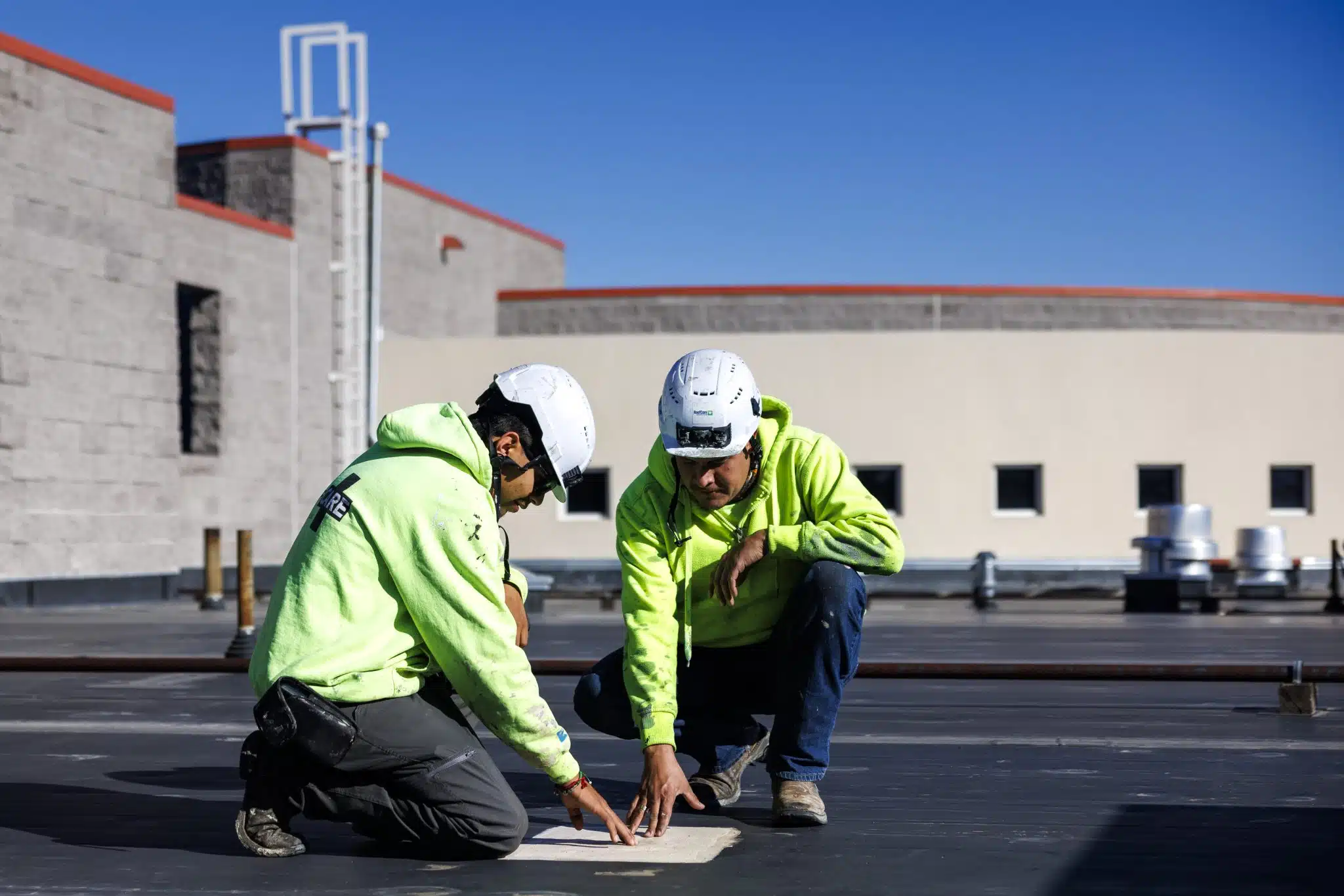
The first crew on the roof documents the damage before any repair material goes down. GPS-pinned damage points, photo records of the membrane condition at each failure location, and a written causation description organized by roof section. This documentation is the front end of any warranty or insurance claim process.
Temporary dry-in stops water intrusion while permanent repair scope is confirmed. We use manufacturer-approved temporary measures — rubberized flashing membranes, reinforced tarps secured to existing roof structure without additional penetrations, and temporary drain covers where drain failure is the entry point. Temporary measures that add new penetrations or compromise the existing membrane create additional problems.
After temporary dry-in is in place and interior damage is stabilized, we scope the permanent repair. Scope options range from targeted seam and penetration repairs to partial replacement of the failed section to full roof replacement if the storm event has compromised more than the damaged section can absorb.
Permanent repairs use manufacturer-approved materials and methods. We confirm the existing warranty status before the permanent repair scope is finalized.
Emergency repair close-out documentation includes: pre-repair damage photos, temporary dry-in installation record, permanent repair scope and materials used, post-repair photos at each repair location, and a warranty compliance notation. The close-out package is delivered within 48 hours of permanent repair completion.