Torch-down and self-adhered modified bitumen on qualifying Dallas commercial recover and replacement projects — honest guidance on where mod-bit is the right call in 2024 and where single-ply has eclipsed it.
Modified bitumen is not a legacy membrane trying to compete with single-ply. It is the right specification for a specific set of Dallas commercial roofing situations — and the wrong specification for most others. We install mod-bit. We also tell owners when TPO or EPDM is the better economic and performance choice for their building.
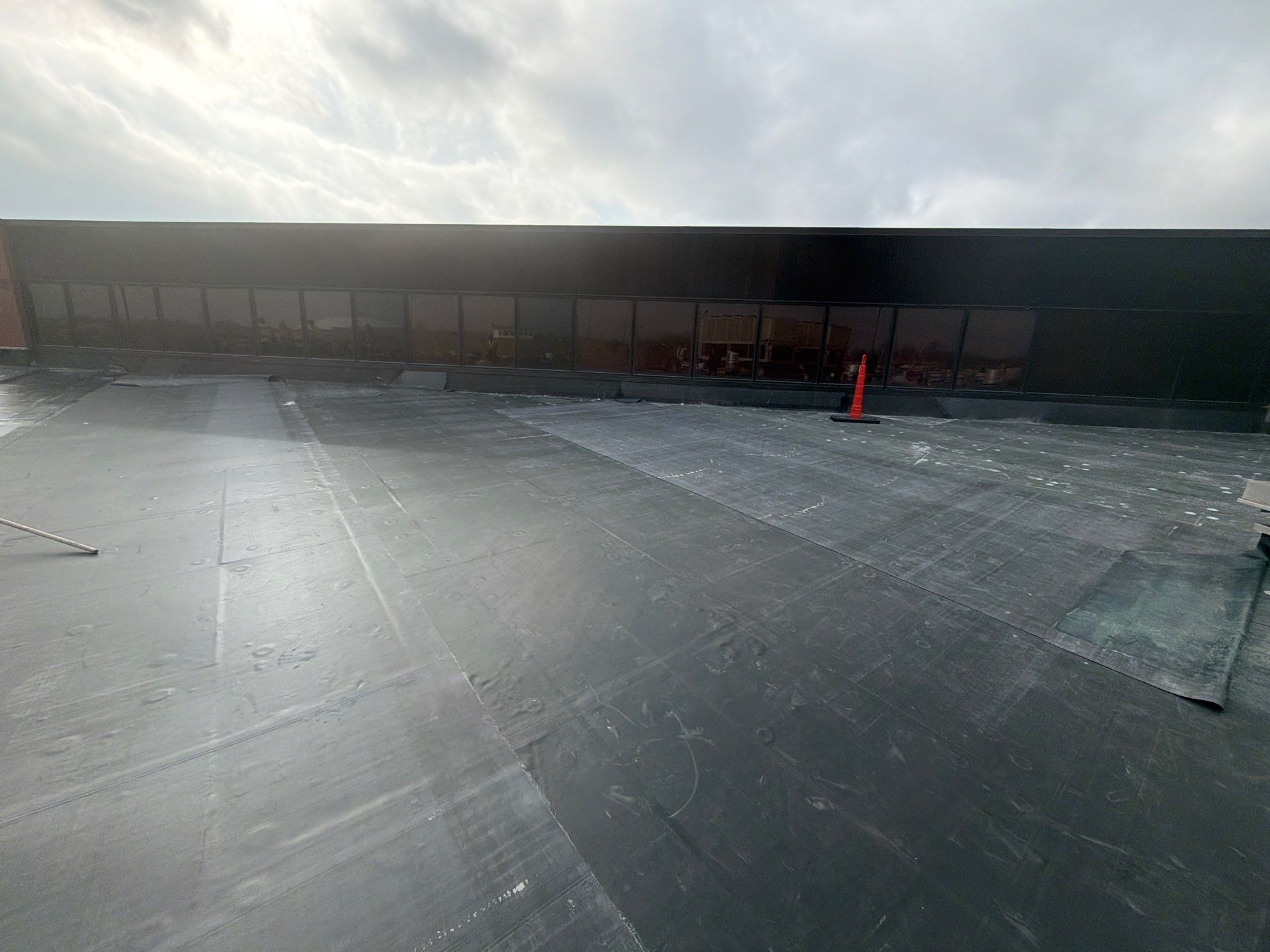
Torch-down SBS modified bitumen was the dominant commercial membrane on Dallas buildings from roughly 1985 through 2005 — particularly on the smaller commercial buildings in Oak Cliff, Pleasant Grove, and the older retail corridors along Greenville, Henderson, and Mockingbird. Many of these buildings ran two-ply torch-down systems that are now in second-generation replacement territory. On these buildings, a mod-bit recover or replacement using current-generation SBS granulated cap sheet is often the logical continuation — compatible with existing BUR base plies, familiar to the building's existing maintenance vendors, and priced competitively against single-ply on smaller roofs.
Self-adhered modified bitumen (cold-applied) has become the preferred specification where open-flame work is prohibited or significantly restricted — medical facilities, occupied buildings with combustible contents, and buildings where the hot-work permit process is prohibitively burdensome. Self-adhered systems eliminate the torch entirely while delivering comparable performance to torch-applied SBS.
Recover over existing BUR (built-up roofing): Many Dallas commercial buildings built before 1980 are running original gravel-surface built-up roofs. A mod-bit recover over existing BUR — applying a new SBS granulated cap sheet over the existing gravel base with a leveling ply — is often the most cost-effective life extension when core pulls confirm dry insulation. This avoids full tear-off cost and disposal of a functioning base system.
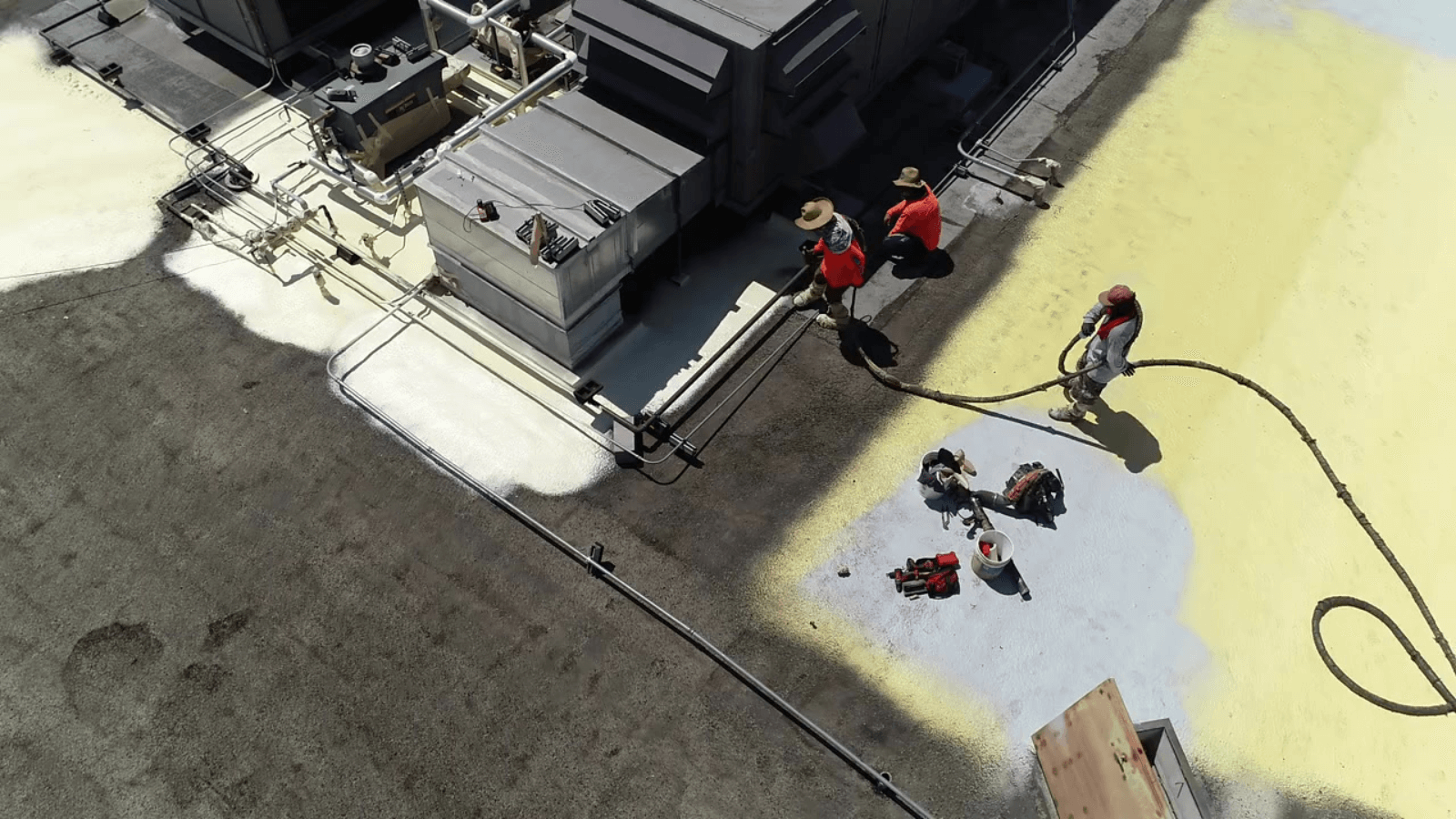
Small and complex roofs with multiple penetrations: Modified bitumen's multi-ply nature handles penetration-dense roofs more forgivingly than single-ply. A building with dozens of penetrations — condensate lines, exhaust flues, conduit sleeves, rooftop equipment — can be detailed more efficiently in mod-bit than in TPO where each penetration requires a custom-welded flashing component. On roofs under 5,000 sq ft with high penetration density, mod-bit is often the faster and more reliable system.
Cold-storage and temperature-differential buildings: Mod-bit performs well on low-slope roofs over cold storage where the temperature differential between interior and exterior creates unusual vapor drive conditions. The multi-ply system is more tolerant of vapor pressure cycling than thin single-ply membranes.
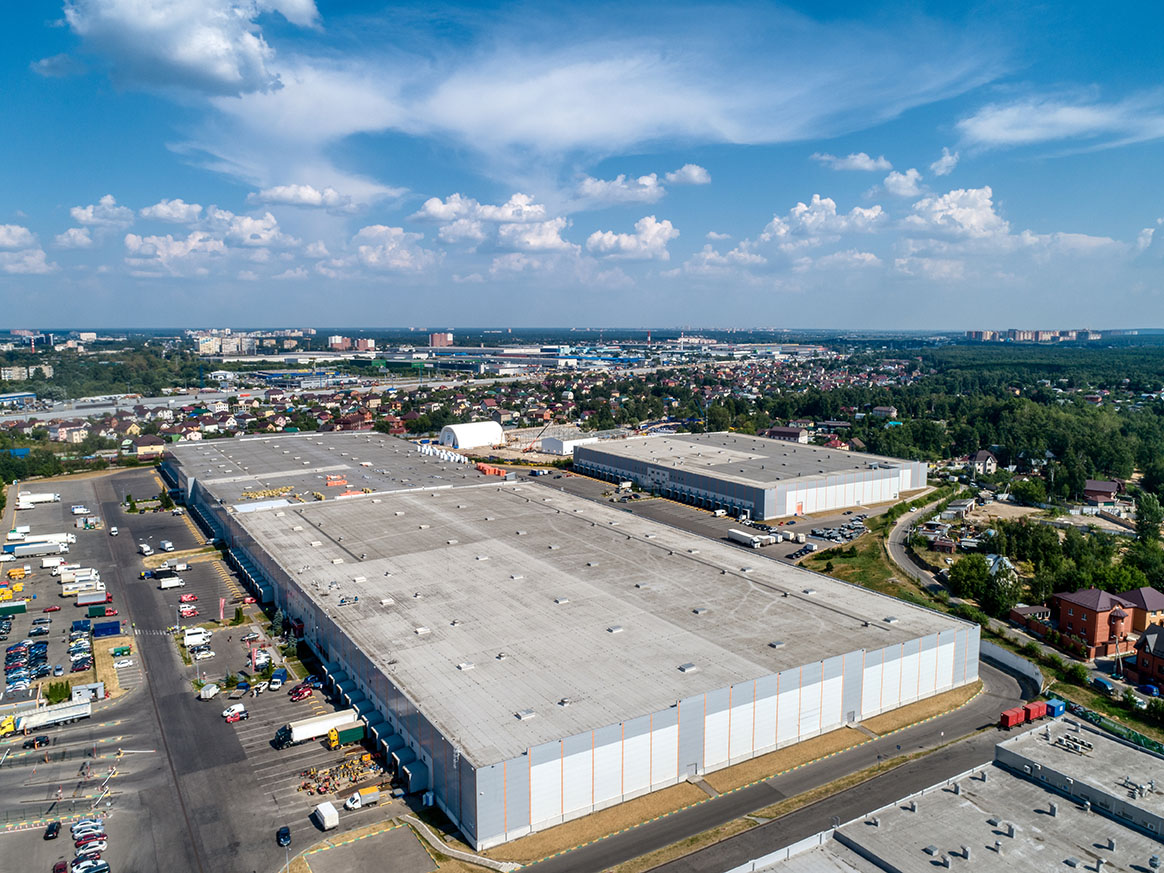
Large warehouse and distribution buildings (above 20,000 sq ft): On large-format low-slope industrial roofs, mechanically attached TPO or EPDM installs faster, carries equivalent warranty terms, and costs less per square than torch-down mod-bit. The labor differential on large roofs is significant enough that TPO is almost always the better capital decision.
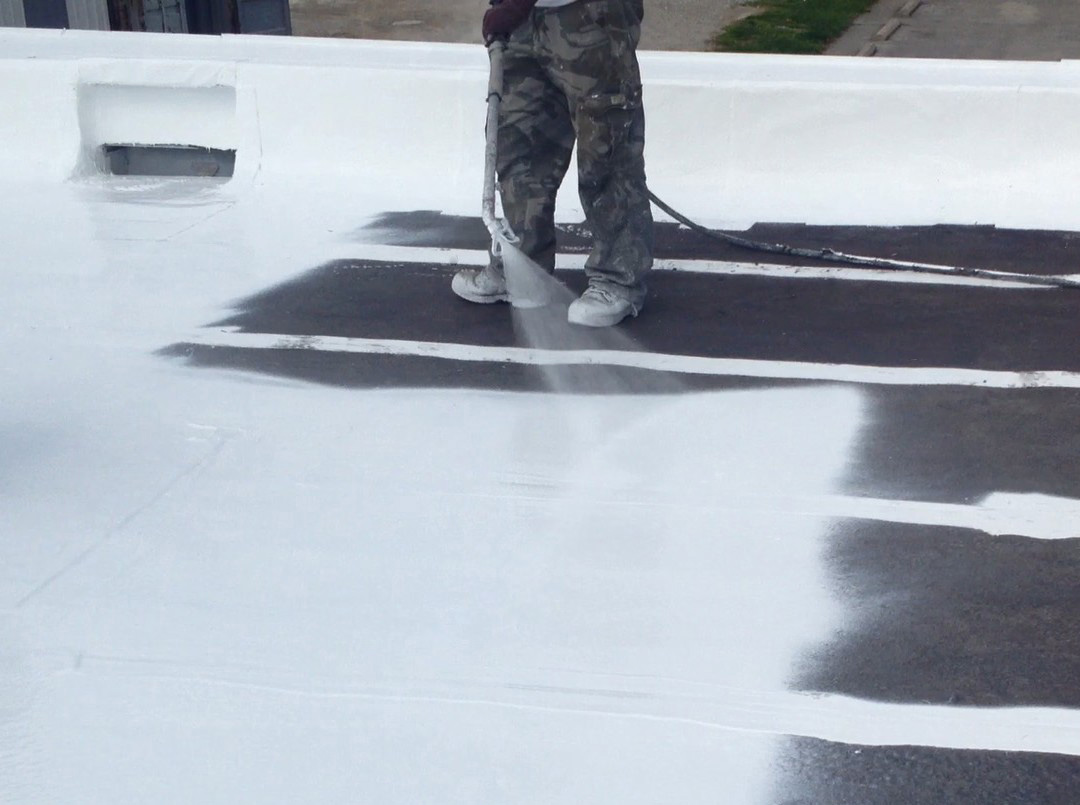
Cool-roof and energy code compliance: Texas energy code (IECC 2021) requires cool-roof Solar Reflectance Index (SRI) compliance on many new commercial roof installations. White TPO and white PVC achieve SRI 78-104 easily. Mod-bit granulated cap sheet in standard gray or black runs SRI 0-20 — substantially below code minimum without a white granule surface or a reflective coating applied over. White-granule mod-bit cap sheet is available and code-compliant but costs more and is less commonly stocked.
Long-term warranty requirements: The maximum standard manufacturer warranty on modified bitumen systems from major manufacturers is 20 years, and many programs cap at 15 years. TPO and PVC carry 20-year and 25-year NDL paths. For building owners making a 25-year capital decision, single-ply wins on warranty term.