A commercial roof claim moves on the strength of its documentation. We build the roof-side file — zone diagram, photo log, moisture readings, and a written repair-or-replace scope — so your insurance company is working from a complete, accurate account of the roof rather than a partial walk-through.
A handwritten scope on a contractor pad, or a phone photo taken from the parapet edge, is a starting point, not a documentation package. It leaves the reviewer with questions instead of answers — where exactly is the damage, how does it compare across the roof, and what does a complete repair actually require. A zone-referenced diagram with a full photo log and a written scope closes that gap, and it gives every party reading the file the same reference points instead of relying on separate, conflicting descriptions of the same roof.
We build that second kind of package on every post-event inspection we perform for a Dallas commercial building. It doesn't guarantee how a claim resolves — that's outside our role as roofers — but it does give whoever is reviewing the file, on either side, a complete and accurate picture of the roof's condition.
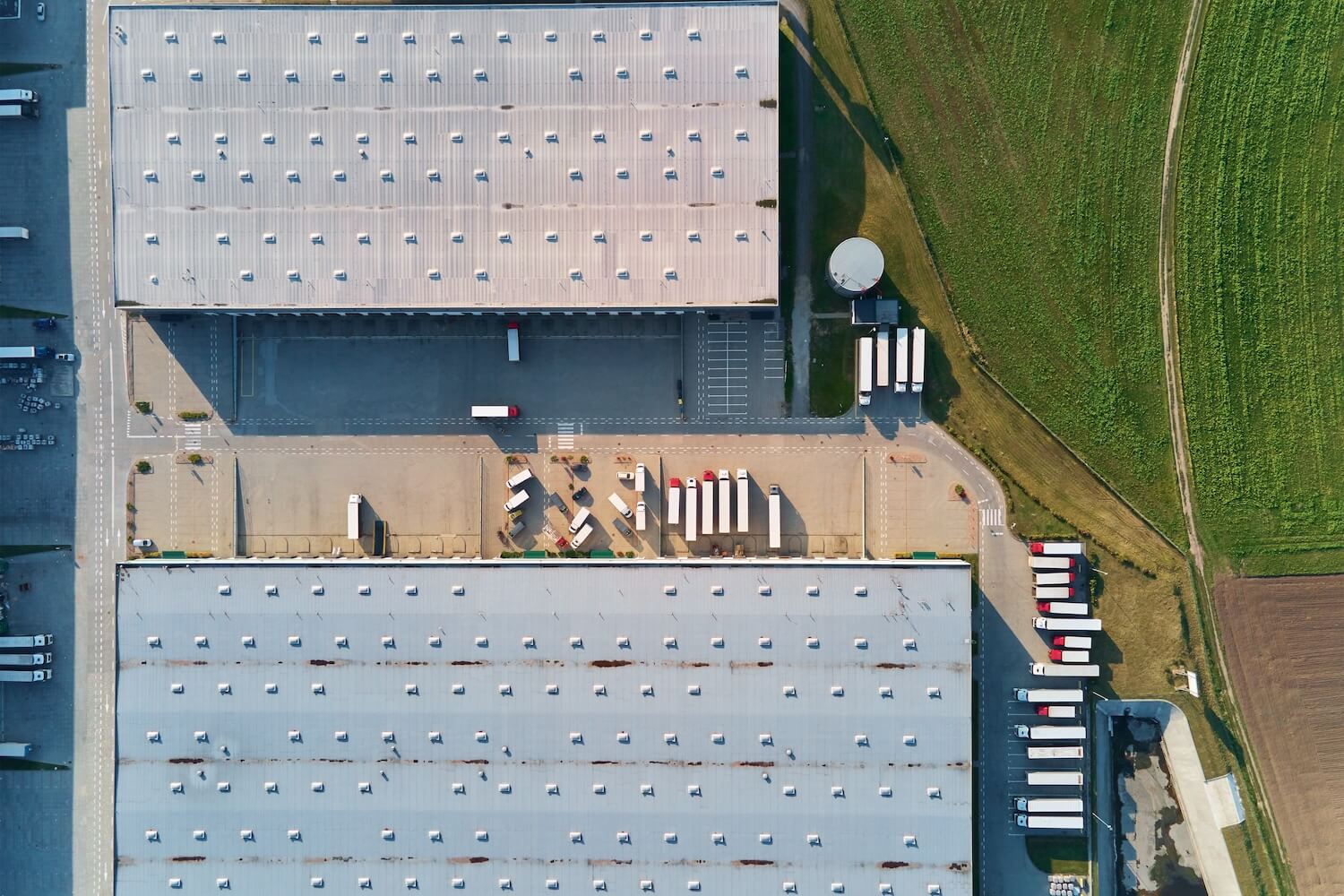
Zone diagram: a to-scale layout of the roof divided into labeled zones, typically A through H for a rectangular building, with corner and perimeter zones tracked separately from field zones. Every damage location, drain, penetration, and piece of rooftop equipment is plotted against this diagram, which becomes the organizing reference for the rest of the package.
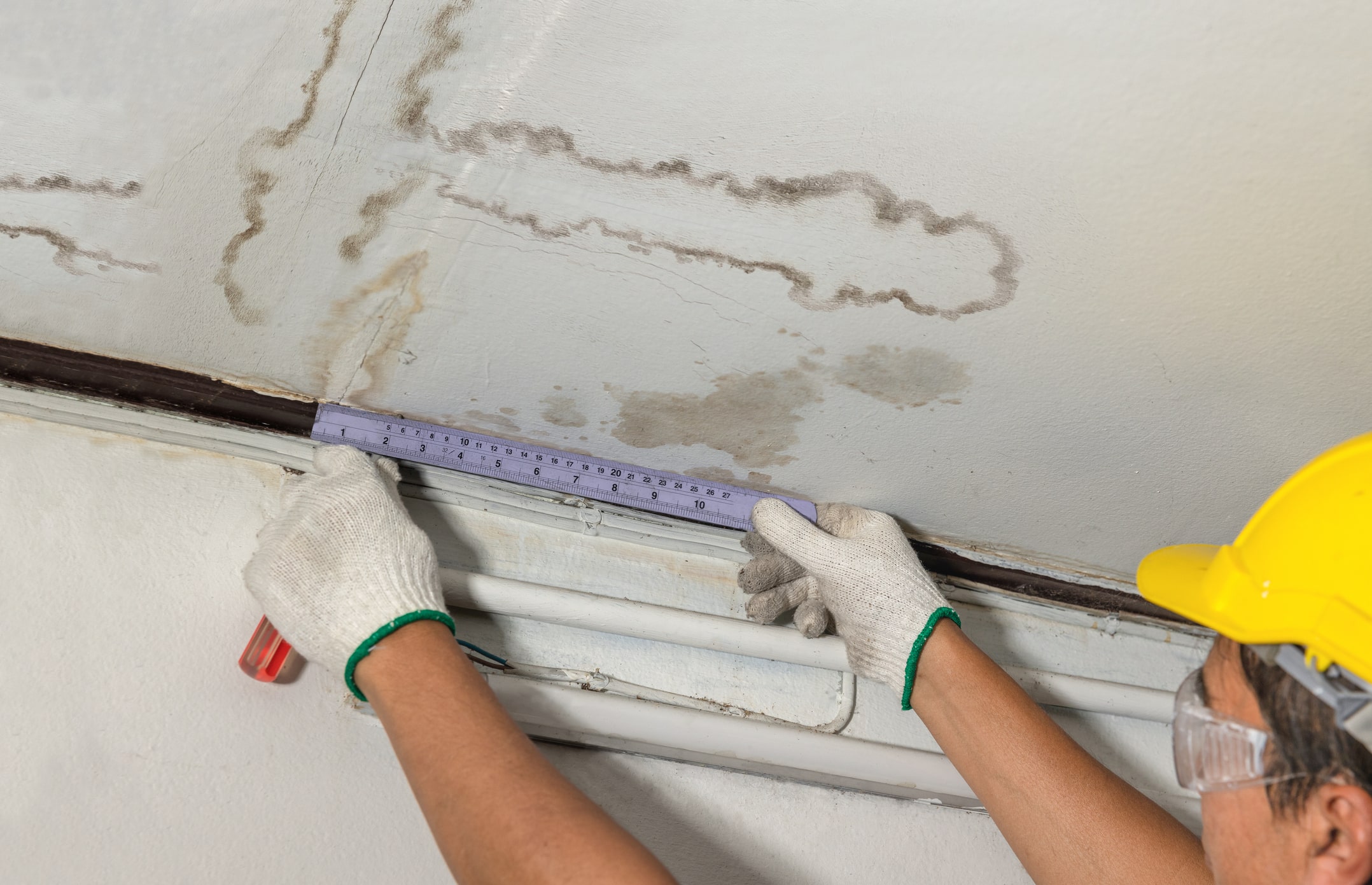
Photo log: photographs at every damage location, indexed to the zone diagram, with a wide context shot, a mid-range damage shot, and a close-up with a measurement reference at each spot. A mid-size commercial building typically generates somewhere between 80 and 200 labeled photos. Each photo carries a zone reference and a damage-type label, so the log can be cross-checked against the diagram spot by spot rather than read as a loose folder of images.
Moisture readings and core samples: where insulation damage is suspected beneath an intact membrane, we take core samples and log saturation depth at each location, referenced back to the zone diagram so the moisture pattern lines up with the surface findings.
Repair-or-replace recommendation: a written call, by zone, on whether that section of roof should be repaired or replaced, with the basis stated — membrane condition, insulation saturation percentage, fastener pull-out density, or pre-existing wear that the event compounded. The reasoning behind each call stays visible on the page instead of being buried in a single-line conclusion.
Field reviewers use the zone diagram and photo log to scope repair work without a second site visit — square footage of membrane, linear footage of flashing, drain rebuilds by count, all referenced to a location instead of a general description. Desk-based reviewers who never walked the roof use the same package as their primary scope reference, and the completeness of the package often determines whether they can work from it directly or need to send someone out again.
If you bring in independent counsel or a claims consultant to help with a dispute, our documentation gives them a complete technical record to work from — accurate to what we found on the roof, not built to hit a predetermined number. Our name is on every package we produce, and the accuracy of what we report is what that name is worth.
We're a roofing contractor, not a claims representative. Building this documentation is a roofing service — it isn't the same as standing in for you in an insurance proceeding. If you want someone to negotiate coverage or represent you in a dispute, that's a separate engagement with licensed counsel or a claims consultant, and we can point you toward firms we've worked alongside on Dallas commercial claims.