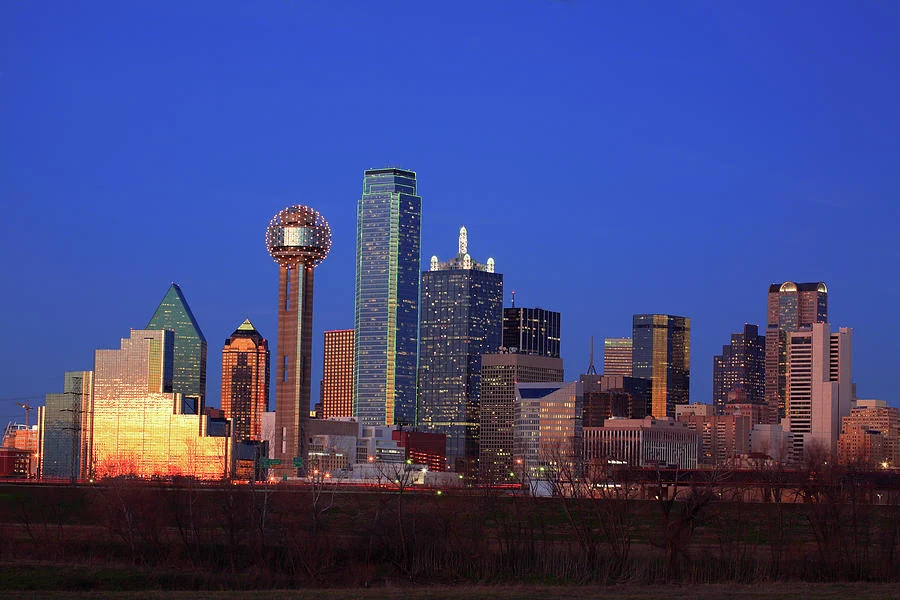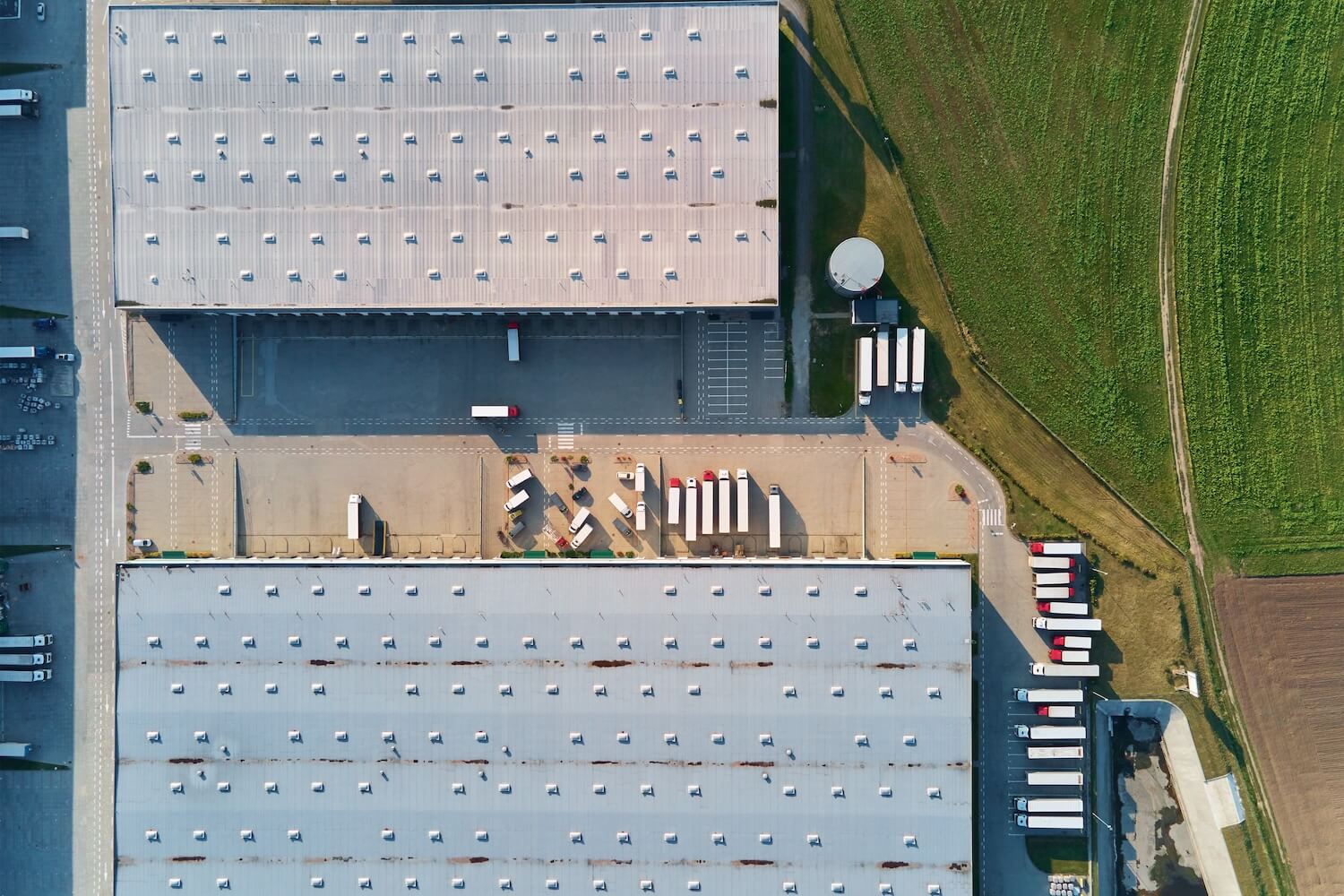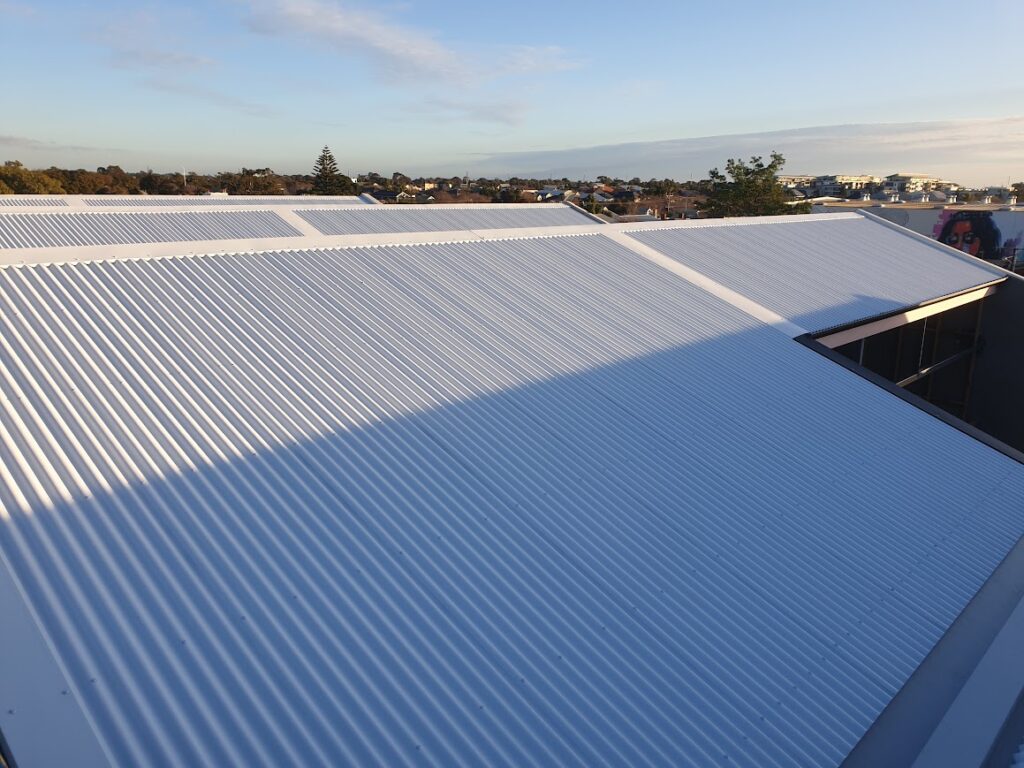
Dallas sees severe thunderstorm season most of the spring and summer, and some of those systems carry straight-line wind gusts or tornado warnings strong enough to lift membrane, tear flashing, and pull coping metal off a parapet wall. We document what a wind event did to a commercial roof so the record matches what's actually up there.
Straight-line wind out of a Dallas storm cell doesn't need tornado-strength gusts to do real damage to a low-slope commercial roof. Sustained wind loading at the perimeter and corners of a roof — where uplift pressure concentrates — can lift membrane edges, pop fasteners, and separate seams that were holding fine under normal conditions. Tornado-warned storms that track through the Metroplex raise that risk further, especially for roofs with older or under-fastened perimeter attachment.
The damage pattern tells us a lot about what happened. Wind damage tends to concentrate at corners, parapet edges, and roof penetrations rather than spreading evenly across the field, which is a different signature than hail or general wear. Reading that pattern correctly is part of building a claim file the roof itself supports.
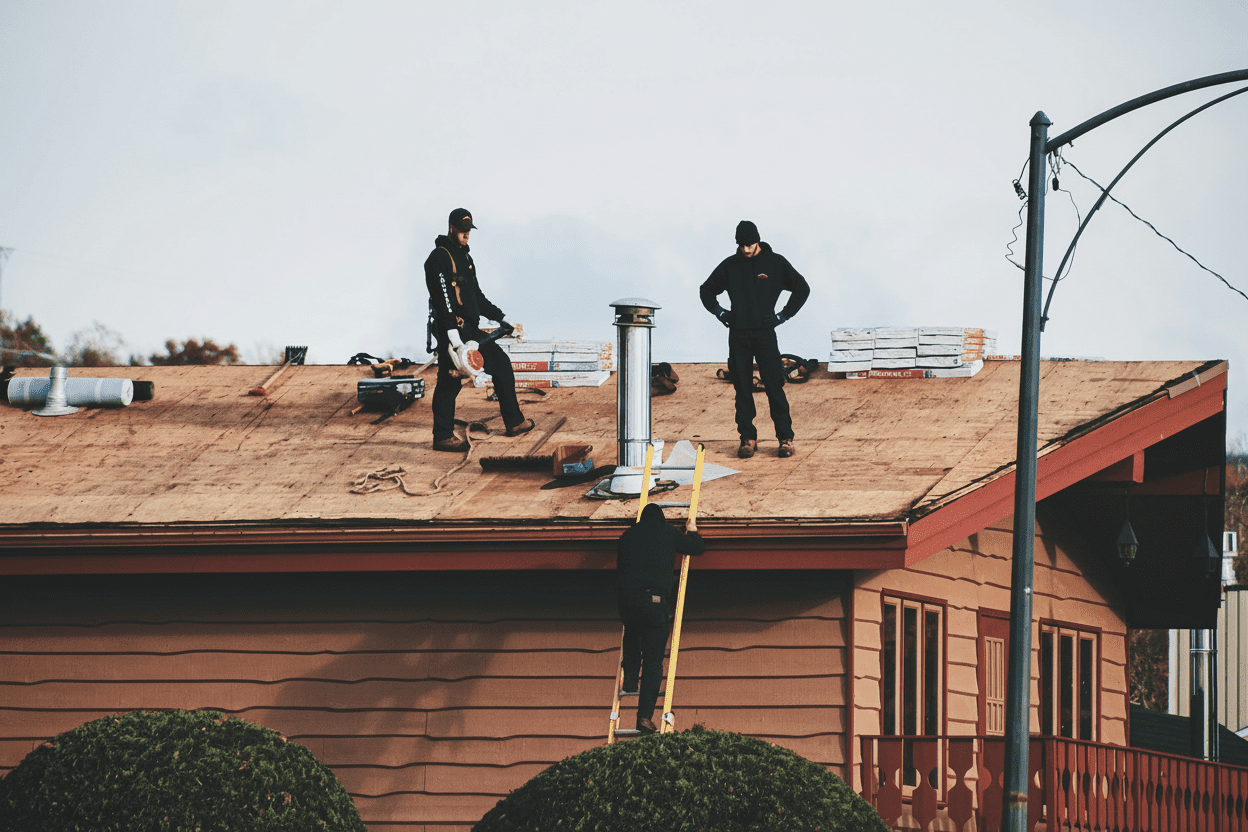
We check membrane attachment at the perimeter first, since that's where uplift pressure concentrates and where a partial lift is most likely to start. From there we walk every seam for separation, check flashing at curbs and walls, and inspect parapet coping metal for displacement or loss. Drains and scuppers get checked too — a scupper knocked loose in a storm can cause ponding damage that shows up weeks later if it isn't caught early.
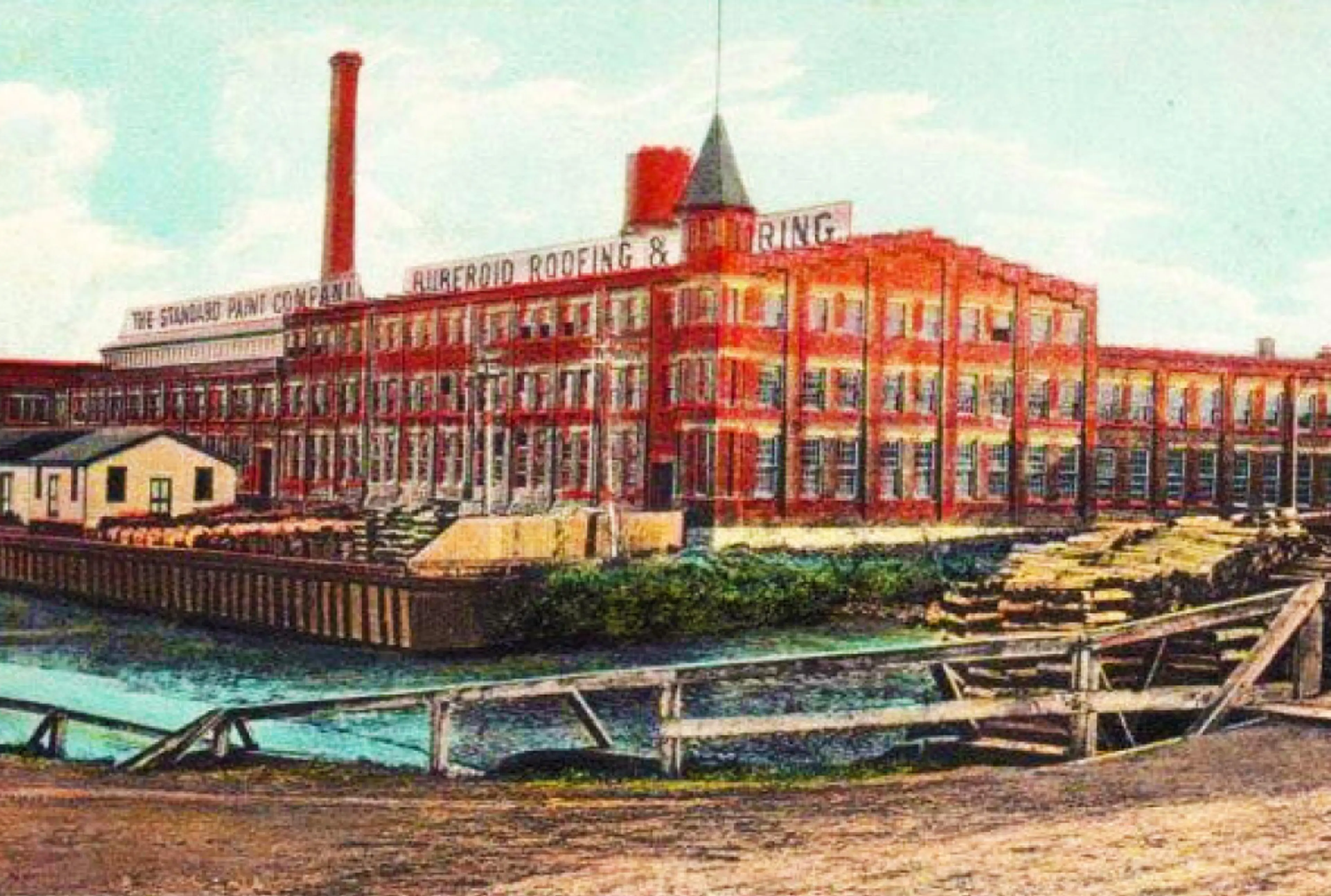
On buildings with rooftop mechanical equipment — common across the office and light-industrial stock in Las Colinas and along the LBJ corridor — we check curb flashing and equipment anchoring separately from the membrane itself. Wind can shift a unit enough to break a curb seal without moving the unit far enough to be obvious from a walk-by. Downtown and Deep Ellum properties built out of older warehouse and mill structures add another layer — adaptive-reuse roofs often carry a mix of original parapet construction and newer membrane, and the transition points between the two are where wind damage tends to concentrate first.
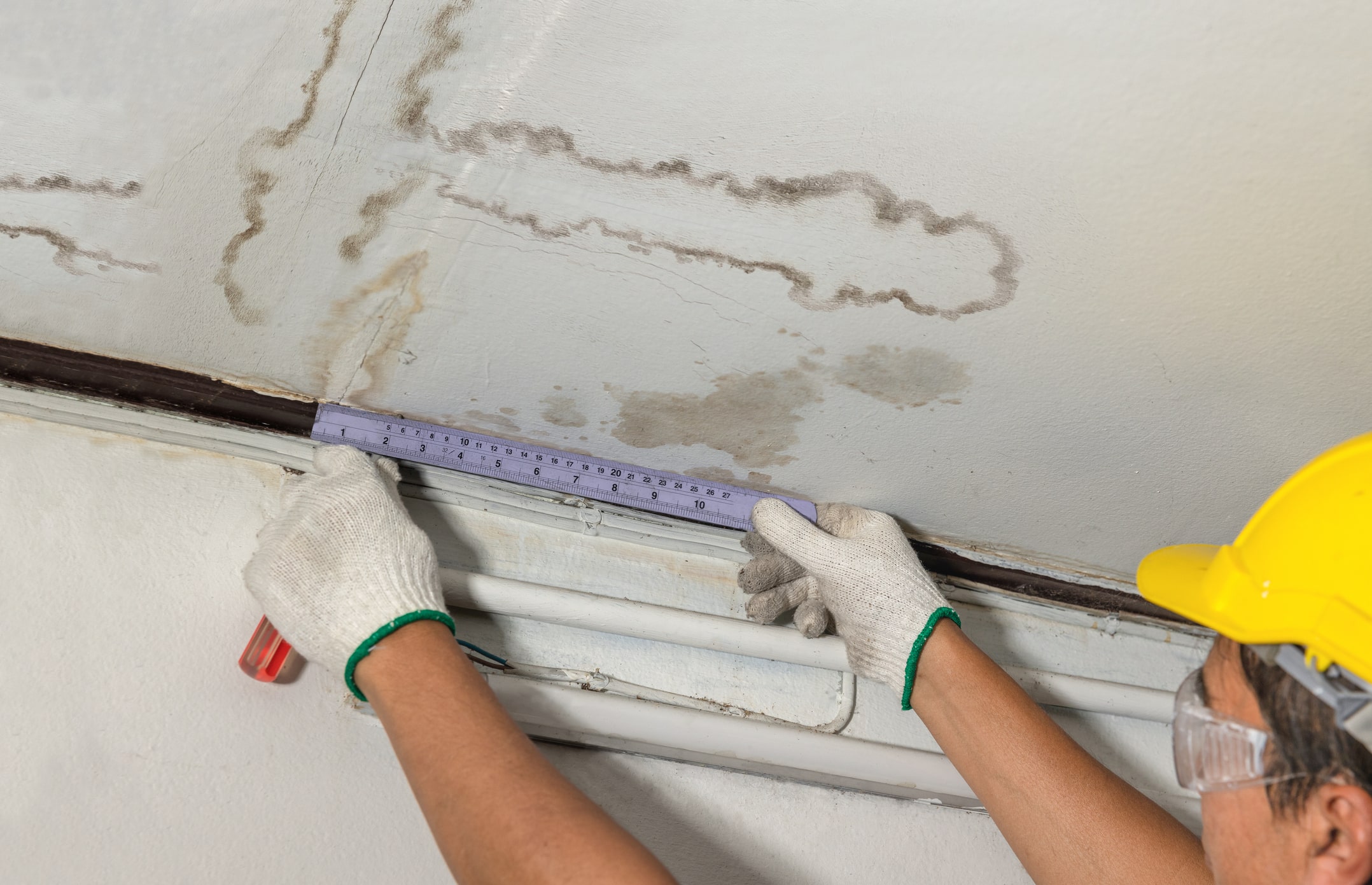
We photograph and measure every affected zone, note the direction the damage points relative to the building, and record fastener pull-out patterns where membrane lifted. That directional evidence matters — it's part of what ties the damage to a specific wind event rather than leaving it open to a general age-and-wear read.
We're on site for the roof walk with your insurance company whenever the schedule allows, working from the same zone map and photo log so the visit covers the roof efficiently instead of starting from scratch.
A localized perimeter lift with no membrane tearing may only need re-fastening and a seam repair. Widespread lift, torn membrane at multiple zones, or displaced insulation is a different scope, and we say so plainly, with the basis stated for each zone's recommendation. Where a coating or recover system was already scheduled before the storm, we note that separately from the storm-caused scope so the two don't get combined into one inflated line item.
We're your roofing contractor here — we inspect, document, and write the scope. We don't negotiate the claim or argue coverage terms with your insurance company; that decision sits with you and your insurer.
No. A lot of wind damage in Dallas is localized to the perimeter or a specific zone and can be repaired without a full replacement. The scope depends on how much of the membrane lifted, whether seams tore, and whether the insulation underneath was displaced.