A commercial roof claim moves faster and closes cleaner when the roof side of the file is complete. We inspect the building, document every damage location, and put together a written scope that reflects what a full repair or replacement actually requires — so the record your insurance company works from matches the roof.
A commercial roof claim in Dallas usually starts one of three ways: a storm event that leaves visible marks on the membrane, a leak that traces back to a covered cause once the roof is opened up, or a system that has reached the end of its service life and the owner wants the roof's condition on record before filing. Whichever way it starts, the file needs the same thing underneath it — a clear, written account of what is wrong with the roof, where, and why.
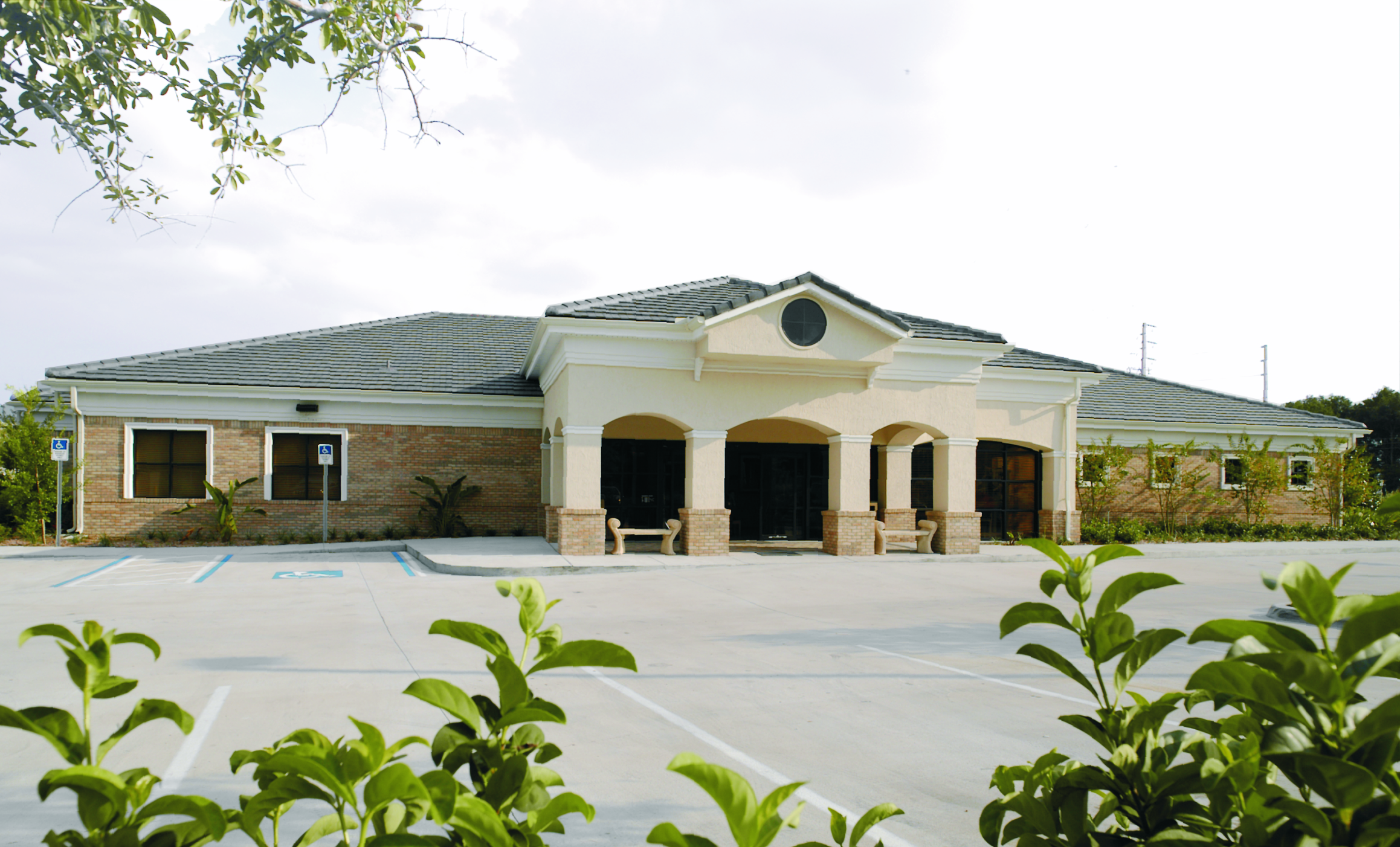
Property managers running a portfolio across Uptown, Las Colinas, and the Stemmons corridor often have a claim underway before the roof has even been walked by anyone who works on roofs for a living. That gap is where claims lose ground. A description written from the ground, or a photo taken from a phone at the parapet edge, does not carry the same weight as a zone-by-zone roof walk with measurements attached to every finding.
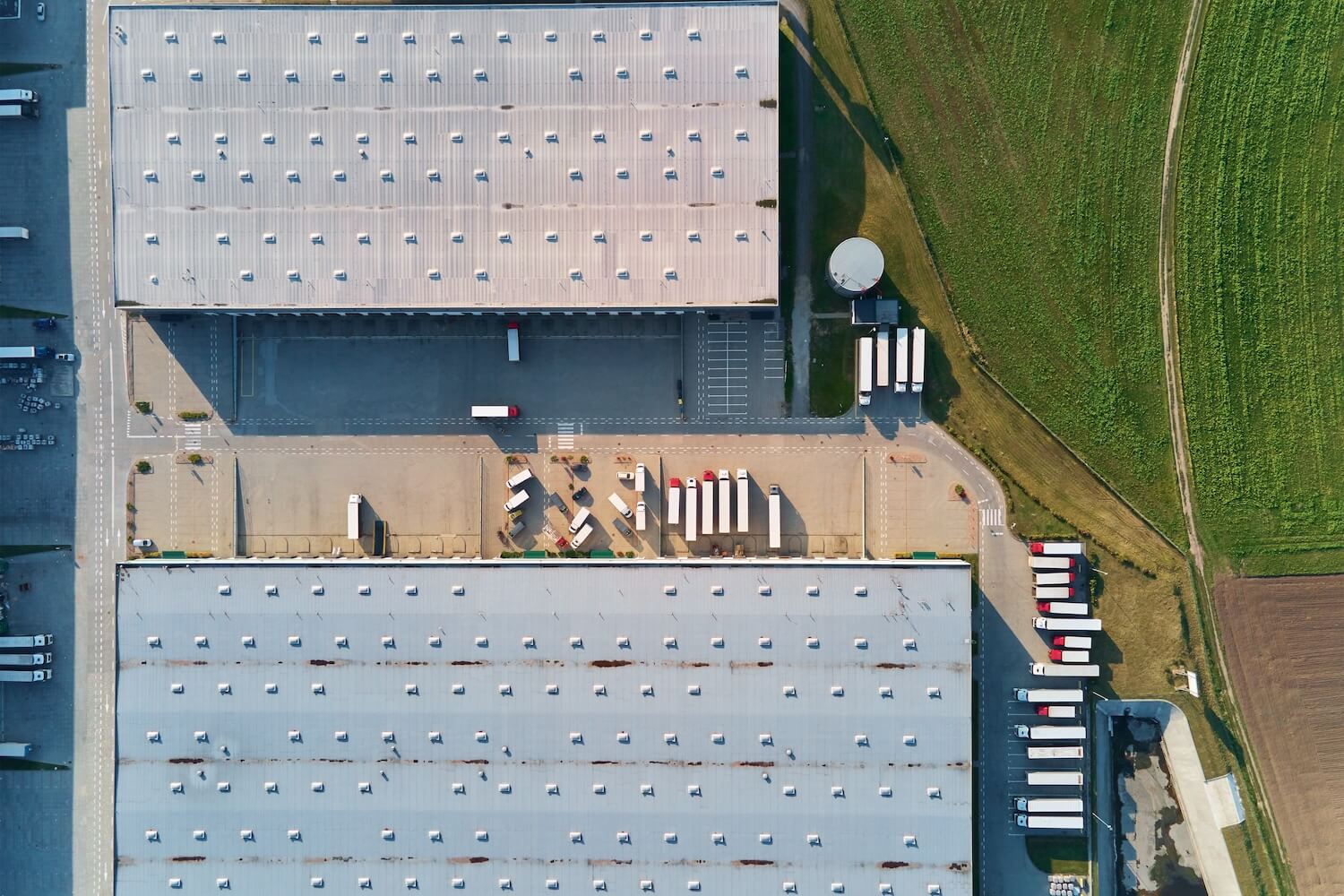
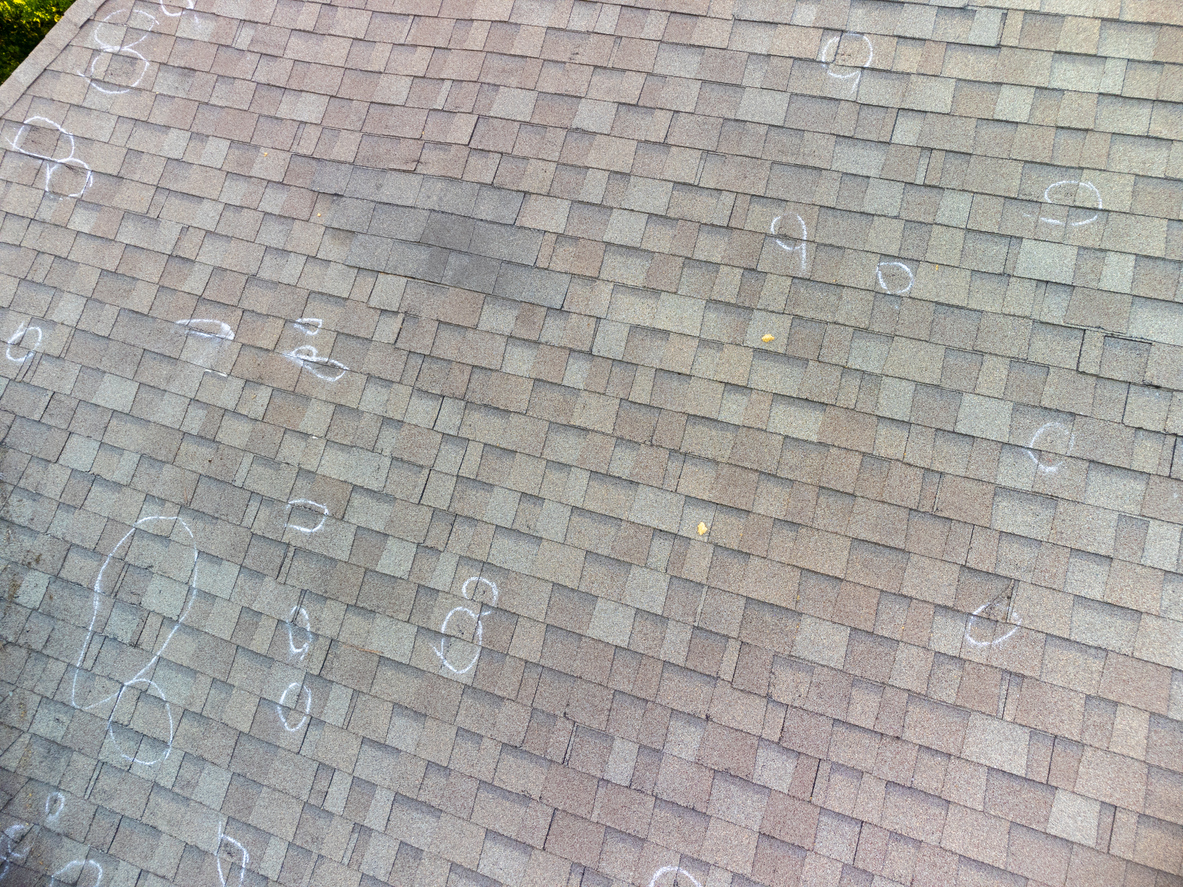
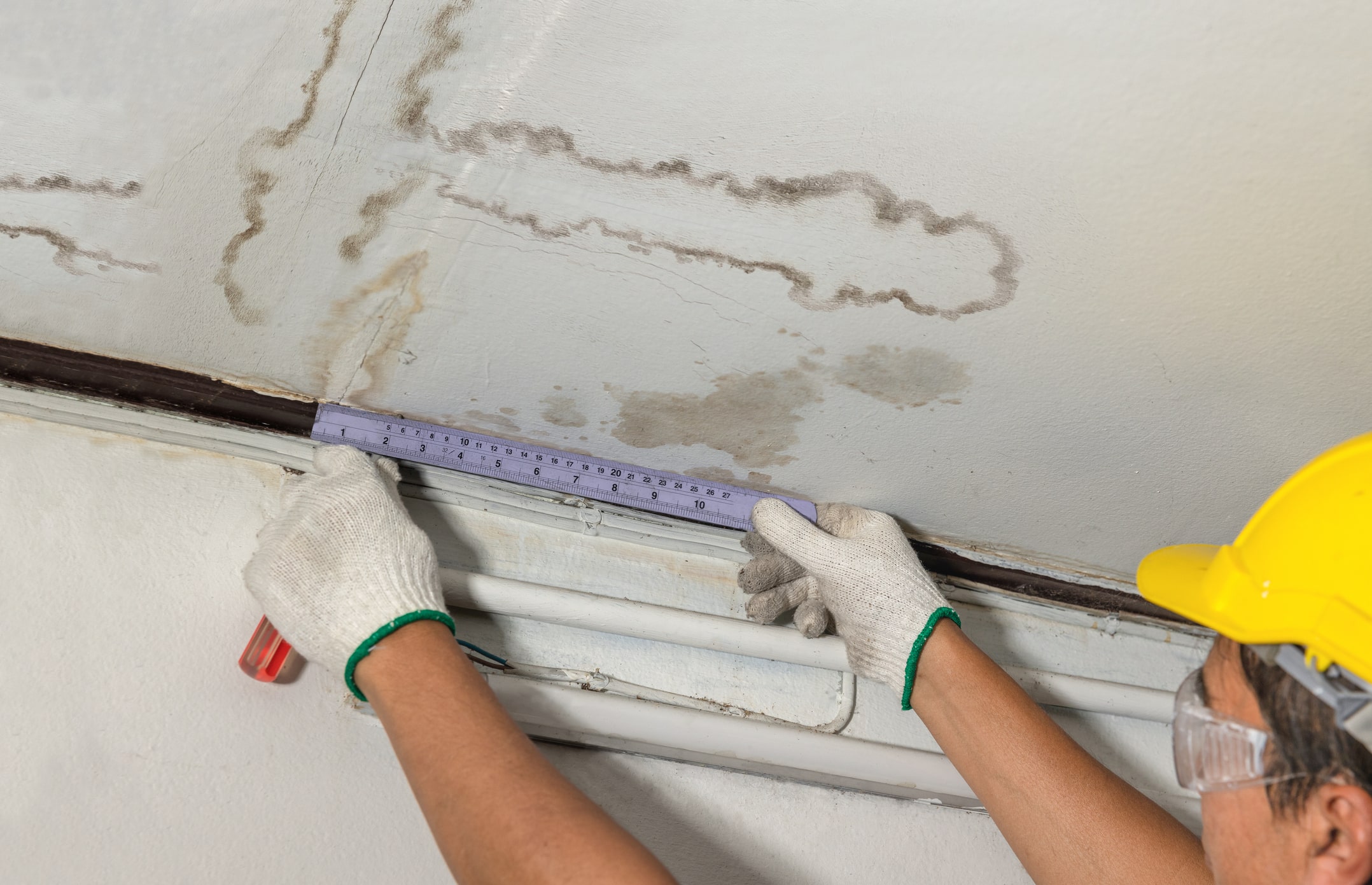
We start with a zone diagram of the roof — the building broken into labeled sections so every finding gets a location tied to it. From there we log damage by zone: membrane punctures, seam separation, granule loss, ponding depth, flashing pull-away, and anything else that shows up during the walk. Each finding gets a photograph, a measurement where one applies, and a note on how it relates to the roof's existing condition versus a specific event.
Where the membrane looks intact but insulation damage is suspected underneath, we pull core samples and record the saturation depth. Moisture readings across the field of the roof round out the picture, particularly on older built-up and modified bitumen systems common on Dallas industrial and warehouse buildings, where surface condition alone can be misleading.
When the insurance company sends someone to walk the roof, we're on site for that visit. Having the zone diagram and photo log in hand means the walk covers ground efficiently — findings are already labeled and located, and the person reviewing the roof for your insurer is working from the same map we are. We point out anything that might otherwise get missed from a quick surface pass: hidden punctures under debris, soft spots that only show under foot pressure, drain lines that back up under load.
Our role on that roof is to make sure the true condition is on record. We're not there to argue policy language or coverage limits — that's between you and your insurer. We're there so the physical condition of the roof, in every zone, is documented the same way regardless of who's looking at it.
A roof scope that only counts the square footage of visible damage tends to come up short once work starts. Dallas building code and manufacturer warranty terms both drive additional line items that a surface count misses — tapered insulation to correct drainage that contributed to the damage, code-required parapet and edge-metal upgrades triggered by the scope of work, and matching membrane and flashing across zones so the finished roof performs as one system instead of a patchwork.
We write the repair-versus-replacement recommendation by zone, with the basis for each call stated plainly — membrane condition, insulation saturation, fastener pull-out, or pre-existing wear that the event made worse. A scope built this way holds up whether the work goes forward as a repair, a partial recover, or a full replacement.
Sometimes the first roof review understates the damage — a quick pass missed a zone, or a finding got attributed to age instead of the event that caused it. When that happens, we go back up with a fresh zone-by-zone walk and put together a documentation package that lays out what the roof actually shows, with photos and measurements a second reviewer can check against the roof itself.