The DFW Metroplex sits in one of the more active hail corridors in the country, and low-slope commercial roofs take that impact differently than a shingle roof does. Bruising, granule loss, and seam stress can sit under a membrane that still looks fine from the ground. We document what a hail event actually did to the roof, zone by zone, for your insurance file.
North Texas storm cells routinely carry hail large enough to bruise membrane, crack coatings, and displace granules on built-up and modified bitumen systems. A single supercell moving through the Metroplex can leave a swath of damaged roofs stretching for miles, and the impact pattern on a commercial low-slope roof rarely matches the obvious dents you'd see on a car or a gutter.
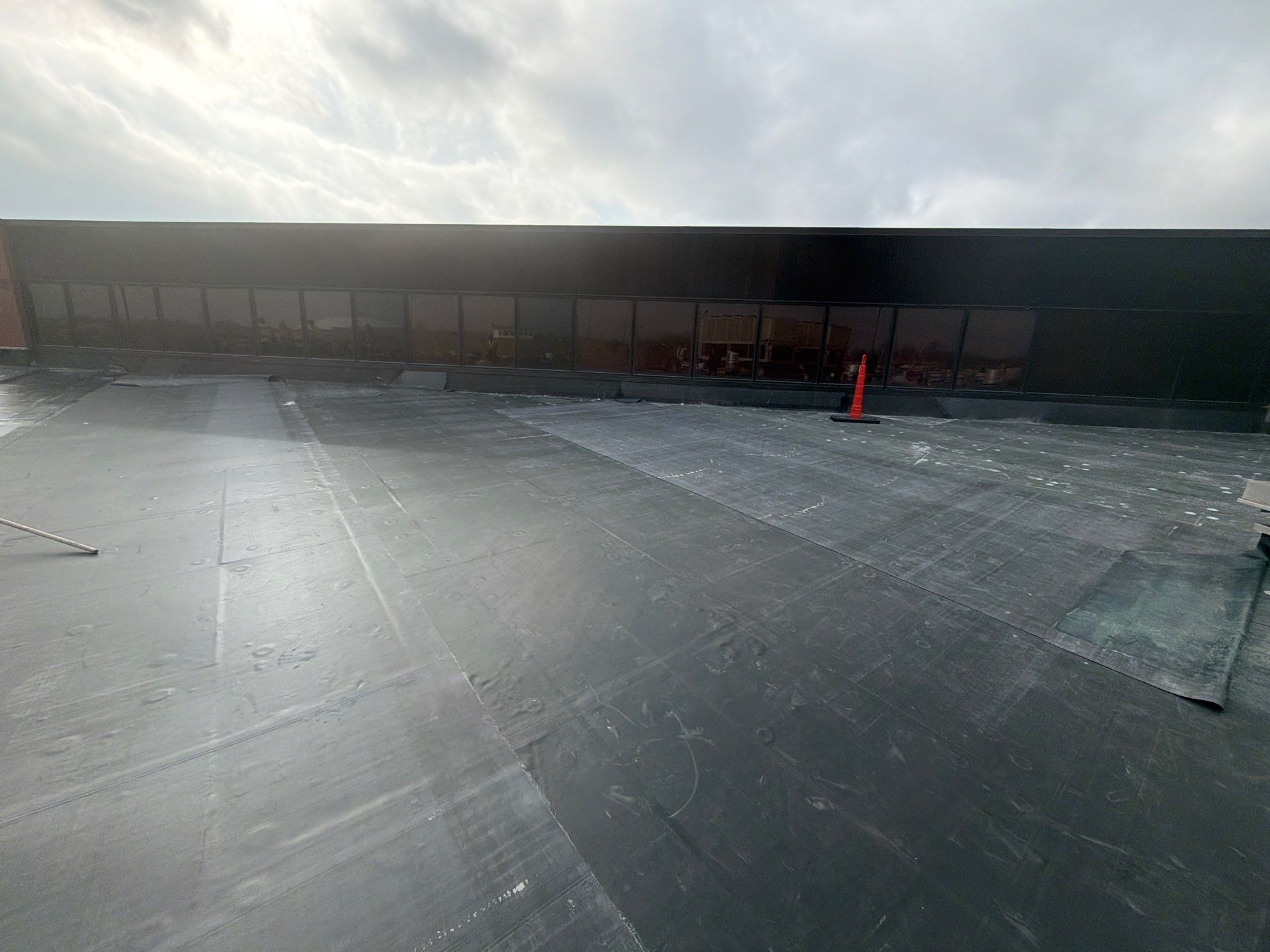
A large share of the commercial roof stock across Dallas, Plano, Frisco, and Irving is TPO or EPDM — membranes that show hail impact as small bruises or fractures rather than punctures. From the ground, or even from a quick roof walk, that bruising is easy to miss. It's the kind of damage that turns into an active leak a season or two later if it isn't documented and addressed at the time of the event.
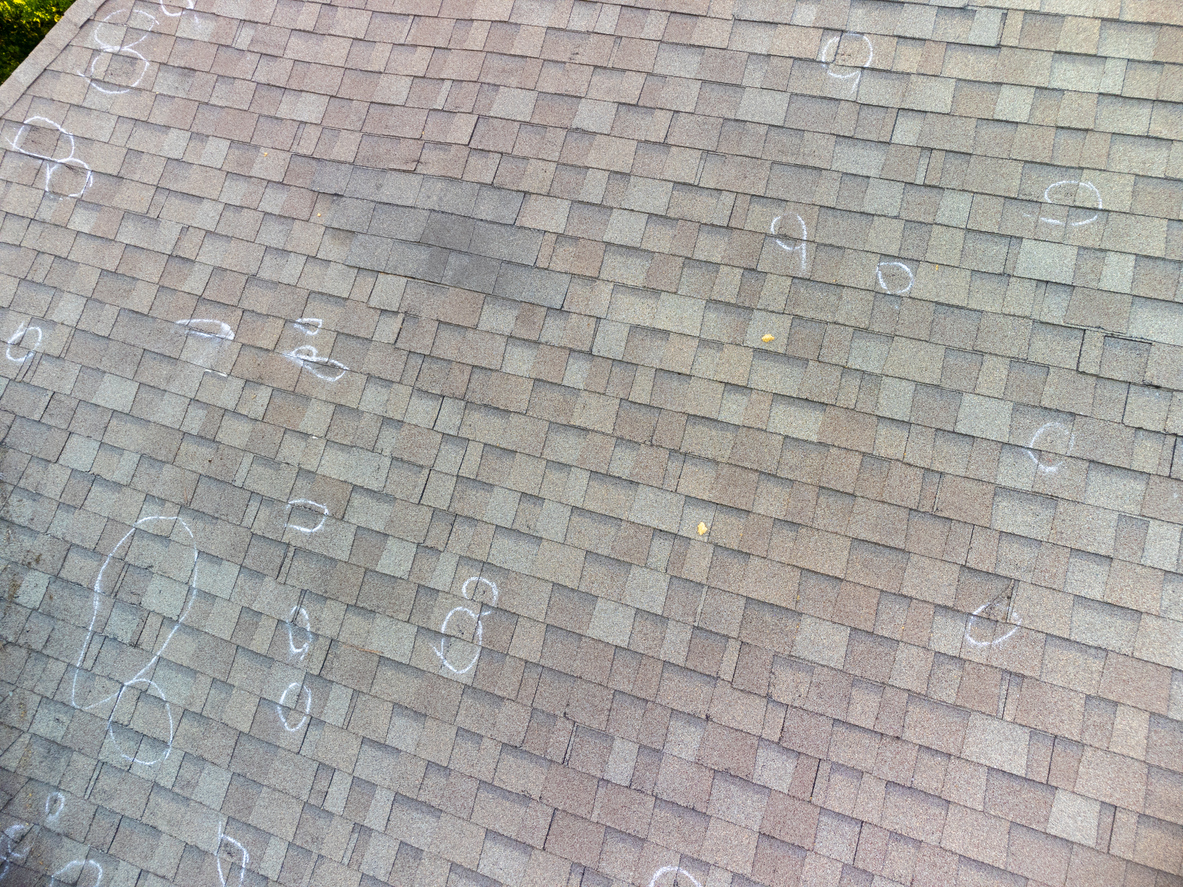
On TPO and PVC membranes, we're looking for impact fracturing, granule displacement at seams, and soft spots where the hail compressed the insulation beneath the membrane without breaking the surface. On EPDM, hail can leave circular bruising that's only visible under raking light or after a chalk test. On older built-up and modified bitumen roofs common in Dallas's industrial corridors, granule loss and mat exposure are the tell — and that damage is easy to confuse with ordinary weathering if the person looking at it doesn't know what a fresh impact pattern looks like.
Rooftop equipment takes hail damage too — condenser fins, curb flashing, skylights, and any exposed coping metal. We log equipment damage alongside membrane damage in the same zone diagram, since a claim that only accounts for the membrane and skips the mechanical units on the roof usually comes back short. Skylight domes and translucent panels crack under hail impact in a way that's obvious from below but easy to miss on a rooftop walk if the panel hasn't fully failed yet, so we check every skylight and curb from both sides during the inspection.
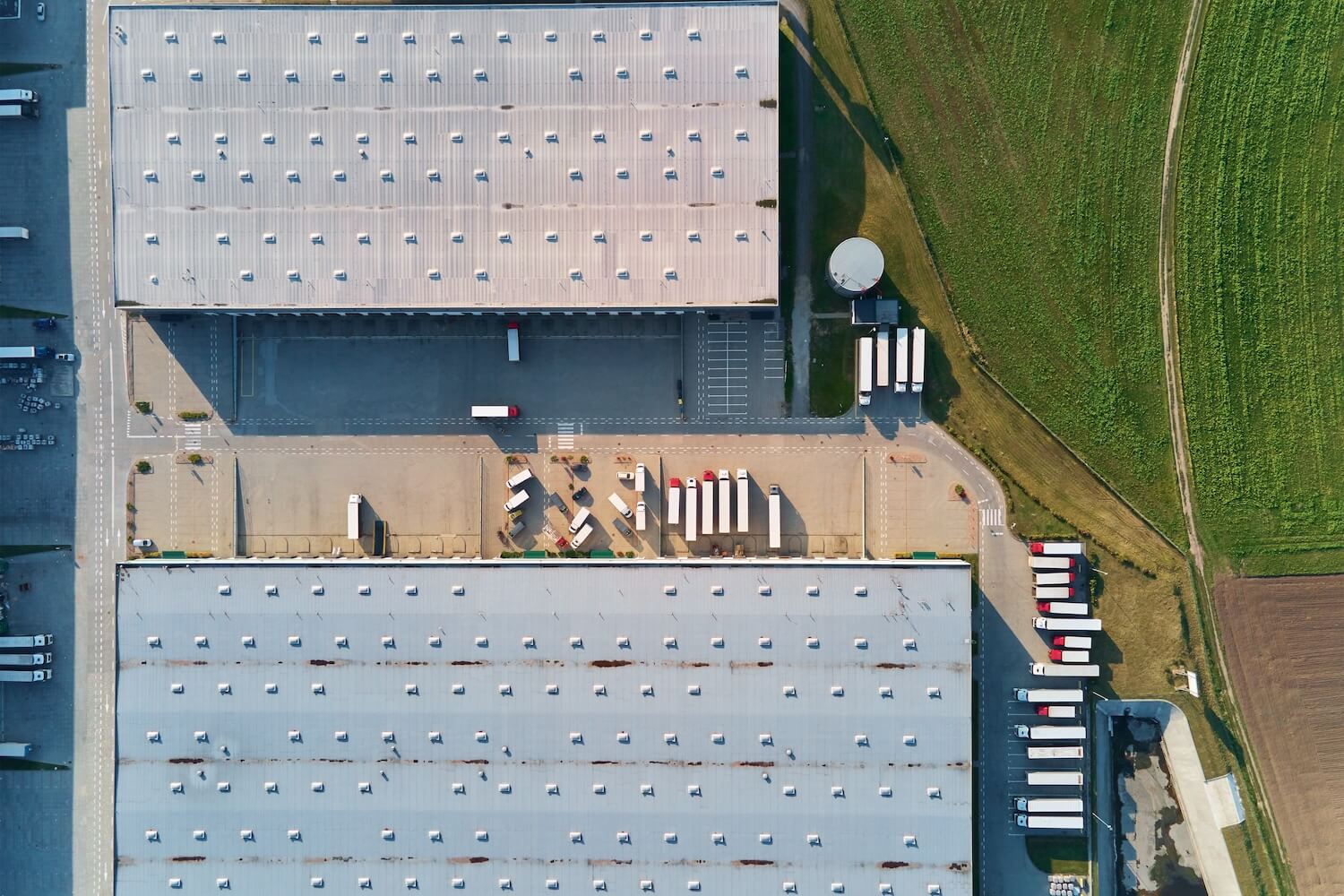
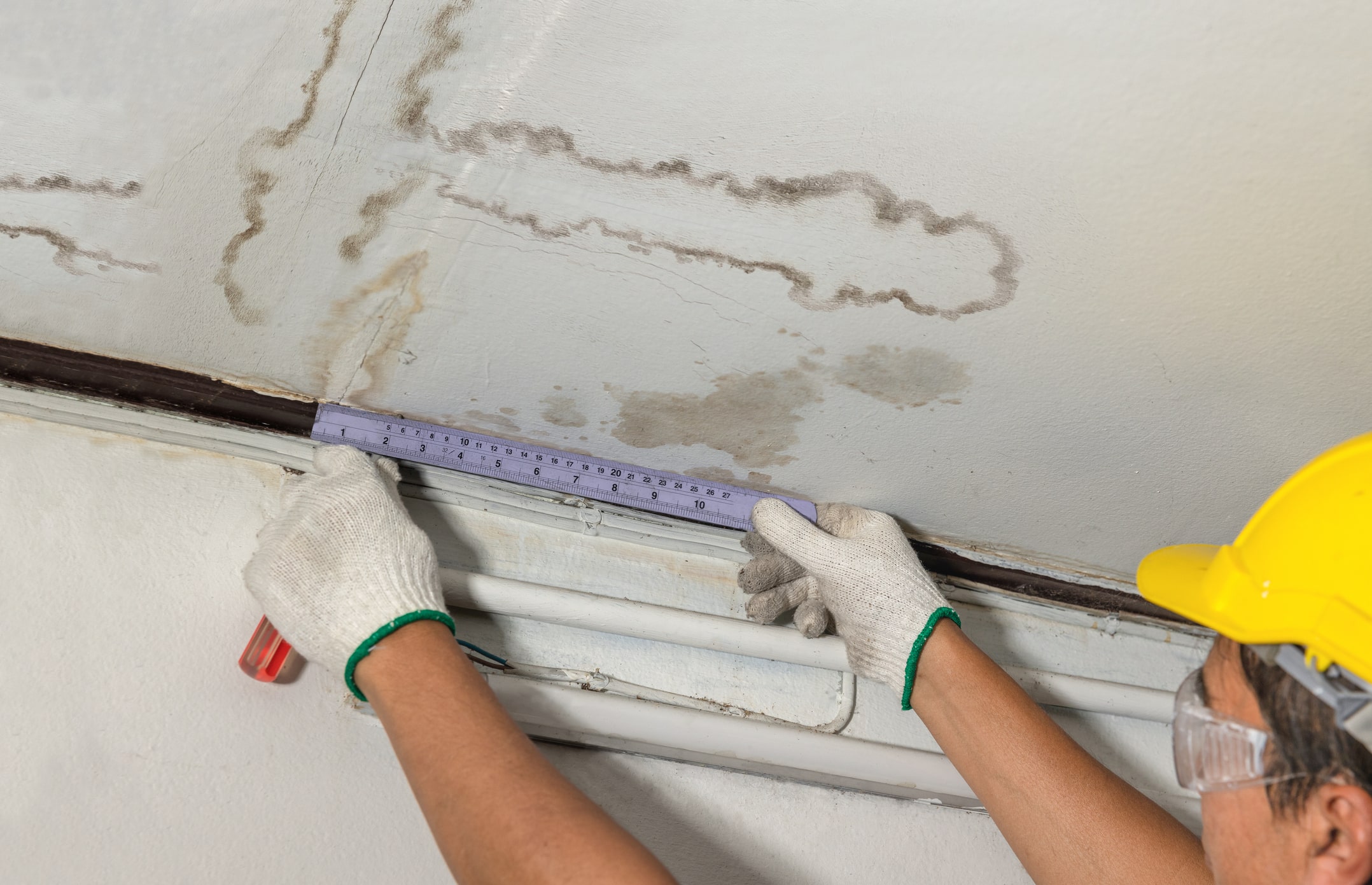
We map the roof into zones, then photograph and measure every impact site we find, noting the density of hits per zone. Where the membrane is intact but we suspect insulation compression underneath, we pull core samples. The result is a written record that ties the damage pattern to a hail event rather than leaving it open to a general wear-and-tear read.
We're on the roof for the walk with your insurance company's field visit whenever the timing allows it. Having the zone map and photo log ready means that walk moves through the roof efficiently, with every impact site already located and labeled instead of being found fresh during the visit.
Hail damage doesn't always mean full replacement. A membrane with scattered bruising and no insulation compromise may only need spot repairs and a coating pass. A roof with widespread granule loss, cracked coatings across most zones, and confirmed insulation saturation is a different conversation. We state the basis for the recommendation by zone so it's clear which finding drove which call.
We're your roofing contractor for this work, not a claims advocate. We document the hail damage accurately and produce a scope your insurance company can use — we don't argue coverage terms or negotiate a payout on your behalf.
Impact bruising, granule loss, and seam stress often aren't visible from the ground or in a quick walk. The most reliable way to know is a zone-by-zone roof inspection after a hail event, ideally within a few weeks while the damage is fresh and easiest to distinguish from ordinary weathering.