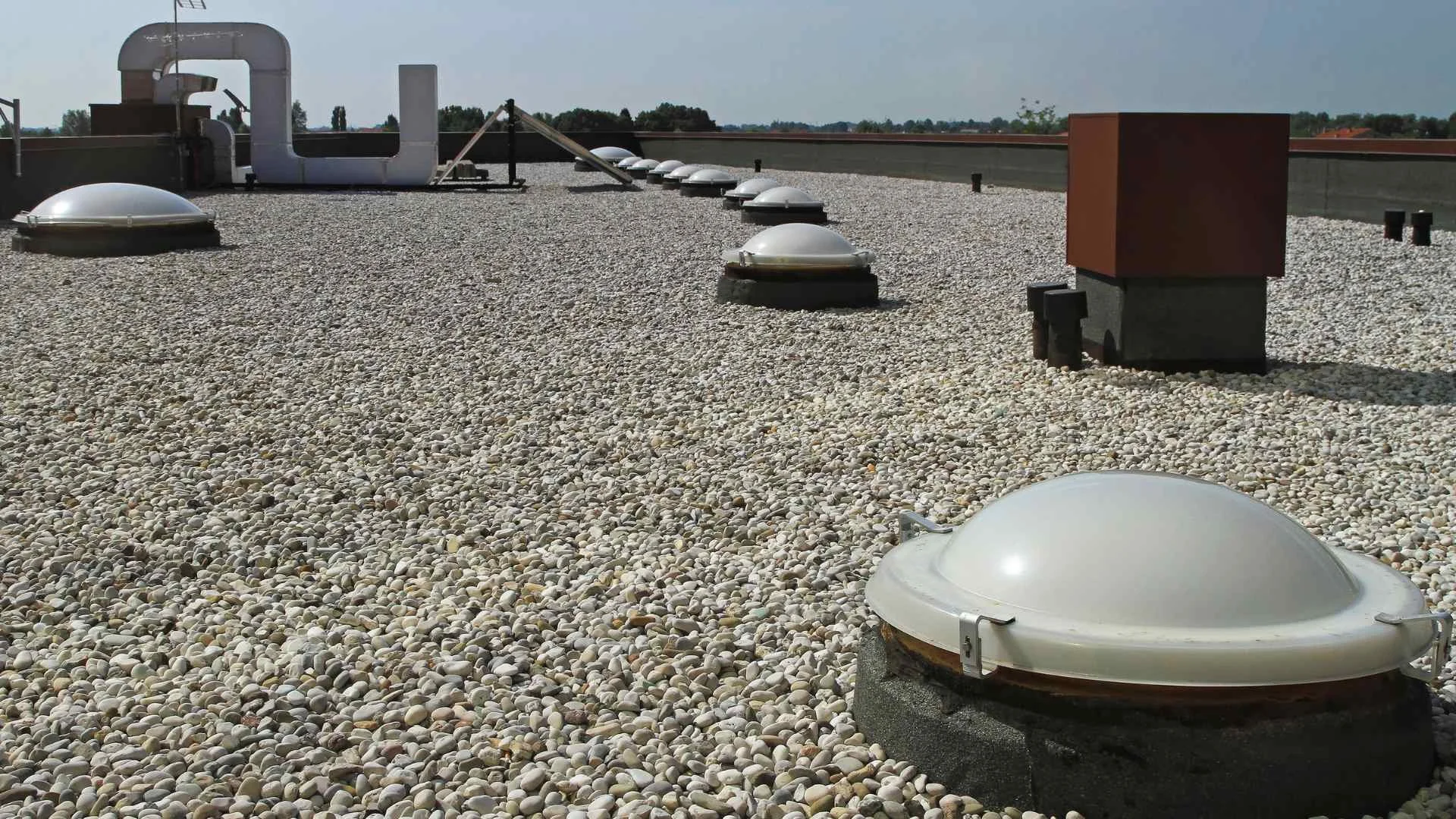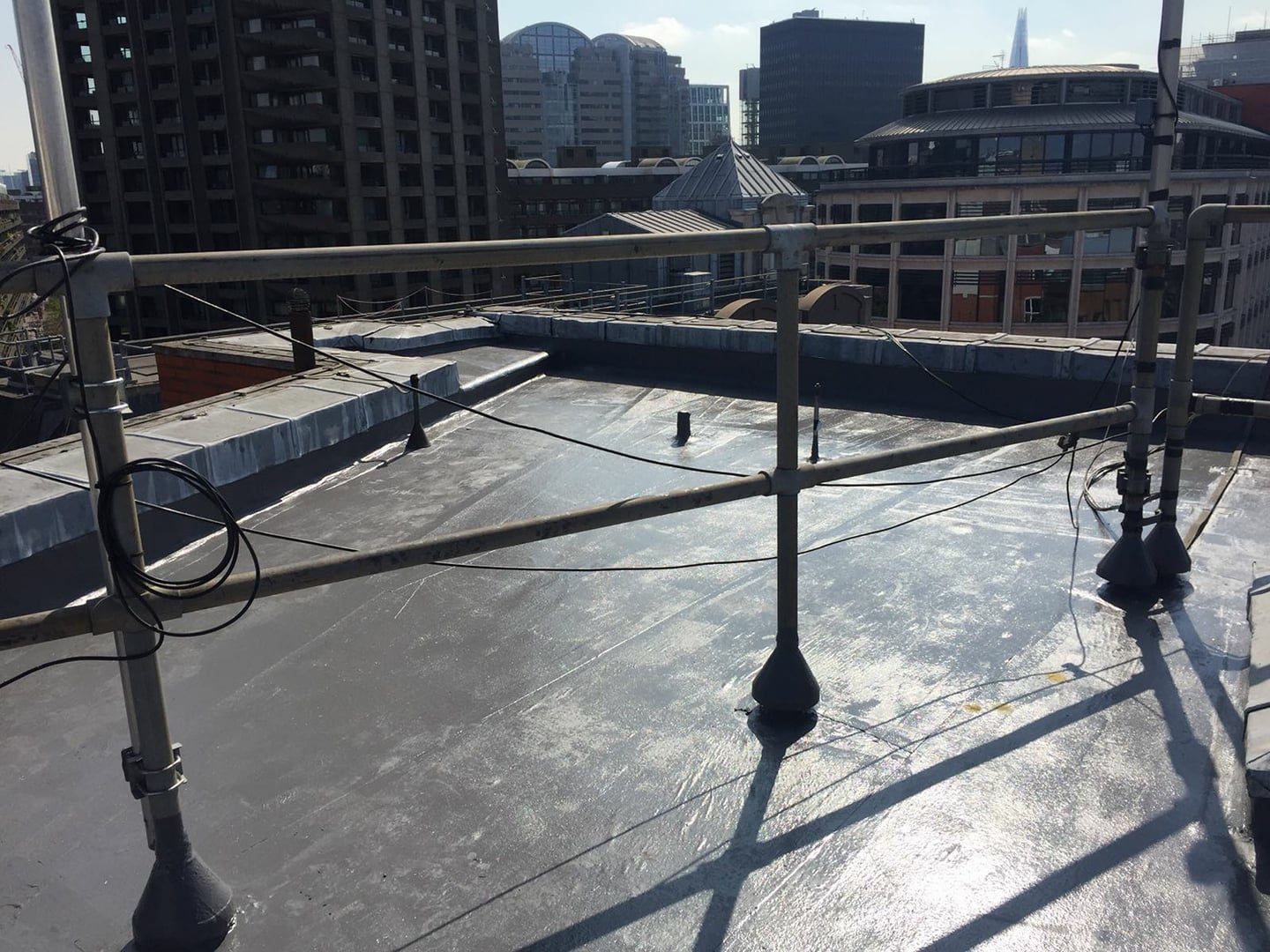
A recover system — new insulation overlay plus new membrane installed over an existing roof — can extend a Dallas commercial building's roof asset by 15-20 years at roughly half the capital cost of full tear-off replacement. The condition of the existing roof's insulation determines whether recover is an honest option.
The recover-vs-replace decision is the most consequential scoping question on any aging Dallas commercial flat roof. Get it right and you either save the building owner 40-50% of replacement cost (if recover qualifies) or you avoid installing a new warranted membrane over wet insulation that will void the warranty and fail in 3-5 years (if it does not). Get it wrong in either direction and you cost someone real money.
We have no financial incentive to push replacement over recover or recover over replacement. A recover project on a 100,000 sq ft Dallas warehouse might run $8-10/sq ft installed vs. $14-16/sq ft for full replacement. If recover is the honest scope, we scope it. If the insulation is wet and the deck is suspect, we scope replacement — because covering up a wet insulation problem does not solve it.
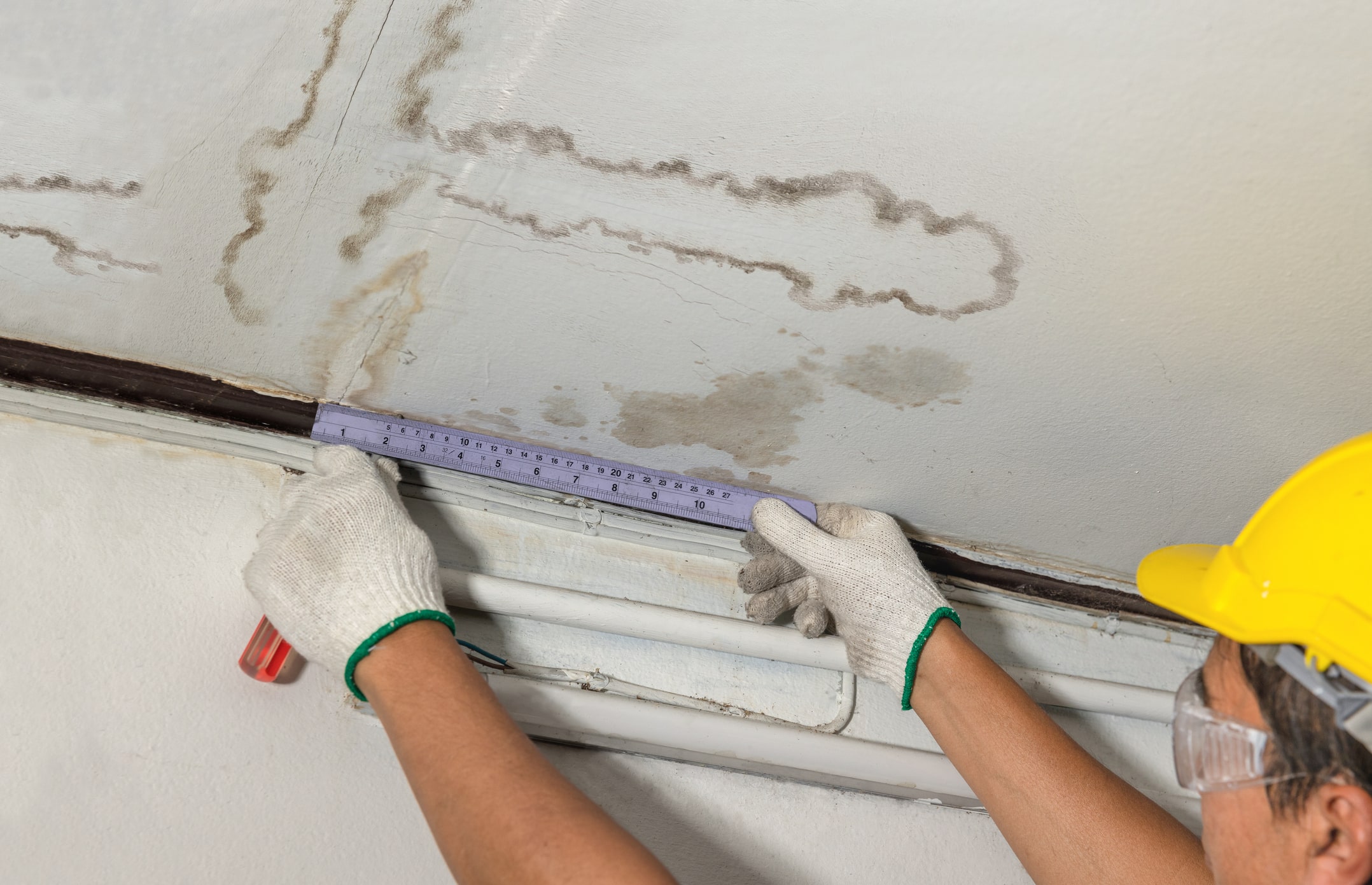
The decision framework rests on two physical conditions: the moisture content of the existing insulation, and the structural condition of the existing roof deck. Both are assessed by physical investigation — not by looking at the surface.
We pull moisture cores at a density of one core per 4,000-5,000 sq ft on roofs being considered for recover — minimum 6 cores on any roof we evaluate, regardless of size. Core locations are chosen to sample all roof zones: field areas, areas near drains, areas near reported leak points, and any zones with visible surface anomalies (blisters, delamination, or previous patch repairs). On a 50,000 sq ft single-story Dallas industrial building, that means 10-12 core pulls during the inspection visit.
Each core cut is inspected visually (wet insulation changes color from white to yellow or brown), weighed before and after oven-drying to quantify moisture content, and photographed in place before the plug is replaced. Core locations are marked on the roof zone diagram and each core's moisture finding is documented. The written report shows the core map, the finding at each location, and the percentage of cores reading wet.
Our threshold: if more than 25% of core pull locations show wet insulation, recover is not the honest scope. The wet insulation will not dry out under a new membrane — it will continue to deteriorate, support biological growth, and degrade the new membrane's adhesion over time. It will also void the manufacturer's warranty at the first warranty inspection. Below 25% wet cores, targeted insulation replacement at wet areas combined with a recover membrane can produce a warranted system with full expected service life.
One Dallas-specific condition to note: Blackland Prairie clay movement and the summer-winter temperature differential create regular roof deck flex on older buildings, which produces small but accumulating moisture infiltration paths at fastener patterns and seams. Buildings in the Cedars, the Design District, and the Fitzhugh corridor where the clay soils are most active show this pattern more than newer buildings on engineered fill.
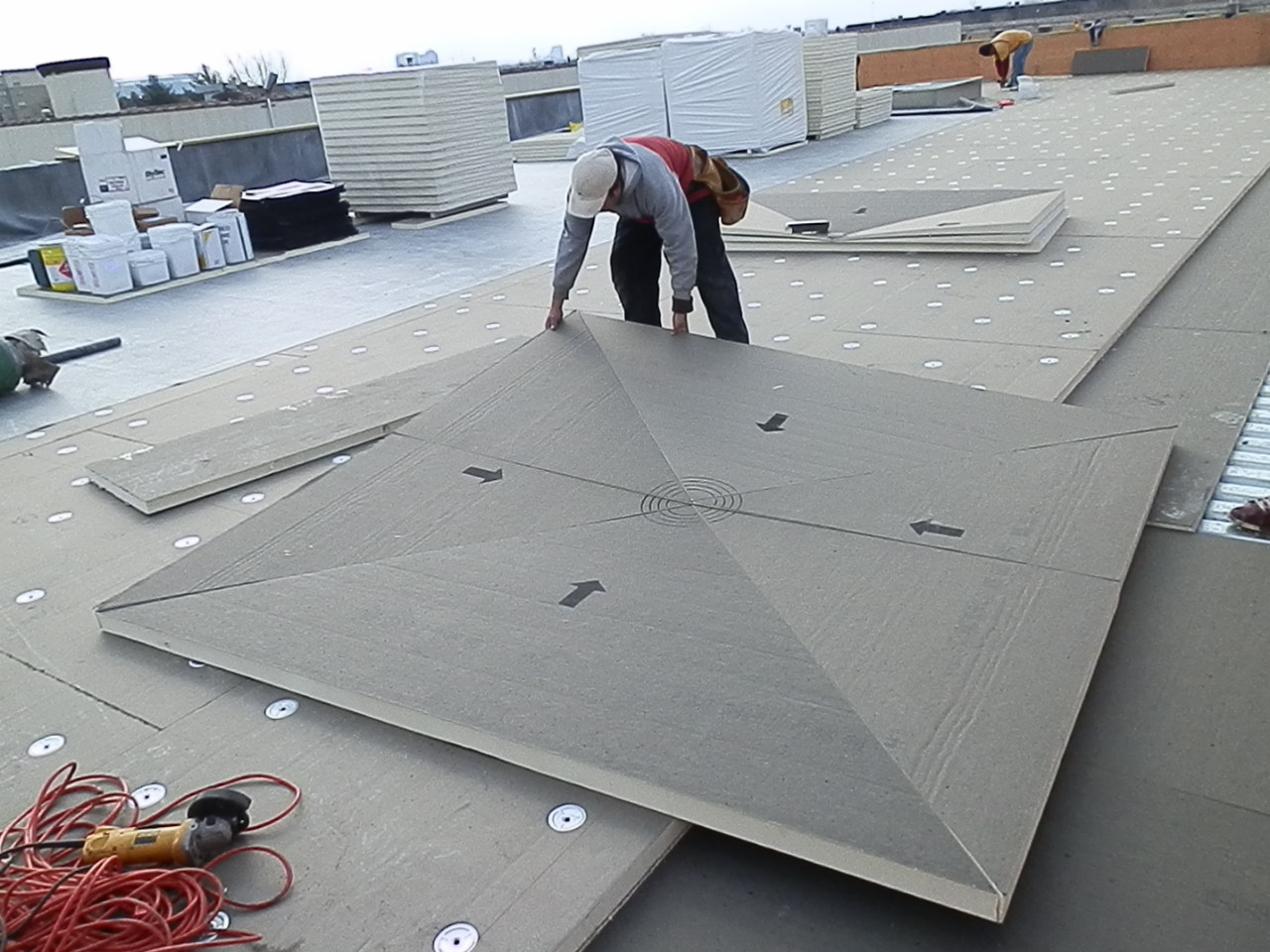
A recover system has three components: the attachment method to the existing roof, the new insulation overlay, and the new membrane. Each is specified based on the existing roof's condition and the manufacturer's recovery system design package.
Attachment: most recover systems on Dallas commercial buildings are mechanically attached — screws and plates driven through the new insulation, the existing membrane, and the existing insulation into the deck. The fastener pattern is designed to the building's wind-uplift requirement (same calculation as a new system). On existing roofs with significant membrane degradation, we may specify a cover board over the existing membrane to create a consistent substrate before the new insulation layer.