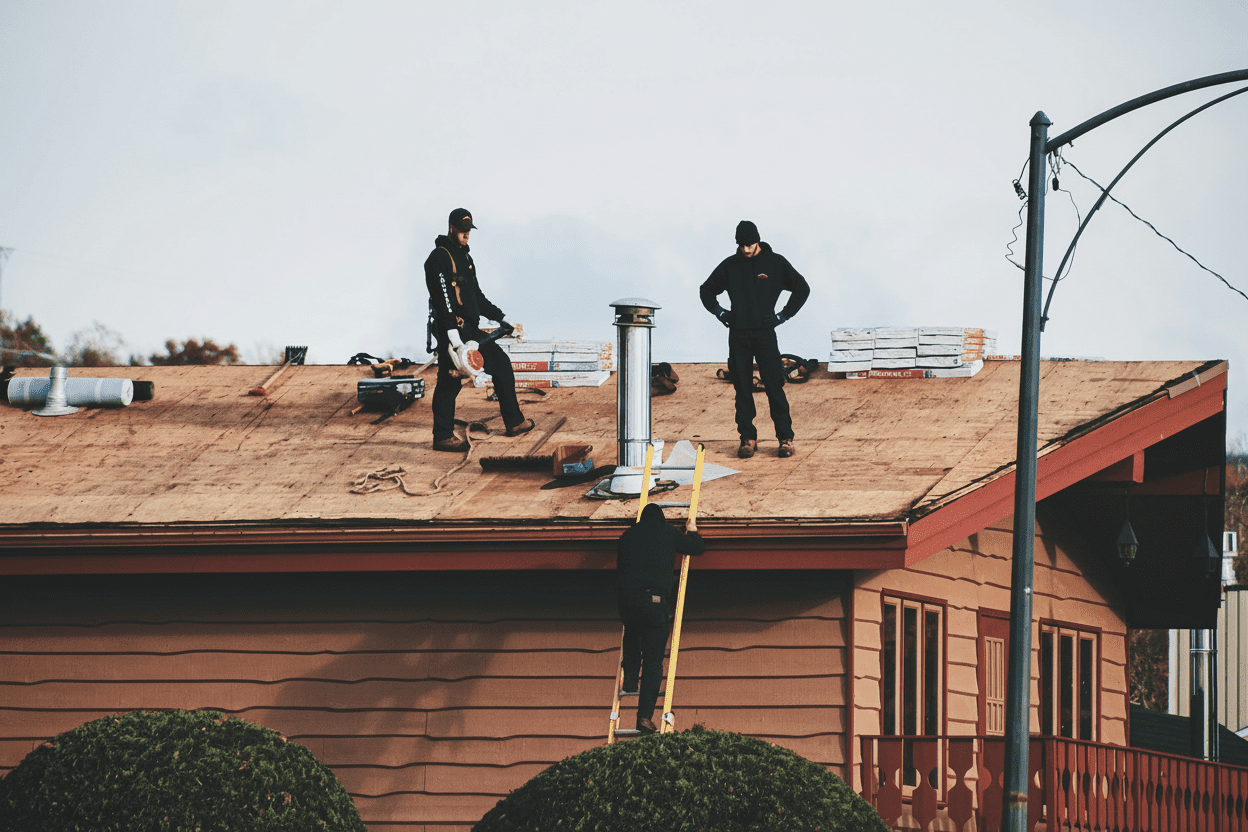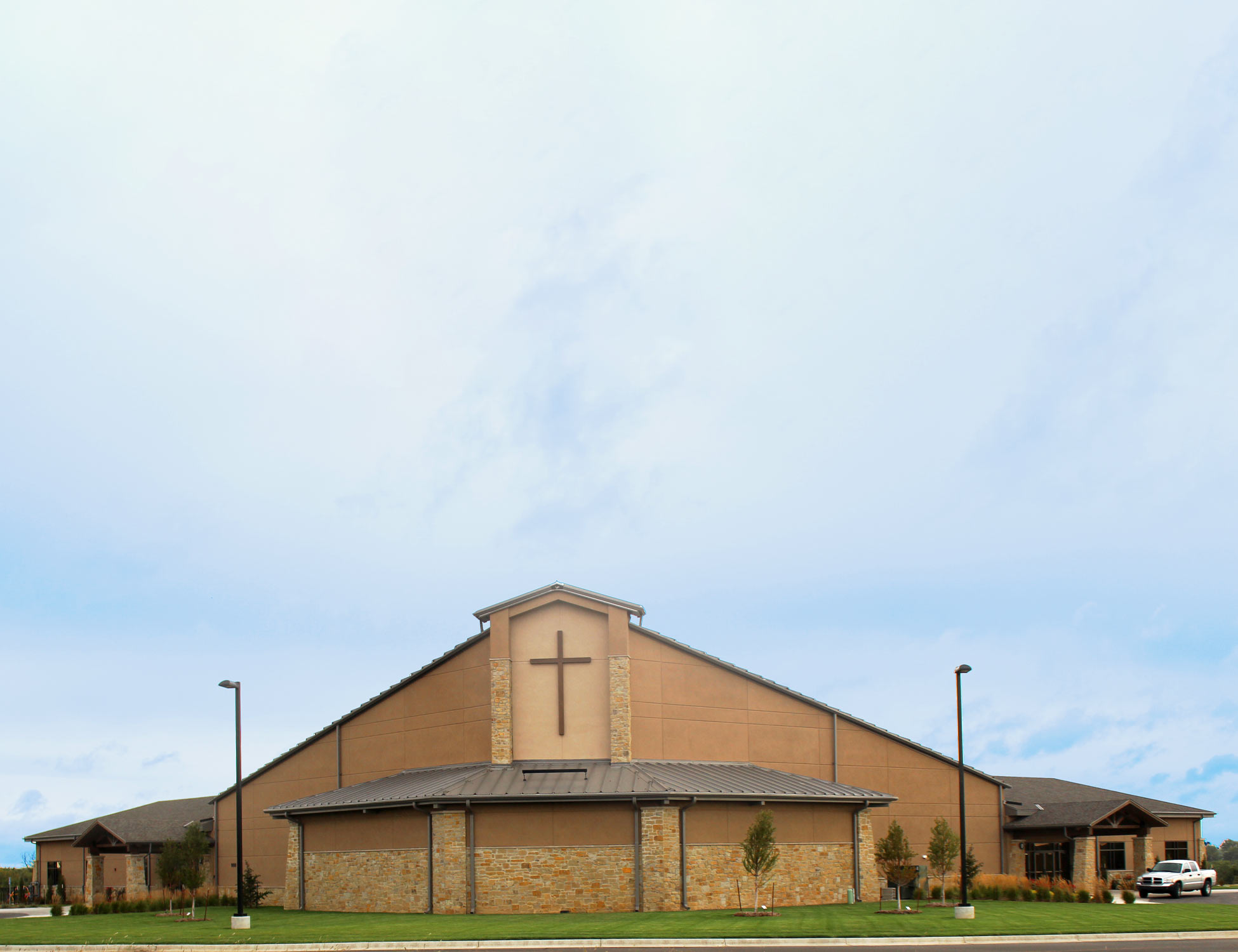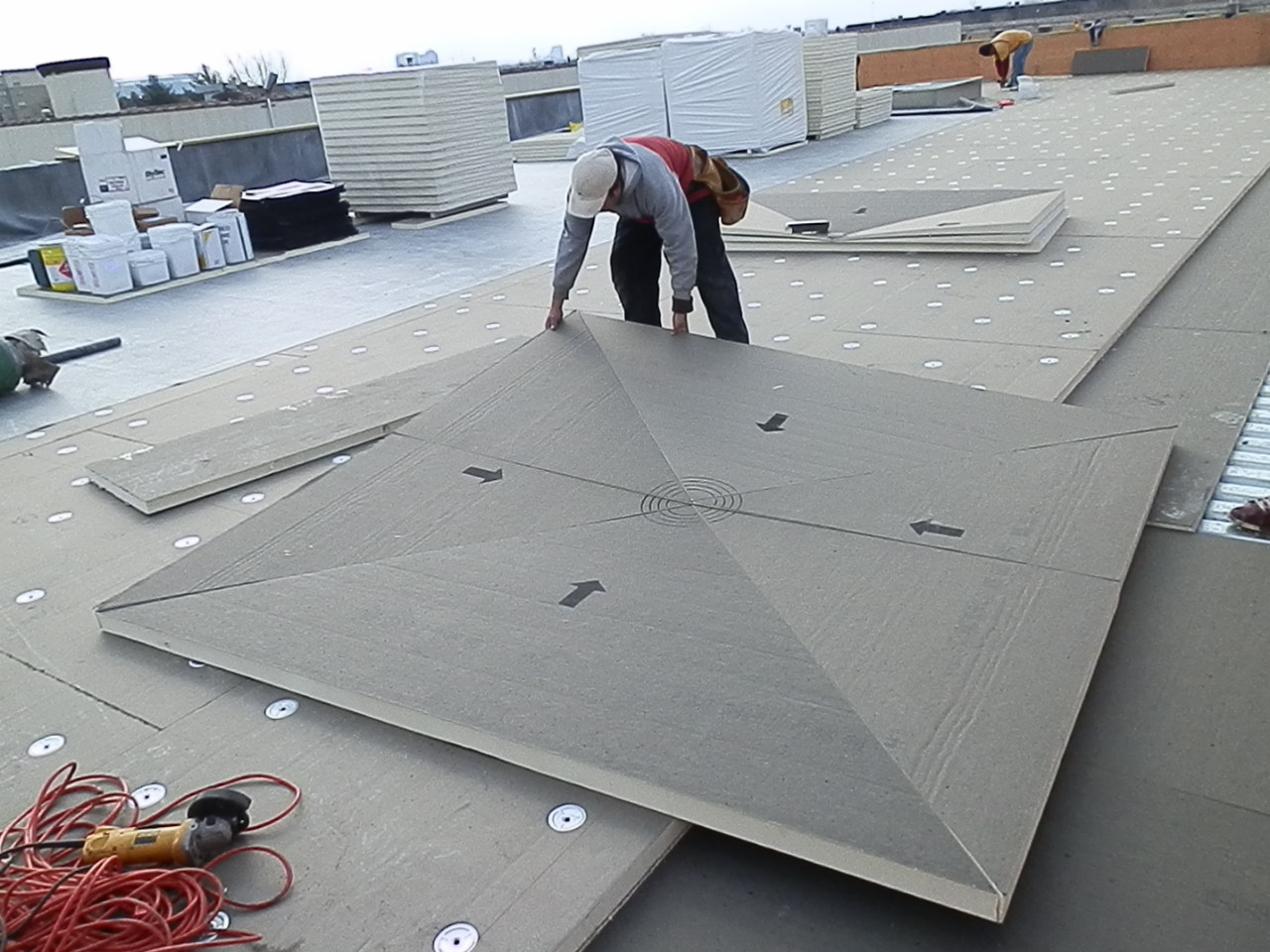
Roofing for apartment complexes, multifamily housing, and HOA-managed communities throughout Dallas, TX.
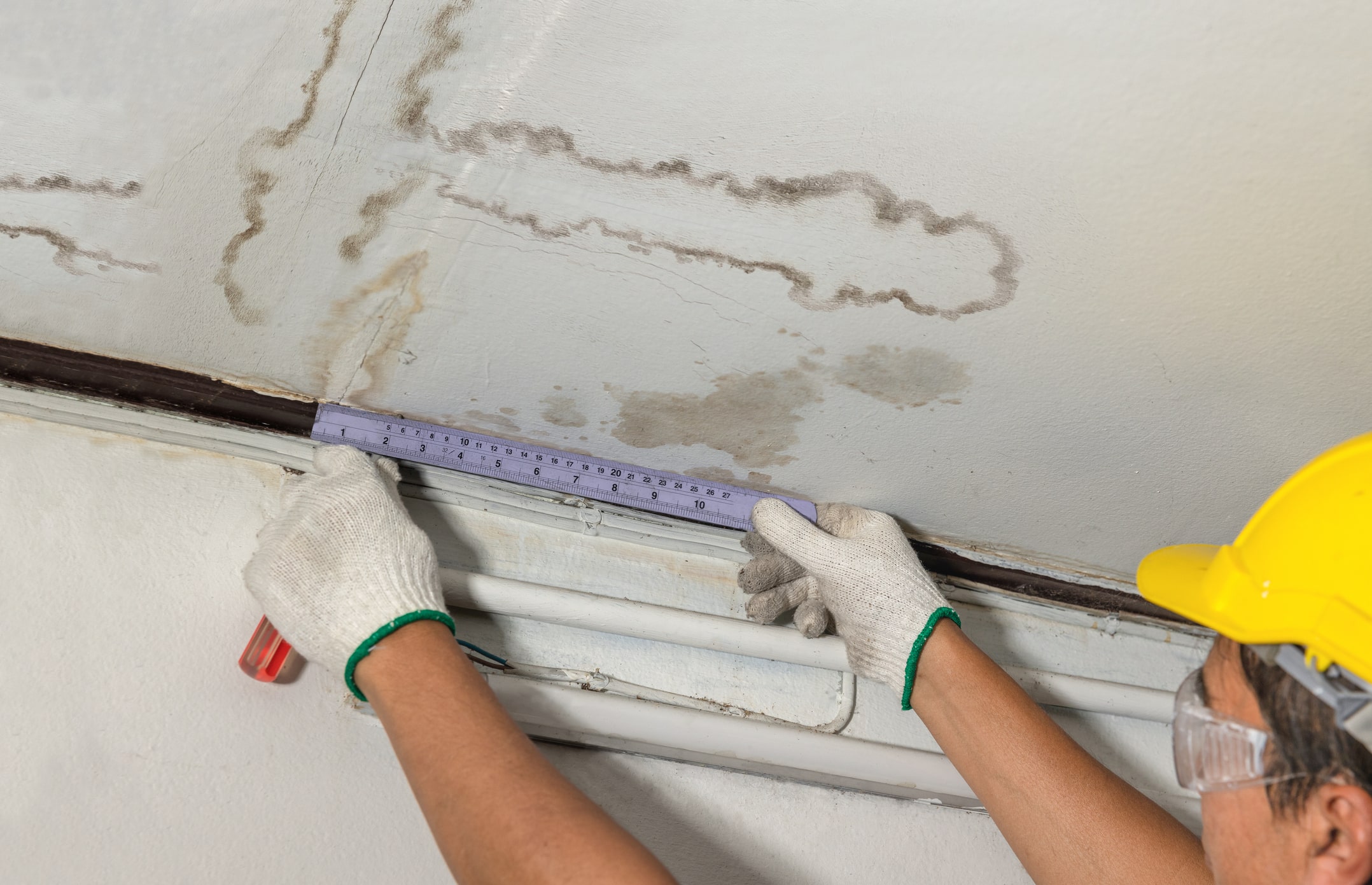
Dallas summers deliver UV radiation intensity and prolonged heat exposure that accelerate membrane aging faster than the nominal manufacturer life ratings suggest. A TPO membrane rated for 20 years in a northern climate may show meaningful performance degradation in 12 to 15 years under the combination of Dallas heat, intense solar loading, and the thermal expansion and contraction cycles produced by 100-degree days followed by spring cold fronts. Property managers overseeing Dallas apartment roofs should be conducting condition assessments every five years on systems over ten years old rather than waiting for visible interior leaks, which by the time they appear indicate membrane failures that have allowed water into the insulation assembly.
The DFW Metroplex hail corridor is among the most active in the United States, and apartment owners with properties in suburban areas like Irving, Garland, Mesquite, and Richardson experience hail damage claims regularly. Insurance carriers writing multifamily policies in Dallas County have become increasingly aggressive about requiring roof condition inspections before renewals, and buildings with aged or storm-worn membrane systems face coverage restrictions that directly affect lender requirements and asset value.
Garden-style apartment complexes with multiple buildings — a common product type in Dallas suburban markets across Carrollton, Plano, and Duncanville — present specific project management challenges when roof replacement is required. A 20-building complex with seven distinct low-slope roof sections per building requires a coordinated replacement program that phases work across units and building clusters, maintains consistent documentation across the entire property, and keeps a contractor's crew productive and on schedule without disrupting tenants across dozens of active households. This is where commercial multifamily roofing experience separates contractors who can execute at scale from those who can handle a single building.
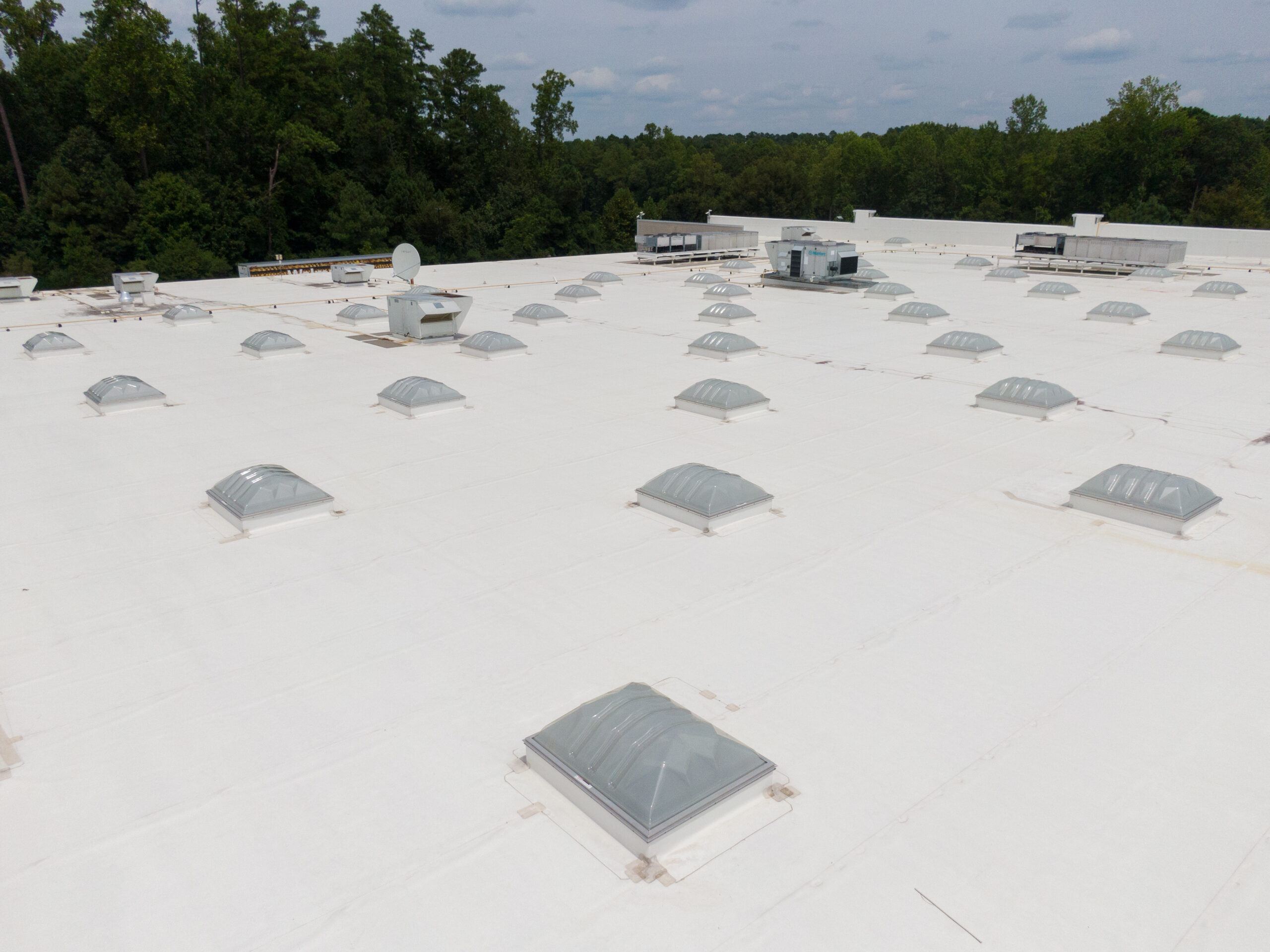
TPO continues to dominate new and replacement installations on Dallas multifamily flat roofs, but the product quality and installation standards vary considerably among contractors in this large market. The combination of high UV loading and thermal cycling in Dallas requires fully adhered or mechanically fastened systems with appropriate fleece backing at penetrations and seam widths that accommodate expansion in extreme heat. We have seen Dallas apartment buildings with contractor-grade TPO installations that showed seam failures within five years, and the difference between those projects and a properly specified installation often comes down to membrane thickness, seam width, and the quality of the fastening pattern at the perimeter zones.
Multifamily real estate investment trusts and institutional owners managing large Dallas apartment portfolios operate on annual capital expenditure budgets that require predictable cost forecasting across their entire property list. We provide annual portfolio condition assessment services for these clients that produce a five-year capital plan with cost estimates across each property, ranked by urgency, so that asset managers can allocate CapEx intelligently and communicate roofing reserve needs to their investment partners. This kind of data-driven approach to roof asset management is increasingly expected by Dallas institutional investors and their lenders.
Property management companies responsible for HOA-governed townhome and condo communities throughout Dallas suburbs — particularly in the master-planned communities around Frisco, Allen, and McKinney that were developed in the 1990s and 2000s — are now approaching the end of the original roofing system life cycles on hundreds of units simultaneously. The synchronized replacement cycle in these communities creates significant budget pressure on HOA reserves and requires HOA boards to make decisions about assessment structures, phasing, and contractor selection under considerable homeowner scrutiny. We have experience guiding Dallas-area HOA boards through this process with clear scopes, competitive pricing, and transparent communication practices.
For Dallas apartment owners managing properties in historically underserved neighborhoods like South Dallas and East Oak Cliff that are now seeing significant investment activity, roofing condition is directly connected to the building's ability to attract and retain quality tenants as the neighborhood improves. Investors pursuing value-add strategies in these areas who upgrade roofing systems alongside interior renovations signal to prospective tenants and the surrounding community that the building is under long-term, serious management — which drives occupancy and supports above-market rents in transitioning neighborhoods.
Dallas's multifamily market will continue to attract institutional capital and individual investors for the foreseeable future, and roofing will remain one of the largest and most consequential capital expenditures for apartment owners in this market. Whether your portfolio spans a single garden-style complex in Lewisville or dozens of buildings across DFW, our commercial roofing team brings the scale, documentation practices, and Dallas market knowledge to serve as a genuine asset management partner — not just a contractor who shows up when something leaks.
Sometimes. If the leak is isolated to a failed flashing at a penetration or parapet, and the BUR field membrane is in otherwise sound condition (confirmed with core cuts), targeted repair is the right scope. If the leak is coming from failed plies in the field of the roof, repair at the leak point without addressing the underlying ply failure will produce another leak nearby within 12-18 months. We will tell you which situation you are in — not just patch the obvious wet spot.