Single-ply membranes are among the most widely used commercial roofing systems in North America — and for good reason. Lightweight, durable, and energy-efficient, these systems offer property owners and facility managers a versatile solution for flat and low-slope roofs.
There are three main types of single-ply membranes: PVC, TPO, and EPDM. Each has unique properties, benefits, and best use cases.
Proven history : EPDM has been in use since the 1960s; TPO was introduced in the 1990s; PVC systems have been widely adopted since the 1970s.
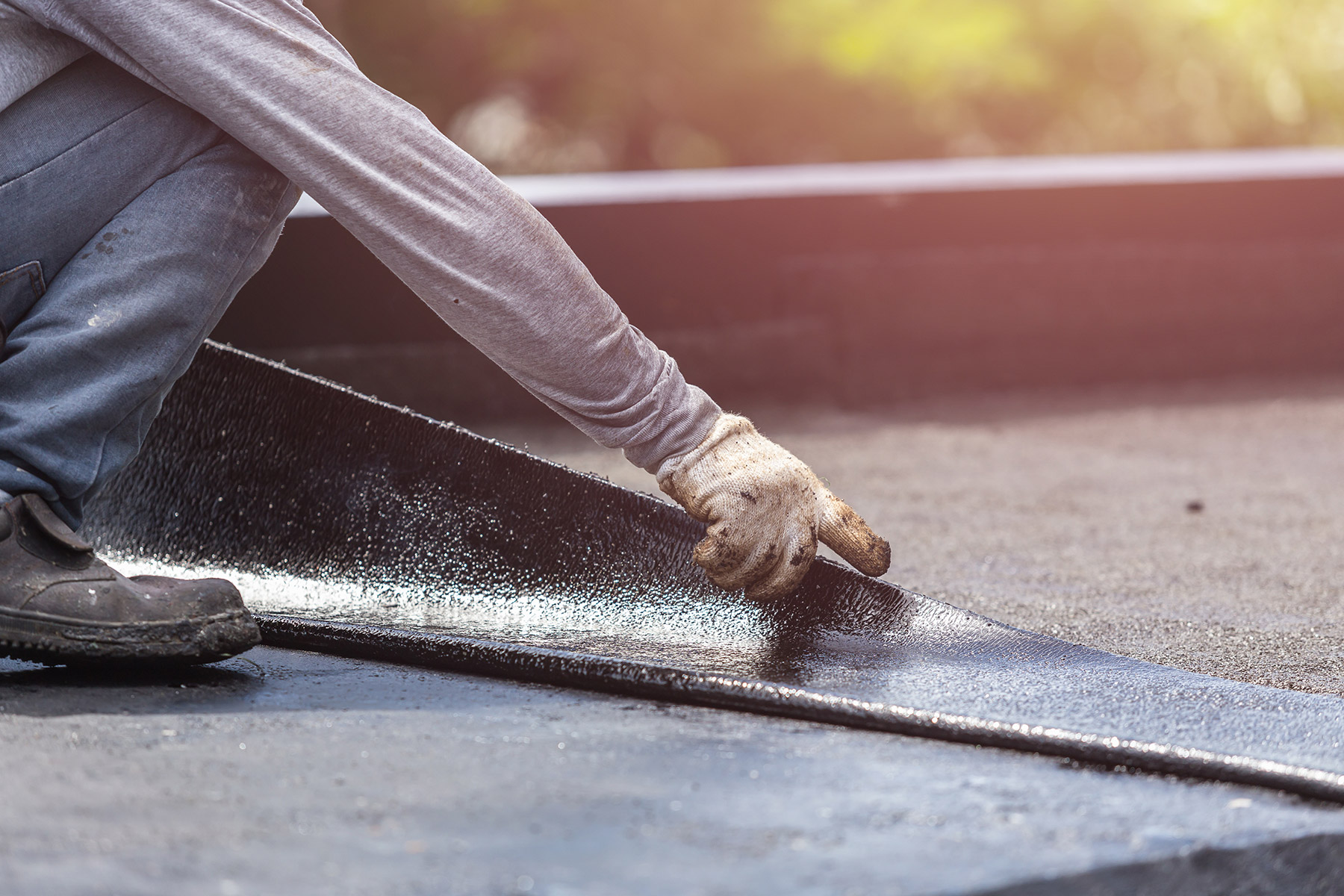
Lightweight & flexible : Easier to install than multi-layer asphalt systems.
Factory-controlled quality : Manufactured under strict standards for consistency and reliability.
Long service life : With proper installation and maintenance, many systems last 20–30 years.
Energy efficiency : Light-colored membranes reflect UV rays, reducing cooling costs and contributing to LEED points.
Thermoplastic (PVC & TPO) : Soften with heat and seams are heat-welded, creating strong, watertight bonds.
Thermoset (EPDM) : Rubber-like material that doesn’t melt with heat; seams are sealed with adhesives or tapes.
PVC membranes are strong, durable, and highly resistant to fire and chemicals.