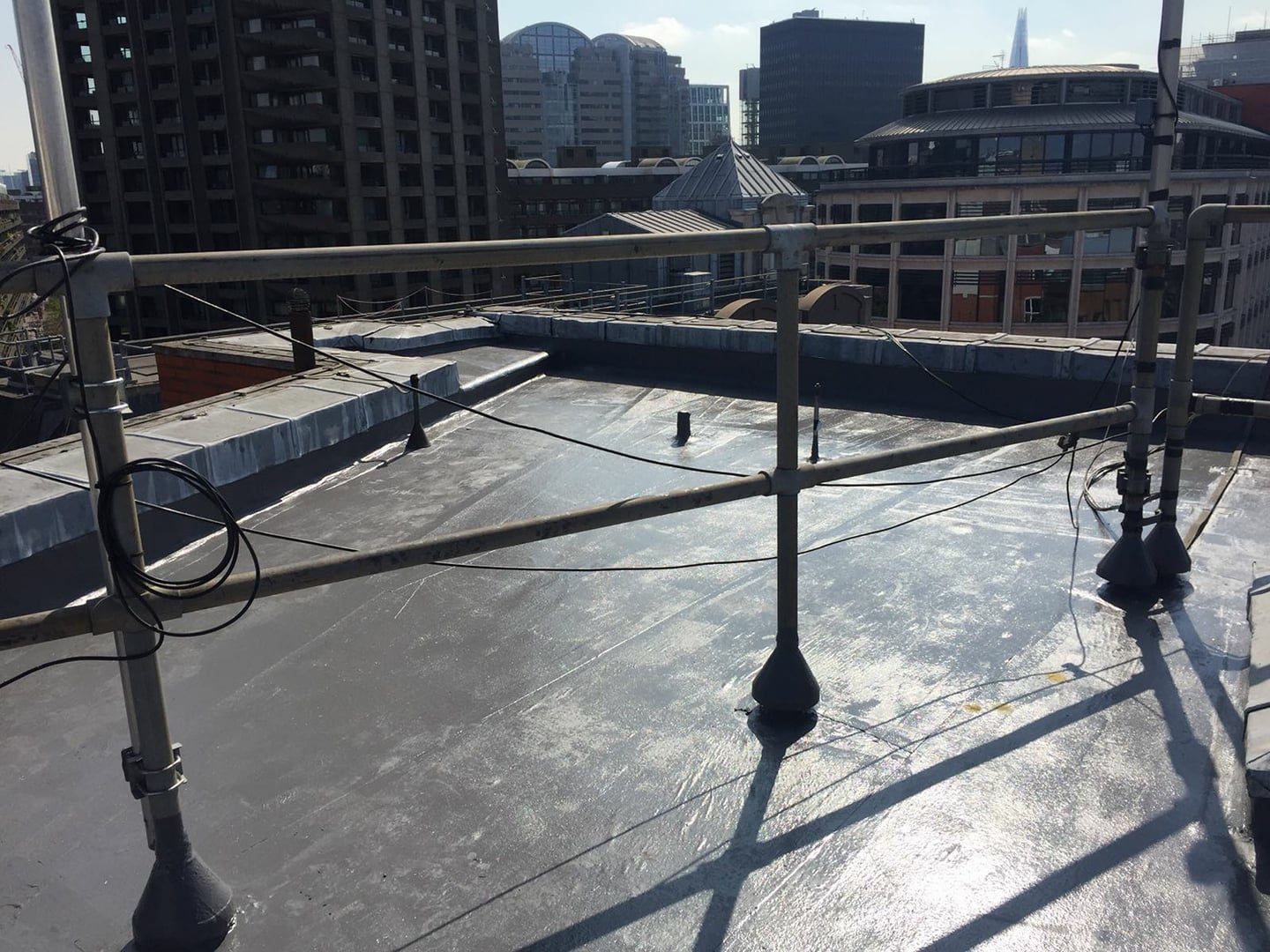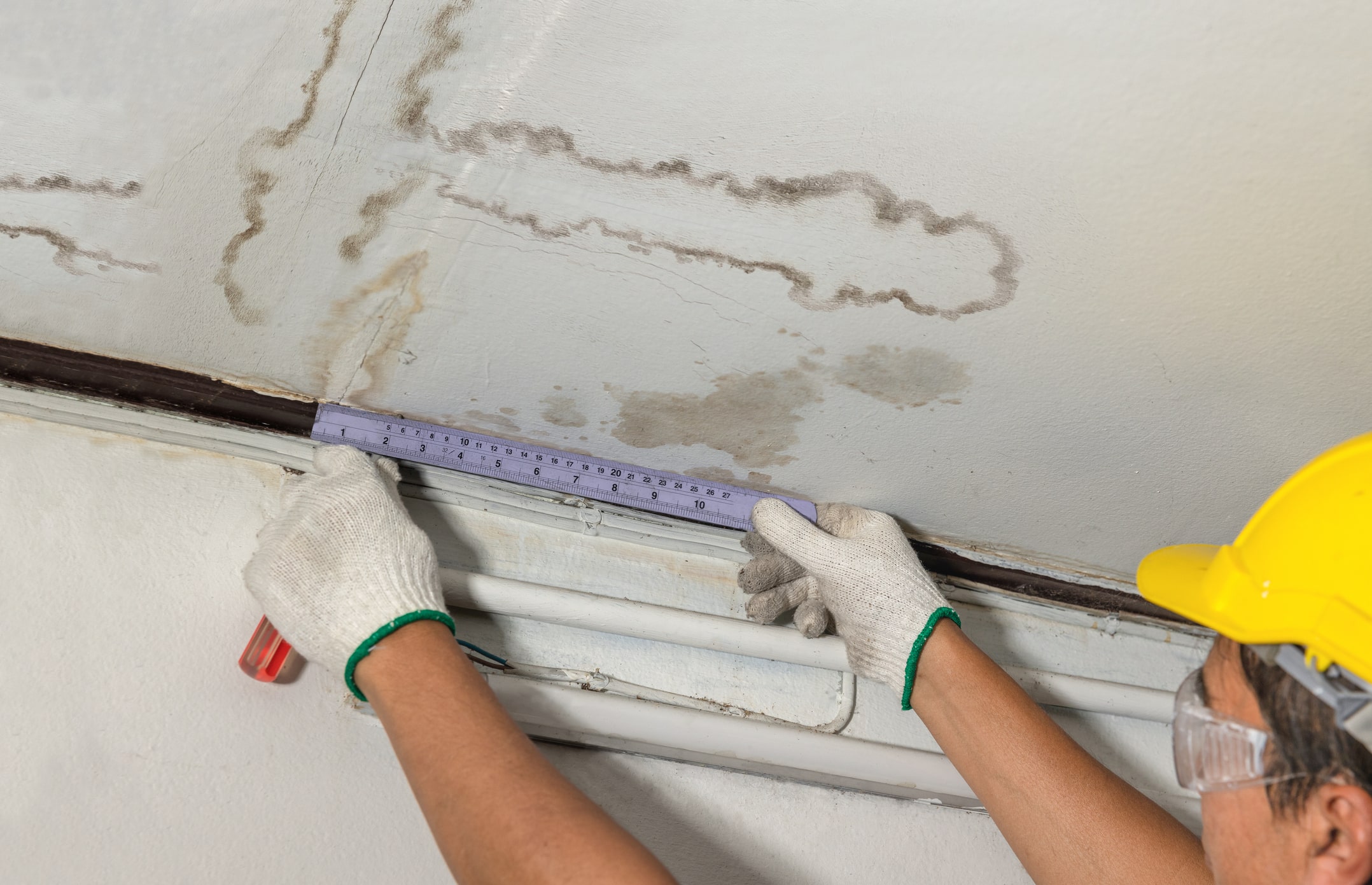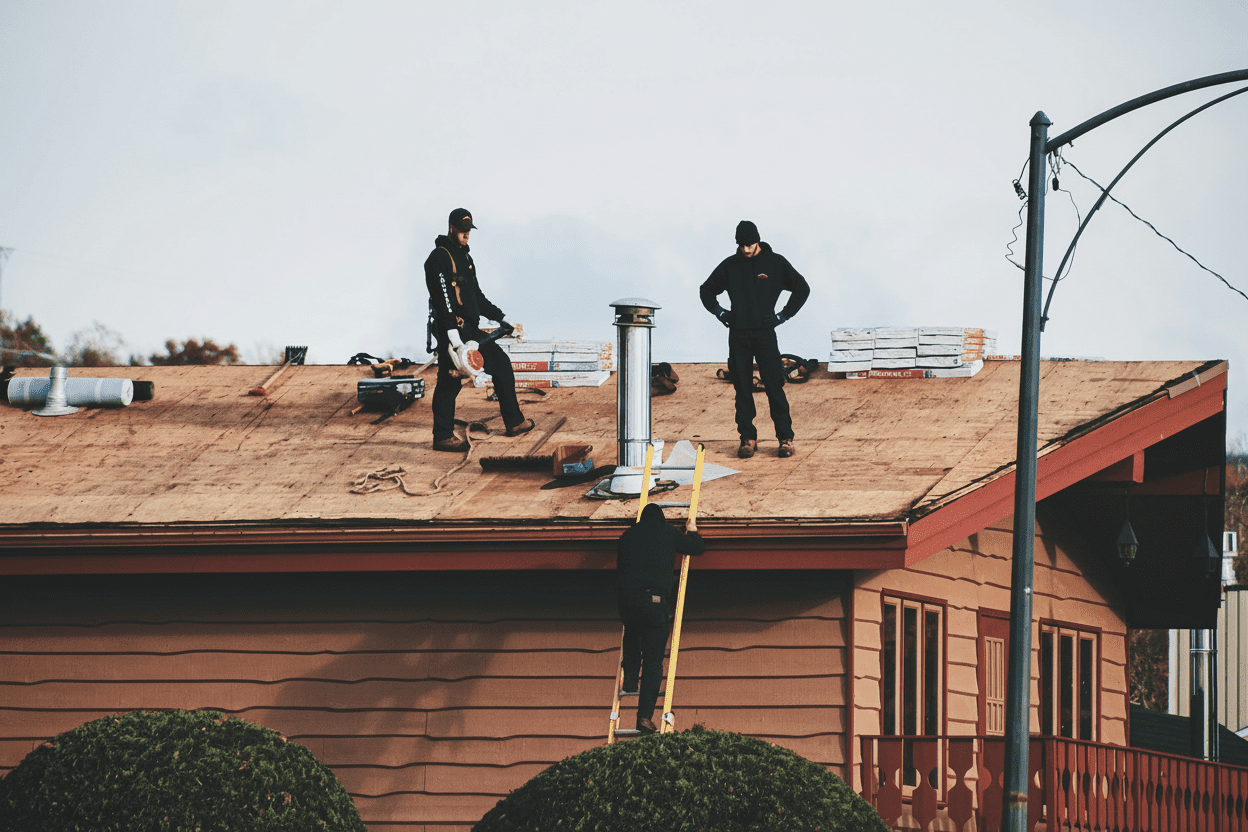
A commercial roof in Dallas takes more abuse than most property owners budget for: spring hail at Class 4 intensity across Dallas County, thermal cycles from sub-freezing in February to 108°F in August, Blackland Prairie clay movement underneath tilt-wall construction in the Stemmons corridor, and UV radiation that degrades EPDM and modified bitumen faster than temperate climates. Preventive maintenance is how you recover useful life from a system that would otherwise fail early, maintain warranty compliance with GAF, Carlisle, Firestone, and Versico, and keep emergency repair spend predictable. We run structured maintenance programs for Dallas commercial properties from Uptown Class A office to Las Colinas corporate mid-rise to the Dallas Logistics Hub distribution centers.
Maintenance programs fit your occupied-building schedule — access coordination confirmed before each visit, no unannounced arrivals, work scoped to avoid disruption to tenant operations. Uptown office towers and Las Colinas corporate mid-rise both require the same predictable access protocol, and we plan each visit around what your building needs rather than what is easiest for us.
A DFW commercial building with a documented maintenance history commands better terms from buyers, lenders, and warranty carriers than one with a gap-filled repair record. Preventive maintenance programs generate the written condition history — semi-annual inspections, drain service, penetration sealing, and warranty compliance records — that turns a roof from a liability question into a documented asset.
Portfolio maintenance programs in the Dallas market cover multiple properties under a single contract with consolidated invoicing and standardized reporting. One vendor relationship, one documentation format, one contact for scheduling changes across a DFW portfolio that may span Stemmons corridor industrial, Las Colinas office, and Plano corporate suburban — that is the structure we build for large-account clients.
Reactive repairs cost 3–4x more than planned repairs (anchor proof).
80%+ of premature roof failures link back to neglected maintenance.
Warranties often require documented inspections to stay valid.
Every maintenance program starts with a full condition assessment — membrane type and age, drain and scupper condition, penetration and flashing integrity, current warranty coverage, and any known repair history. On Stemmons corridor buildings with 1980s or 1990s modified bitumen or built-up systems, this baseline assessment often surfaces deferred deficiencies that need to be addressed before a routine maintenance program can run effectively.
We build a maintenance schedule around your building's specific requirements: membrane type, warranty compliance timeline, occupancy constraints, and seasonal DFW exposure. A Plano corporate campus with a 20-year Carlisle warranty has different inspection requirements than a Hutchins distribution center with a modified bitumen system past its rated life. The maintenance plan reflects those differences rather than applying a generic template to every building.
Semi-annual maintenance visits cover drain clearing and inspection, penetration and flashing resealing, membrane seam examination, standing water documentation, and minor repair work within the contract scope. The fall visit addresses drain conditions and membrane termination seals ahead of the winter season. The spring visit follows the DFW hail season and documents any impact damage before subsequent rain events complicate the causation record for insurance or warranty claims.