We work alongside Dallas owner procurement teams — writing RFPs, evaluating bids for scope equivalency, and reference-checking contractors the owner does not know — on roofing projects where we are not in the bid pool.
Large institutional owners, REITs, and building owners with formal procurement policies often need roofing expertise on the owner's side of the procurement table — not as a bidder, but as a technical resource that helps the procurement team ask the right questions and evaluate answers without being sold to.
We offer procurement support engagements where we are explicitly removed from the contractor bid pool. The arrangement is straightforward: you retain us to help draft the RFP, evaluate bids, and check contractor references. Our role is technical advisory — writing scope language that produces comparable bids, building the bid evaluation matrix, and flagging scope exceptions that shift apparent cost comparisons.
The Dallas commercial roofing market is opaque enough that most procurement teams, even experienced ones, have gaps in contractor evaluation. Which contractors have actually closed out manufacturer NDL warranties on large Dallas commercial projects in the last five years? Which ones have had warranty inspection failures and how did they resolve them? Which ones have the crew capacity to execute a 200,000 sq ft replacement project on a 10-week schedule without subcontracting most of it to labor-only subs? We know the answers to these questions in the Dallas market and we can share them honestly when we are not competing for the work.
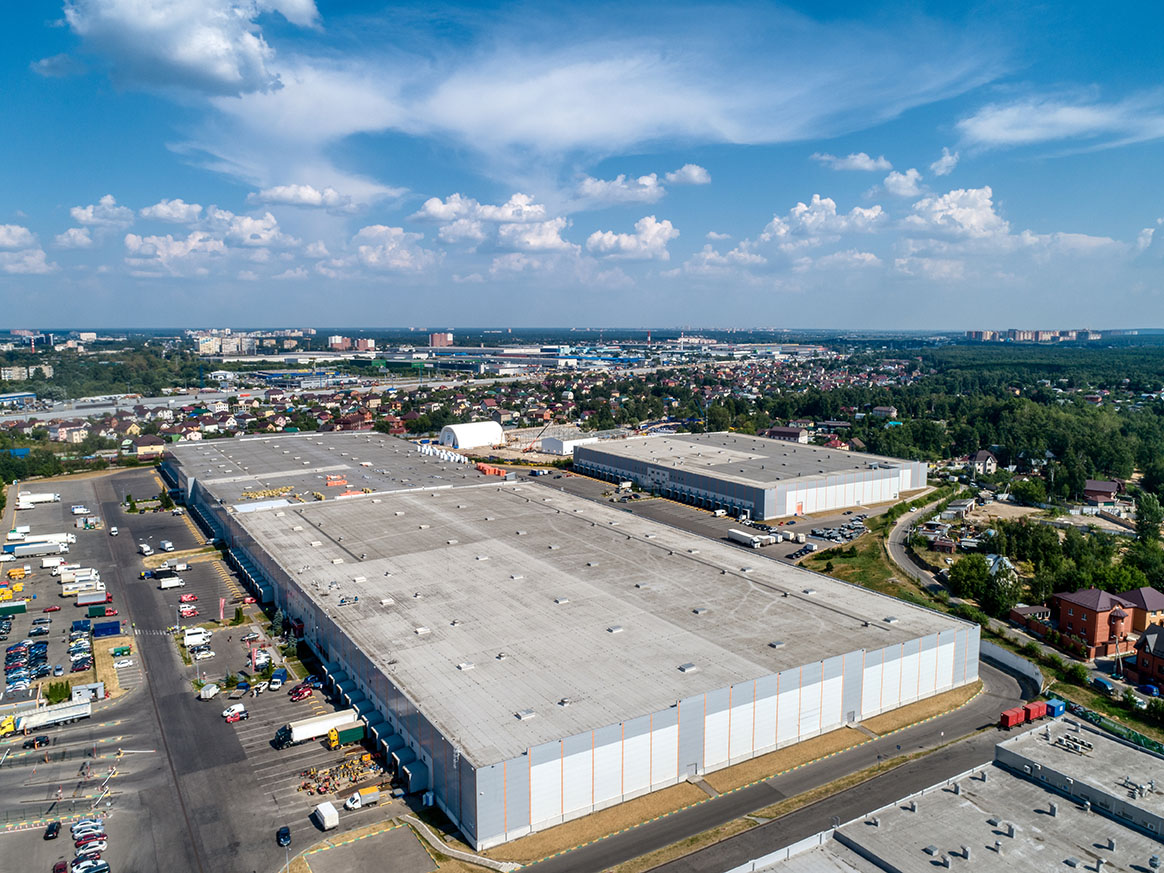
A commercial roofing RFP that produces useful bids has to specify at minimum: building dimensions and access constraints (roof area, number of roof levels, parapet heights, crane access points, elevator capacity for material staging), existing roof system documentation (membrane type, approximate age, insulation type, warranty status), scope boundaries (membrane, insulation, flashings, drains, parapets — what is in scope and what is not), performance requirements (wind-uplift rating, minimum R-value, warranty term and type), closeout documentation requirements, and insurance and bonding requirements.
The RFP should also specify the bid form format — the table structure that forces all bidders to break out labor, material, permit, warranty, and closeout costs as separate line items. Lump-sum bids on complex commercial roofing projects are not comparable; they are just three different people's opinions of what feels right for the building.
For Texas commercial projects, the RFP should also address the Texas Residential Construction Commission (TRCC) inapplicability (commercial work is exempt), confirm that contractor will pull City of Dallas or relevant municipality permits rather than the owner, and specify whether a performance bond is required. For Dallas projects above a certain value, lender or insurance requirements may mandate bonding; we flag these requirements during RFP drafting.
When bids come back, the first pass is scope equivalency: did all bidders price the same scope? Scope exceptions — where a bidder deviates from the RFP — are common and often unannounced. A bidder who prices 60-mil TPO against a spec that called for 80-mil is not delivering the same product. A bidder who excludes manufacturer warranty coordination from their price is not delivering the same closeout. We read each bid against the RFP line by line and produce a scope-equivalency table before the procurement team compares numbers.
The second pass is unbalanced bid analysis: are any line items priced in a way that suggests a strategy to recover margin through change orders? Low base-work bids paired with above-market unit prices on allowance items (insulation replacement, deck replacement, drain replacement) are the most common pattern in Dallas commercial roofing bids. We flag these.
The third pass is qualifications review: does the bidder have the insurance limits, manufacturer credentials, and documented project history the RFP specified? Bids from contractors who do not