A car wash roof gets attacked from two sides at once. The weather works on it from above the way it does on any low-slope building in North Texas, but the real damage starts underneath, where a fog of warm detergent, wax, and tire-shine vapor rises off the tunnel all day and never fully clears. We build and maintain roofs for express tunnels, in-bay automatics, and self-serve operations across Dallas, and we approach the deck as the part of the assembly most likely to fail first — because on this building type, it usually does.
Dallas is a heavy car wash market and the locations are spread across exactly the high-traffic arterials you would expect. Express tunnels line Forest Lane, Greenville Avenue, Lemmon Avenue, and the feeder roads off LBJ Freeway and Central Expressway, with newer builds following rooftop growth out toward the retail pads in Lake Highlands and the Wheatland Road corridor in the southern sector. These sit on hard-driven commercial corners where a closed tunnel on a hot Saturday is lost revenue that does not come back, which shapes how we schedule every job.
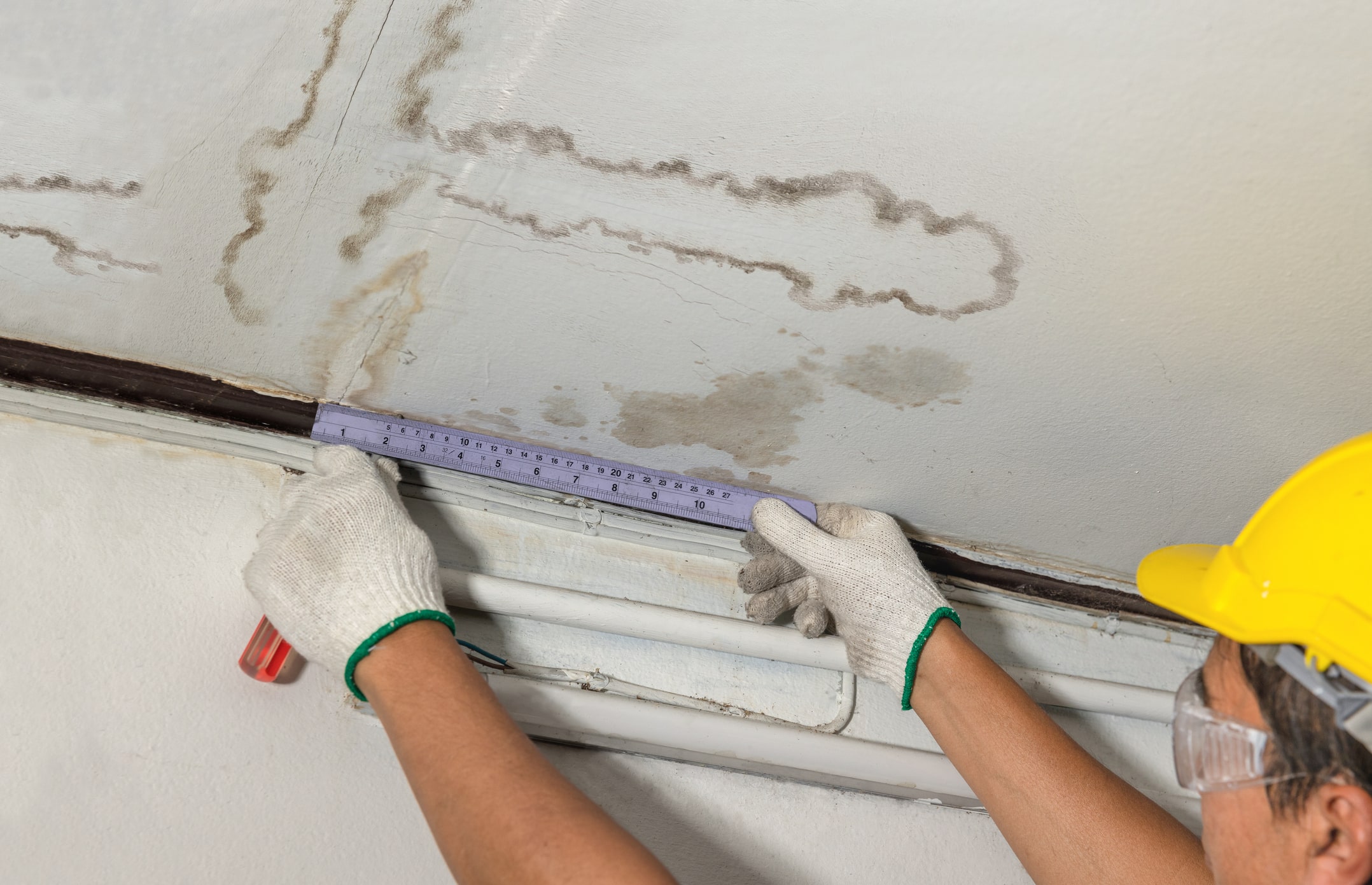
The wash process throws an enormous moisture and chemical load into the air inside the tunnel. High-pressure hot water, foaming presoaks, alkaline detergents, drying agents, and tire dressing all aerosolize and rise. Inside the enclosed bay that vapor finds the underside of the roof deck, the seams in the deck, and the fasteners holding the assembly together. On a steel deck the result is corrosion that starts at the top flutes and works outward from every fastener penetration. On a wood deck it is rot and swelling. Either way the deterioration is hidden — the surface membrane can look fine from a drone shot while the structure beneath it is quietly giving up its fastener pullout strength.
This is the central fact of car wash roofing and it changes the whole specification. We are not just choosing a membrane to handle Dallas sun and wind-driven rain. We are choosing an assembly that controls vapor drive from below, keeps chemical-laden moisture out of the insulation, and uses fasteners and deck protection rated for a corrosive interior. A standard mechanically attached system designed for a dry warehouse will not last on an active tunnel, and we have torn off enough premature failures to know exactly why.
The roof directly over the active wash equipment is the harshest zone on the property. For these areas we lean toward PVC membrane because its chemistry holds up to the alkaline detergents and surfactants far better than other single-ply options, which can soften, swell, or lose welded seam strength under sustained chemical exposure. We typically specify a fully adhered or fleece-back installation so there is no fastener field broadcasting through a corrosive deck and no membrane flutter from the air pressure the tunnel blowers generate. Where the existing deck shows corrosion, we address the substrate first — there is no point welding a premium membrane over steel that has lost its bite on the fasteners.
Car washes are dense with rooftop and roof-line equipment. Big drying blowers, reclaim system vents, and exhaust fans that pull steam and chemical vapor out of the tunnel all penetrate the roof, and every one of them runs hot, wet, and chemically loaded. We treat each penetration as its own detail with an oversized curb and flashing sized for continuous airflow and condensation, never a generic pipe-boot approach. The transitions around these units are the leaks we get called for most, and they are almost always a curb that was flashed like a quiet office roof rather than a working tunnel.
Most Dallas express sites are more than one roof. There is the tunnel, a low-slope cap over the equipment and mechanical room, and then the vacuum canopies out on the exit apron. The canopies take vehicle exhaust, overspray from tire dressing, and the full thermal swing of being fully exposed, and the canopy-to-building transitions and canopy drain connections are a chronic failure point on this building type. We inspect those connections, the gutters, and the downspout tie-ins as discrete items, because the canopy is on a completely different wear curve than the conditioned office and lobby roof and needs its own maintenance rhythm.
Drainage is the other thing we check hard. In-bay and self-serve layouts in particular often drain poorly over the equipment bays, and standing water on a roof that is already fighting chemical vapor accelerates everything. Where we find ponding we correct it with tapered insulation routed to working drains or scuppers, rather than leaving water to sit and degrade the membrane and seams.
Dallas tunnels run seven days a week through most of the year, and the busiest hours are the worst possible time to have a crew on the roof over the line. We plan tunnel roof work into the early-morning and late-evening close windows, sequence it so the active wash stays dry overnight, and keep external building and canopy work to hours when we can set up traffic control that keeps cars clear of the staging zone. The goal is simple: the wash keeps earning while the roof gets fixed.
Membrane manufacturers almost universally exclude chemical exposure from their standard warranties, which matters enormously on a car wash. Before we specify anything for a tunnel bay, we confirm with the manufacturer that the actual chemical program in use at that location is compatible with the membrane and that the warranty will cover the installed conditions. Some manufacturers offer specific chemical-exposure or car-wash warranties, and we identify those during specification rather than discovering the exclusion after a claim is denied.