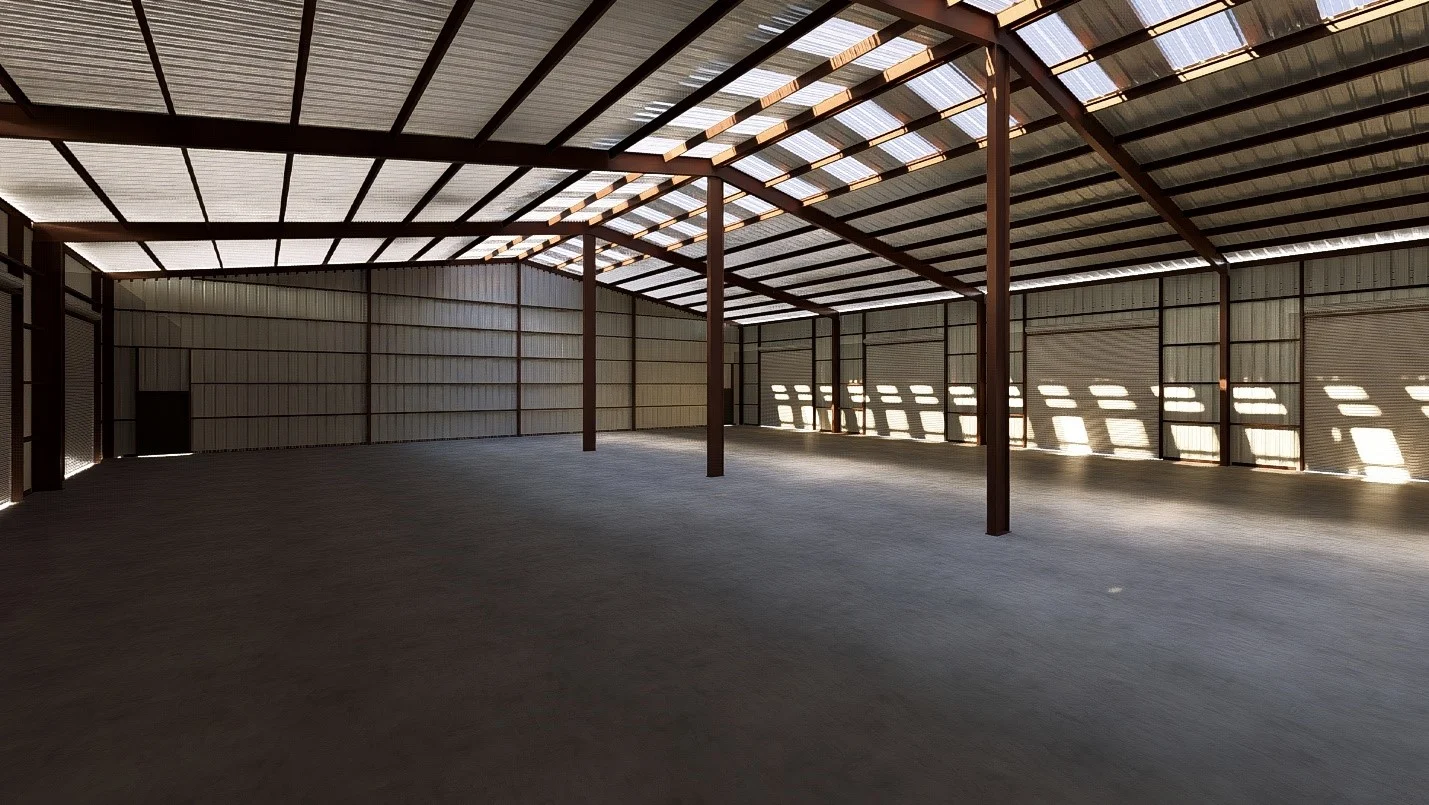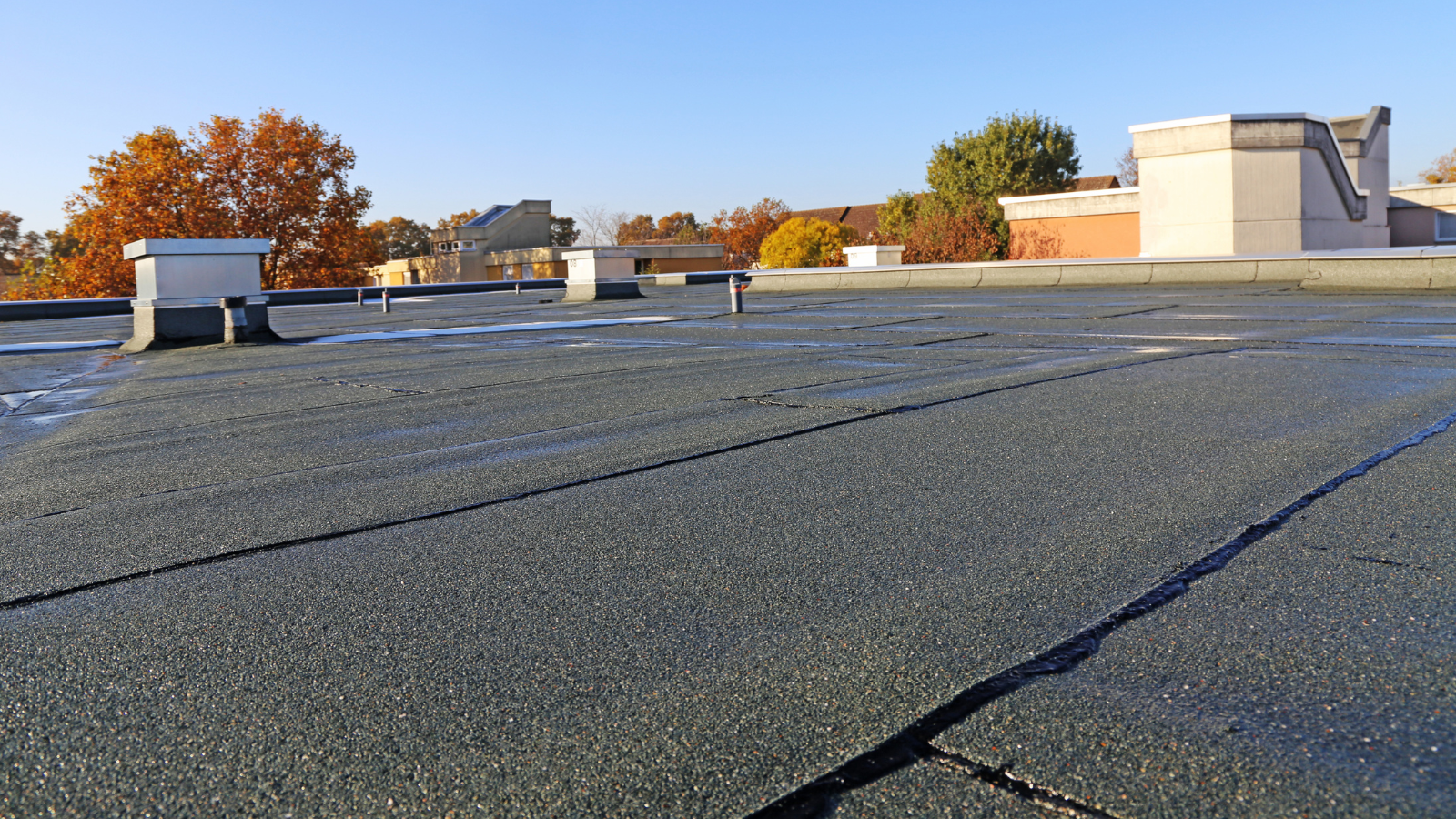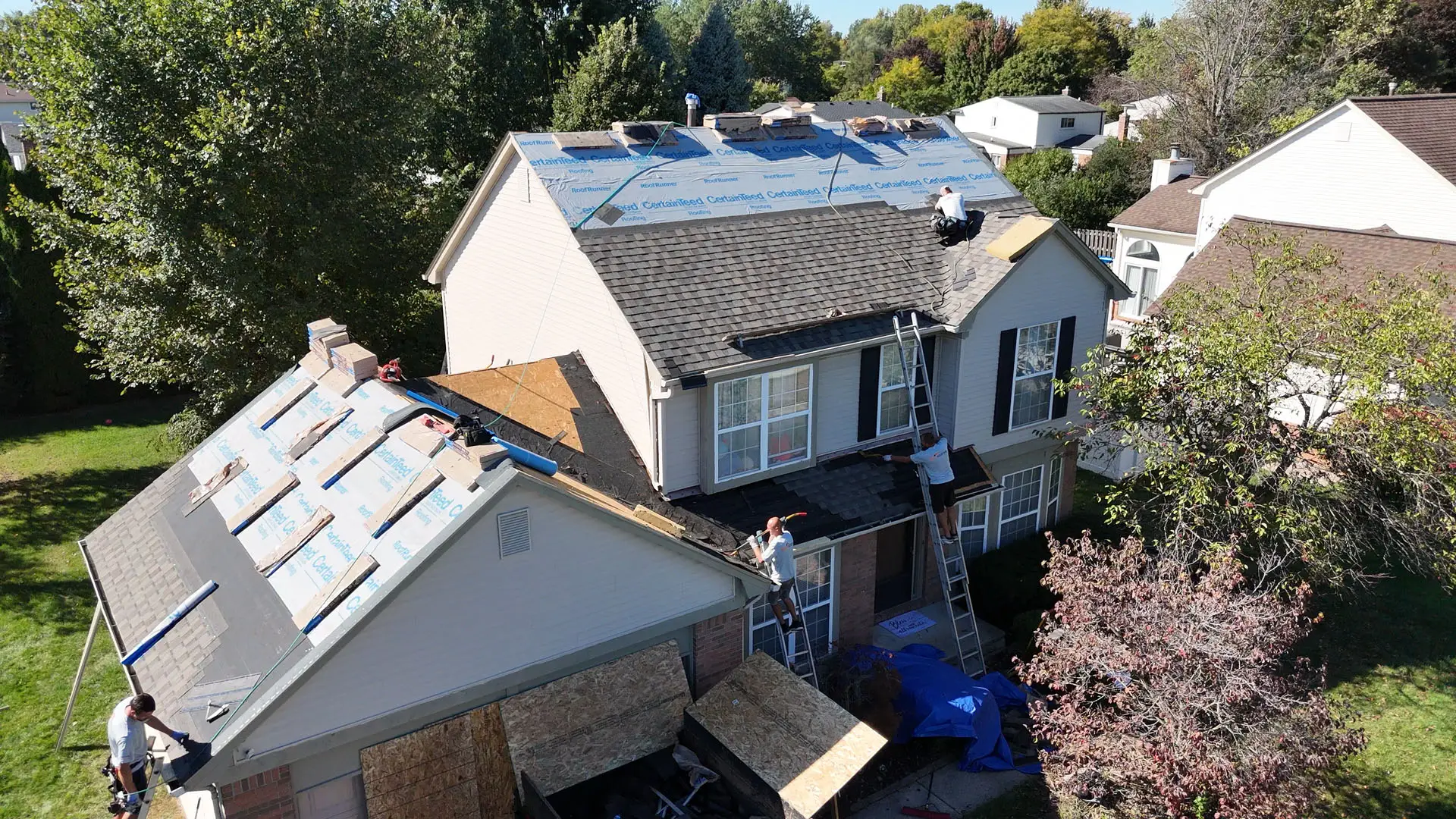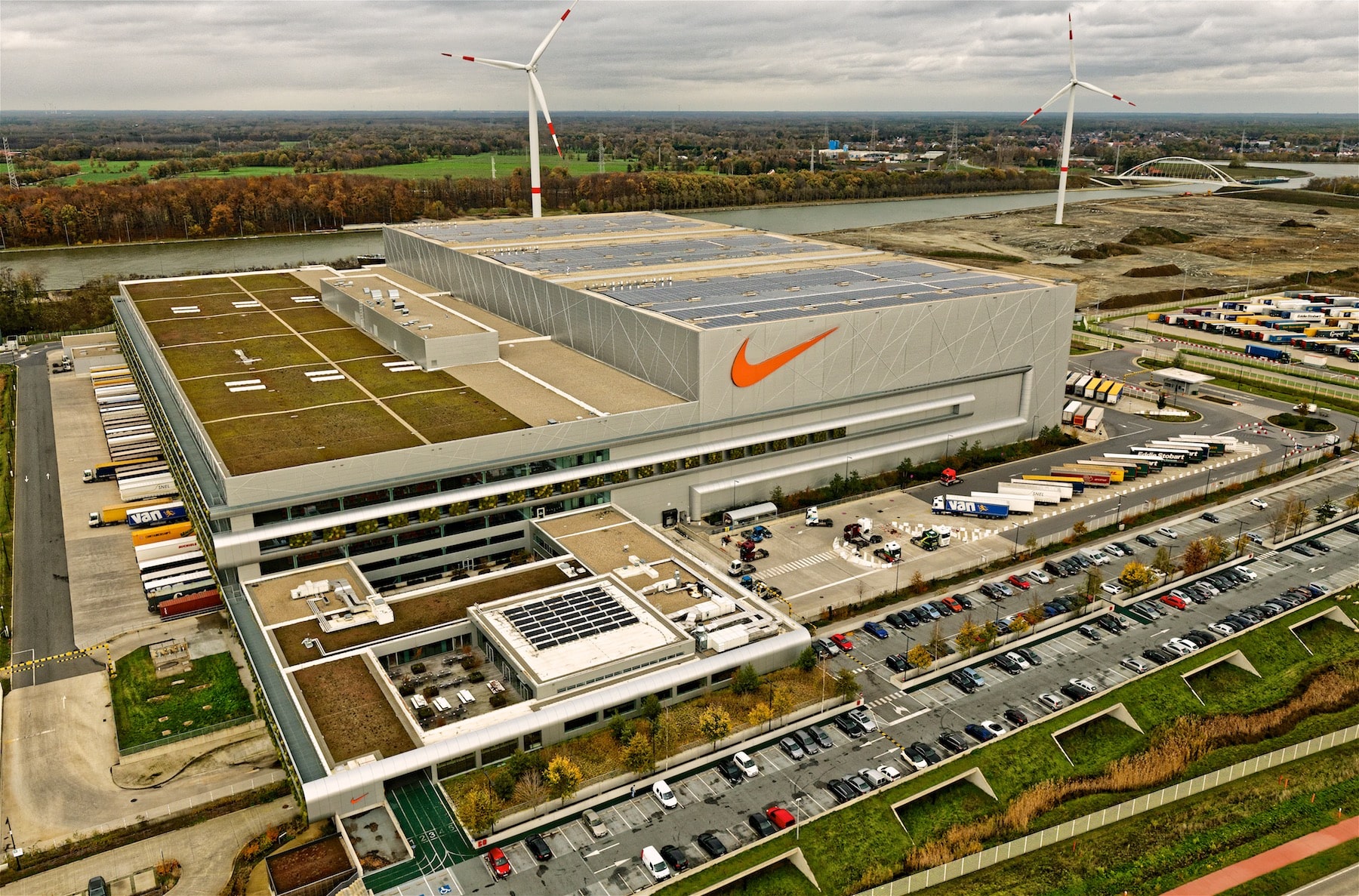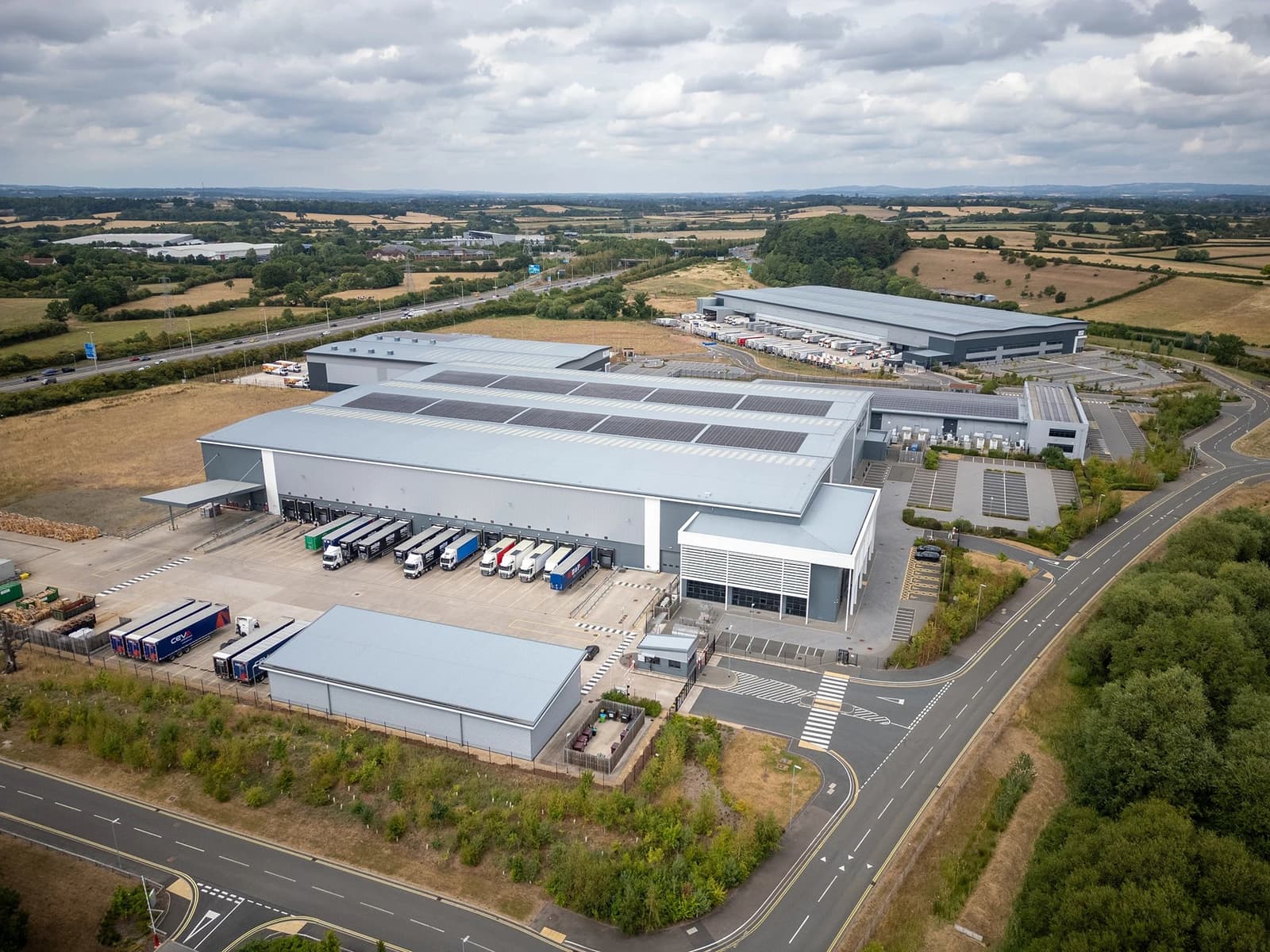
The 200,000 to 1,000,000 sq ft distribution buildings across the DFW Metroplex. We sequence large-deck production around 24/7 fulfillment operations and close out with manufacturer warranties that hold up at the next asset transaction.
The DFW Metroplex Metroplex is one of the top three distribution markets in the country. The Intermodal Logistics Center in Hutchins, the Alliance Gateway industrial complex in north Fort Worth, the Great Southwest Industrial District in Grand Prairie, and the Mesquite, Garland, and Balch Springs industrial corridors collectively hold hundreds of large-format distribution buildings. Many of these buildings are in the 200,000 to 800,000 sq ft range — the format that was built in volume from the mid-1990s through the 2010s and is now reaching its first or second major roof replacement cycle.
Distribution center roofing at this scale is its own project category. The logistics involved in managing material delivery, crew access, debris removal, and phased production across 400,000 sq ft of active distribution space while the building runs 24/7 inbound and outbound operations requires a project management approach that is closer to industrial construction than standard commercial roofing. We have run these projects. We know what the dock superintendent needs, what the 3PL's operations director needs, and what the building's asset manager needs — and those are three different things.
The buildings in the Intermodal Logistics Center in Hutchins, the older DHL and FedEx facilities near Dallas Love Field, and the large Amazon and Walmart distribution centers in the southern and western DFW submarkets represent the kind of work we have structured our operations to handle.
A 600,000 sq ft distribution center reroof is a 12-16 week project with daily material deliveries, 6-8 crew members on the roof at any time, and a production sequence that has to be planned against the building's inbound and outbound schedule. The project manager on these jobs is on-site every production day — not checking in once a week.
We assign a dedicated project manager to every distribution center project over 200,000 sq ft. That project manager's job is to maintain the production schedule, coordinate with the facility's operations team daily, manage the material delivery sequence (because 400,000 sq ft of insulation boards cannot arrive on day one without creating a laydown problem), and escalate any conflict between production and operations before it becomes a work stoppage.
Pre-construction on large distribution center reroofs includes: a kick-off meeting with the facility manager, operations director, and our project manager; a walking review of the production sequence against the building's interior layout; identification of dock doors and yard areas that will be affected by debris chute placement and dumpster positioning; and a written communication protocol for daily operational updates.
Distribution centers do not stop. The Amazon fulfillment facility operations in Coppell and North Garland run three shifts. The large 3PL operations in Mesquite and the Intermodal Logistics Center have inbound and outbound windows that drive dock-door usage throughout the night. Roof work above active dock doors, above active conveyor lines, and above occupied break rooms and offices requires a different protocol than work above empty storage bays.
We map the building's operational zones against the production sequence before mobilization. High-sensitivity zones — above active conveyor lines, above dock control rooms, above occupied mezzanine offices — get scheduled into the production sequence at times when those zones are least active (typically second and third shift) or when the 3PL's operations team can reroute traffic. This mapping exercise takes 2-3 days of pre-construction walking and coordination, and it prevents the kind of operations conflict that shuts down production for a day on a building that charges downtime by the hour.
Debris containment inside the building is a specific concern on distribution center reroofs. High-bay racking systems cannot have debris falling from the roof deck area during tear-off. We use vacuum-equipped tear-off equipment and seal every roof deck opening with temporary covers before any tear-off begins. Interior ceiling protection — poly sheeting over active pick-and-pack areas and active conveyor systems — is part of our scope on every occupied distribution center project.