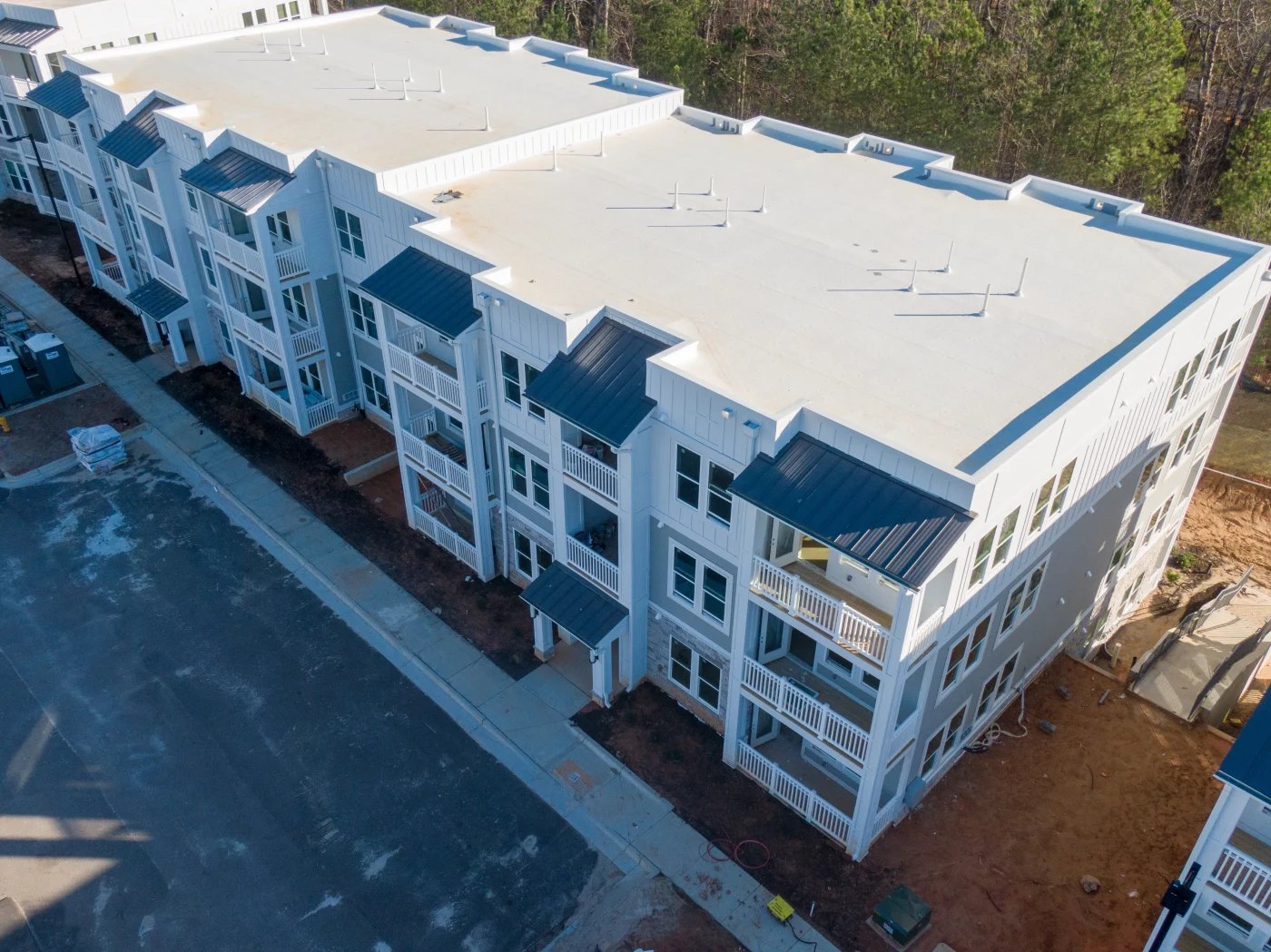
Apartment complexes in Uptown, Oak Lawn, Las Colinas, Frisco, and Allen — occupied-building production with resident notification, debris control, and zero unplanned interior exposure.
Dallas multifamily roofing is driven by two realities: the hail belt and the apartment construction cycle. The Dallas metro sits in a corridor where large-stone hail hits multiple times per decade — 2016, 2019, 2021, and 2023 all produced documented 2-inch-or-larger hail events that put large numbers of apartment complexes into insurance claim cycles simultaneously. The other driver is age: the Uptown and Oak Lawn apartment buildings from the 1990s, the Las Colinas high-density complexes built in the 2000s, and the first generation of Frisco and Allen master-planned communities from the 2000s are all reaching first-reroof or major-repair thresholds.
The occupancy variable is what separates multifamily roofing from most other commercial work. There is no such thing as an empty apartment complex roof replacement in Dallas — residents are home during the day, some units have balconies or patios directly below the work area, and a roof failure that lets water into a resident's unit creates an immediate habitability event and a liability claim. We approach them as occupied-building projects where the production schedule and the resident communication plan are equally important.
Our multifamily work runs across the Uptown and Turtle Creek corridors for the mid-rise wood-frame buildings, the Las Colinas and Irving complexes for the suburban garden-style product, and the Frisco, Allen, and McKinney new-growth areas for the 2000s-era complexes that are hitting their first major roofing milestone.
Every multifamily reroof we manage includes a resident communication protocol that goes out through the property management company. The initial notice goes 14 days before production starts, describing the scope, the approximate production window above each building section, and the on-site contact for resident questions. A 48-hour reminder goes to affected building sections before production moves to their area. Same-day text or email updates go through the property manager when the production window for a specific building shifts.
Residents have questions that go beyond 'when will you be on my building.' They ask about noise windows, debris risk to vehicles in adjacent parking, access to their patio or balcony, and what to do if they see a leak during or after the project. We prepare a resident FAQ for each project — it goes out with the initial notice and the property management team is briefed on every answer before they field resident calls.
Vehicle protection in parking areas adjacent to tear-off is non-negotiable. We protect vehicles within the debris zone with tarps or direct them to a temporary alternate parking area during tear-off on their building section. A debris hit on a tenant's vehicle during a reroof is a management crisis that costs more than the cost of the protection.
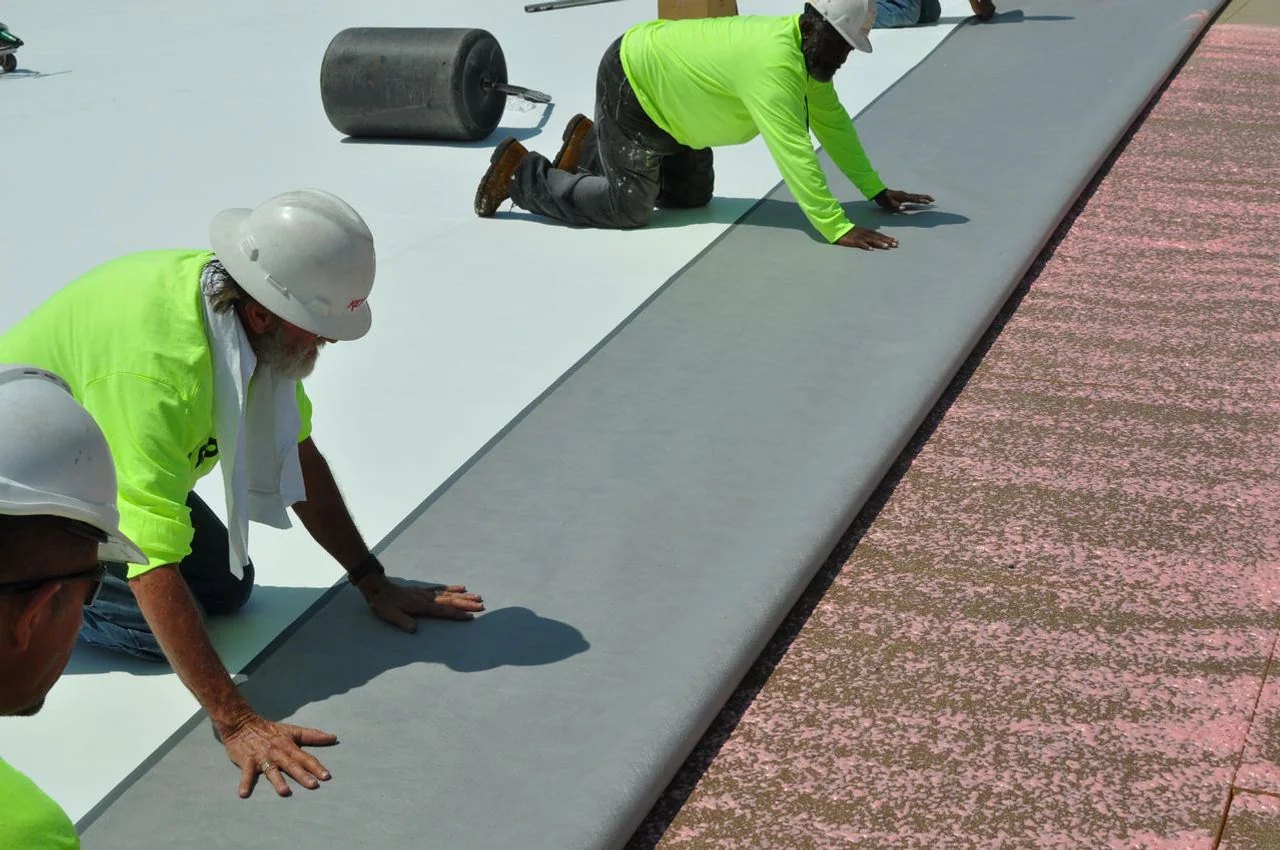
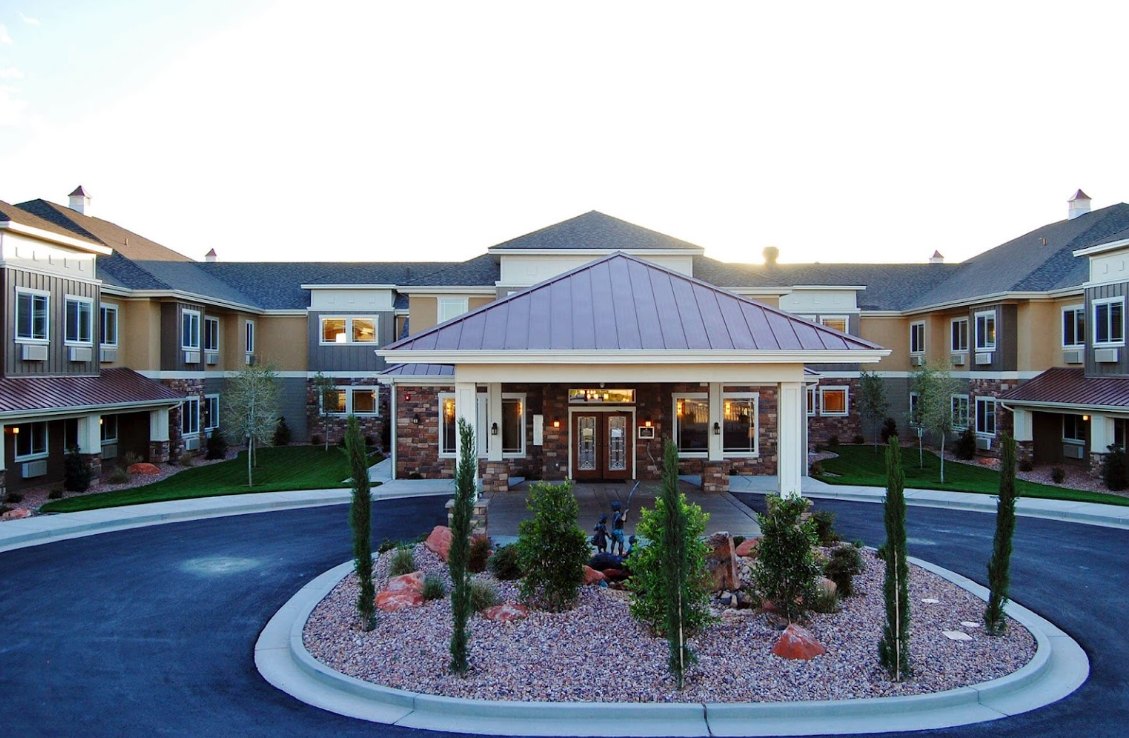
Garden-style apartment complexes — the two and three-story buildings that dominate Las Colinas, Addison, and the southern Frisco submarkets — get sectioned by building. We complete one building at a time: tear-off, dry-in, insulation, membrane, flashings, and punch walk, then move to the next building. Residents in completed buildings are out of the construction zone before we move to their neighbors.
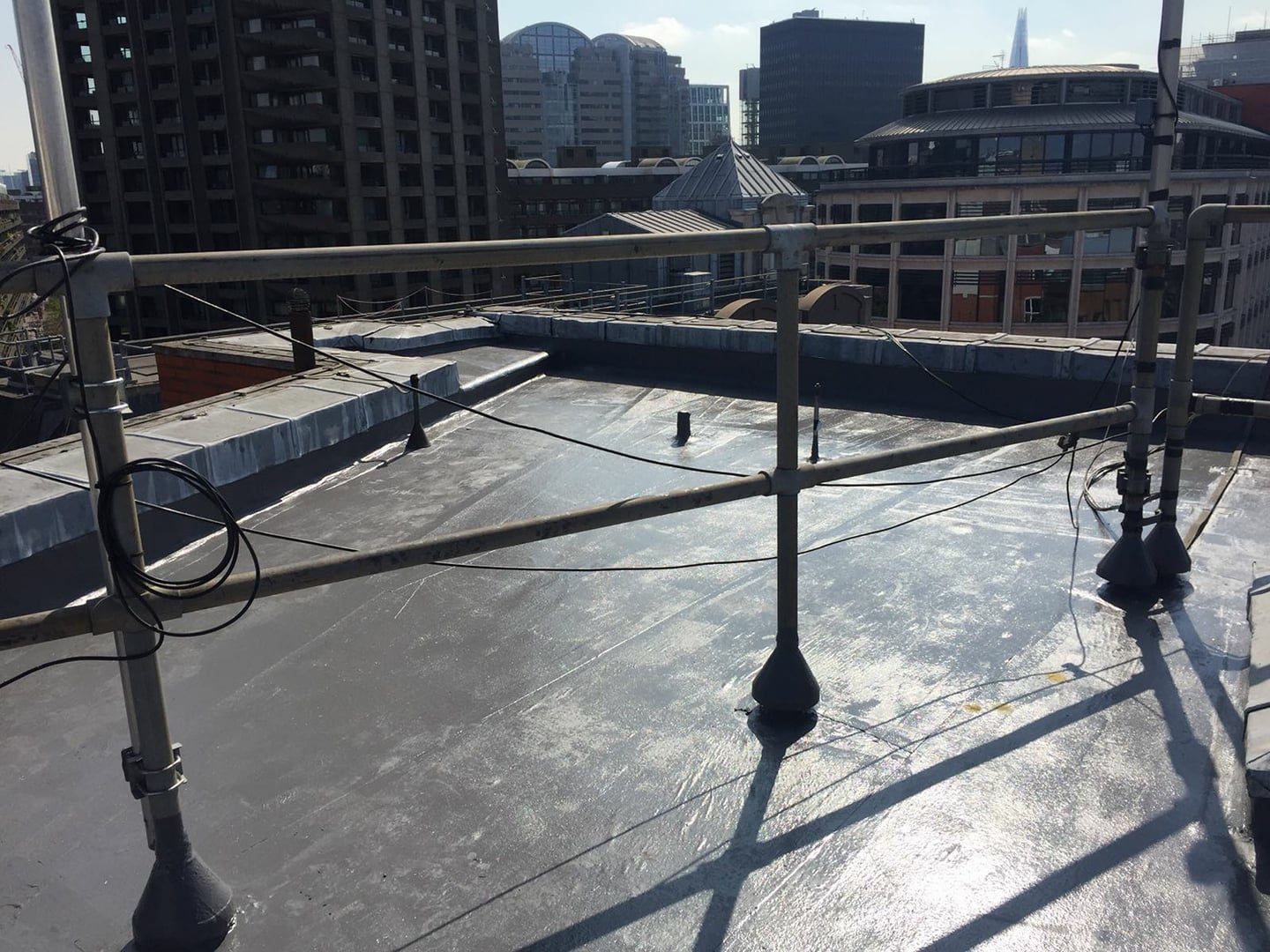
Mid-rise wood-frame buildings in Uptown and Oak Lawn are more constrained. The roof decks are often structural lightweight concrete over wood framing, and crane access is limited by the urban lot sizes along Cedar Springs and Turtle Creek Boulevard. On these buildings, we use a rooftop material hoist or crane-delivered daily material drops rather than ground-based staging. The sequencing is horizontal across the roof surface in 3,000-5,000 sq ft daily sections with same-day complete seal.
Dallas hail events generate simultaneous insurance claims across dozens of multifamily properties.