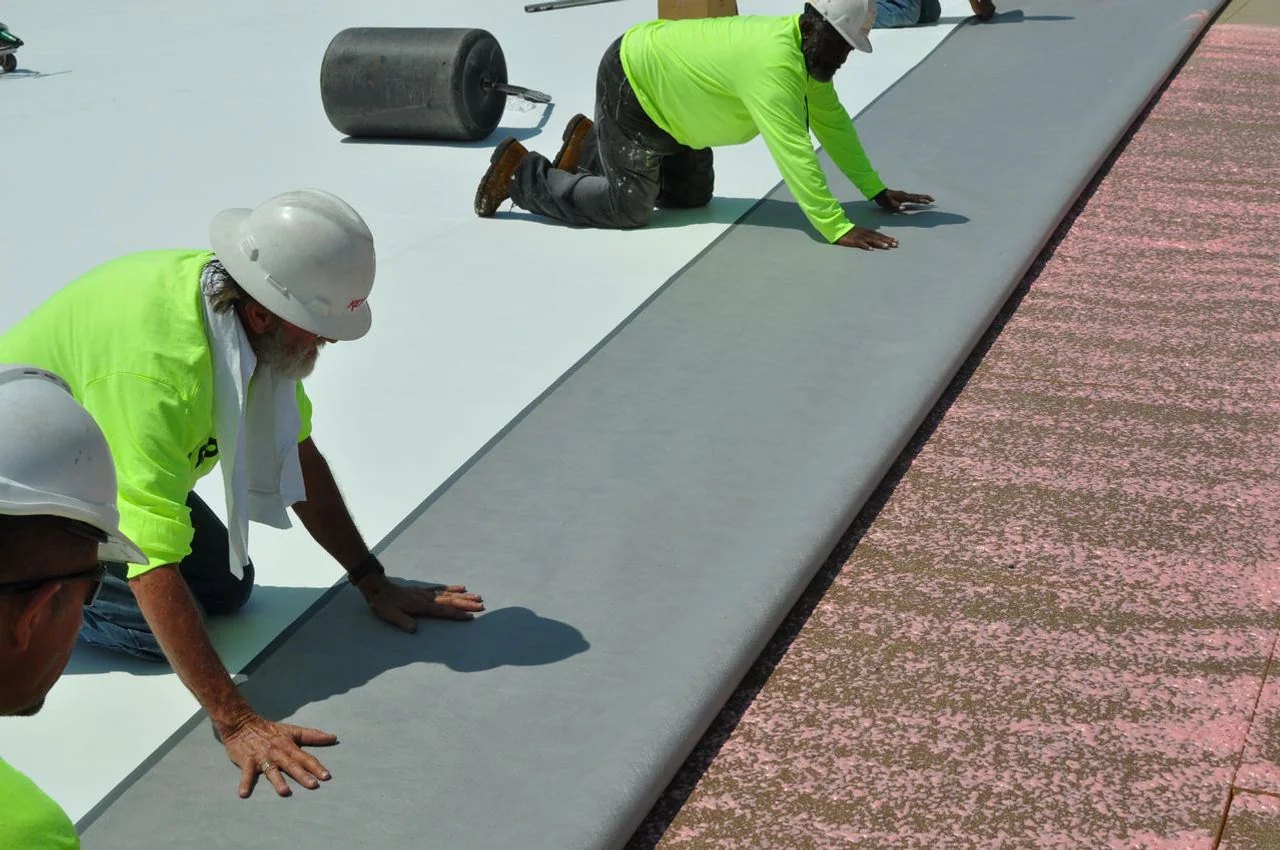
DISD, Plano ISD, Frisco ISD, Allen ISD, and Richardson ISD campuses. Summer-window production that finishes before teachers return, school-year emergency response, and capital documentation that supports bond program planning.
School roofing in the Dallas metro is driven by three forces: construction age, bond program cycles, and the summer window. Dallas ISD has one of the oldest campus inventories in North Texas — dozens of elementary and middle school buildings from the 1950s through 1980s that have been through multiple roof recoveries and are now due for full replacement. The suburban districts — Plano ISD, Frisco ISD, Allen ISD, Richardson ISD — have a different profile: larger-format buildings from the 1990s and 2000s that are hitting their first major roof replacement threshold. All of them operate under bond program capital structures that drive the procurement and approval process.
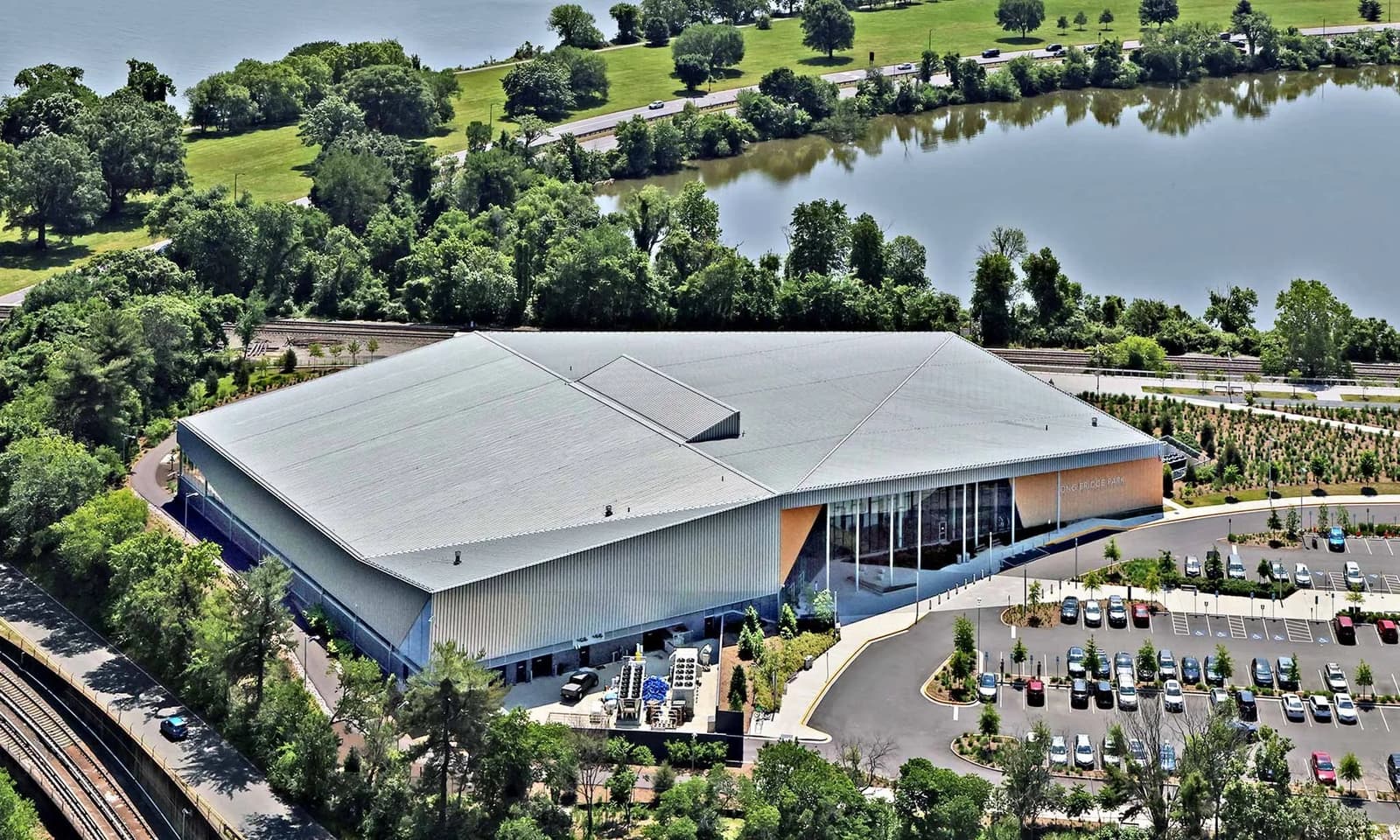
The production window is the defining constraint for school roofing. The typical Dallas-area school district opens in early August — which gives a summer production window of late May or early June through late July. A large high school campus of 300,000-plus sq ft cannot be fully reroofed in that window without multiple crews and precise phase management. Elementary schools at 50,000-80,000 sq ft are more manageable, but they still require a realistic production schedule that does not slip into the school year.
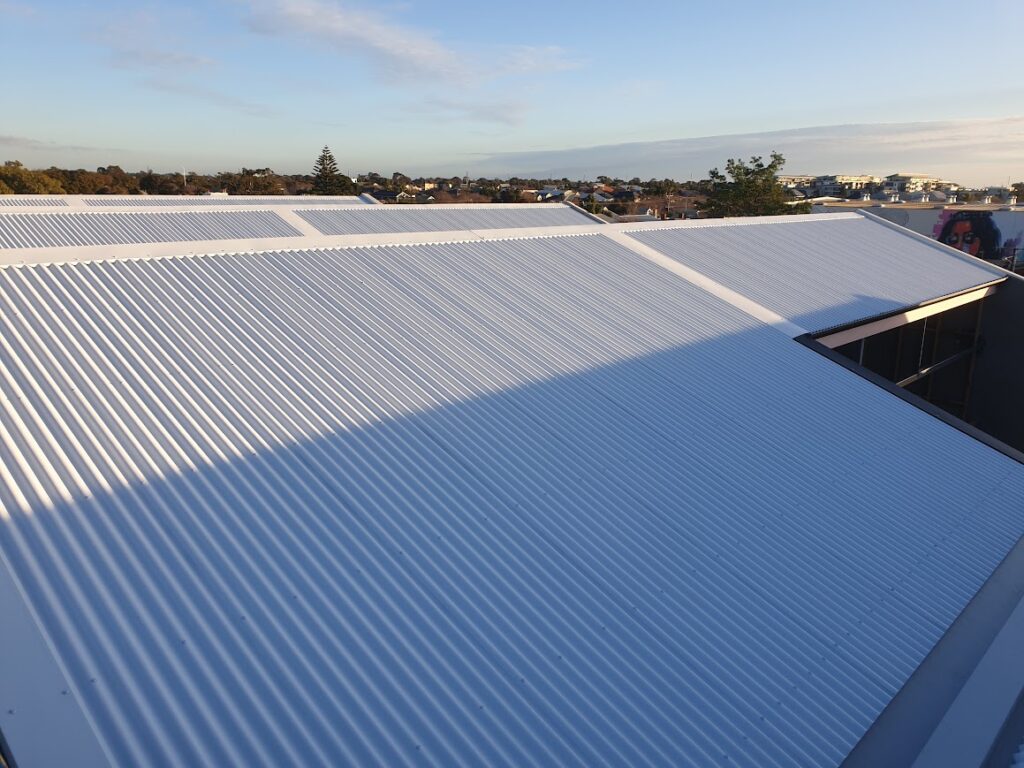
We have reroofed campuses across DISD's inner-loop elementary buildings, Plano ISD's corporate-corridor elementary and middle schools, and Frisco ISD's large-format high school buildings. The production planning and the district coordination process are as important as the roofing.
DISD roofing work typically goes through the district's job-order contracting (JOC) process or through sealed competitive bids. Plano ISD and Frisco ISD use a different procurement path that often routes through their facilities department's annual maintenance contractor roster. We participate in these procurement structures — we are not a contractor who shows up at bid day without an established relationship with the district's facilities team.
Production phasing on large high school campuses requires mapping the school's academic and extracurricular calendar into the construction sequence. Summer school, athletic camps, and facility maintenance schedules all create partial-occupancy conditions at buildings that districts often assume are completely empty in June and July. We ask for the full summer-occupancy calendar before we write the production schedule, so the phase plan reflects reality.
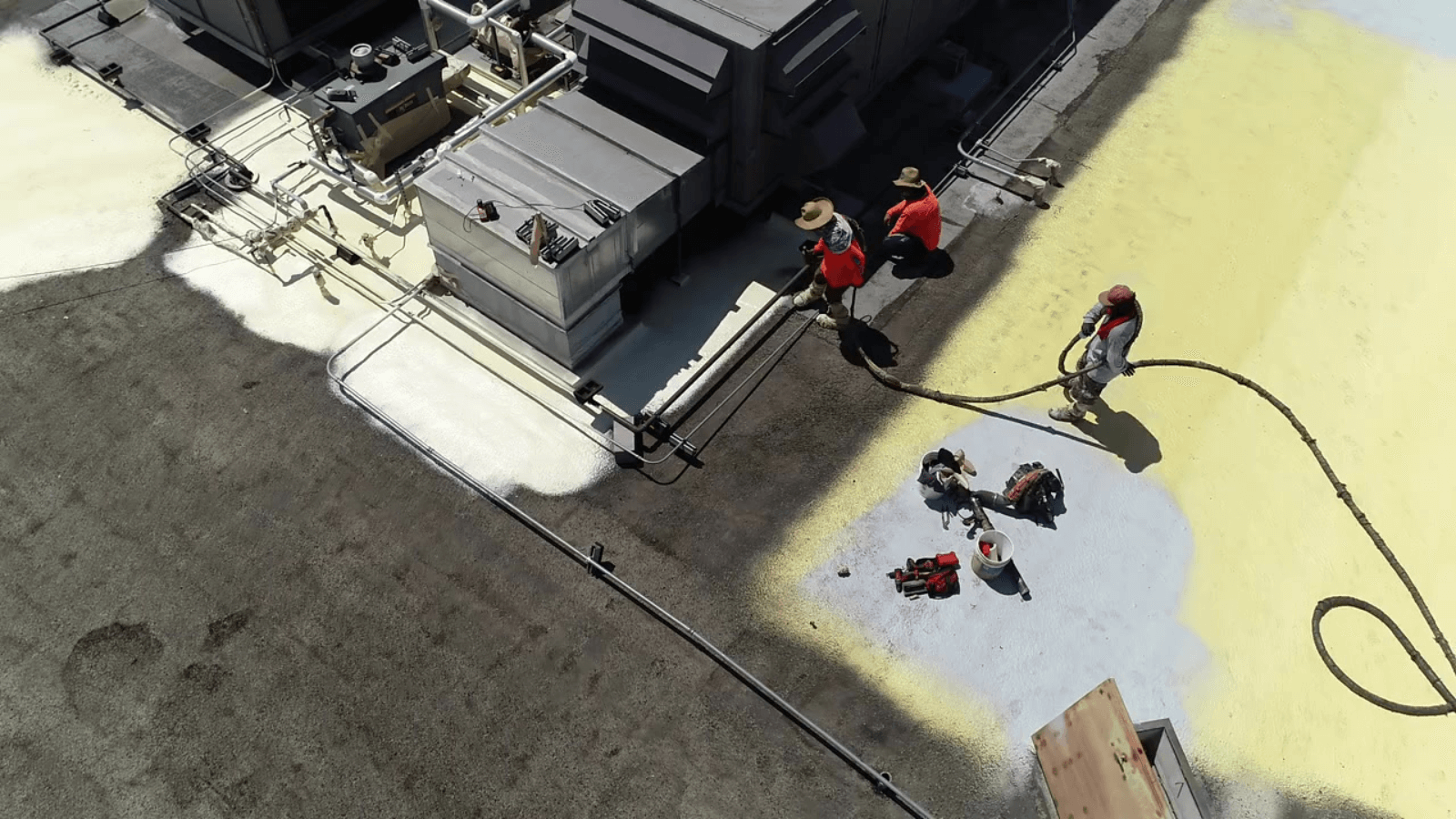
Roofs do not wait for summer to fail. Dallas-area hail events in March, late-fall wind storms, and persistent winter rain all produce roof failures during the school year that require emergency response on occupied buildings. We have provided emergency dry-in on DISD elementary schools during the school day — working on the roof while classes are in session below, with debris protection over occupied areas, crew access coordinated through the principal's office, and HVAC damper coordination to prevent tear-off odor from reaching classrooms.
The protocol for school-year emergency work is: principal approval before crew access, facilities director notification, written description of the repair scope and estimated duration, and confirmation of the debris and odor management plan before production starts. We send this documentation through the district's facilities department — crews do not show up on a school campus without a documented approval chain in place.
The estimate package for a district's bond submission includes: building-by-building condition assessment with photographs, remaining useful life estimate, replacement cost range (low and high based on membrane specification and deck condition), and a suggested replacement priority sequence based on condition and remaining life. Frisco ISD and Plano ISD facilities departments have used our condition assessments as supporting documentation for bond-program presentations to the school board. We can produce the same documentation for any district in the Dallas metro.
A 300,000 sq ft high school is at the limit of a single summer window without running multiple crews simultaneously. We have done it — it requires mobilization by June 1, 4-6 simultaneous crews, and no extended weather delays. If the schedule is at the edge of feasibility, we tell you before contract signing, not when we are three weeks behind in late July.