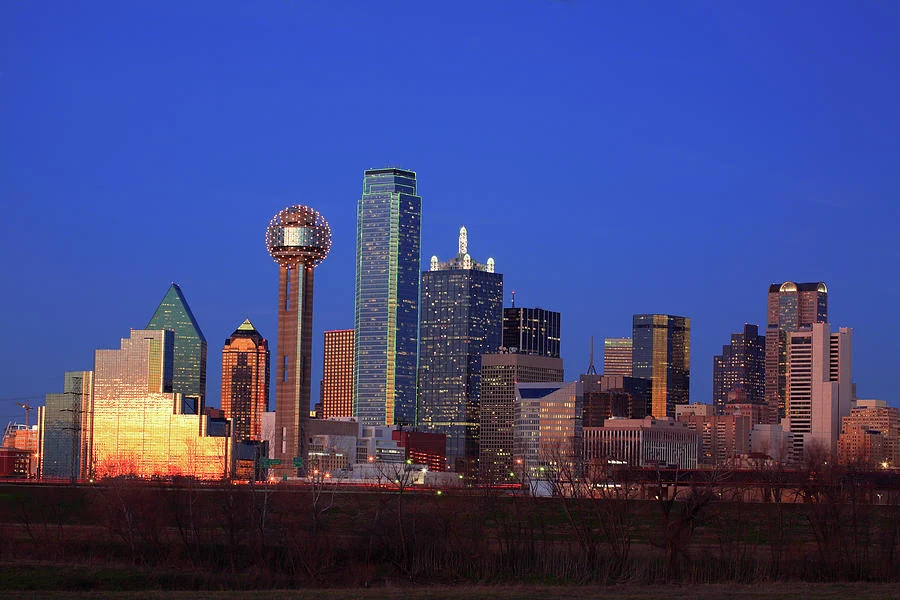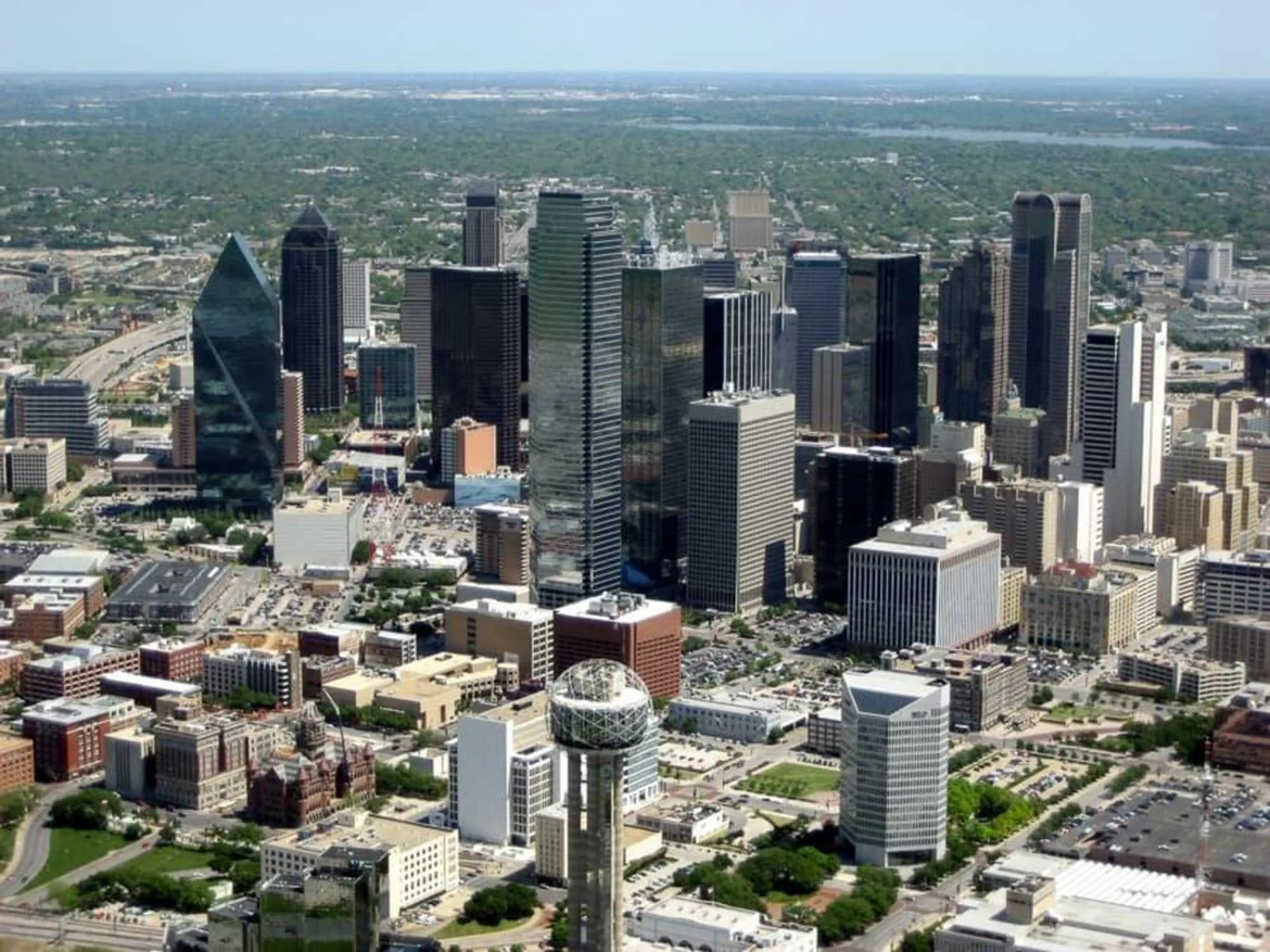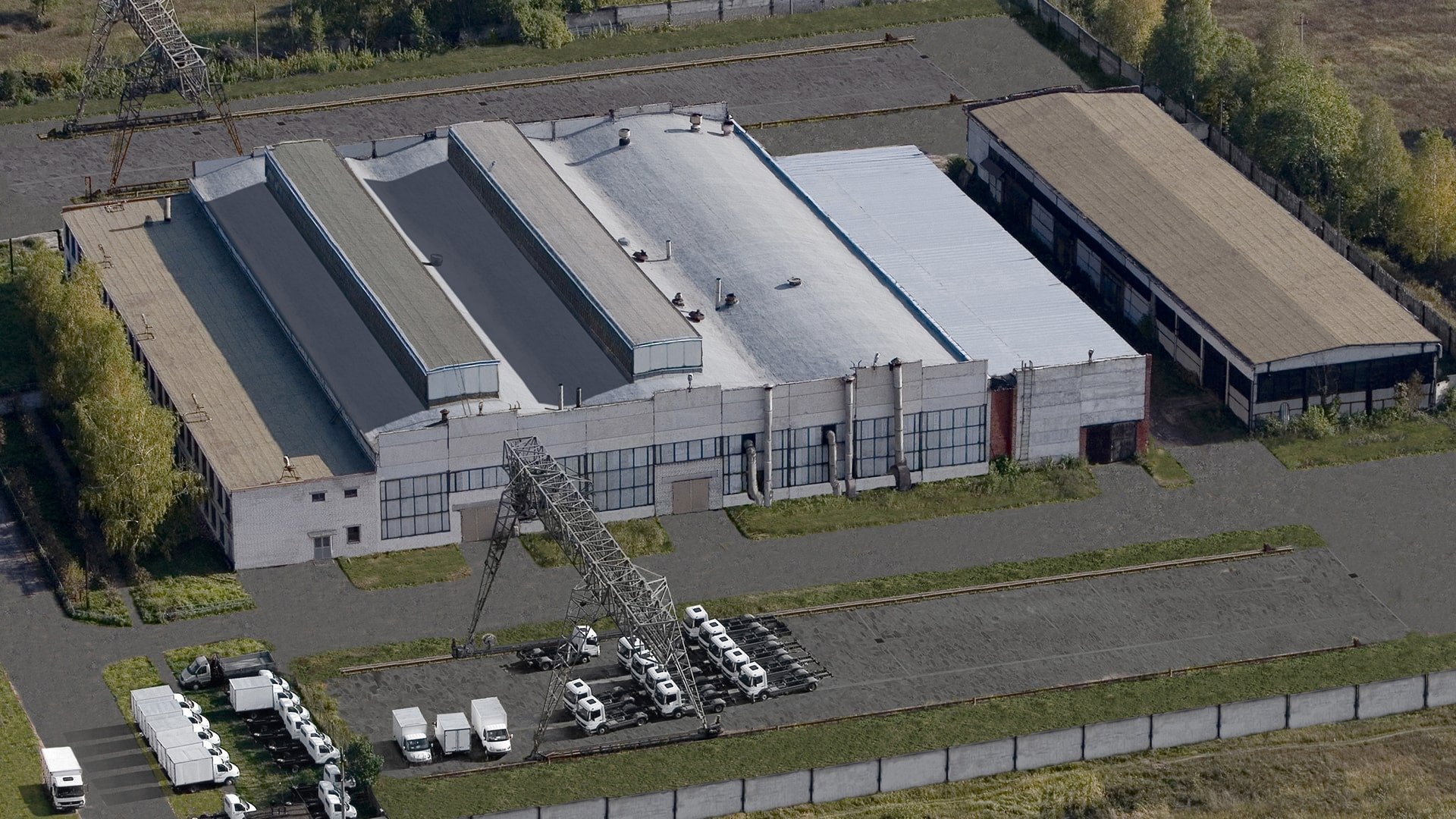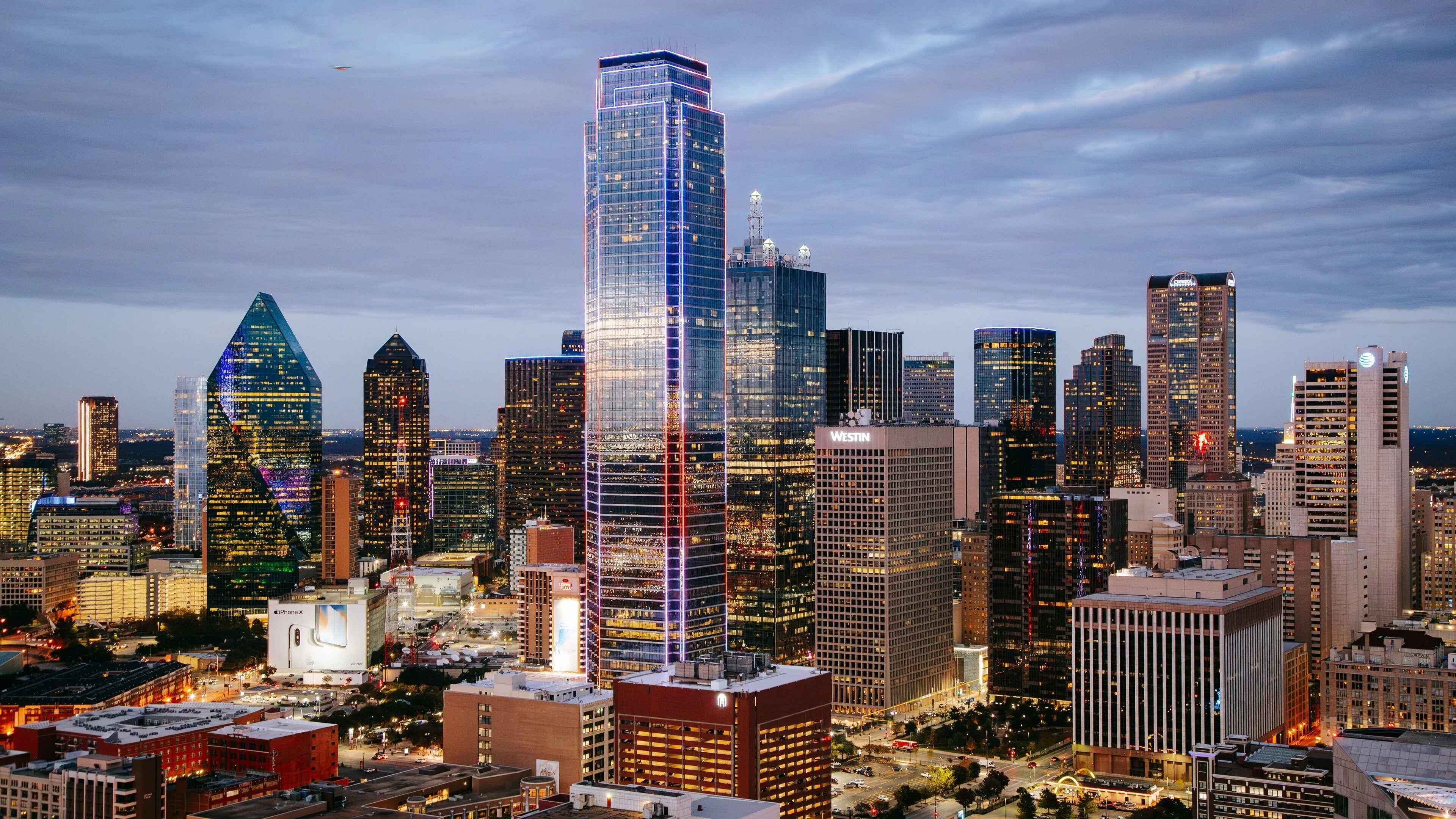
The Stemmons Freeway and I-35E Trinity industrial district holds some of the densest concentration of manufacturing and processing facilities in North Texas — and a significant share of that stock dates to the 1970s and 1980s, which puts it squarely in roof replacement territory. We work on live Dallas-area plants, chemical processing facilities, and production buildings where roofing work has to coordinate with shift schedules, EHS permit requirements, and the chemistry of what's actually running through the exhaust vents below us.
When exhaust chemistry — oil, grease, chemical off-gas, or petroleum derivatives — reaches the roof surface, PVC is the correct specification. We survey exhaust source locations and prevailing wind direction before specifying membrane type, and we document the compatibility rationale so your warranty representative has the specification justification on record.
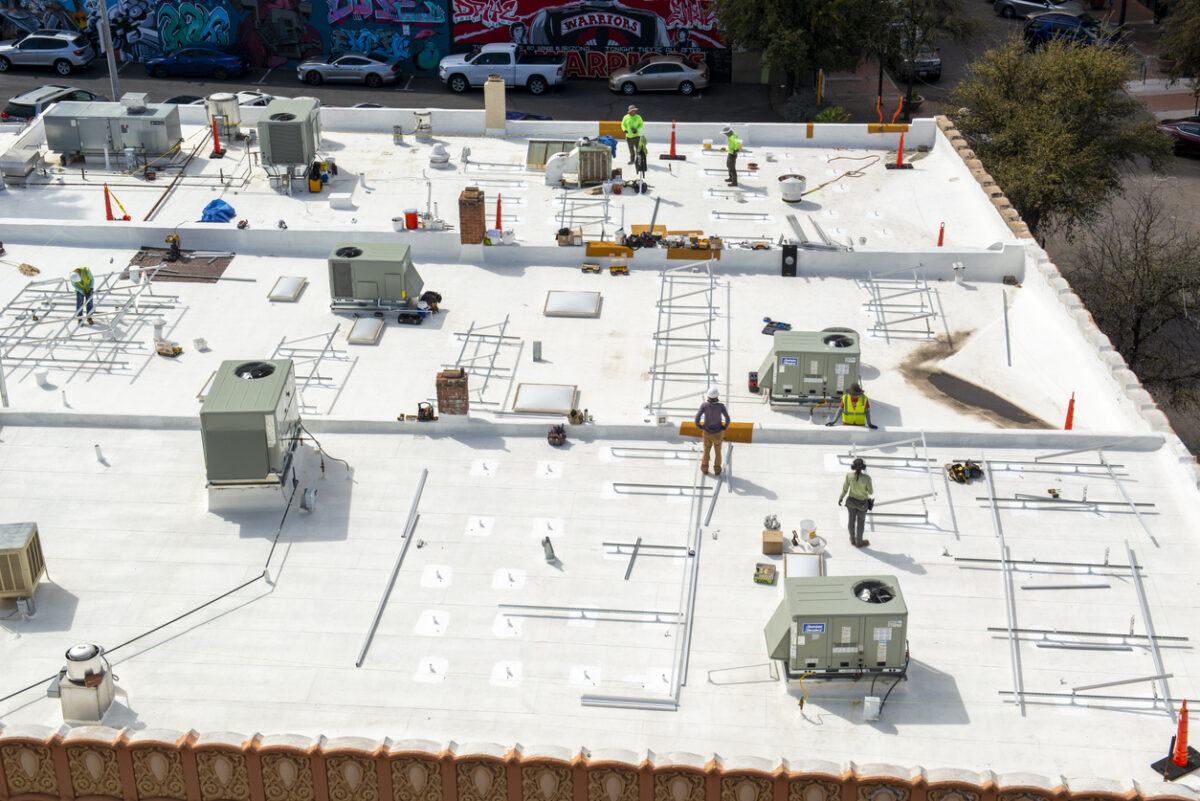
Roofing over an active production floor requires a work plan that maps to your shift schedule, EHS permit requirements, and process equipment layout. We coordinate the phasing before a crew sets foot on the roof — not after the first section is already open above a live line.
After a Class 4 hail event across the Dallas I-35E corridor, we produce GPS-mapped damage documentation at every membrane impact point, formatted for both your property insurance carrier and your membrane manufacturer's warranty representative. Inaccessible sections above live process areas are noted and scheduled for access during the next planned shutdown.
Industrial roofs accumulate condition changes between inspections that aren't visible from the ground — exhaust residue buildup at penetration collars, membrane chalking from UV and chemical exposure, gradual drain displacement from Blackland Prairie clay movement. Annual inspection and semi-annual drain clearing on a schedule that fits your plant's maintenance calendar prevents the surprises.
Proficient in major facility management portals, including ServiceChannel Corrigo, Building Engines, Emcor, fmPilot and Ariba
You're responsible for what happens inside the building. We're responsible for making sure the roof doesn't compromise it. Every industrial job we take starts with a job hazard analysis specific to your facility's process layout, permit structure, and shift schedule — and we communicate directly with your EHS lead throughout the project, not through a general contractor intermediary.
We plan around your operations, not the other way around. Before the first crew day on a live plant, we map the roof sections against what's running on the production floor below, identify which sections can be opened during which shifts, and build a phased work plan that avoids opening any roof section over active equipment simultaneously. On facilities in the Stemmons and Las Colinas corridors where we've done this, the answer is almost always a multi-phase project tied to planned maintenance windows — not a full-facility shutdown. The additional planning time adds one to two weeks of scheduling work upfront and eliminates the risk of mid-project shutdowns that cost far more.
TPO membrane degrades under sustained contact with oils, grease, and chemical off-gas. On a food production facility, a chemical processing plant, or an energy-sector campus where exhaust vents are within the roof field, the chemistry reaching the membrane surface determines the correct specification. PVC remains chemically stable in those conditions because of its plasticizer chemistry — it doesn't break down under the same exposures. We survey exhaust source locations and prevailing wind direction relative to the roof field before any membrane recommendation, and we document the compatibility rationale so your warranty carrier has the specification justification on record if a warranty claim ever comes up.
OSHA 10 is the crew minimum on every industrial project. The EHS lead on each industrial job carries OSHA 30, and the project manager signs a job hazard analysis covering the specific conditions of that site before any section opens. On sites with hot-work permitting requirements, we coordinate the hot-work permit and fire watch protocol with your facilities safety team before any welding or heat application begins — whether that's hot-air welding for TPO seams or torch work on modified bitumen detailing. We don't treat industrial site safety as a check-the-box exercise.