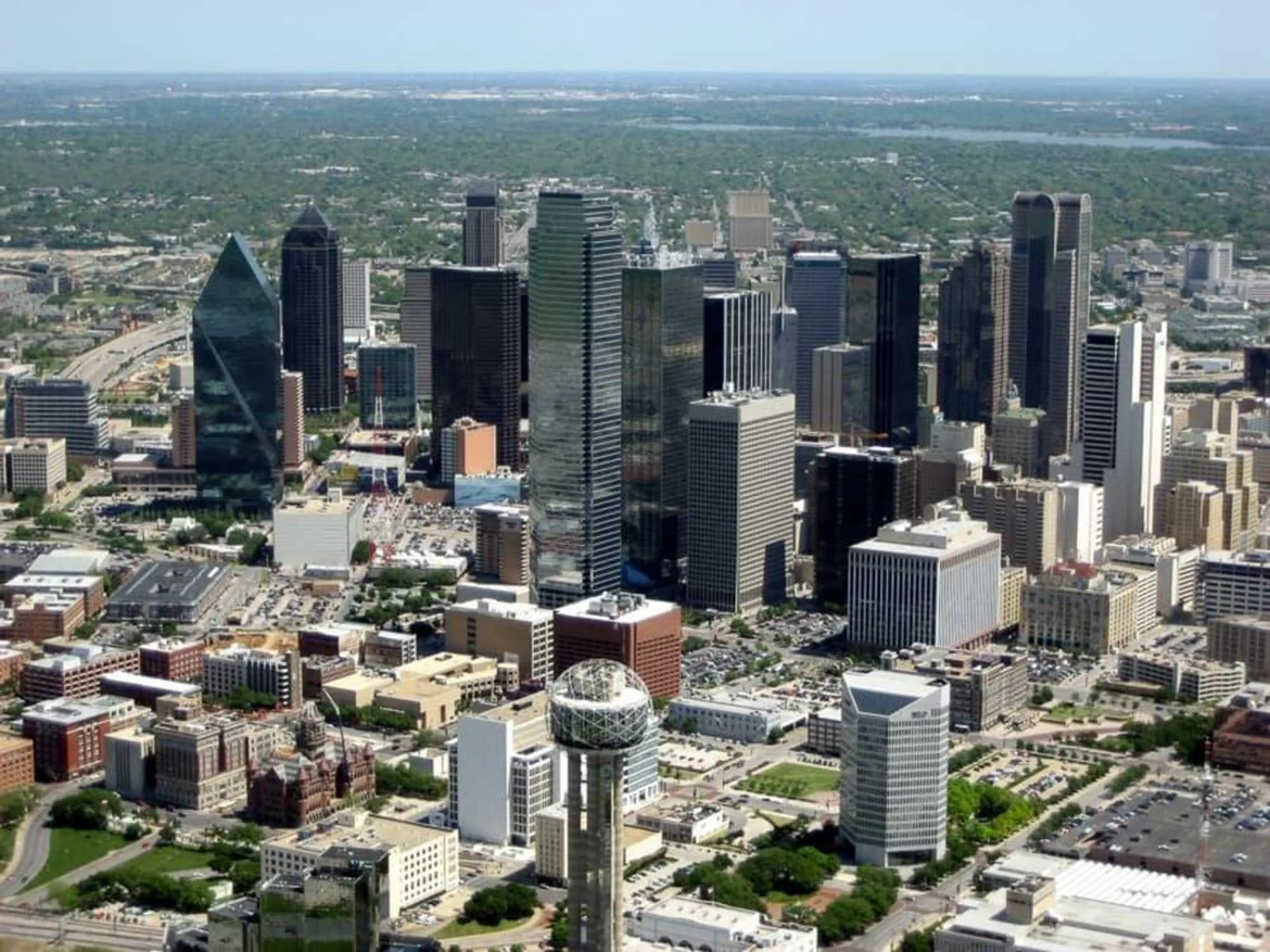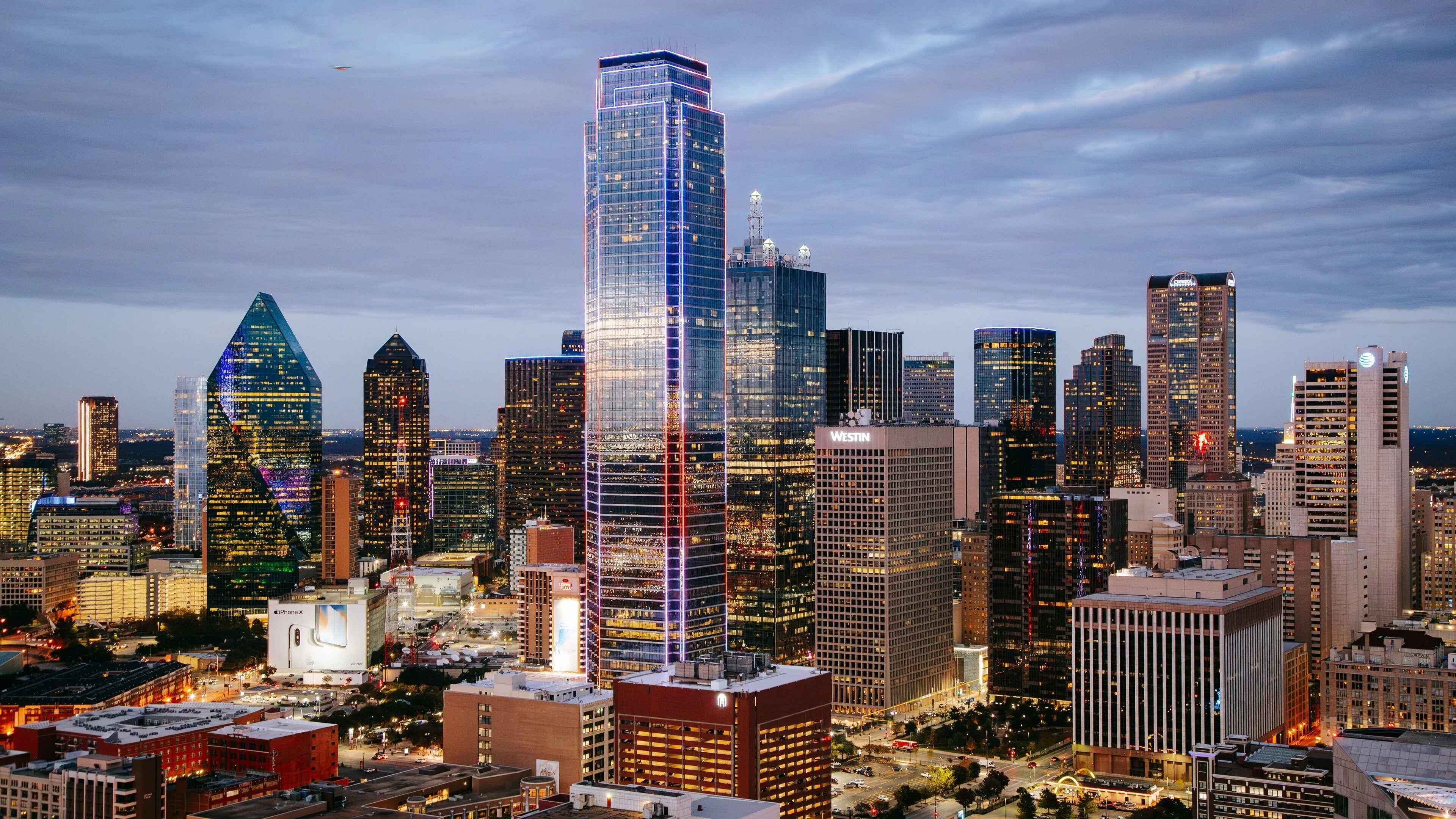
Uptown Dallas — where AT&T's headquarters, Comerica Bank's corporate offices, and Tenet Healthcare's HQ anchor a concentrated block of Class A office real estate — runs some of the highest per-square-foot commercial real estate values in Texas. The building owners and REITs that manage those properties don't need a general commercial roofer; they need a roofing partner who can document system condition in the format their asset managers require, execute repairs without disrupting tenant operations, and produce the capital planning data a REIT needs for budgeting across a portfolio. We do that work across Uptown, Las Colinas, Plano, and the Knox-Henderson corridor.
Many 1980s and 1990s Uptown and Knox-Henderson office buildings have modified-bitumen roofs that still have a sound deck and dry insulation — but the membrane is at end of life. Where the moisture survey confirms the insulation is dry, a silicone restoration coat extends service life 10 to 15 years at a fraction of the cost of a full tear-off and without the business disruption that a major reroof creates for occupied Class A buildings.
We produce inspection reports in the format institutional asset managers require: per-building condition grade, capital timeline projection, repair history summary, warranty compliance documentation, and restoration vs. replacement cost modeling. The same report format across your full Dallas portfolio so your asset management team isn't translating between different vendor formats at budget time.
Class A office tenants have lease provisions and business operations that don't tolerate unannounced roofing activity above their floors. We coordinate every project with the property manager and building engineer before any crew access, schedule noise-intensive work for off-hours when tenants require it, and communicate job status through your preferred facility management platform.
For Dallas office and institutional properties where long-term maintenance reduction and roofline aesthetics matter, we install and service standing seam metal roofing systems. Metal roofing on Knox-Henderson and Uptown properties carries a 40-plus-year service life with minimal membrane maintenance requirement — the long-cycle economics make sense for ownership groups with long hold periods.
Proficient in major facility management portals, including ServiceChannel Corrigo, Building Engines, Emcor, fmPilot and Ariba
Silicone restoration is a fluid-applied coating system that goes over an existing modified-bitumen or other low-slope membrane to extend its service life without a full tear-off. The requirement for it to work is that the existing insulation must be dry — if there's wet insulation under the membrane, the restoration coat traps moisture and creates a long-term liability instead of solving the problem. We perform a core moisture survey and, on larger roofs, infrared thermography before recommending restoration on any Dallas office building. Where the insulation is dry, restoration is a legitimate 10-to-15-year life extension at roughly 40 to 50 percent of the cost of a full replacement. Many Uptown and Knox-Henderson Class A buildings constructed in the 1980s are good candidates for restoration right now. Where the insulation has moisture, we scope a full replacement and give you the honest capital cost.
We produce per-building inspection reports that include a standardized condition grade (1-5 scale), a projected remaining service life, a capital replacement timeline with cost estimate range, a repair history summary, and warranty compliance status for each building in the portfolio. The format is consistent across every Dallas building in your portfolio so your asset management team can compare condition grades and capital timelines side by side without translating between different vendor report formats. For Uptown, Las Colinas, and Plano portfolios, we typically structure the reporting cycle around your annual capital budget timeline — so the updated condition assessments are in hand before your Q3 budgeting review, not after.
After a spring Class 4 hail event — which hits Dallas County reliably every few years — we access the roof and complete the inspection within 48 to 72 hours of the event. The inspection produces GPS-mapped impact documentation at every membrane surface impact point, a written condition assessment, and a structured damage report formatted for your property insurance carrier and your membrane manufacturer's warranty representative. For Class A Uptown and Las Colinas office properties, this documentation is specifically important because commercial leases often contain landlord maintenance obligations and damage-response timeframes — the documented inspection record establishes that you responded within the required window and that the damage was caused by the hail event, not pre-existing deferred maintenance.
Yes — tenant-aware scheduling is standard practice for us on Dallas Class A office work, not a special accommodation. Before any crew accesses a building, we coordinate with the property manager and building engineer on access timing, noise constraints, elevator and freight access for material delivery, and any tenant-specific schedule requirements. For roof repair work directly above occupied tenant floors, we schedule noise-intensive work during nights and weekends when the space is empty. We communicate project status in real time through your preferred facility management system — Building Engines, ServiceChannel, or direct contact with the building engineer — so the property manager isn't fielding tenant questions without information.