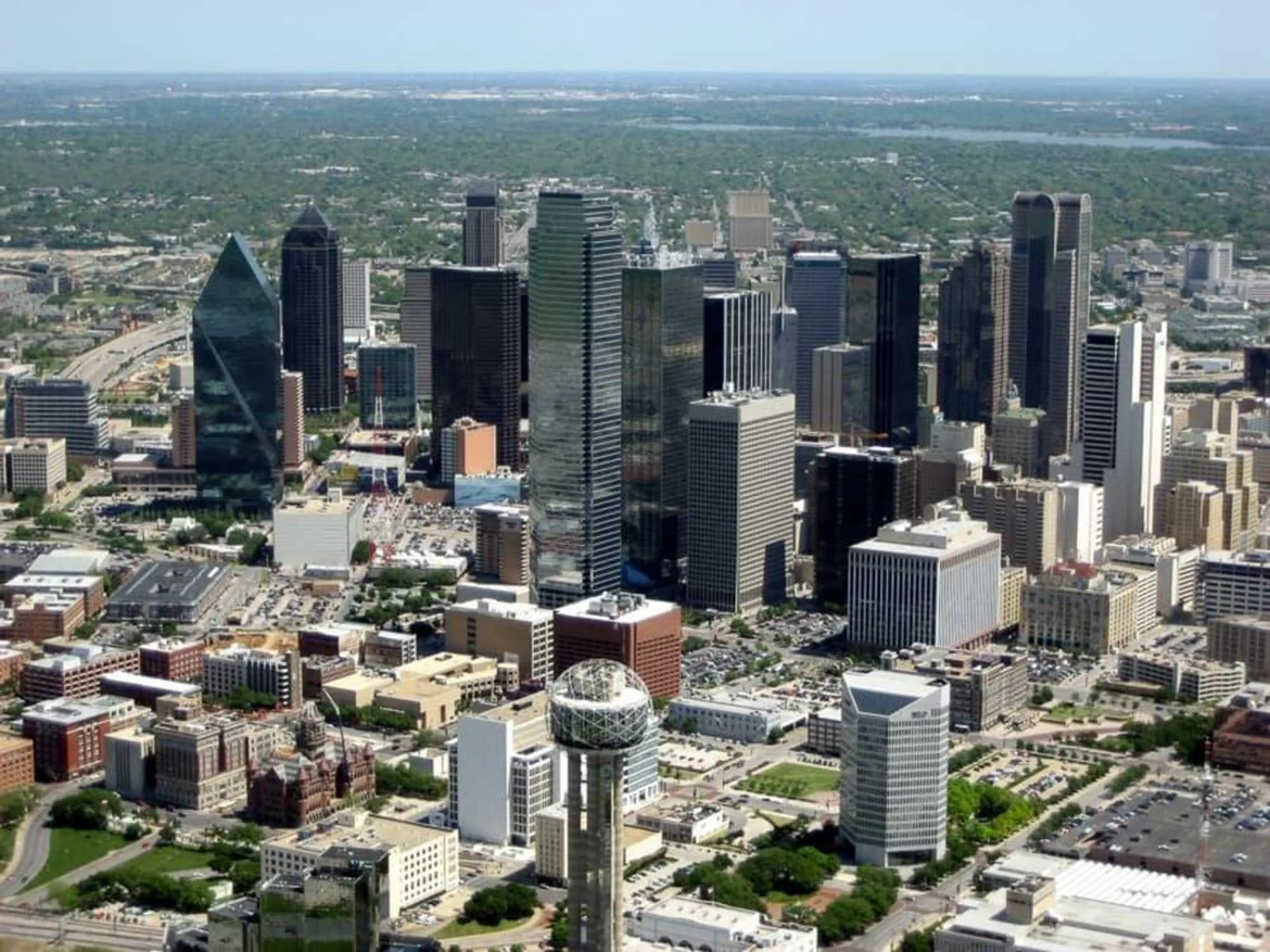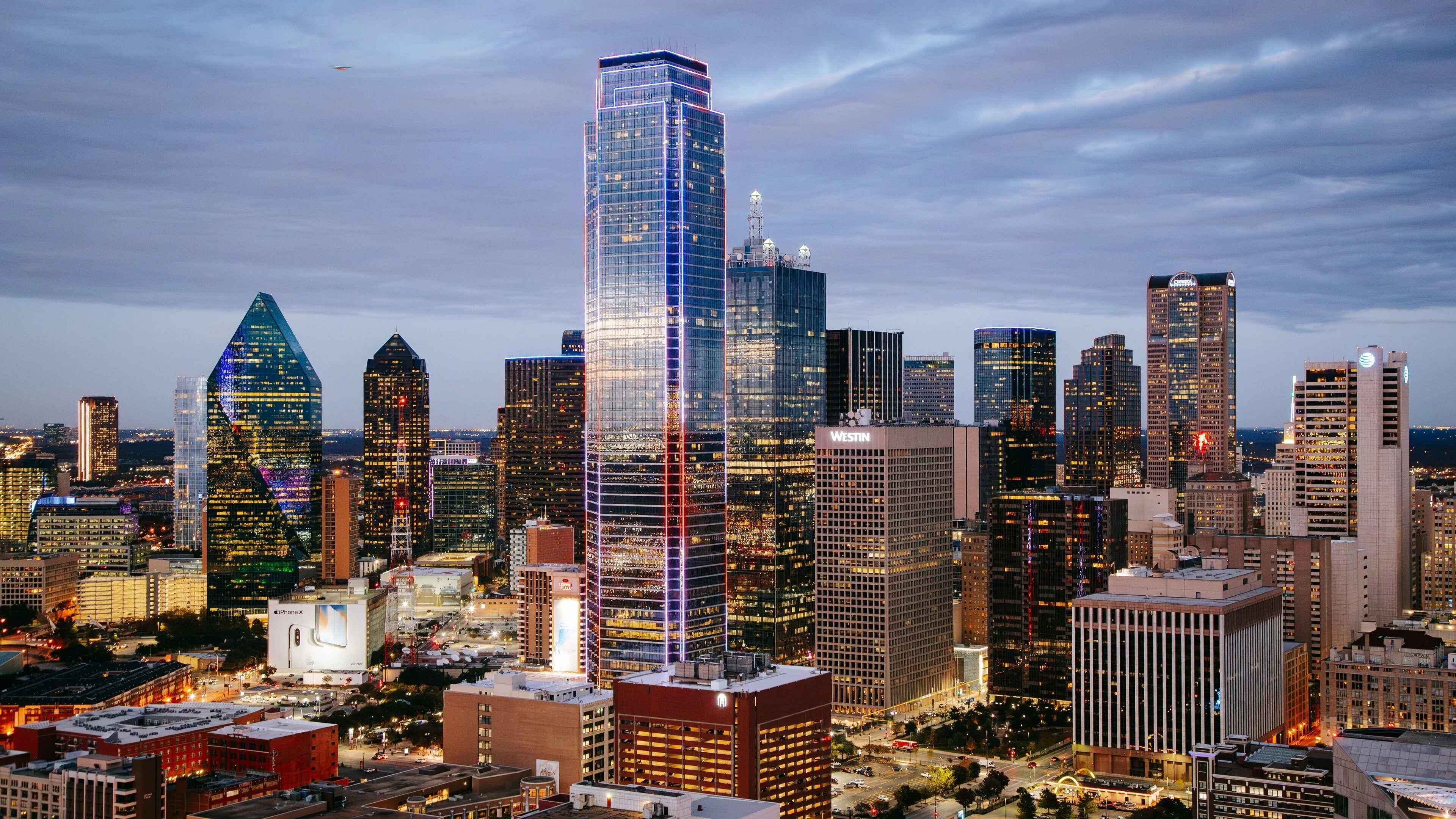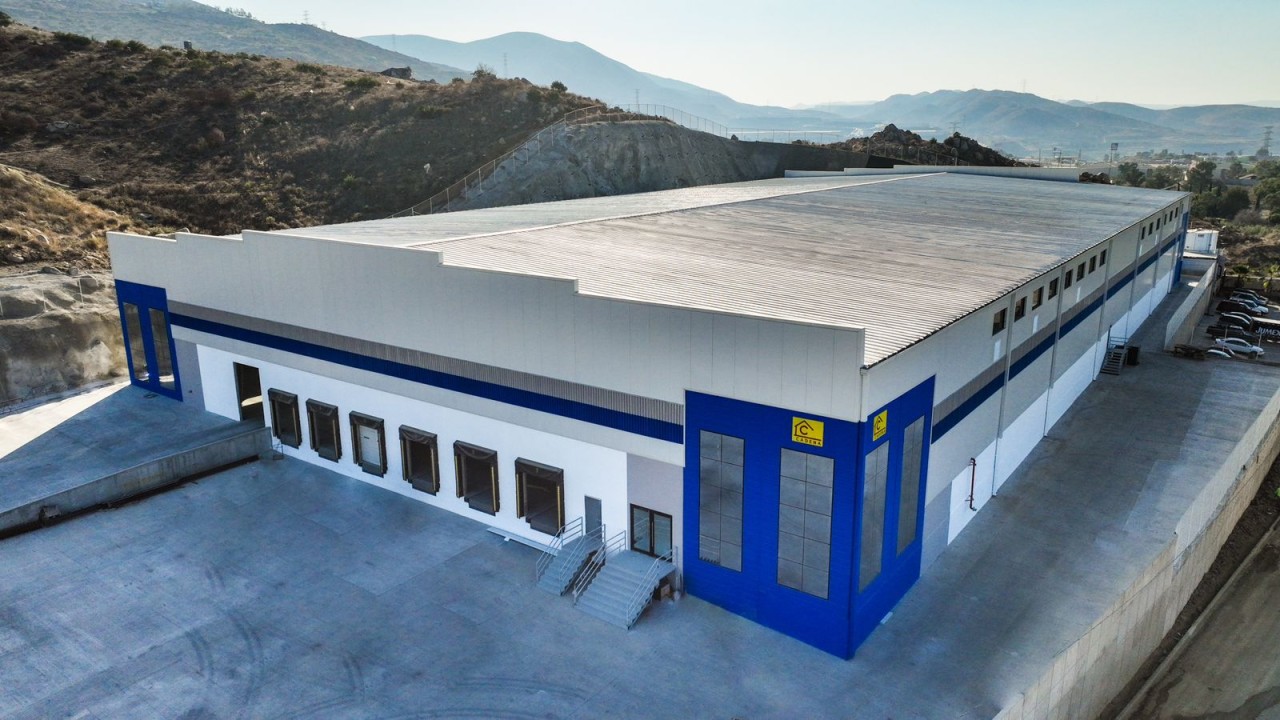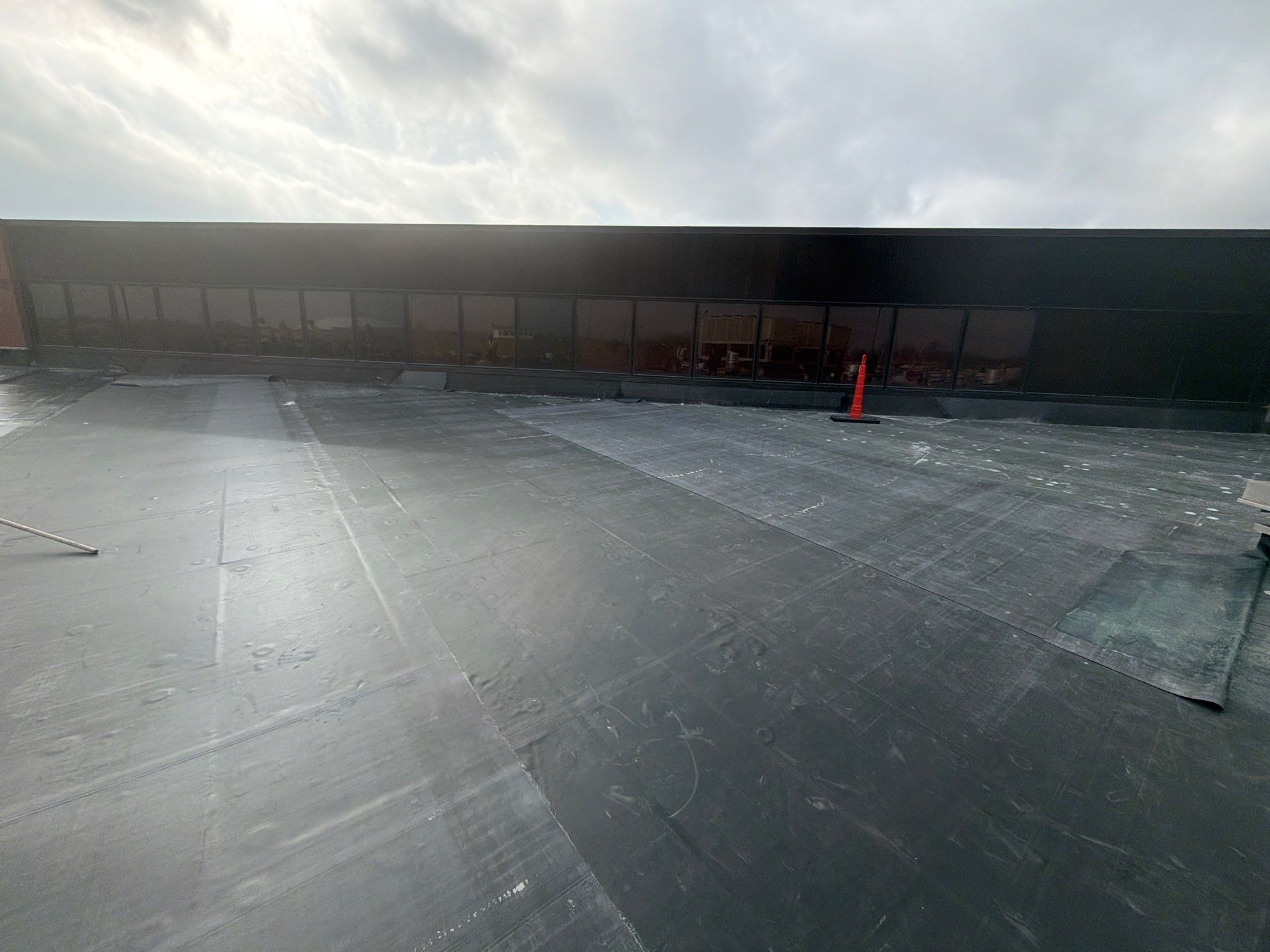
The DFW Metroplex metro is one of the top three data center markets in the United States. The Allen-Plano corridor north of Dallas, the Las Colinas cluster in Irving, and the Garland-Carrollton zone host colocation facilities including Equinix, CyrusOne, and QTS alongside a dense cluster of enterprise and hyperscaler-leased data halls. These buildings operate at uptime requirements measured in fractions of a percentage point, and any roofing work — routine maintenance or emergency repair — that risks even a temporary water intrusion event above an active server hall is unacceptable. We work on data centers in DFW and we understand what that uptime commitment means for how the job is planned and executed.
No wet work above an active server hall. Before any crew accesses a data center roof, we build the access plan with your critical environment team: which sections can be worked during which windows, what containment is in place above active equipment, and who signs off on the go/no-go for each section. That plan is written and approved before the first crew day — not negotiated at the roofline.
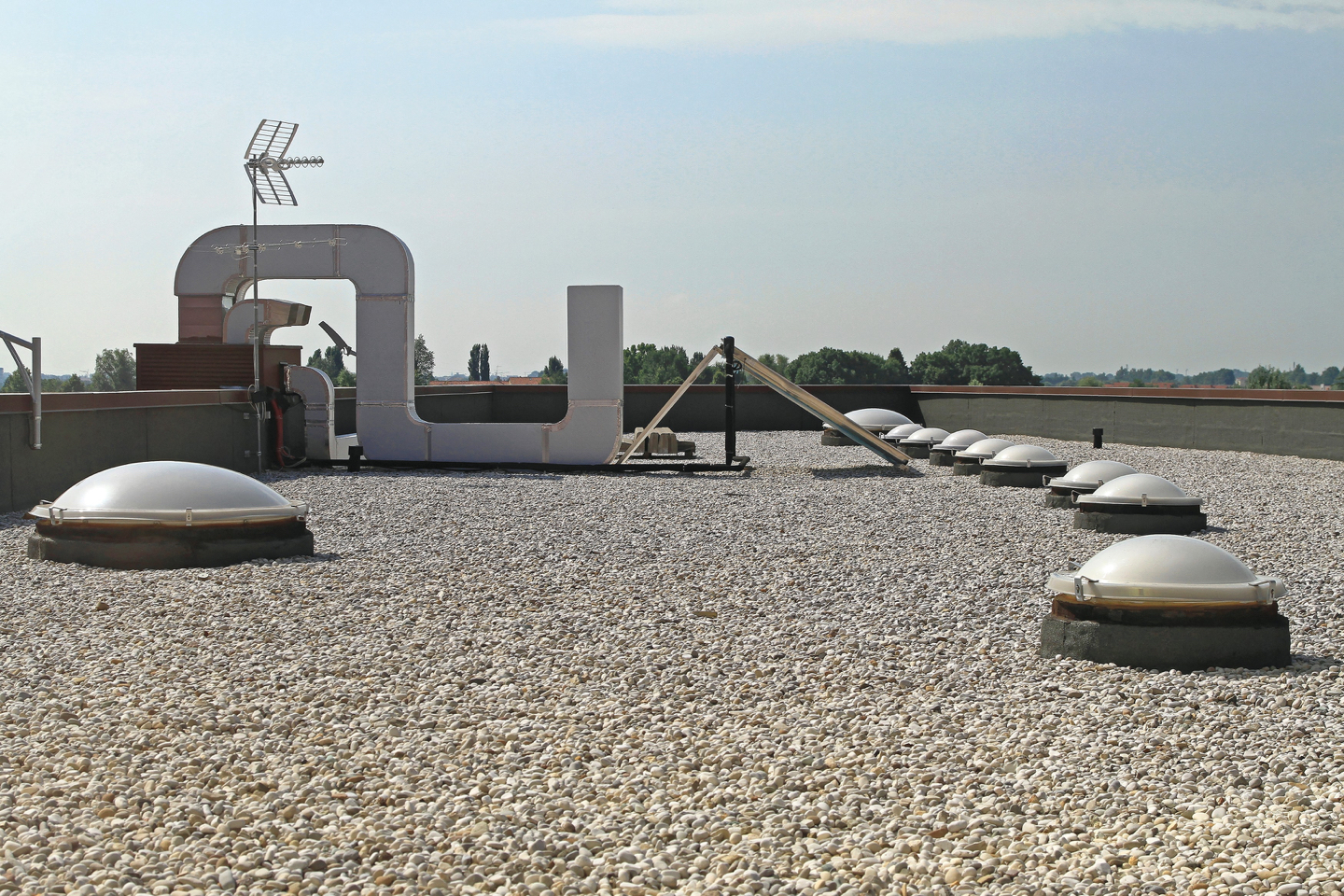
Data center roofs carry precision HVAC, liquid cooling line penetrations, generator exhaust stacks, and cable management entries — each a potential failure point above critical infrastructure. We inspect and maintain these penetration details under the same protocol as the field membrane, because on a data center roof, the penetration failure is what creates the facility risk event.
After a Class 4 hail event across the DFW data center corridor, we produce GPS-mapped damage documentation within 48 hours — formatted for your property carrier, your colocation SLA documentation requirements, and your membrane warranty representative. Hail impact above a server hall is a facility risk event with a documentation timeline, not a maintenance backlog item.
An active leak above a data center server room is a facility emergency with a specific response sequence: temporary containment above the affected server area first, then roof access coordination with the operations director, then the dry-in execution. We carry containment materials on emergency dispatch vehicles and we execute that sequence in the correct order — not the roofer's preferred order.
We've roofed live colocation facilities in the Allen-Plano and Las Colinas corridors under uptime constraints that required section-by-section sequencing, pre-access approvals from critical environment teams, and day-of communication to the operations director before any section was opened. This is not a capability we approximate — it's a workflow we have.
Proficient in major facility management portals, including ServiceChannel Corrigo, Building Engines, Emcor, fmPilot and Ariba
Your building's uptime is the constraint, and every roofing decision we make respects it. Written access plans, pre-approved section sequences, temporary containment before any roof section opens above active infrastructure, and direct communication with your operations director — not through a general contractor intermediary — are the baseline for every data center project we take in the DFW market.
Yes — and the answer to 'how' is that we plan every project around the uptime constraints of the facility, not around our crew's preferred work sequence. Before any crew accesses a live DFW data center roof, we build a written access plan with your critical environment team that maps which sections can be worked during which windows, what temporary containment is in place above active server halls, and what the day-of go/no-go approval process is for each section. On large Allen-Plano colocation facilities where we've done this work, the typical project is structured as a multi-phase sequence over several weeks with section-specific access approvals — not a standard commercial project where the crew has full roof access from day one. The additional planning reduces risk to near zero for the facility and adds a week to the project schedule. That trade-off is correct for data center work.
TPO membrane is the volume system for DFW data center construction — it handles thermal cycling, resists the UV load on large unshaded flat decks, and welds at seams for a continuous waterproof layer. For data centers with chemical exhaust penetrations from diesel generator stacks or other process exhaust, the membrane specification adjacent to those penetrations should be evaluated against the exhaust chemistry — in some cases, PVC is the more chemically stable specification at those penetration zones even if TPO is correct for the roof field. On aging data center buildings in the Garland and Irving corridors with modified-bitumen roofs, a silicone restoration coat is appropriate where a core moisture survey confirms the insulation is dry — but that decision requires the moisture survey first, not as an afterthought.