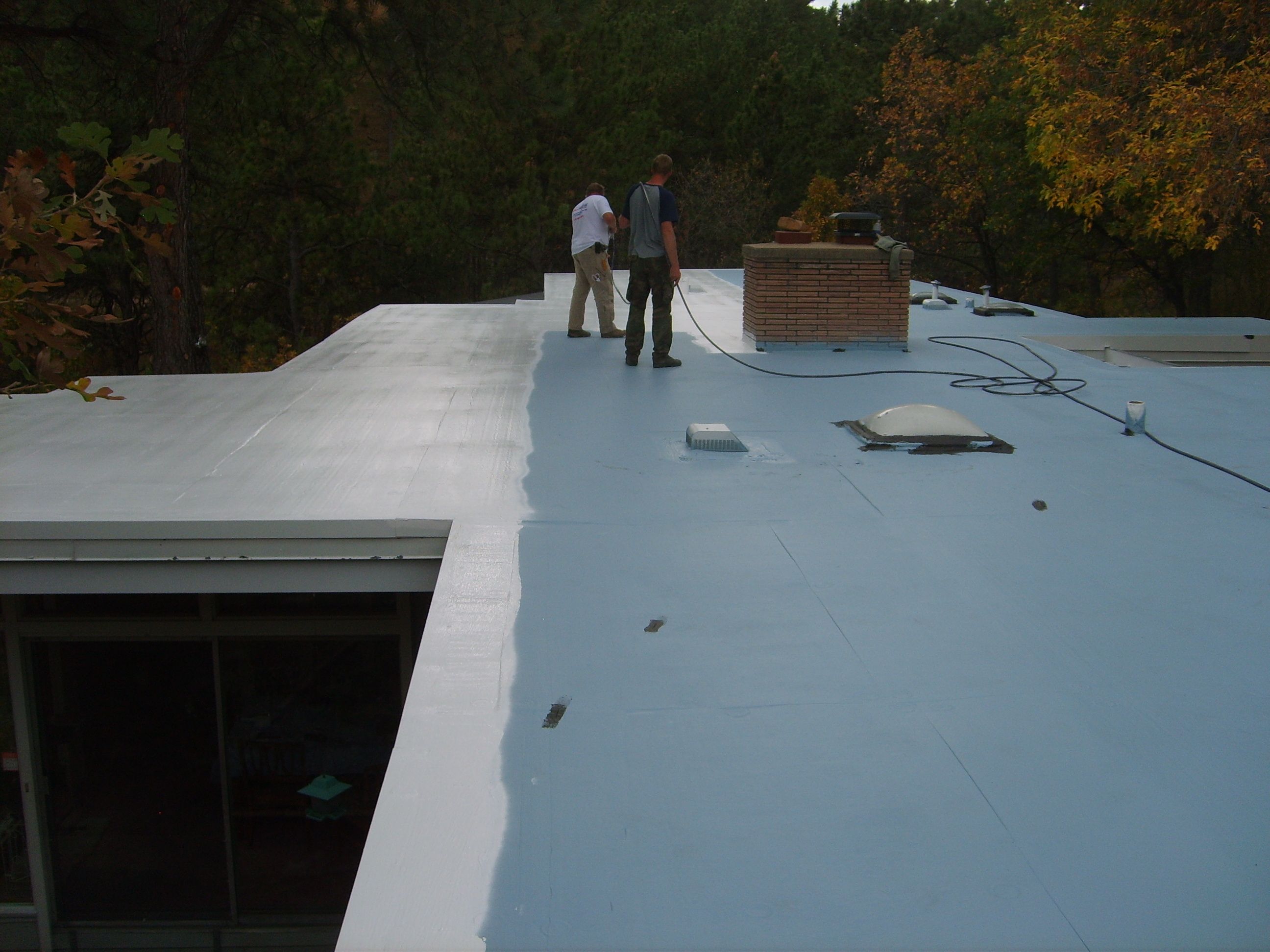
Retail roofing in Dallas is a live-operations problem. Stores don't close for roofing work, and a leak that hits a merchandise display or creates a slip hazard in an aisle triggers a landlord liability issue — not just a maintenance call. We service Dallas shopping centers, strip malls, big-box anchor pads, and franchise pad sites with the scheduling discipline that retail operations require: work happens during off-hours when the store is closed or in uninhabited roof sections above stockroom areas, roof access doesn't block customer parking or emergency exits, and the property manager has a status update before any tenant does.
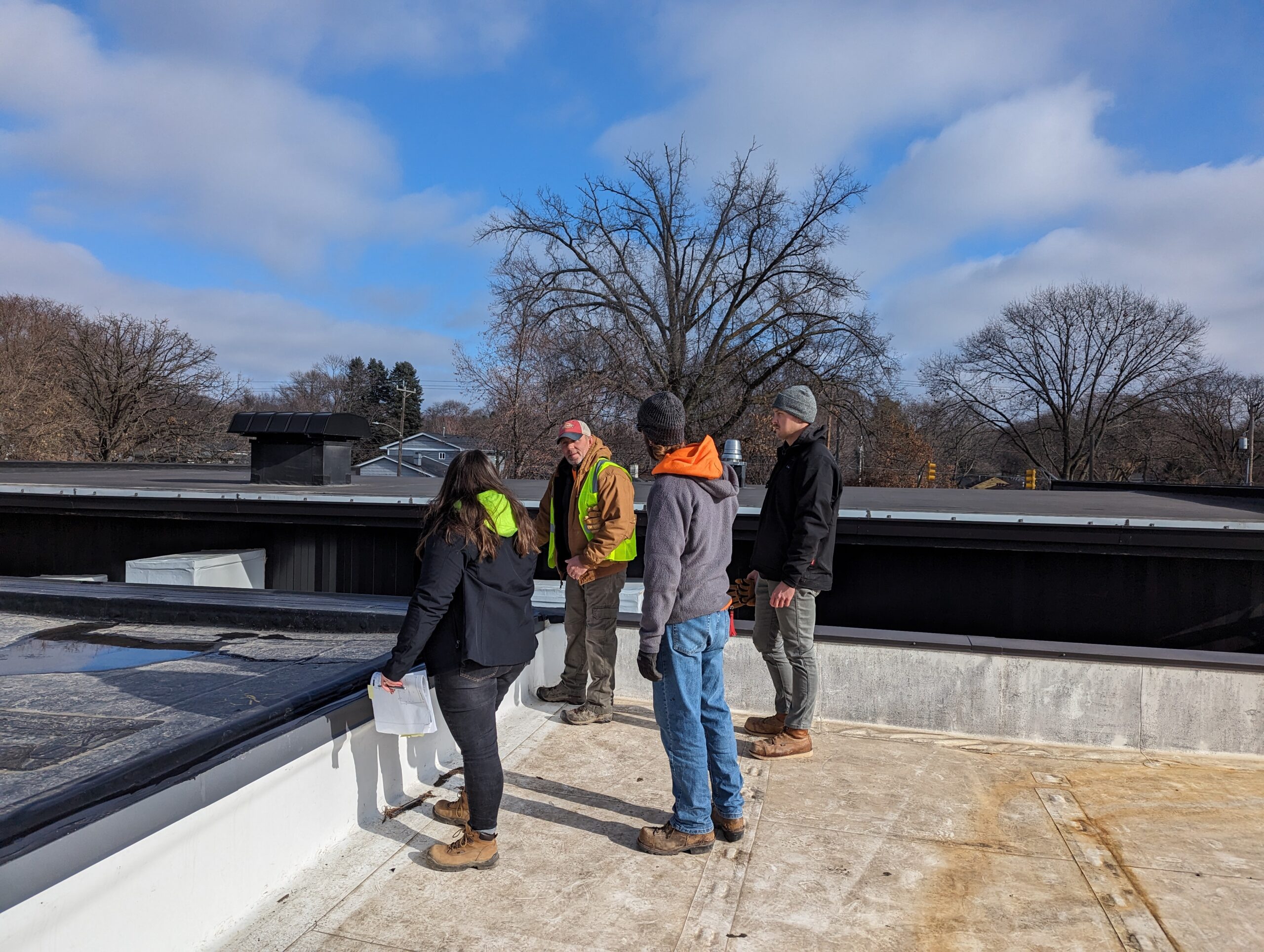
Retail stores run during business hours and cannot close for roofing work. We schedule around your tenant hours — maintenance and repair work during off-hours, material staging that doesn't block customer parking, and property manager notification before any crew is on the roof. On multi-tenant strip centers in Dallas, we coordinate access with each tenant's store manager for any work above their section.
After a Class 4 hail event — which hits the DFW metro routinely in spring — we inspect and document within 48 to 72 hours in the format your property insurance carrier and membrane warranty representative require. For retail landlords whose leases include damage-response timeframes, this documentation is what protects you in a tenant-triggered dispute about interior water damage.
A retail roof leak above an occupied store during business hours is a liability event, not a maintenance call. We dispatch with a 2-to-4-hour target for active Temporary containment goes in above the affected interior area before anything on the roof is opened.
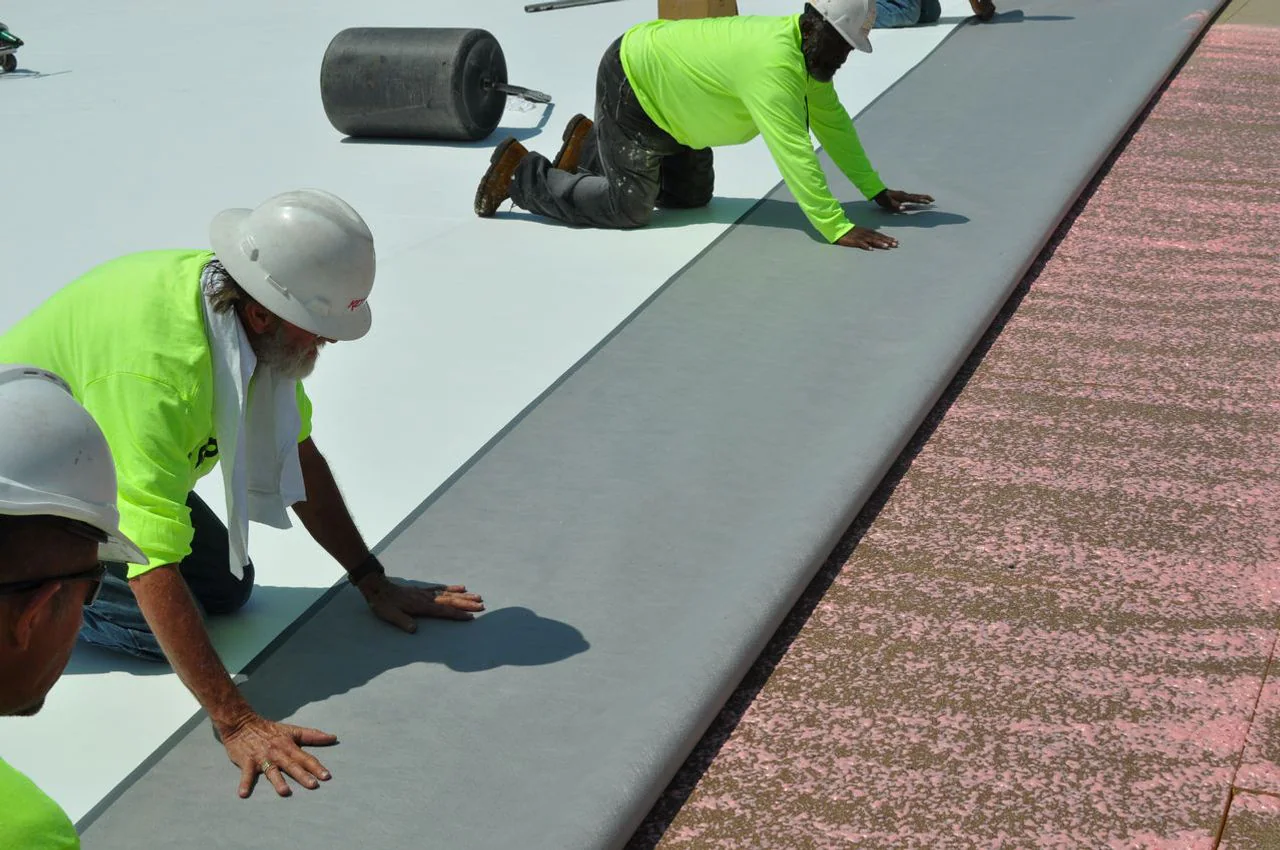
TPO membrane is the standard system for Dallas retail construction — efficient to install on large uninterrupted flat decks, weldable at seams for a continuous waterproof layer, and available in Class 4 impact-rated assemblies for the DFW hail environment. We install, repair, and maintain TPO systems to manufacturer written warranty requirements across the full Dallas retail property spectrum, from strip center bays to 400,000-square-foot big-box pads.
Proficient in major facility management portals, including ServiceChannel Corrigo, Building Engines, Emcor, fmPilot and Ariba
You're managing tenant relationships and building condition simultaneously. We make the roofing side of that equation predictable: inspection reports in hand within 48 hours of a storm event, emergency response within two to four hours of an active leak call, and maintenance scheduling that doesn't create a tenant dispute. We communicate in real time so you're never the last person to know what's happening on your own roof.
The short answer is that we plan around the store's schedule before we set foot on the roof. The pre-project coordination includes identifying which roof sections can be accessed during which hours, staging materials and equipment in locations that don't block customer parking or emergency egress, and notifying the property manager — who then notifies the tenant — before any crew accesses the roof above an occupied space. Noise-intensive work on active retail floors gets scheduled for off-hours when the store is closed. Repair work in uninhabited sections — above stockrooms, mechanical rooms, or unoccupied bays in a strip center — can often happen during business hours without affecting the retail operation at all. The planning takes a day; the alternative is a mid-project tenant complaint that shuts the job down and creates a landlord-tenant dispute.
Our target for active water intrusion at a Dallas retail property during business hours is on-site within two to four hours from the call. When the property manager calls about an active leak above a merchandise floor, we dispatch with temporary containment material — the first action is protecting the interior from additional water damage, not opening the roof. We coordinate access with the property manager or store manager before the crew goes up, execute the emergency dry-in, and leave a written damage documentation record the same day. We don't treat retail emergency calls as a lower priority than commercial office calls — a leak above a retail floor is a liability event with a short response window.
The October 20, 2019 tornado that moved through the Northwest Dallas corridor — the Love Field area, the Northwest Highway commercial district, and properties near the LBJ Freeway interchange — created wind and hail damage across a wide swath of retail roofing. The emergency repair work that followed was done under time pressure in a high-demand environment, and on some buildings, the patch work did not replace the full affected section or address the seam integrity at the patch boundary. Properties in that corridor that haven't had a proper post-storm inspection may be carrying secondary failures at those patch boundaries — areas where the emergency repair held but the surrounding membrane was stressed and hasn't been assessed since. We perform retrospective storm damage assessments on Dallas-area properties for exactly this reason.