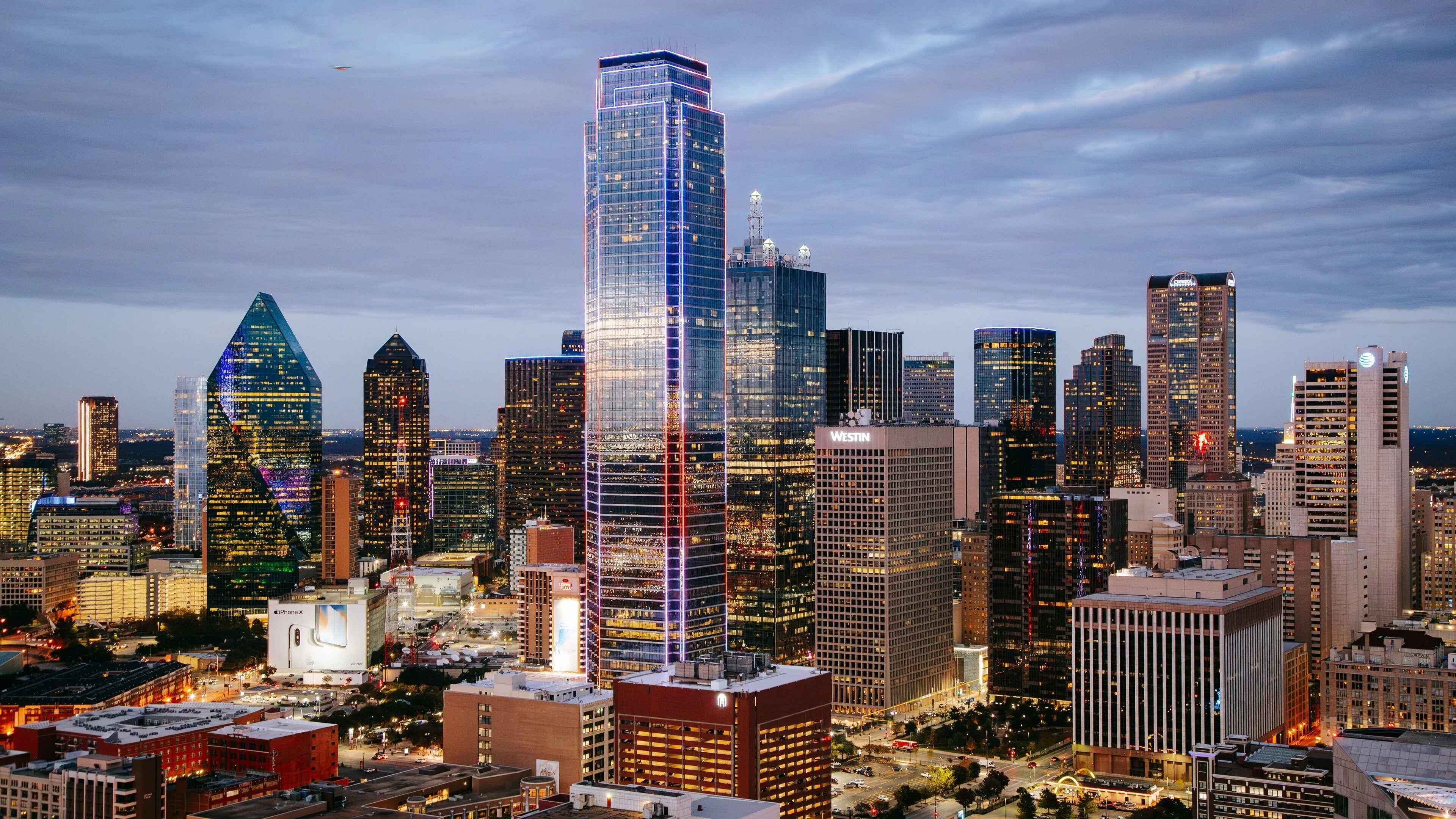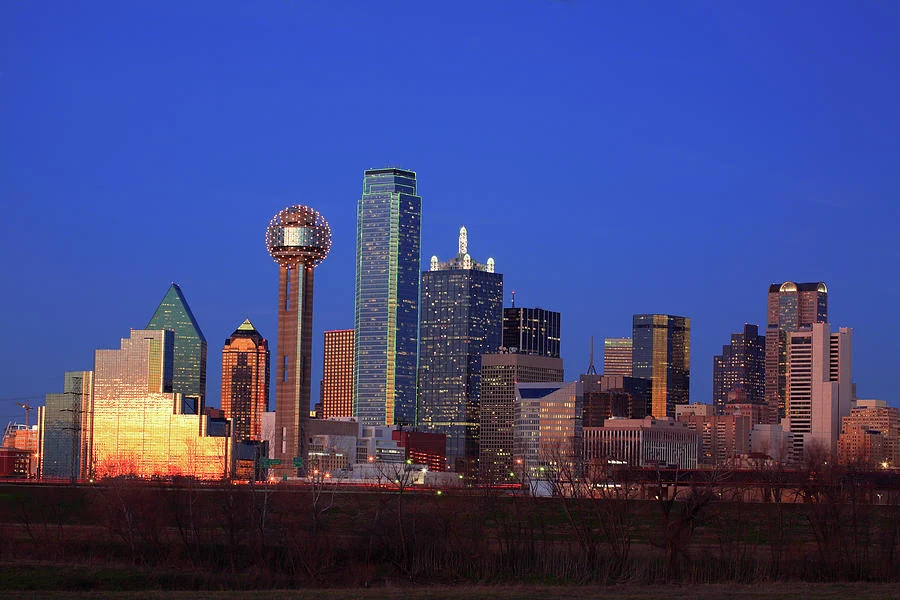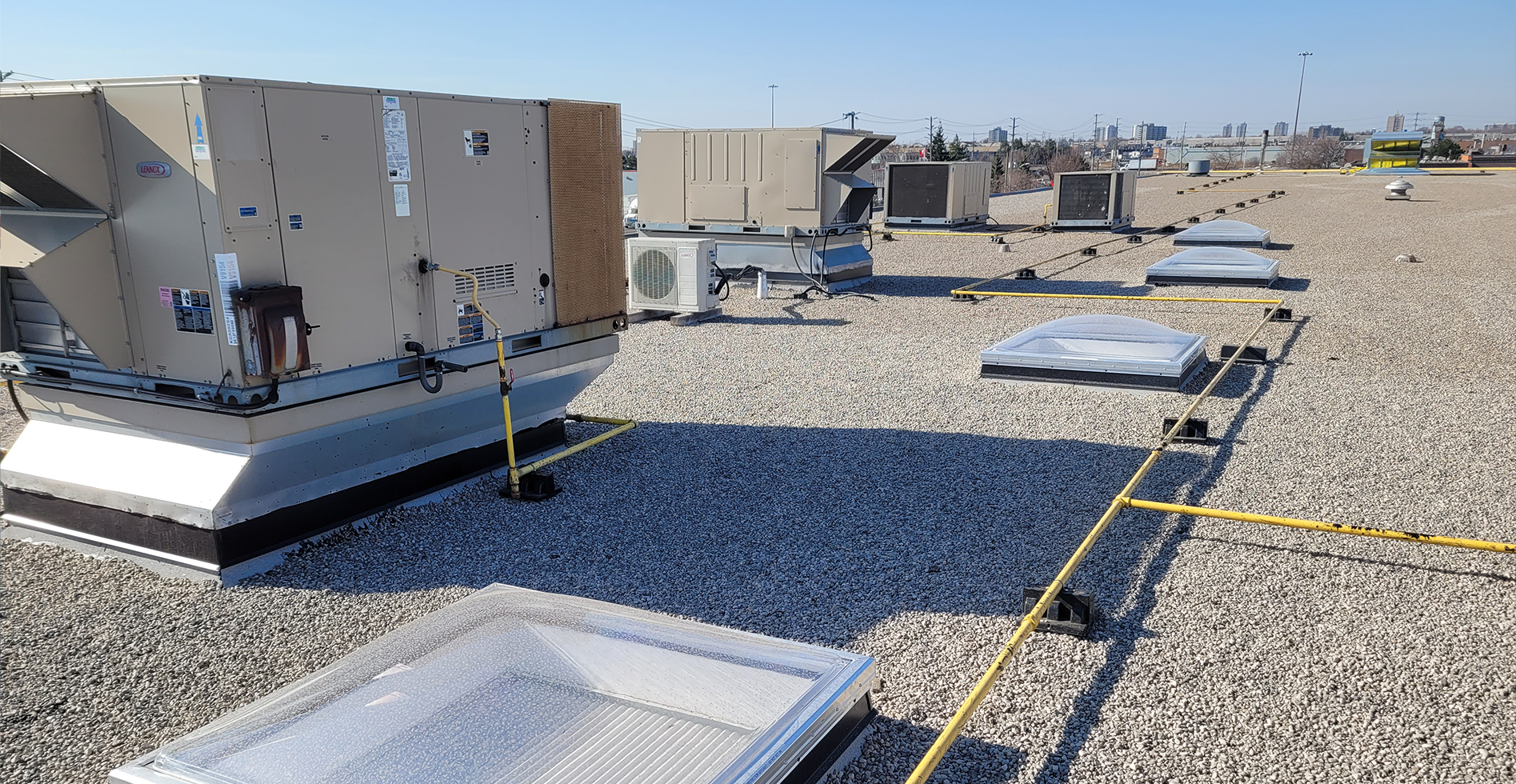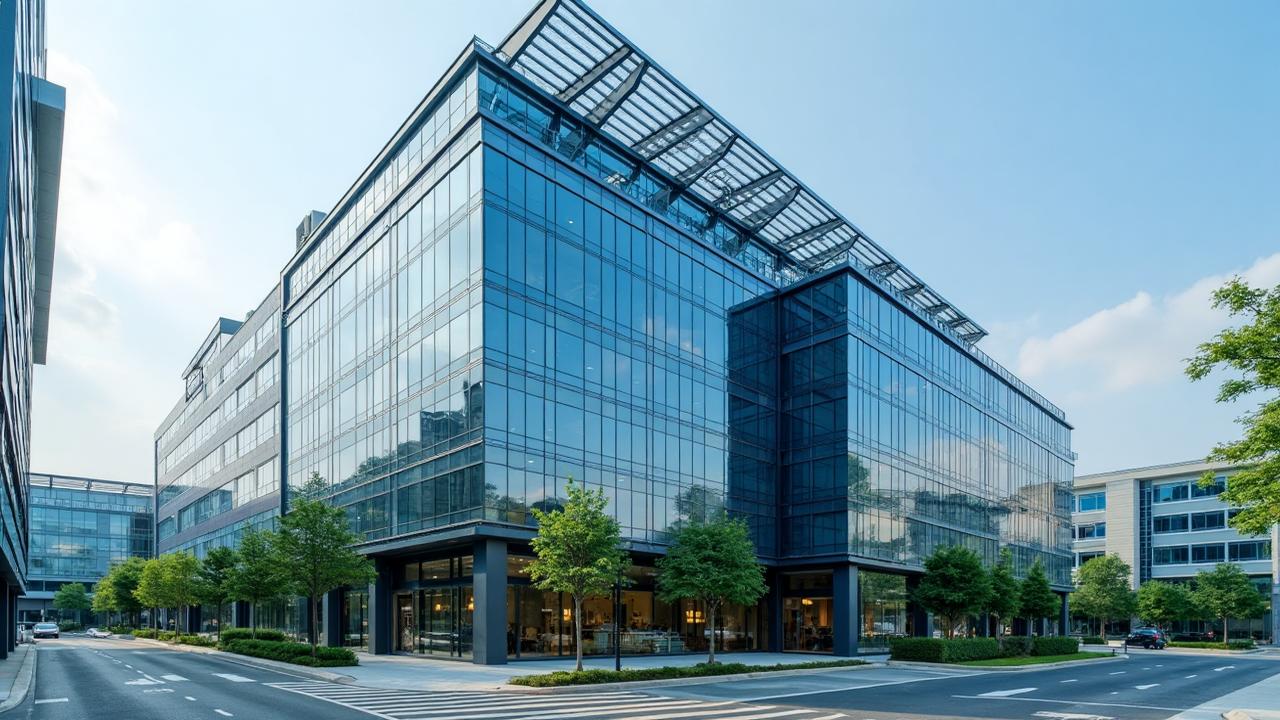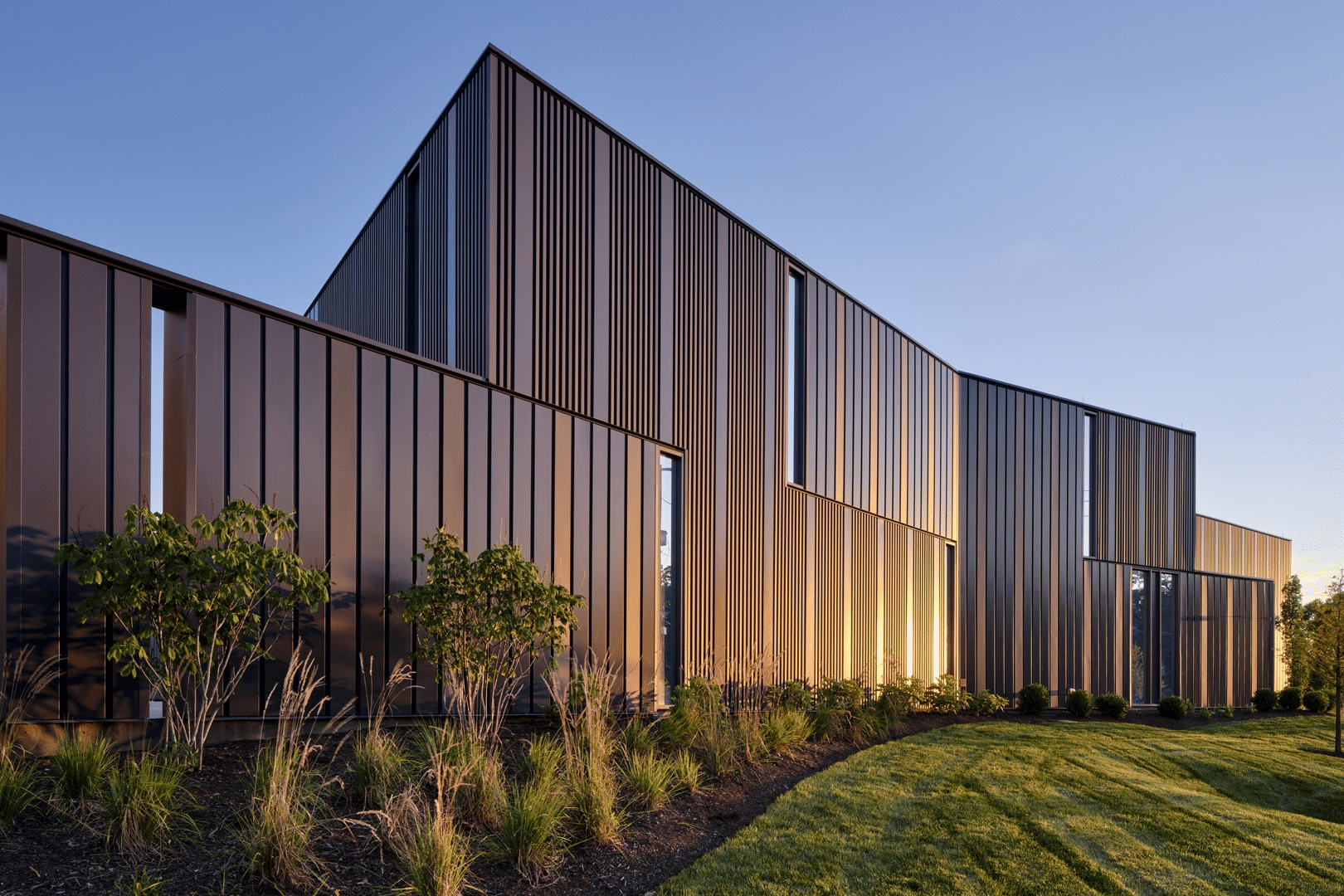
Methodist Dallas Medical Center, Baylor University Medical Center, and UT Southwestern form one of the most concentrated medical campuses in the South — and Tenet Healthcare, headquartered in Uptown Dallas, manages facility operations for a hospital network that spans the metro. Roofing work on these facilities and the medical office buildings that cluster around them is not general commercial work. Patient environments require dust and debris containment protocols, infection control compliance, noise management during procedure hours, and emergency response capability for active leaks near occupied patient areas. We structure every healthcare roofing engagement around those requirements.
Every roofing project on a live healthcare facility is classified by ICRA risk level before the first crew day. We build the containment plan, debris removal path, and access coordination into the project schedule — ICRA compliance is built in, not bolted on after a facilities coordinator flags a problem mid-project.
We coordinate with your facilities team, patient care directors, and security to schedule work around procedure hours, sterile supply delivery windows, and ICU patient loads. For Dallas Medical District hospital campuses and North Dallas MOB clusters, that coordination is a written pre-project plan — not a verbal conversation the morning of the first crew day.
A roof leak above an occupied patient floor or an active surgical suite is a facility emergency. We dispatch with temporary
Multi-campus health systems get per-building condition grades, capital replacement timelines, and consolidated inspection records across the full DFW portfolio. Tenet, Methodist, and Baylor Scott & White all have distributed facility portfolios — we provide the reporting structure that lets a real estate VP see the full picture without managing a dozen separate vendor relationships.
We've roofed live healthcare facilities across the Dallas Medical District, North Dallas MOB clusters, and Plano health system campuses — and we know what ICRA-compliant roofing work actually requires at the execution level, not just as a checklist.
Proficient in major facility management portals, including ServiceChannel Corrigo, Building Engines, Emcor, fmPilot and Ariba
Yes, and that's the standard condition we work in on Dallas healthcare campuses. Methodist Dallas Medical Center, Baylor University Medical Center, and UT Southwestern facilities are never unoccupied — 24-hour patient care, emergency departments, and surgical schedules run continuously. We build the ICRA risk classification, containment plan, and access coordination into the project schedule before the first crew day. The work sequence is designed so that no section above an active patient care area is open simultaneously, debris removal follows a designated path that avoids sterile and patient corridors, and noise-sensitive procedure areas get their critical work windows scheduled during lower-census hours. This requires more scheduling work upfront — and it's the only way to do roofing on a live hospital without creating a patient safety or Joint Commission issue.
ICRA — Infection Control Risk Assessment — is the framework Joint Commission-accredited healthcare facilities use to classify the infection risk of construction and maintenance activity adjacent to patient care areas. Roofing work is typically classified as Class II or Class III activity, which requires dust and debris containment barriers, negative-pressure work zones in some configurations, and debris removal through paths that don't cross patient or sterile corridors. Failure to We train our healthcare project crews on ICRA classification and containment requirements, and the compliance documentation goes into the project record alongside the roofing inspection report.
For active water intrusion near an occupied patient floor or a critical care area in the Dallas Medical District core, we target a two-to-four-hour on-site response from first contact. The emergency crew lead carries temporary containment materials for above-ceiling protection of We don't dispatch a general labor crew to a healthcare emergency — the team that responds to a leak above a surgical suite has done that work before.