The cold storage corridor along I-35E south of Dallas — running through Hutchins and Wilmer into the Dallas Logistics Hub Inland Port — is one of the densest grocery and food distribution zones in the South. These facilities operate at temperatures from 34 degrees Fahrenheit down to negative 20 degrees Fahrenheit, and a roof failure on a cold storage building is not just a membrane problem — it's a product loss event, a food safety event, and potentially a facility shutdown. We work on cold chain facilities in the Hutchins-Wilmer corridor, the I-35E south zone, and the broader DFW cold storage market with the membrane specification and condensation management discipline these buildings require.
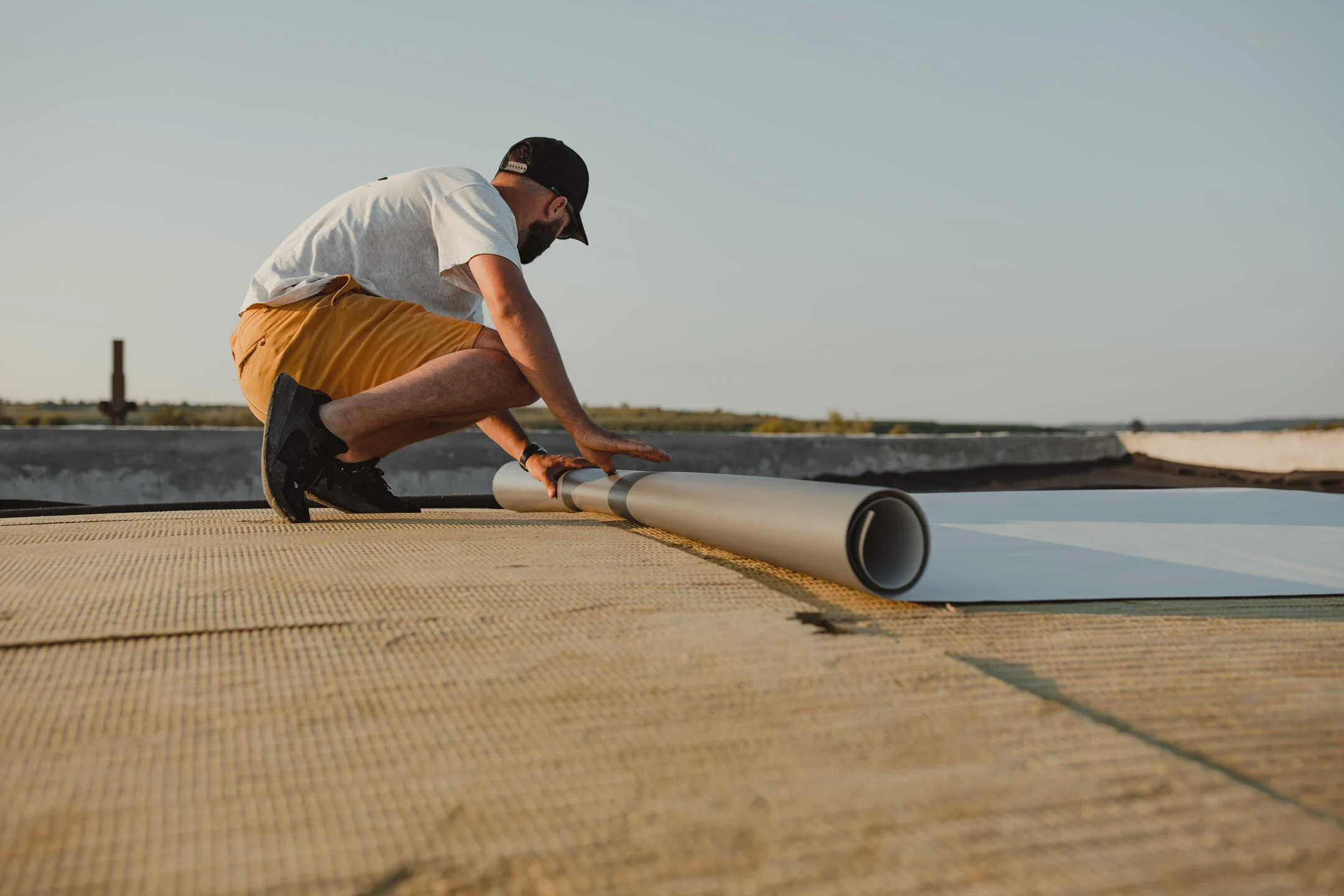
TPO membrane is appropriate for most DFW cold storage facilities where refrigerant chemistry at penetrations is compatible. For facilities with ammonia-based refrigeration or other chemical exposures at roof-level penetrations, we assess membrane compatibility at each penetration location and specify accordingly — PVC where the chemistry requires it, TPO for the field membrane where it doesn't.
Cold storage insulation failure is silent until it's expensive. Infrared thermography identifies wet insulation zones without membrane breach, and we perform that scan as a standard element of cold storage inspections — not as a special add-on when the tenant reports a thermal efficiency problem. Vapor barrier integrity at parapet transitions and penetrations gets the same scrutiny as the field membrane.
Winter Storm Uri in February 2021 revealed vapor barrier and insulation deficiencies in DFW cold storage buildings that normal operating conditions had masked for years. If your facility went through Uri without a post-event moisture survey, the insulation condition under the membrane may be worse than the current thermal performance data shows — especially at parapet transitions and equipment penetrations where vapor barriers fail first.
A cold storage facility can't come to temperature for roofing work. We sequence repair and replacement projects to maintain the refrigerated envelope throughout — working in sections, maintaining temporary weather seals at open sections, and coordinating material and equipment staging to avoid blocking loading dock access at the dock-high and grade-level entry points that cold chain operations depend on continuously.
We understand the operational consequence of a cold storage roof failure — it's not a deferred maintenance budget line, it's a product loss and food safety event. Emergency response to active water intrusion in a cold storage facility is calibrated to that consequence: fast on-site, temporary containment above the refrigerated space, and execution that doesn't require the facility to come to temperature during the repair.
Proficient in major facility management portals, including ServiceChannel, Corrigo, Building Engines, Emcor, fmPilot and Ariba
TPO membrane is the appropriate specification for most DFW cold storage construction where the penetration chemistry is compatible and the facility isn't dealing with unusual chemical exposures at the roof level. TPO handles the thermal cycling — and DFW cold storage roofs cycle between ambient summer peaks and the exterior condition created by the refrigerated interior, which is a significant thermal load on the membrane and insulation assembly. For facilities with ammonia refrigeration lines entering the roof or other chemical exposures at mechanical penetrations, we assess membrane compatibility at each penetration point and may specify PVC at those locations even if TPO is correct for the balance of the field membrane. The compatibility check is not optional — putting the wrong membrane type at a refrigerant penetration creates a failure point that the rest of the roof's warranty won't cover.
February 2021's Winter Storm Uri was a revealing event for DFW cold storage roofing in a way that was not immediately obvious during the storm. Most cold storage buildings along the I-35E south corridor and the Hutchins-Wilmer inland port zone were not damaged in the obvious way that conventional commercial buildings were — frozen drain bowls and burst pipe penetrations were more common on conventional facilities. What Uri revealed on cold storage buildings was vapor barrier and insulation deficiencies that normal operating temperature differentials had been masking. When exterior temperatures dropped below interior refrigerated temperatures, condensation patterns reversed and exposed gaps in vapor barriers at parapet transitions, equipment curbs, and mechanical penetrations. Buildings that appeared to have no leak history showed wet insulation zones in post-Uri infrared surveys. If your facility went through Uri without a post-event moisture survey, the insulation condition is worth verifying.
Yes — this is the standard requirement for cold storage work, and we plan every project around it. Roofing work on a live refrigerated warehouse is sequenced in sections that maintain the refrigerated envelope throughout: open sections get temporary weather seals before any adjacent section is closed, material and equipment staging is positioned to avoid blocking dock access, and daily work windows are planned around your receiving and shipping schedule. On facilities in the Hutchins-Wilmer corridor and the I-35E south zone where we've done this work, the project runs longer than an equivalent conventional commercial reroof — a 150,000-square-foot cold storage replacement that would take three weeks on a conventional building typically takes five to six weeks with the section-by-section sequencing. That additional time is the cost of maintaining the refrigerated envelope, and it's the correct trade-off.