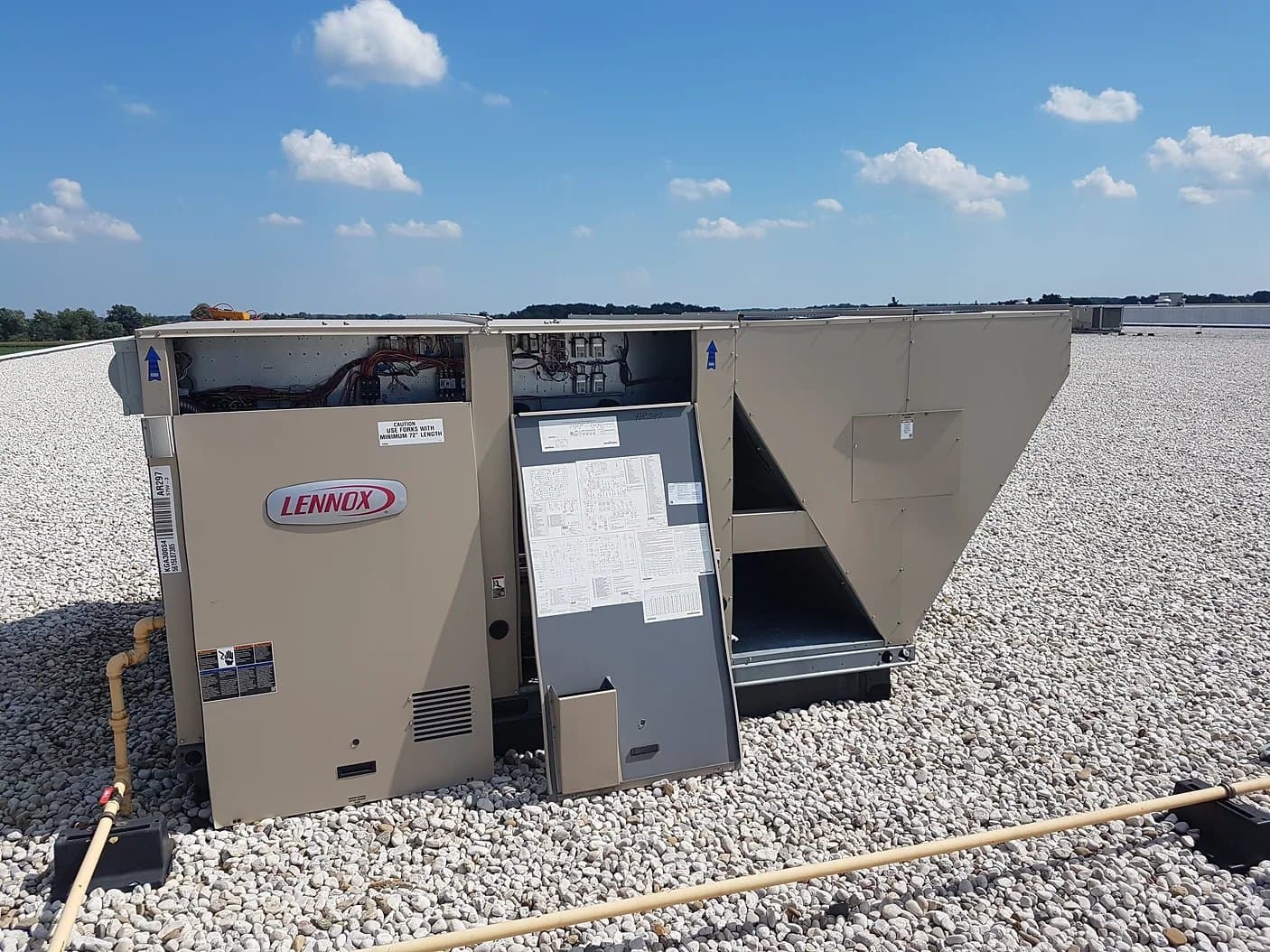
QSR pads, full-service locations, and chain restaurant rollouts across the metro. Grease exhaust environments that require PVC, and production windows that work around your busiest days.
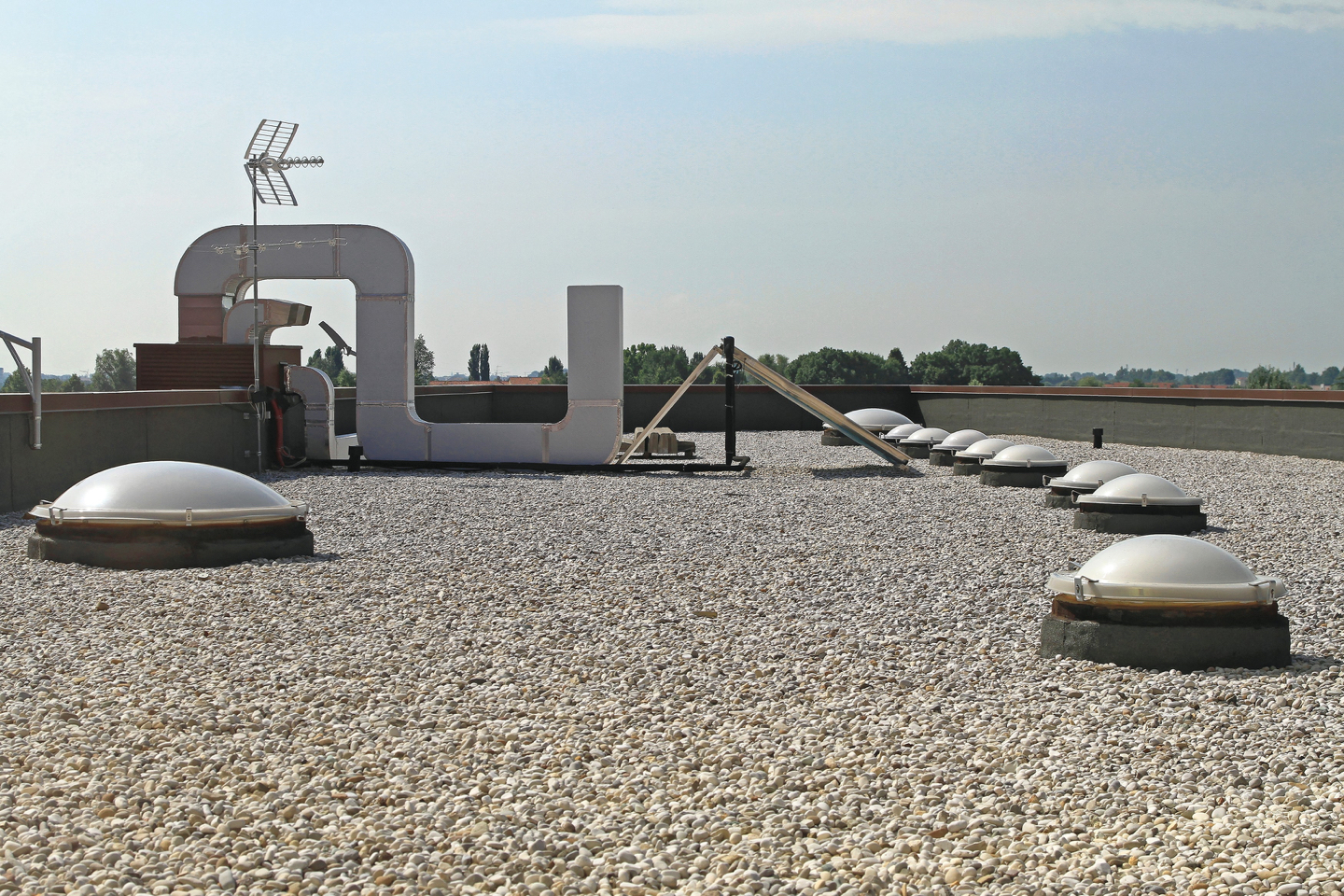
Restaurant roofs in Dallas fail faster than any other commercial building category, and they fail in a specific pattern. The kitchen exhaust systems on QSR and full-service restaurants push hot grease vapor through rooftop exhaust hoods and exhaust fans that penetrate the roof membrane. Standard TPO and EPDM flashing material at these penetrations degrades under sustained grease vapor exposure — the flashing softens, loses adhesion, and pulls away from the penetration collar within 5-8 years in a busy kitchen environment. The result is a leak that shows up directly above the kitchen, which is the worst place a restaurant can have a water intrusion.
The fix is not a more aggressive maintenance schedule on TPO flashing — it is PVC membrane or PVC-coated metal flashing at every restaurant exhaust penetration. PVC resists grease degradation in a way that TPO and EPDM do not. This is the correct specification for restaurant roofing, and it is not universal knowledge among commercial roofing contractors who do not specialize in food-service environments.
The other restaurant roofing reality in Dallas is the production window. A QSR pad site on LBJ Freeway is open from 6 AM to midnight. A full-service restaurant on Knox-Henderson or Lower Greenville is open for lunch and dinner service 7 days a week. Weekend tear-off above a restaurant dining room is not feasible without advance coordination and a production window that does not hit service hours. We know how to work this — early morning, single-day section completion, and same-day dry-in so the kitchen reopens without a tarp above it.
The specification decision that most restaurant building owners and operators get wrong is accepting a TPO roof replacement without addressing the exhaust penetration flashing material. A standard TPO reroof with TPO flashing at the kitchen exhaust location will leak at the exhaust penetration within 5-10 years on a high-volume QSR and within 3-7 years on a full-service restaurant with a live-fire kitchen.
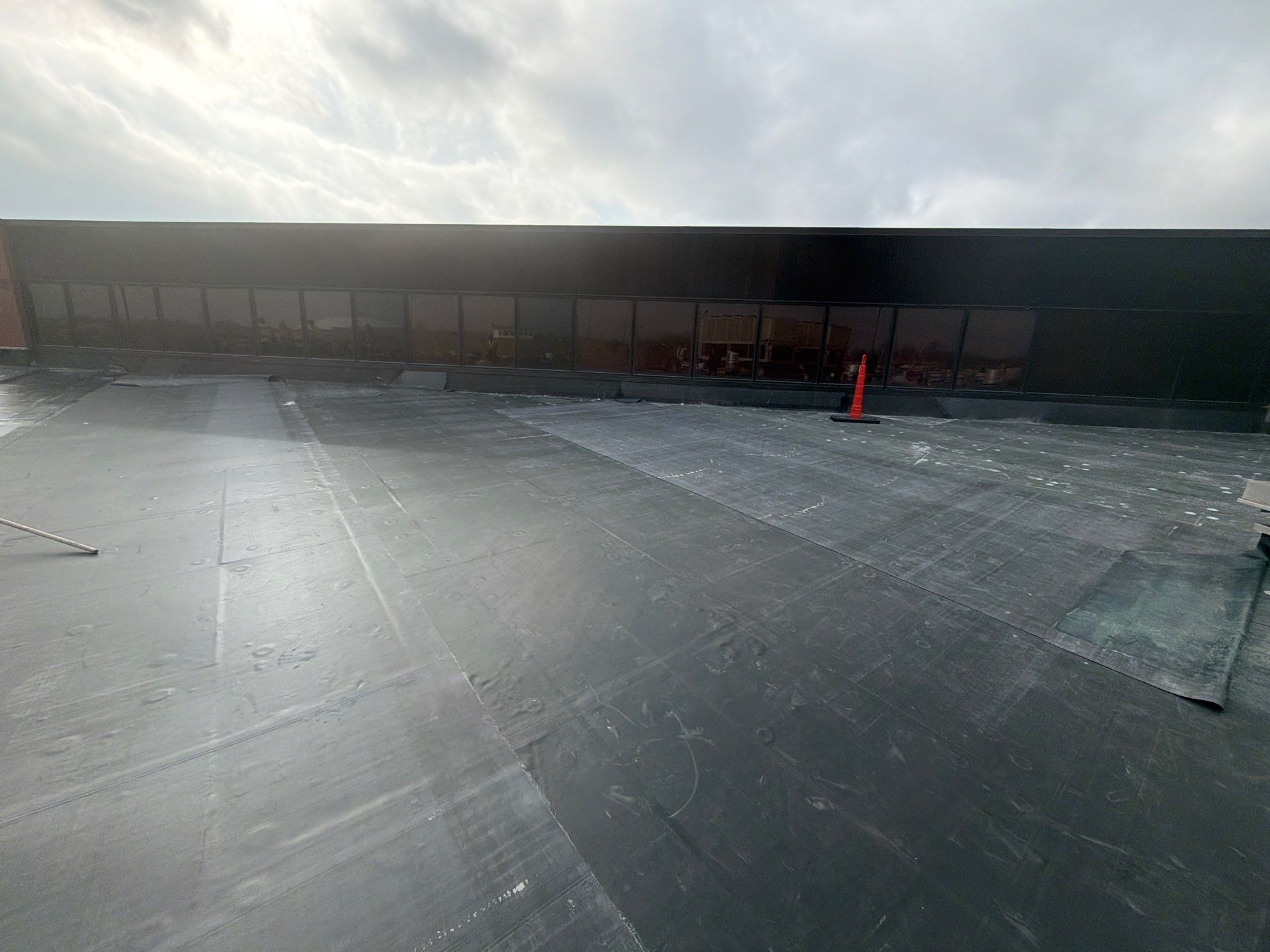
We specify two approaches depending on the roof scope: full PVC membrane on buildings where the grease exhaust load is high or where the owner wants a uniform warranty without penetration exceptions, or PVC-coated metal flashing collars at exhaust penetrations on buildings that otherwise specify TPO. The PVC-coated collar extends under the TPO membrane and is lapped and welded to the TPO field sheet — the transition is watertight and eliminates the grease-degradation failure mode at the penetration.
Chain QSR operators — particularly those managing portfolios of Dallas-area locations — often have a corporate roof specification that calls for TPO without the exhaust penetration modification. We flag this conflict when we see it and provide written documentation of the degradation risk. Owners and franchisees who understand the failure mode typically upgrade the exhaust flashing specification even when the corporate standard does not require it.
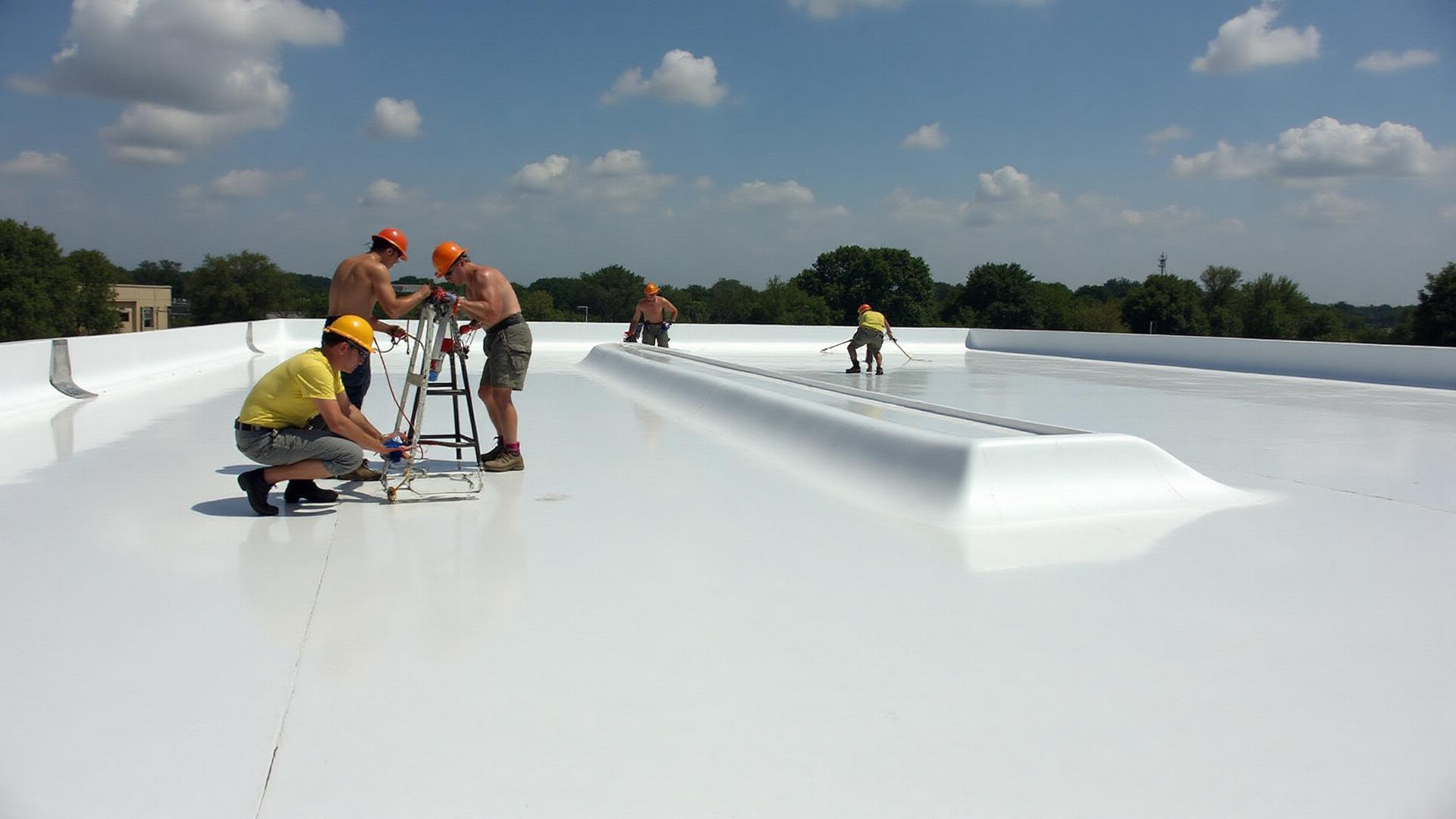
Most Dallas QSR pads can be reroofed in a single production day if the scope is straightforward — 2,000-4,000 sq ft, minimal equipment density, accessible from grade. We schedule these as early-morning projects: crew on-site at 5 AM, tear-off complete by 8 AM, new membrane and flashings complete by 3 PM, site clean and crew out before the dinner service window. The restaurant never closes.
Full-service restaurant buildings on the Knox-Henderson, Lowest Greenville, and Uptown corridors have tighter access and more complex roofs — often above second-floor dining, with multiple HVAC units, exhaust hoods for each station, and grease traps running through the roof deck. These buildings require 2-4 day production windows with sections sequenced around service hours. We do the loud work — tear-off, saw-cutting — in morning windows before the restaurant opens, and we complete the quiet work (membrane installation, seam welding) during service hours if necessary.
Multi-location chain operators in the Dallas market — regional QSR franchisees with 15-40 Dallas-area locations, casual dining chains with multiple DFW units — often schedule roofing work as a managed rollout across their portfolio rather than responding reactively to individual locations. We have structured rollout programs for multi-location operators that include condition assessments across the portfolio, prioritized replacement scheduling, and unified warranty management that gives the operator a single closeout package covering all locations.