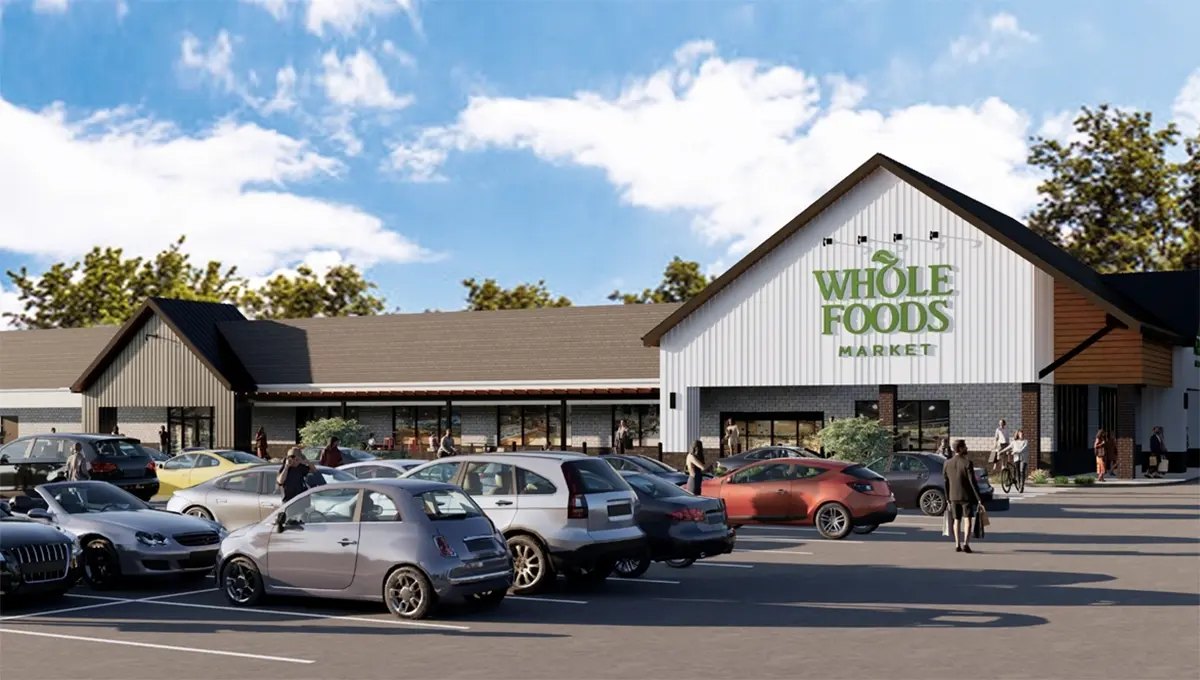
Mall anchor work at Galleria Dallas and NorthPark, strip centers across the Preston Road corridor, and pad-site retail across the metro. Tenant operations stay open. We sequence around them.
Dallas retail roofing covers an enormous range of building types. The major enclosed malls — Galleria Dallas on LBJ Freeway, NorthPark Center at Northwest Highway and Central, and the Highland Park Village on Preston and Mockingbird — have multi-story roof systems with skylights, complex flashing geometry, and tenant lease provisions that govern when and how roof work can happen. The Preston Road, Greenville Avenue, and Lower Greenville strip centers are simpler buildings but busier operationally, with restaurants and retail tenants who are open six or seven days a week and cannot simply shut down for a reroof.
The through-line in retail roofing is tenant coordination. Retail tenants have signed leases that include provisions about construction activity, and many have co-tenancy clauses that create liability for the landlord if a disruption affects their operations. We work for building owners, but we operate on their properties with full awareness of the tenant environment. That means advance notice, clear communication about production windows, and a willingness to stop and reschedule if something changes in the tenant's operating situation.
The other retail roofing reality in Dallas is the sheer volume of strip center and neighborhood commercial roofing across the metro. Every corridor — Belt Line Road in Irving, MacArthur Boulevard in Irving and Las Colinas, Garland Road in east Dallas, Camp Wisdom in Oak Cliff — has rows of 1980s and 1990s strip centers running 25-35 year old modified bitumen that needs replacement. This is the volume work of Dallas retail roofing, and we have it in our regular production rotation.
Mall anchor roofing is the most logistically complex retail roofing. Galleria Dallas, at LBJ and the Dallas North Tollway, has a roof system that includes the main mall structure, the attached hotel, and the anchor tenant boxes — each built in different construction phases with different roof systems. NorthPark Center at Northwest Highway has similarly complex phasing, with Neiman Marcus, Nordstrom, and the main mall structure having separate roof zones on different replacement cycles. Highland Park Village, the 1931 original shopping center at Preston and Mockingbird, has historic architectural elements that require custom flashing and coordination with the historic preservation standards that govern the property.
Mall anchor work requires advance coordination with the mall's facilities management, the anchor tenant's facilities team, and in some cases the tenant's corporate real estate department. The production window at NorthPark is typically a 6 AM to 10 AM block before anchor tenants begin receiving deliveries, with a second window after mall close at 9 PM. At Galleria Dallas, crane setup for anchor box work requires mall management coordination because the crane swing radius affects parking structure clearance.
These projects require an established relationship with the facilities management team and a track record on less complex properties. If you are looking for a contractor who has been on these roofs, call us — we can document the background.
The volume of strip center roofing work across Dallas comes from the 1980s and 1990s construction wave. Belt Line Road through Garland and Mesquite, Forest Lane in north Dallas, Buckner Boulevard in east Dallas — these corridors have blocks of strip centers where the modified bitumen is at 30-plus years and the drains are running slow. The landlord for most of these buildings is a private owner or a small REIT, not an institutional asset manager, and they often need the scope explained rather than handed a technical specification.
Strip center tenant coordination is simpler than mall anchor but still requires a plan. Restaurants cannot close for production. Hair salons cannot reschedule appointments around our schedule. We work in sections across the building's roof, protect the active tenant areas from debris, and schedule loud tear-off work for early morning before most tenants open.
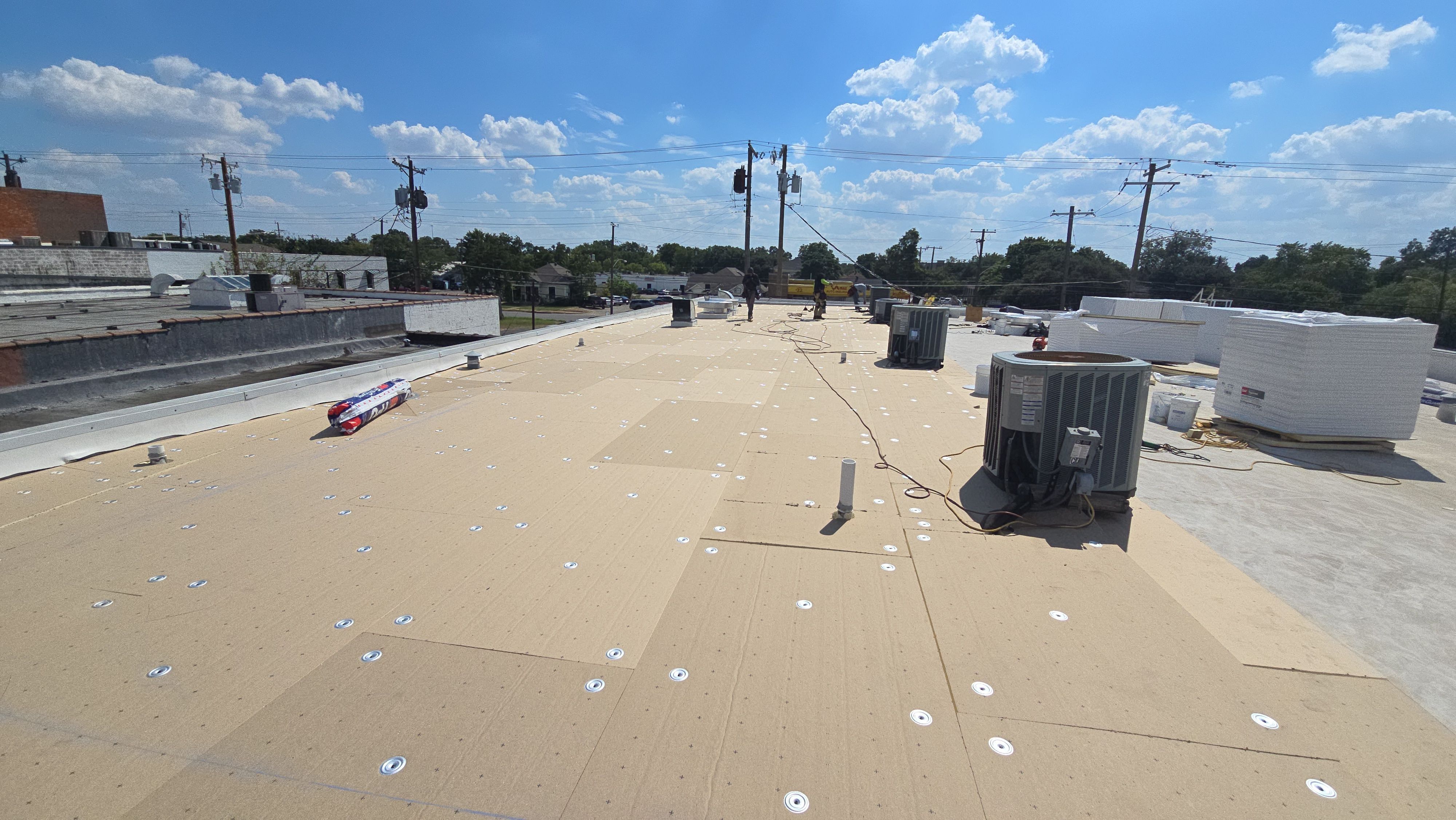
Most Dallas strip centers and pad-site retail buildings specify 60-mil mechanically attached TPO — it is the cost-effective system for buildings where the tenant mix does not create special chemical or traffic requirements. Buildings with restaurant tenants that vent grease exhaust through rooftop penetrations need PVC membrane or TPO with PVC-coated flashing at the exhaust locations, because grease exhaust degrades standard TPO flashing over time.