Roofing for food processing plants, cold storage facilities, and distribution centers throughout Dallas, TX.
The Dallas–Fort Worth metroplex hosts one of the most sophisticated food distribution and processing networks in North America, and the commercial roofing demands of that network reflect its scale and complexity. Sysco Dallas operates one of the company's largest distribution campuses, routing billions of dollars of temperature-sensitive product annually through cold storage, frozen storage, and dry-goods warehousing—all under a roofline that must perform continuously in Texas's demanding climate. Dean Foods' Texas operations centered the state's largest dairy processing infrastructure in the DFW region before the company's restructuring, and successor dairy facilities continue to run under similar sanitary roofing demands. McLane Company's Dallas-region distribution centers handle ambient and temperature-sensitive grocery product for convenience and discount retailers across the Southwest, adding high-throughput dry-goods roofing to the mix. Managing roofing at this scale in Dallas means addressing extreme heat, hailstorm vulnerability, and FSMA compliance simultaneously.
North Texas's climate presents a compound roofing challenge: scorching summers with surface temperatures exceeding 170°F on dark rooftops, hail seasons in April through June that can strip granules or puncture single-ply membranes in a single storm event, and occasional ice storms in January and February that stress flashings and deck attachments. The dominant vapor drive for most of the year is outward from conditioned interior spaces toward the hot, dry summer exterior—similar to the Southwest—but Dallas's humidity during spring and fall creates brief periods of inward vapor pressure that must be accounted for in the overall assembly design. For food processing and cold storage facilities, this means vapor retarder placement should be on the interior warm side, below the insulation, with the roof system designed to allow limited drying toward the exterior during the humid shoulder seasons.
Hail is the single largest roofing risk for Dallas food facilities. A severe hailstorm can cause millions of dollars in membrane punctures, insulation compression, and HVAC equipment damage across a single large distribution campus. Sysco Dallas and McLane regional DCs have addressed this risk by specifying impact-resistant single-ply membranes tested to FM 4473 or UL 2218 Class 4 standards, and by installing hail guards over rooftop refrigeration equipment. Insurance underwriters in the DFW market increasingly require Class 4 roofing on food facilities as a condition of coverage at favorable rates. The incremental cost of impact-resistant membrane over standard TPO or PVC is typically $0.15–$0.30 per square foot—easily justified by insurance premium reductions and the avoided cost of post-storm emergency repairs during active production.
FSMA compliance at Dallas food distribution centers focuses heavily on temperature excursion prevention. Cold chain integrity depends not just on refrigeration equipment but on the building envelope's ability to maintain thermal stability between refrigeration cycles. A roof assembly with degraded insulation—wet polyiso with R-value reduced from R-6 per inch to R-3 per inch due to moisture infiltration—forces refrigeration compressors to run harder and longer to maintain set-point temperatures. This creates the risk of thermal excursions that trigger FSMA Preventive Controls requirements to investigate and document potential product safety impacts. Texas Department of Agriculture and DSHS (Department of State Health Services) both regulate food facilities in Texas, and building maintenance deficiencies including roof conditions can be cited in state inspections alongside federal FSMA findings.
Cold storage insulation for Dallas facilities must balance summer heat gain against modest winter cold. Freezer rooms at Sysco Dallas operating at 0°F to -10°F require R-40 to R-50 roof assemblies to manage the extreme summer differential. Dallas's summer rooftop surface temperatures can reach 170°F on dark roofing, making cool roofs especially valuable for reducing the heat gain component. A white membrane with SRI above 100 can reduce surface temperatures to under 90°F, cutting the temperature differential across a freezer roof from 190°F to 110°F—a 42% reduction that directly translates to refrigeration compressor runtime and energy cost savings.
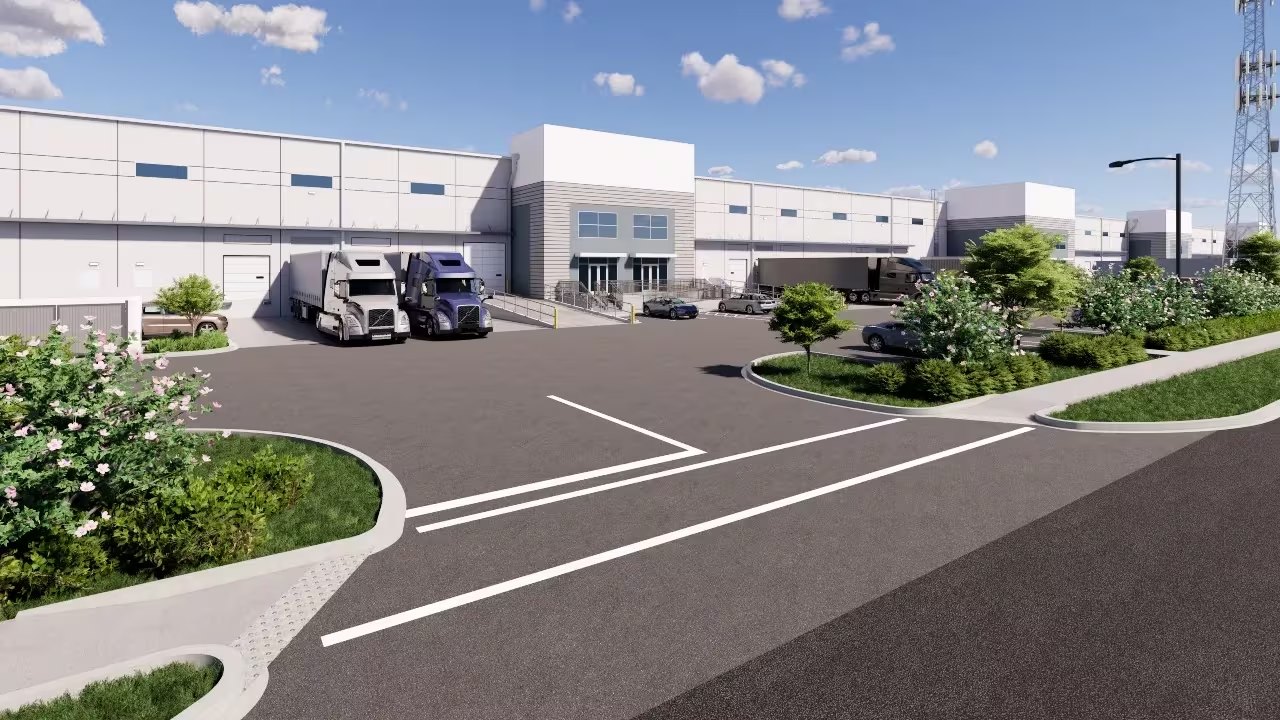
Dock transition roofing details at large Dallas DCs like McLane and Sysco deserve particular attention because of Texas's flash flood and heavy rain events. A facility with 30 dock doors needs continuous, properly sloped roof drainage directing water away from dock headers, with overflow scuppers sized for the 100-year storm intensity. Dallas County receives concentrated rainfall during spring convective events—sometimes 3 to 4 inches in an hour—and undrained rooftop water above dock areas creates both structural load risk and infiltration risk at the roof-to-wall junction. Counterflashing above each dock bay must be installed with continuous sealant and lapped correctly to shed water away from the building face during driven rain events.
Energy return on investment for cool roofing at Dallas food facilities is among the highest in Texas due to the combination of high solar irradiance, extreme summer temperatures, and continuous refrigeration loads. The Electric Reliability Council of Texas (ERCOT) serves the DFW market, and peak demand charges during Texas summer afternoons can represent 30–40% of a food facility's total electricity bill. A cool roof that reduces peak rooftop temperatures reduces HVAC demand precisely at the hours of highest electricity cost, improving the economics of the investment beyond simple energy consumption savings. Detailed energy modeling for Sysco-scale distribution facilities routinely shows cool roof paybacks of 3–5 years before accounting for extended membrane life.
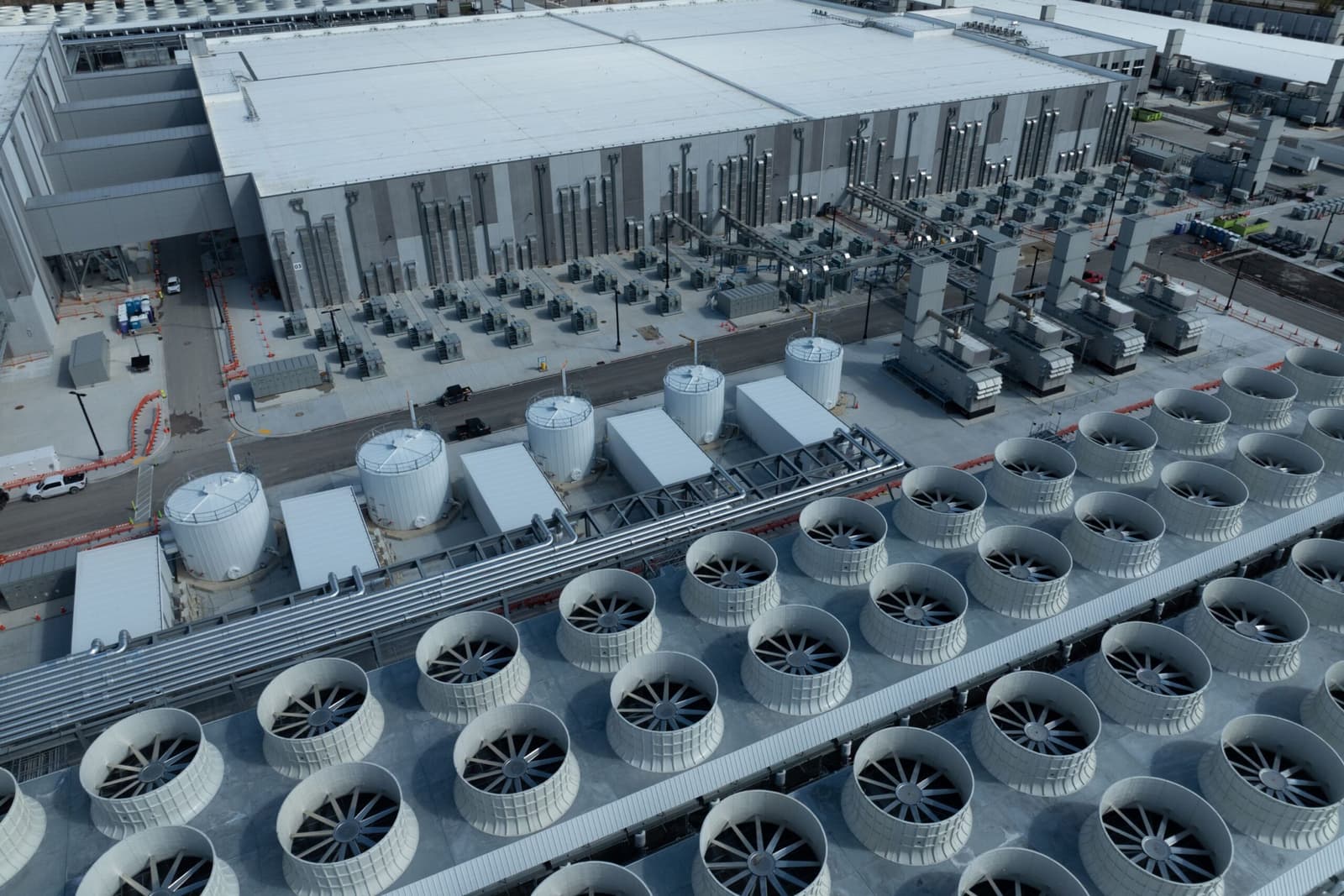
Rooftop penetrations at Dallas food processing and distribution facilities are numerous and varied: refrigeration condensers, make-up air units, exhaust fans, sanitation chemical storage vents, and communication equipment. Each penetration is a potential vapor pathway and waterproofing failure point. Texas's frequent wind events—including straight-line winds above 60 mph during spring storm systems—stress HVAC curb flashings, satellite dish mounts, and pipe boot seals in ways that less wind-exposed markets do not experience. Rooftop equipment should be secured to curbs designed for 120 mph wind uplift, and all pipe boots should be mechanically fastened rather than relying on adhesion alone.
Dallas commercial roofing contractors serving food facilities at the scale of Sysco and McLane must bring project management capabilities commensurate with large-scale logistics operations. Phased re-roofing of a 500,000-square-foot distribution center while it operates 24/7 requires a contractor with experience managing live-load protection, coordinating crane lifts with inbound truck traffic, and maintaining continuous weathertight protection over active product storage during membrane removal. Contractors should carry project-specific umbrella insurance of $10M or more for projects at this scale, and should provide a detailed site-specific safety plan addressing the unique risks of food facility roofing work before mobilization.