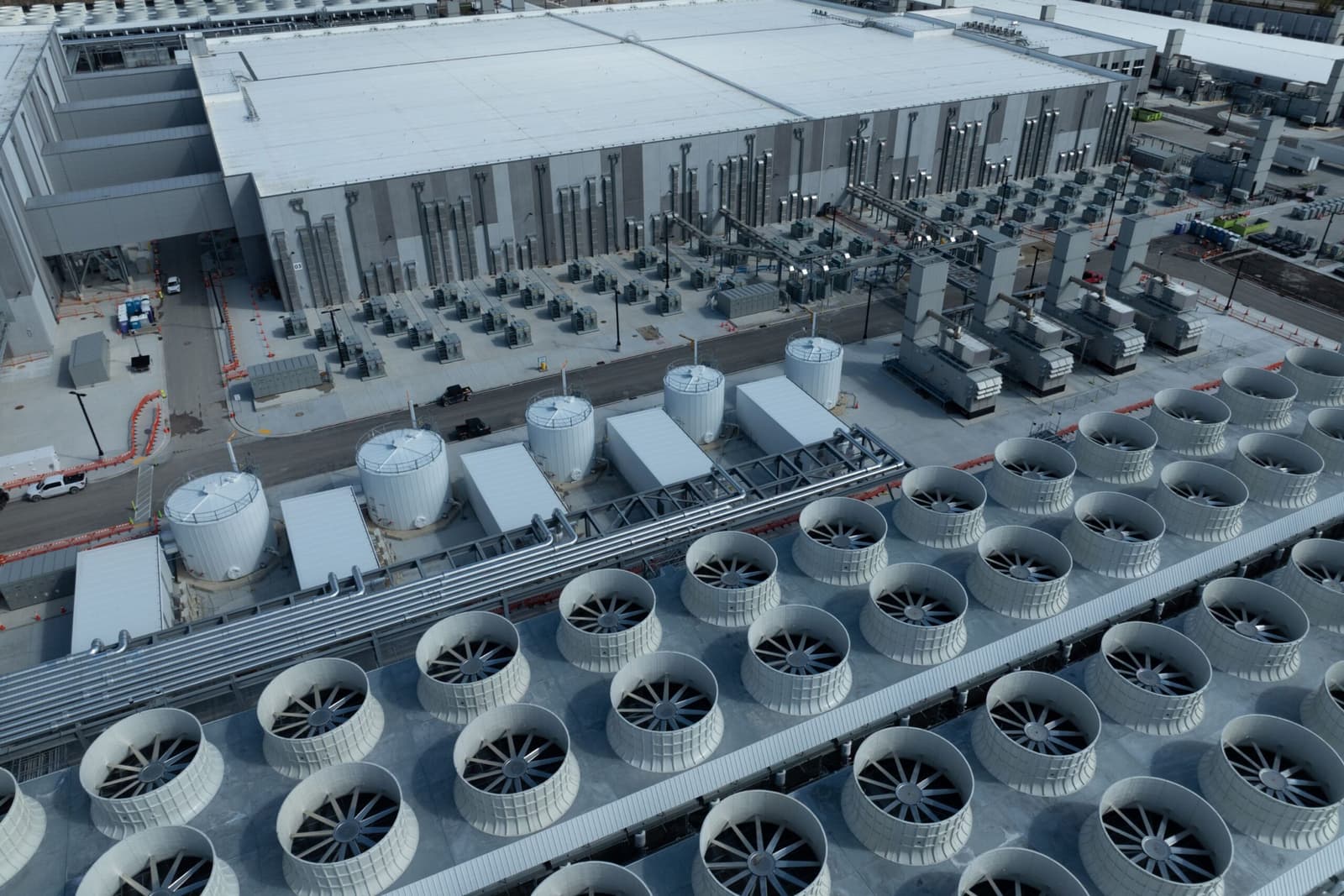
Technology campuses in Dallas carry more roof penetrations per square foot than almost any other building type — fiber conduit bundles, antenna mounts, microwave dishes, satellite uplinks. We inventory and re-flash every penetration with the specificity these roofs require.
Dallas is a technology hub in ways that are not always visible from the street. AT&T's global headquarters at 208 S. Akard in downtown Dallas is one of the most significant telecommunications buildings in the United States. Texas Instruments' campus on TI Boulevard in north Dallas has been manufacturing semiconductors there. Cisco Systems and Verizon both operate major facility presences in Las Colinas. The roofs of these buildings are not conventional commercial roofs — they are active infrastructure platforms.
Fiber conduit routing through the roof is the primary concern on technology headquarters buildings. Major technology companies do not consolidate fiber entry points the way standard office buildings do. They have multiple conduit pathways through the roof — each serving different network redundancy paths, each belonging to a different network team's asset inventory, and each potentially catastrophic to business operations if damaged or if the penetration fails and allows water ingress to the conduit bore.
Antenna penetrations add another layer. Microwave backhaul dishes, satellite uplink antennas, cellular carrier antennas, and private wireless network equipment all mount through or adjacent to the roof membrane. Each mount is a structural load point, a penetration, and a maintenance access requirement — and most antenna mounts on buildings more than 15 years old were installed without formal roofing coordination, meaning the penetration details are field-fabricated and non-standard.
At AT&T's headquarters tower in downtown Dallas, the fiber infrastructure entering and exiting the building through the roof involves conduit bundles that serve national and international network paths. The pre-construction penetration audit for a technology building of this type involves sitting down with the network team's documentation and physically verifying each conduit before the roofing spec is written.
The standard roofing approach to conduit penetrations — install a pitch pan, fill with pourable sealant, call it done — is not adequate for fiber conduit in an active network building. The bore of the conduit itself is an open pathway for water once the pitch pan fails. Our standard for fiber conduit penetrations is a pitch pan or curb flashing to manufacturer spec plus a secondary water stop inside the conduit bore at the penetration point. This is not a standard roofing practice, but it is what an active fiber conduit penetration requires.
Texas Instruments' north Dallas campus has multiple buildings, some of which date from the 1960s and carry conduit infrastructure that has been added to across five decades. Before we write a reroof scope on a building like this, we complete a penetration manifest that logs every penetration's apparent purpose, condition, and flashing type. TI's facility management team reviews and corrects the manifest before production begins. The end result is that every penetration on the building is accounted for before any existing flashing is disturbed.
Cisco's Las Colinas campus runs private wireless infrastructure on its rooftops that supports the campus network and serves as a demonstration environment for Cisco's enterprise wireless products. These antennas are not decorative — they are live network nodes. When we re-flash the antenna base mounts on a campus like this, we coordinate with the network team on a maintenance window during which the antenna can be temporarily dismounted, the mount base re-flashed to manufacturer spec, and the antenna remounted and re-aimed.
Verizon's Las Colinas facility carries carrier-grade cellular antenna infrastructure on its roof. These are not antennas we can disturb without coordinating with Verizon's network operations team and often with the carrier whose equipment is co-located. We build the antenna maintenance window into the project schedule at pre-construction — not as an afterthought during production.
Microwave backhaul dishes are particularly sensitive. A microwave dish that has been knocked even a fraction of a degree off its aim loses the link it is pointed at. We never touch a microwave dish mount without the building's network team on site. The dish is documented (GPS coordinates of the mounting point, compass bearing, elevation angle) before we touch anything near it, and the network team re-verifies link status after the mount is re-flashed and the dish is reset.