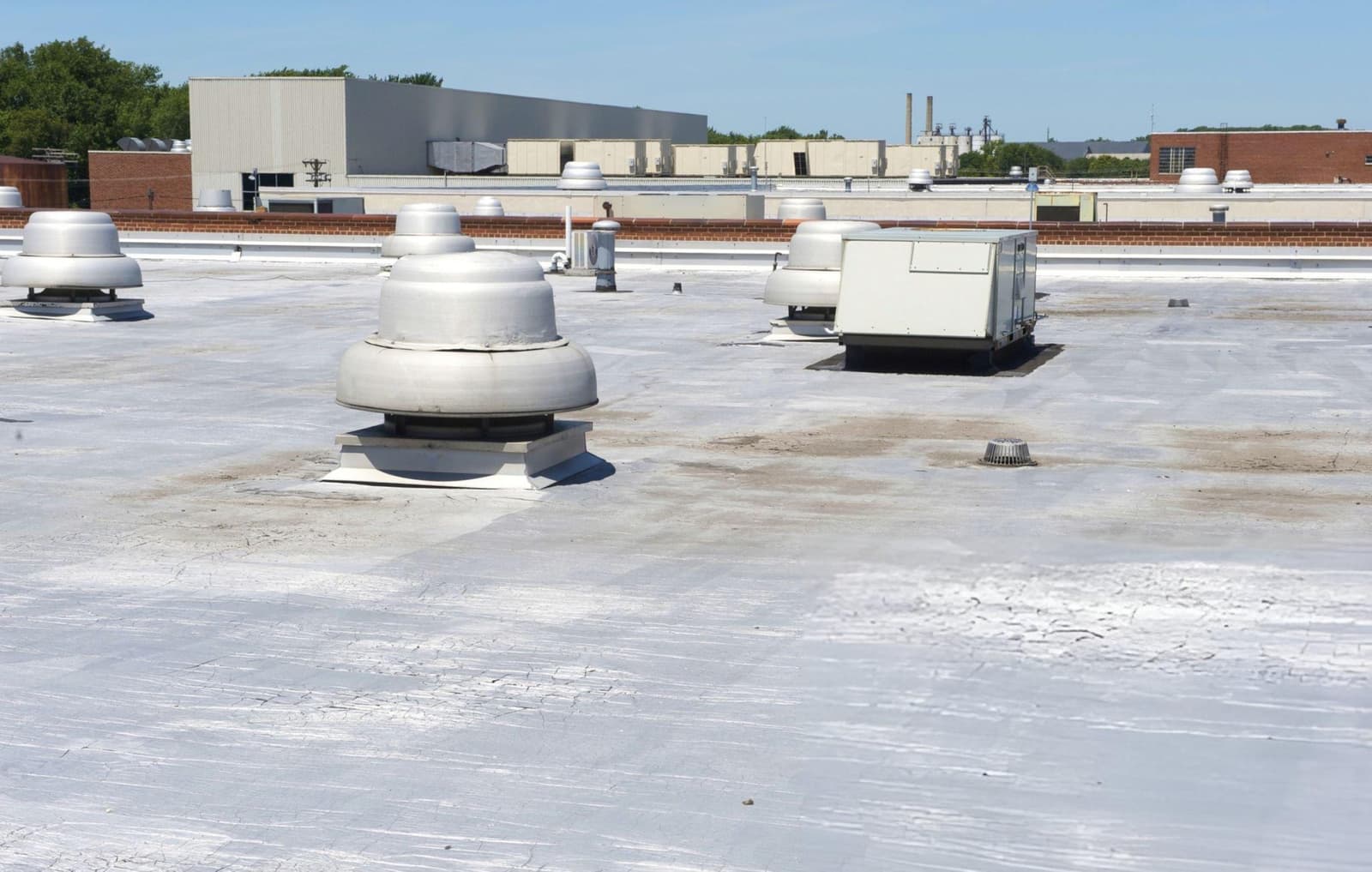
Industrial manufacturing buildings in Garland, Mesquite, Carrollton, and Lewisville. Process exhaust environments, chemical-resistant membrane selection, and production-line coordination that keeps the line running.
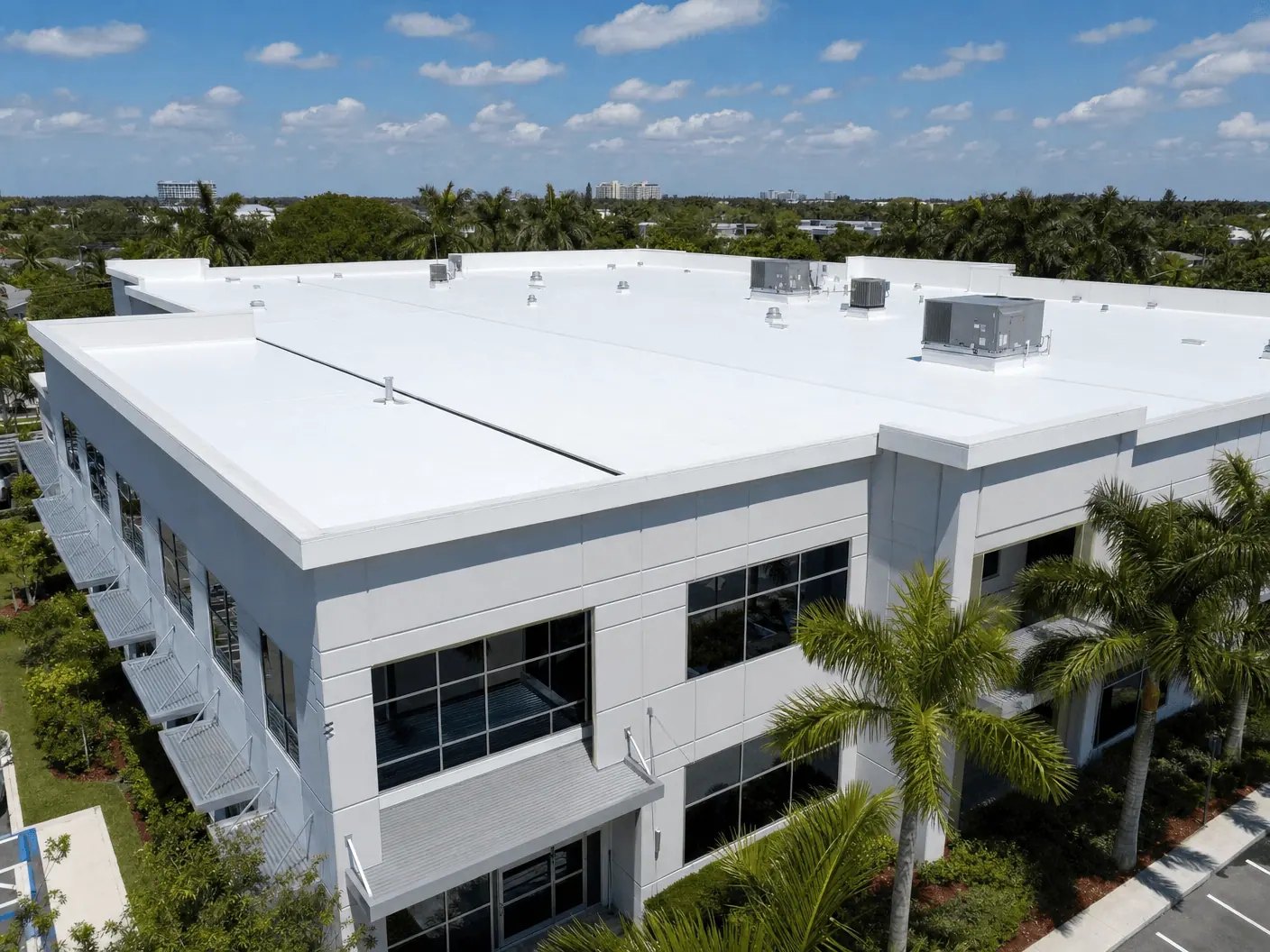
Manufacturing facilities in the Dallas suburbs have a different roofing profile than warehouse or distribution buildings. The industrial corridors along Garland Road and Miller Road in Garland, the Mesquite industrial parks off Highway 80, the Carrollton manufacturing district along Whitlock Lane, and the Lewisville industrial area around Garden Ridge Boulevard have concentrations of 1970s through 1990s manufacturing buildings — many of them still running original built-up roofing or first-generation modified bitumen that has been repaired repeatedly and is well past useful life.
What makes manufacturing roofing different is what comes out of the building. A food processing facility has exhaust streams that An electronics manufacturing plant in the Garland tech corridor has clean-room exhaust protocols that prohibit any particulate introduction from roof work above or adjacent to the clean room. A metal fabrication shop in Mesquite has welding exhaust and grinding dust that attacks single-ply membranes differently than standard UV exposure.
We scope manufacturing roofing with the facility's process environment as the primary variable. The membrane specification, the attachment method, and the production sequencing all depend on what happens inside the building.
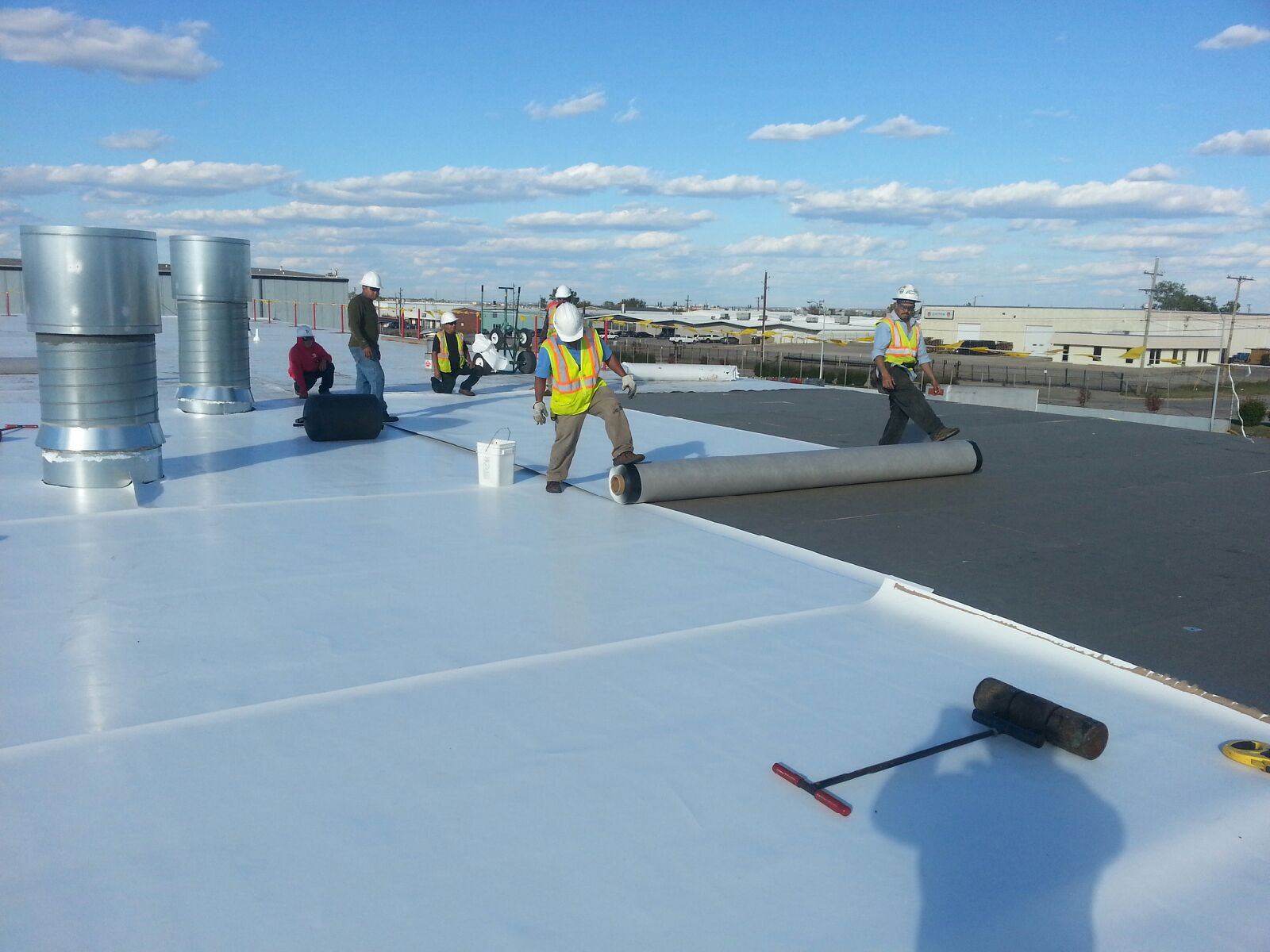
The most critical specification decision on manufacturing facility reroofs is membrane chemical compatibility with the facility's exhaust streams. Standard 60-mil TPO handles most industrial exhaust environments in the Dallas suburban manufacturing market, but there are important exceptions. Facilities with petroleum-solvent exhaust (paint booths, surface coating, adhesive application) require PVC membrane or KEE (ketone ethylene ester) membrane at the exhaust penetration locations, because petroleum-based solvents attack TPO seam weld integrity over time.
Food processing facilities in the Garland and Carrollton corridors — of which there are several, including prepared-food manufacturers along Trinity Mills Road — require specific flashing material at cooking exhaust penetrations. We specify silicone-coated metal flashing at high-temperature cooking exhaust stacks, not standard TPO or EPDM flashing material that softens above 200°F. This is not in most commercial roofing specifications, but it is what the environment requires.
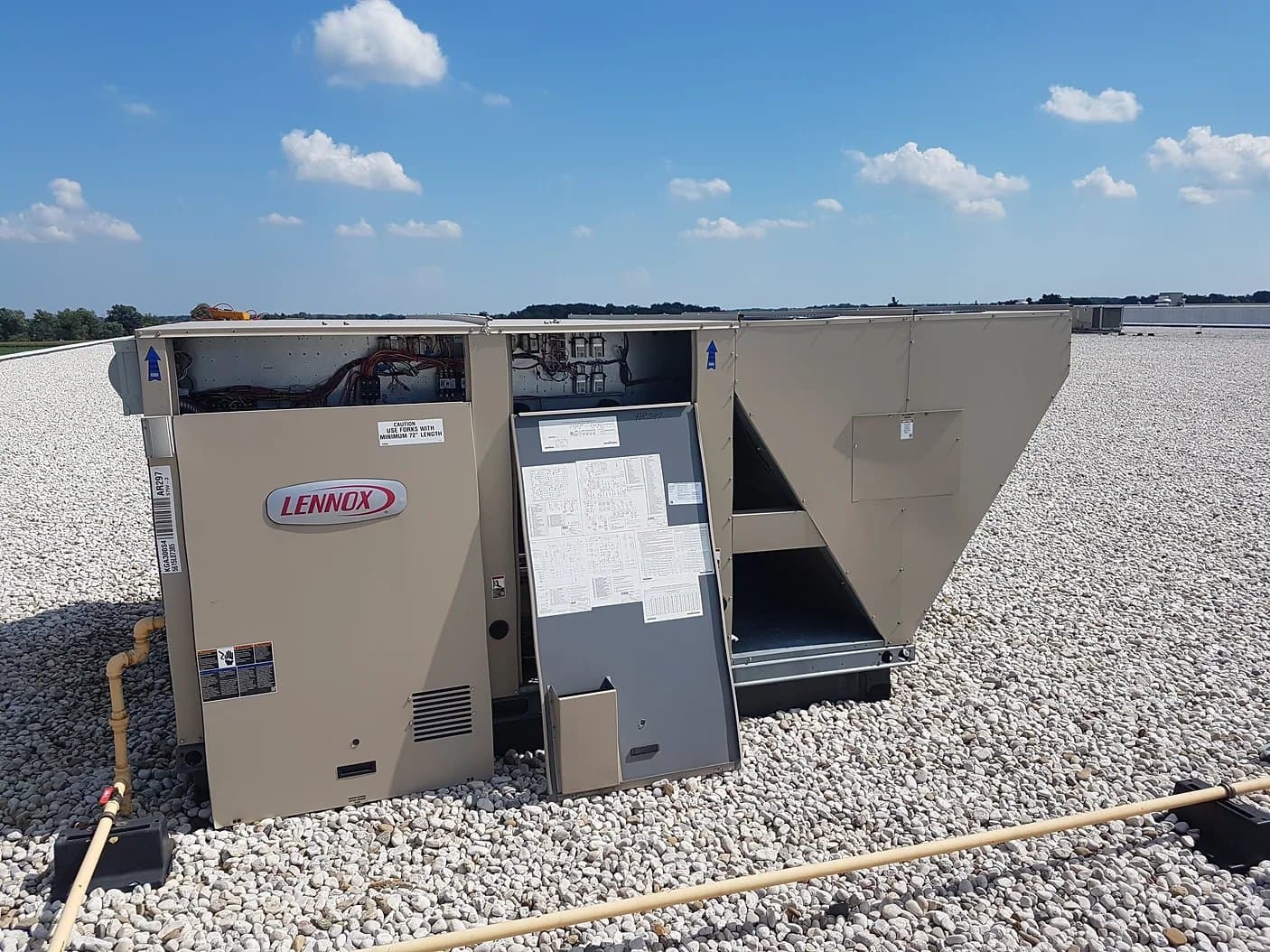
Clean-room manufacturing — semiconductor testing, medical device assembly, and similar operations in the Carrollton and Plano tech corridors — requires a different protocol for roof work above or adjacent to the clean room. Particulate from tear-off cannot enter the building's air handling. We seal clean-room HVAC intakes and run HEPA-filtered exhaust from the work zone before any tear-off above clean-room spaces. This is the same ICRA protocol we use on hospital campuses, applied to an industrial environment.
Manufacturing lines run on production schedules that are planned weeks or months in advance. A work interruption that stops a production line in Garland or Mesquite is not just a scheduling inconvenience — it is a cost that hits the owner's income statement directly. We structure manufacturing reroofs around the production calendar, not around the most efficient roofing sequence.
The typical manufacturing reroof sequence we use: start with roof areas above storage, maintenance, and administrative spaces — areas where an interruption is manageable. Work toward production areas in phases timed to planned maintenance shutdowns or shift changes. If the facility has a scheduled maintenance shutdown (most manufacturing plants do, typically 1-2 weeks per year), we coordinate the largest and most disruptive phase to run during that window.
Vibration and noise from roof tear-off can affect sensitive manufacturing processes — precision machining, electronics testing, and some chemical processes require vibration-isolation environments. We map the building's production layout against our planned tear-off sequence and adjust the sequence to minimize vibration impact above sensitive processes.