Commercial roofing programs for REITs and institutional real estate investors managing commercial property portfolios throughout Dallas, TX.
Dallas is one of the most active commercial real estate investment markets in the country, and Prologis has built a dominant industrial presence across the DFW Metroplex Metroplex, with major concentrations in the Great Southwest Industrial District, the Alliance corridor in north Fort Worth, and the I-20 corridor to the east and south of downtown. For REIT asset managers overseeing portfolios in DFW, roofing is a capital planning category that demands serious attention — not because the Dallas climate is the most extreme in Texas, but because the scale of institutional ownership here means that even a 2 to 3 percent unplanned CapEx variance across a large portfolio represents tens of millions of dollars in reserve shortfall.
Dallas's climate presents three distinct roofing risk factors that institutional owners must plan for. First, the Metroplex sits in one of the most active hail corridors in North America. North Texas hail events are frequent, severe, and capable of causing billions in insured losses across a single storm sequence — the 2016 and 2019 storms were watershed events for institutional roofing programs across DFW, and the frequency of hail activity in the region has only increased in recent years. Second, Dallas summer heat pushes membrane surface temperatures to extreme levels, accelerating adhesive degradation and granule loss on systems that are not maintained properly. Third, the freeze events that periodically strike North Texas — most dramatically in the February 2021 winter storm Uri — expose any roofing system weakness through hydraulic ice pressure in a way that normally temperate climates make easy to overlook.
Prologis and other large industrial REITs operating in Dallas have moved toward portfolio-wide preferred vendor programs precisely because the scale of their exposure to simultaneous hail events makes ad-hoc contractor sourcing untenable. When a major hail storm tracks through DFW, it can impact dozens of properties in a single REIT's portfolio simultaneously, and the contractors who have pre-existing MSA relationships with institutional owners are the ones who mobilize first with full documentation protocols. REITs that are still managing Dallas roofing through reactive open-market procurement discover after a major hail event that every qualified contractor in the market is committed, lead times for membrane materials are extended, and their properties are being assessed and repaired last.
CapEx planning for Dallas REIT portfolios requires a reserve methodology that includes a probabilistic hail replacement component. A simple straight-line depreciation model that assumes a 20-year TPO roof lifespan without adjustment for hail event probability will produce systematic reserve shortfalls in the DFW market. The institutional standard is to model hail impact probability based on historical storm frequency, apply it to the portion of each roof that a typical event would damage, and build that expected loss into the reserve contribution — alongside the normal age-based replacement reserve. A preferred vendor who tracks storm data and provides post-event damage assessments across the portfolio provides the data that feeds this modeling process.
The NNN lease structure common in Dallas industrial portfolios places maintenance obligations on the tenant, but the hail insurance claim process creates a landlord obligation regardless of lease structure. When a major hail event impacts a Prologis or Duke industrial building in DFW, the landlord initiates the insurance claim, coordinates the damage assessment, and manages the repair scope — because the insurance policy is the landlord's, and the insurer's coverage obligations are tied to the landlord's maintenance record and the property's documented condition before the event. A preferred vendor program that maintains current condition documentation for every property in the portfolio is therefore an insurance program asset, not just a maintenance efficiency tool.
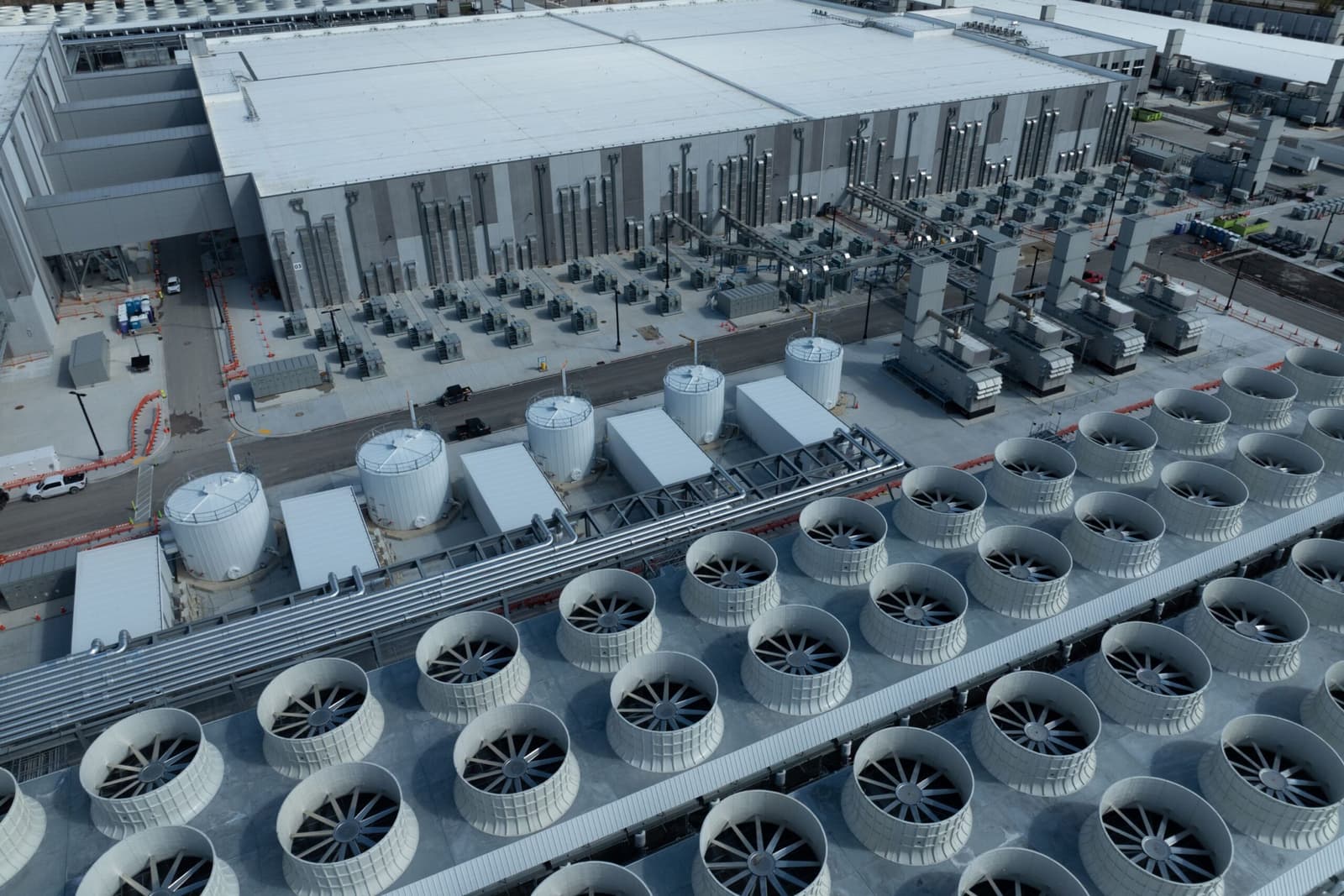
Dallas's commercial market has seen enormous growth in data center, cold storage, and last-mile logistics development, all of which carry specialized roofing requirements. Data centers require waterproofing standards that exceed typical commercial protocols because a roof leak in a data center creates catastrophic tenant liability. Cold storage buildings have roofing-insulation systems that integrate with refrigeration plant design, and failures in that integration are not standard roofing repairs. Last-mile logistics buildings in infill locations carry older roofing systems that pre-date current material generations. A preferred vendor program that handles standard industrial roofing also needs the technical depth to address these specialized asset types as they enter your Dallas portfolio.
Investor reporting for Dallas REIT portfolios is complicated by hail event timing. A major storm that occurs in November, near fiscal year end, can create CapEx requirements that are difficult to predict and budget for in annual reporting. REIT financial teams need to work with preferred vendors to develop rapid post-storm assessment protocols that can produce portfolio-wide damage quantification quickly enough to inform year-end reporting. The ability to provide investors with a credible post-event damage assessment, a claim status summary, and a projected repair timeline demonstrates the kind of portfolio management discipline that distinguishes institutional-grade operations.
Yes, but it requires the facility manager's active cooperation on the production schedule. We build our sequence around the cooling system's maintenance windows, work cooling-adjacent penetrations during planned low-load periods, and never unilaterally shut down or disturb any mechanical penetration without the facility's written approval for that specific action on that specific date.
We log every fiber conduit penetration before production begins. Each one gets stripped to the deck, a properly-sized pitch pan or curb flashing installed to manufacturer spec, and a secondary water stop inside the conduit bore. We photograph the completed detail and include it in the penetration manifest we deliver at closeout.