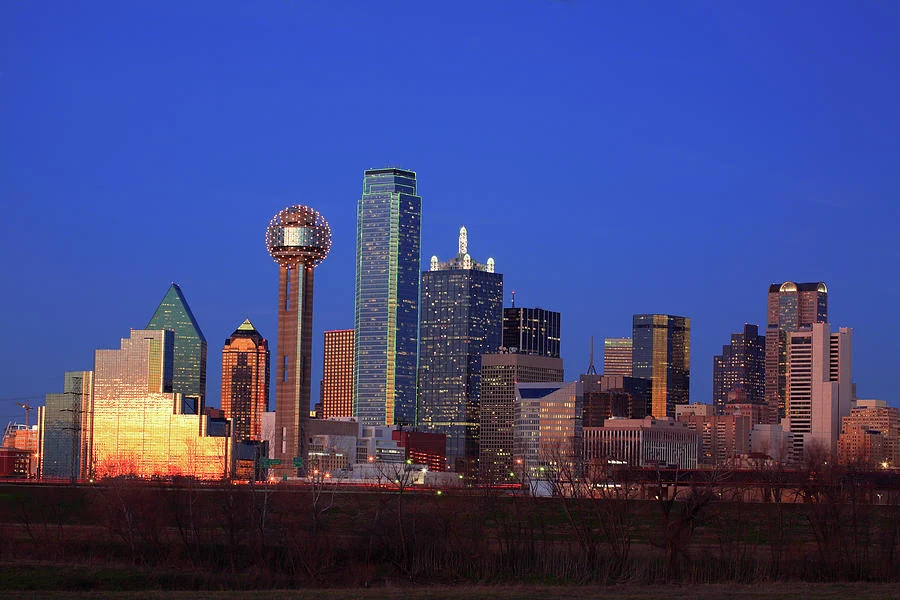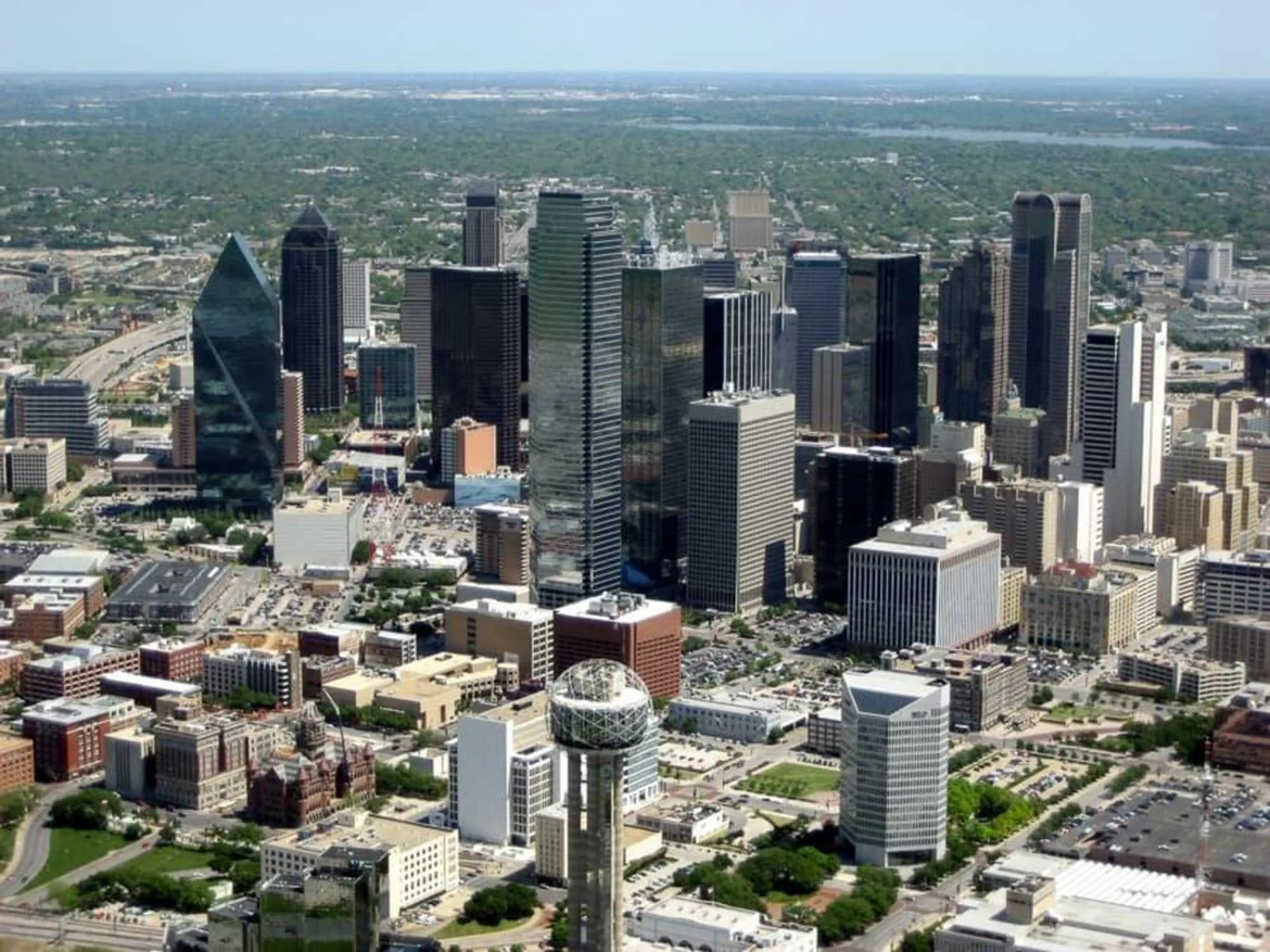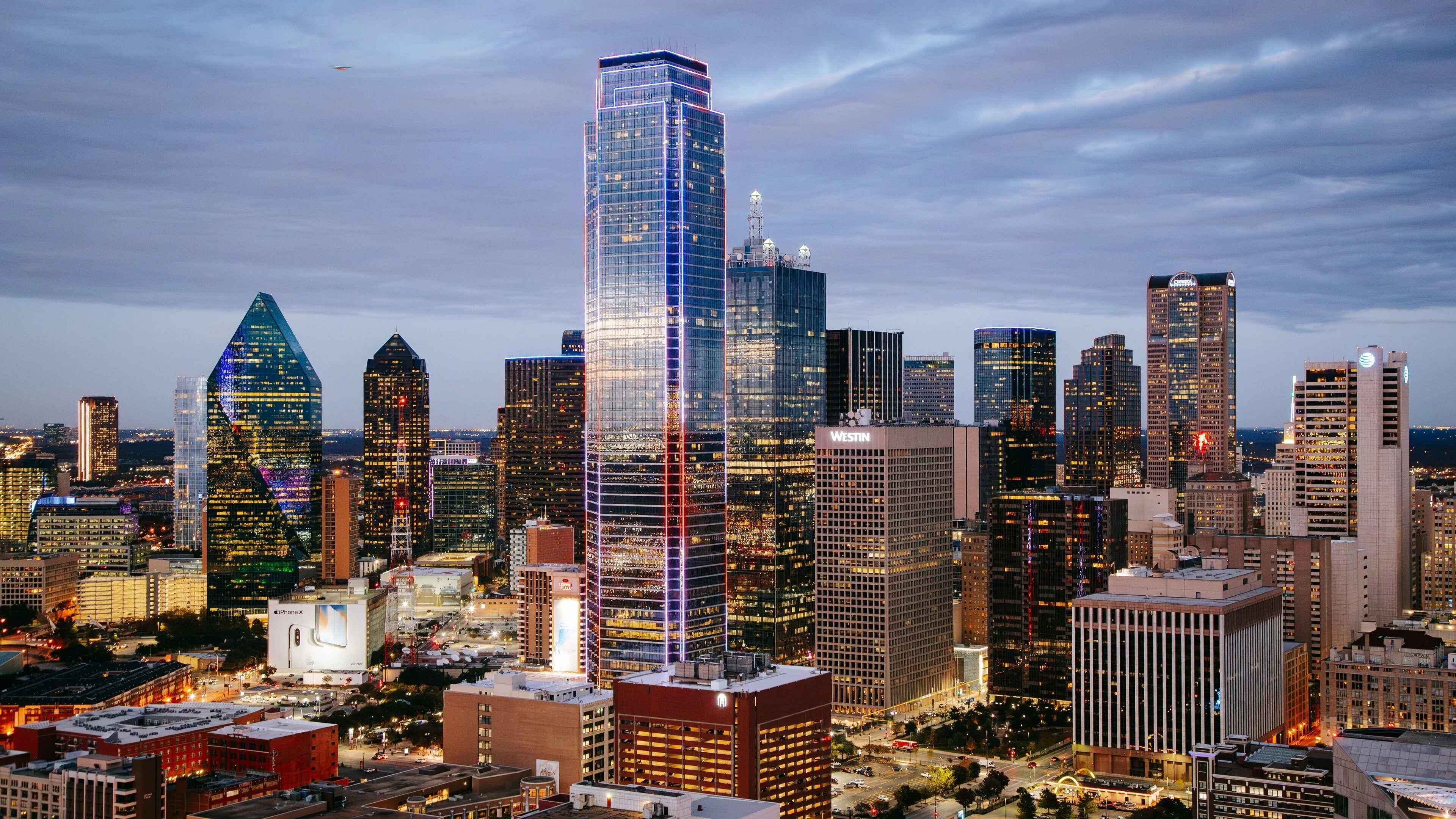
DFW Metroplex is one of the most commercially diverse metros in the country — 13 million people, a logistics hub that moves a significant share of the country's inland freight, a medical complex that serves the entire southern tier, a data center market that ranks in the top three nationally, and a corporate real estate base that has drawn Toyota, ExxonMobil, JPMorgan, AT&T, and dozens of other major operations in the last 20 years. The commercial buildings that house that activity have roofing needs that vary by property type, not just by location. A Dallas Logistics Hub distribution center at Hutchins needs a different membrane specification, a different inspection protocol, and a different post-storm response sequence than an Uptown Class A office tower or a data center in the Allen-Plano corridor. We work across every commercial property category in the DFW market — and we bring the specification discipline and documentation standards each property type actually requires.
DFW is a top-three national data center market. The Allen-Plano corridor, Las Colinas, and the Garland-Carrollton zone host colocation and hyperscaler facilities operating at uptime constraints that require section-by-section roofing sequencing, pre-access approval with critical environment teams, and emergency dry-in protocols that protect active server halls. We work on live DFW data centers under those constraints.
The I-35E south corridor running through Hutchins and Wilmer into the Dallas Logistics Hub holds a concentrated cluster of grocery distribution and food cold chain facilities. Cold storage roofing requires vapor barrier management, refrigerant-compatible membrane specification, and uptime-aware sequencing that maintains the refrigerated envelope throughout. Winter Storm Uri in 2021 revealed insulation deficiencies in DFW cold storage buildings that normal operating conditions had hidden for years.
Methodist Dallas, Baylor University Medical Center, UT Southwestern, and Tenet-managed properties anchor the Dallas medical district — and medical office building clusters extend across North Dallas, Plano, and Las Colinas. ICRA-compliant roofing on live healthcare facilities, emergency response protocols for active leaks near patient areas, and inspection documentation for Joint Commission-accredited properties are the baseline requirements for this work.
Strip centers, power centers, big-box anchor pads, and franchise pad sites across the DFW retail corridor. Retail roofing works around live store operations — off-hours scheduling, no parking lot blockage, property manager notification before any crew access. Post-hail documentation within 48 hours protects retail landlords in tenant damage disputes. The October 2019 NW Dallas tornado left emergency repairs on properties in the Love Field and Northwest Highway corridor that deserve a proper retrospective assessment.
The Stemmons Freeway and I-35E Trinity industrial district, Las Colinas (ExxonMobil, Caterpillar), and the southern industrial corridors hold manufacturing and processing facilities where roofing work requires EHS permitting, live-plant sequencing, and PVC membrane specification where exhaust chemistry reaches the roof surface. Thirty-year-old tilt-wall buildings in the Stemmons corridor are entering replacement cycles now.
The Dallas Logistics Hub Inland Port at Hutchins and Wilmer, the Stemmons and I-35E corridor, and the Alliance Texas free-trade zone cover the full spectrum of DFW distribution facility types. TPO membrane is the volume standard for new DFW warehouse construction. Blackland Prairie clay heave shifts drain pitch on older Stemmons tilt-wall buildings. Post-hail documentation and drainage geometry correction are the two most common requirements we see from DFW logistics facility operators.
K-12 campuses across Dallas ISD and suburban school districts, community college facilities, and private school campuses. Education roofing requires work sequenced around the school calendar and occupied school-day schedules. Summer replacement projects are the norm, and post-hail documentation matters because school district insurance programs have specific claim protocols that require carrier-ready inspection records.
Uptown Dallas Class A (AT&T HQ, Comerica, Tenet), the Las Colinas corporate campus corridor (ExxonMobil, Kimberly-Clark), and the Plano suburban office district (Toyota, JPMorgan, Liberty Mutual, Capital One). Aging Uptown and Knox-Henderson office buildings from the 1980s are candidates for silicone restoration over modified bitumen where insulation is dry. REIT asset managers get consolidated inspection reports in the format that supports capital planning across multi-building portfolios.
Municipal facilities across Dallas city government, Dallas County, and the suburban DFW municipalities. Public roofing projects run through competitive bid processes with specific documentation and bonding requirements. We carry the bonding capacity and produce the prevailing wage compliance documentation that public sector procurement requires.